Coding as a Second Language: Preparing Students for Tomorrow's Jobs
7 July 2025
Let’s face it. The world is going digital—fast. From smart homes to AI-powered customer service to robots delivering groceries (yes, that’s a thing now), technology is reshaping how we live and work. So, what does that mean for students today? One word: coding.
Now, before your eyes glaze over at the thought of lines of cryptic code and sweaty palms during computer science exams, take a breath. Coding isn’t just for tech geeks anymore. It’s becoming a second language—one that every student should at least be conversational in. Think of it like learning Spanish or French, except instead of ordering tacos or croissants, you’re building apps and automating tasks.
In this post, we’re diving deep into why coding is the new must-have skill and how we can prepare students for the future job market by teaching them to code like they speak it.
Why Coding Matters More Than Ever
Have you noticed how nearly every job now requires some sort of digital literacy? Even industries that used to be completely offline—like farming or construction—are utilizing software, data analytics, and automation. That’s where coding enters the chat.Coding is no longer just about becoming a software engineer. It’s about problem-solving, creativity, and logic. It’s the backbone behind apps, websites, video games, artificial intelligence, and even medical technologies.
The Job Landscape Is Changing
According to the World Economic Forum, by 2025, 97 million new roles may emerge because of the shifting relationship between humans and machines. Jobs that involve programming, AI, machine learning, and data science are expected to grow exponentially.But here’s the kicker—many of these jobs don’t require a traditional four-year degree. What they do require is fluency in code.
Coding Teaches Life Skills Too
Beyond career prep, coding helps develop critical thinking, problem-solving, perseverance, and creativity. Think of it as brain yoga. Working through a programming problem is like solving a puzzle—and in the process, students learn how to break big challenges into smaller, manageable chunks.
Coding = Literacy in the Digital Age
Imagine if you couldn’t read or write in today’s world. That’s how not knowing how to code might feel in the future.We live in an age where technology is everywhere—from the alarm that wakes us up to the GPS guiding our drive to school. But most people treat tech like a magical black box. Kids can scroll TikTok or play Fortnite, but very few understand how those platforms are built.
That’s why coding is becoming a form of literacy. Just like reading and writing, coding empowers students to create instead of just consume. It lets them express their ideas in completely new ways.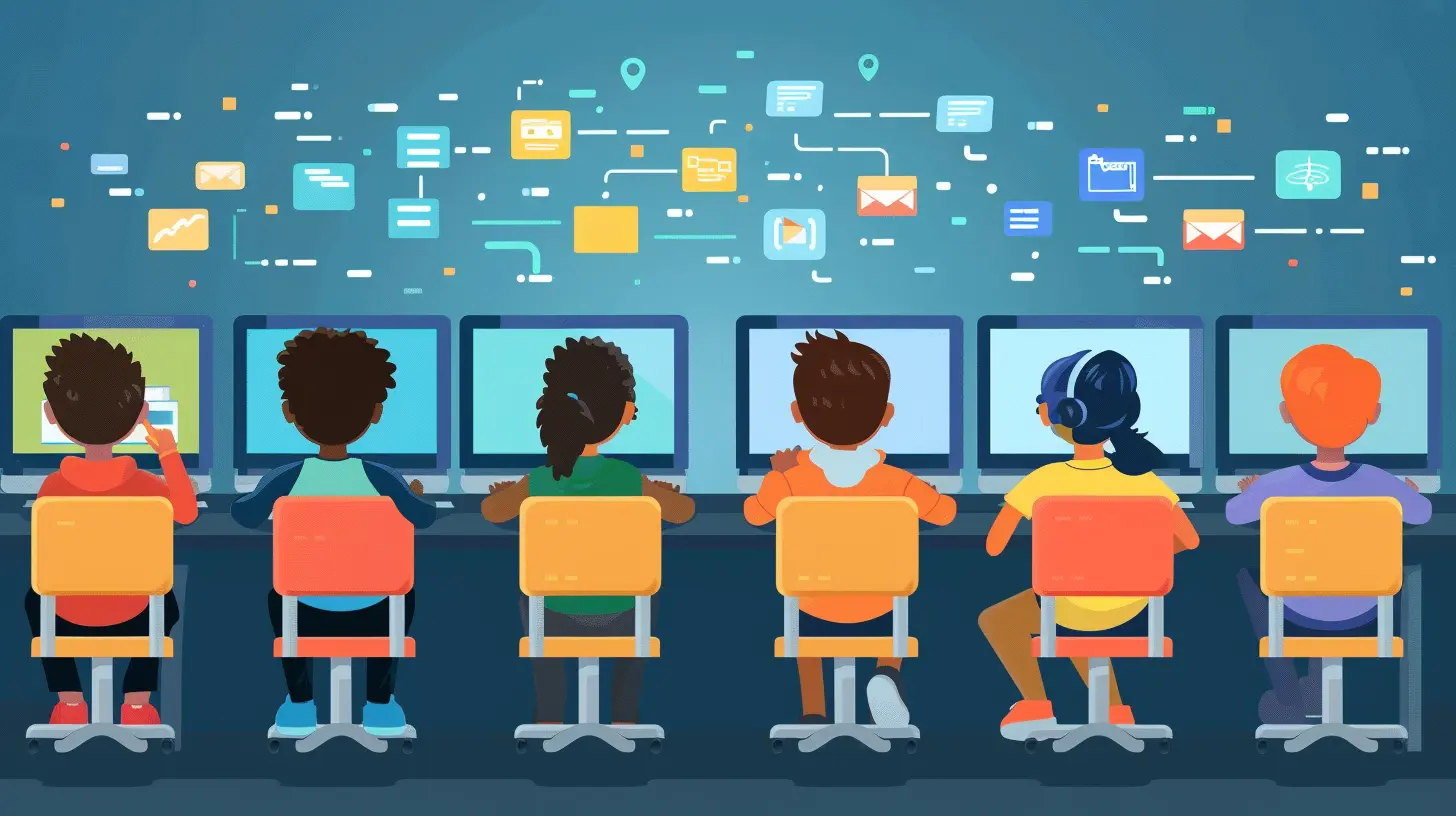
Teaching Coding Early: Why It Works
You wouldn’t wait until high school to teach kids how to speak or do math, right? The same goes for coding. The earlier, the better.Young Brains Are Wired for Language Learning
Kids' brains are like sponges. They’re already primed to pick up patterns, syntax, and logic—which makes learning coding (a symbolic language) way easier when introduced early.Plus, coding doesn’t have to be boring. There are tons of kid-friendly platforms like:
- Scratch – Build animations and games with drag-and-drop blocks.
- Tynker – Offers lessons with Minecraft mods and Disney characters.
- Code.org – Features fun tutorials from Frozen, Star Wars, and Angry Birds.
These tools turn coding into playtime. And when learning feels like fun, students actually want to do it.
Builds Confidence and Curiosity
When students successfully write their first program—even if it just makes a cat meow or moves a cartoon dog—they feel empowered. They built something from nothing. That sense of accomplishment is addicting and builds self-esteem.And guess what? That confidence transfers to other subjects, especially math and science.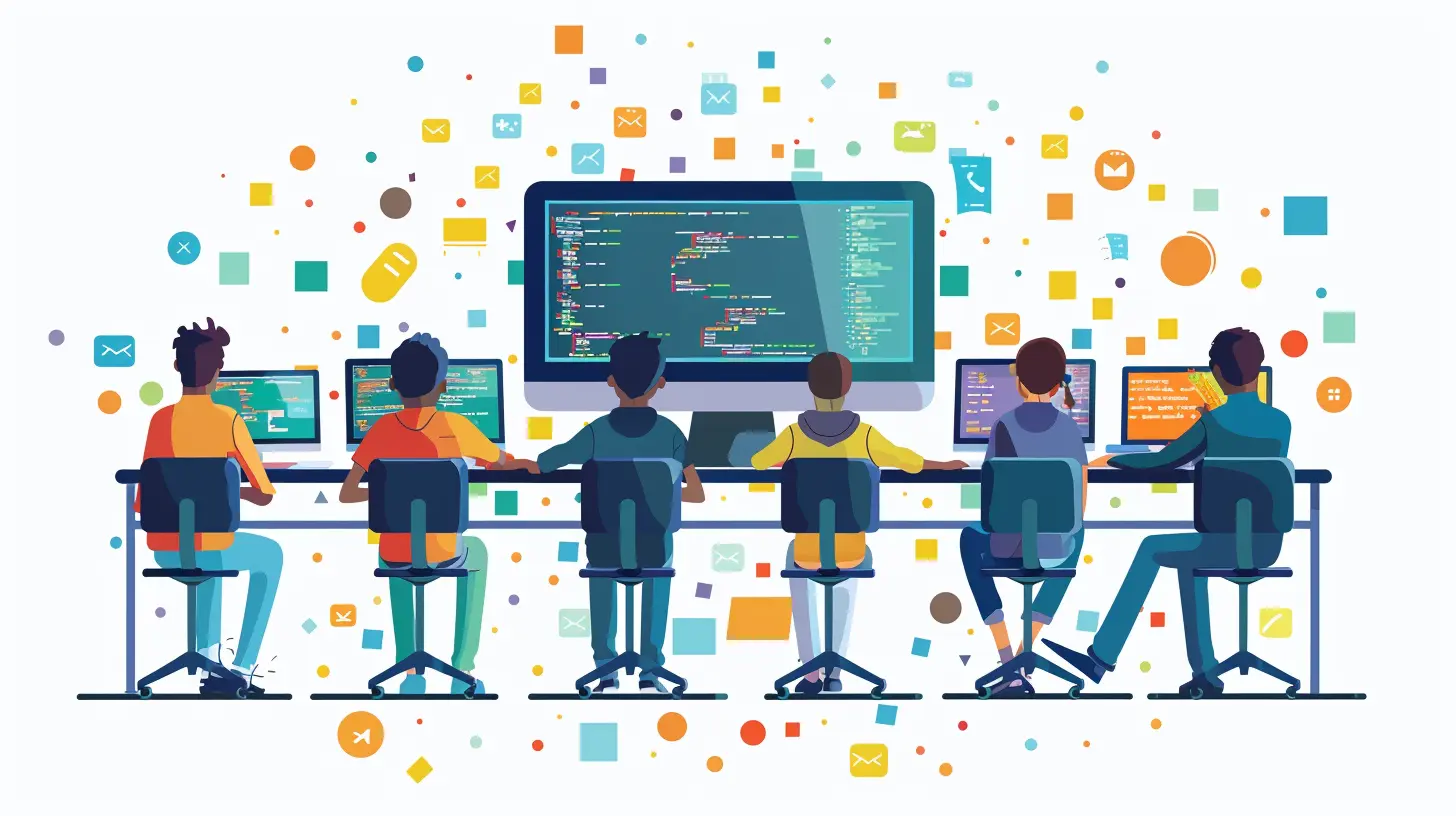
Not Just for the "Smart Kids"
Let’s bust a myth real quick: You don't need to be a math whiz or tech genius to learn how to code.Coding is for everyone. It’s like learning an instrument. Not everyone who learns the piano becomes Mozart, but they still gain valuable skills. Same with code. You don’t have to work for Google to benefit from learning it.
In fact, coding can level the playing field. It helps students from all backgrounds access high-paying jobs and digital entrepreneurship opportunities. A kid from a rural town can build a website or app that goes viral just as easily as someone in Silicon Valley.
Real Talk: What Jobs Will Look Like Tomorrow
Want to future-proof your child’s (or student’s) career? Give them coding skills. Let’s peek into some emerging job roles that will depend on code:1. AI/ML Engineers
With AI booming, there's a massive demand for people who can train machines to "think" and learn. That all starts with code.2. Data Scientists
These folks help companies make decisions using data. They need programming languages like Python and R.3. Web & App Developers
From shopping sites to mobile apps, developers use code to build the platforms we use daily.4. Cybersecurity Analysts
With all our info stored online, we need people who can protect it. Coding is key to understanding how systems work (and how hackers might break them).5. Automation Specialists
More companies are using robots and AI to handle tasks—from chatbots to warehouse drones. Coding keeps those systems running smoothly.Bonus: Jobs That Don’t Even Exist Yet
Think about it—20 years ago, nobody was a social media manager or drone operator. Imagine what new jobs will pop up in the next 20.Schools Must Evolve (Like, Now)
Traditional curricula haven’t caught up with the digital wave. Many schools still treat computer science like an elective—on par with pottery or film studies. That’s a problem.Coding Should Be Core, Not Optional
We don’t teach reading or math only to those interested in becoming authors or accountants. So why is coding still optional?If we want to raise a generation ready for tomorrow’s workforce, we need to make coding as central as science and reading.
Train the Teachers, Too
Another catch? Many teachers aren’t comfortable teaching code. They either didn’t learn it themselves or find it intimidating.But with professional development programs, online certifications, and easy-to-use platforms, educators can learn alongside their students. Actually, learning together can be a bonding experience (and pretty fun, too).
Making Coding Accessible to All Students
Let’s be real: Not every school has the budget for a full-blown computer science lab. But that shouldn’t stop students from learning to code.Here are some practical ways to make coding more accessible:
1. Use Free Tools and Platforms
Sites like Code.org, GitHub, and Khan Academy offer free resources. Even YouTube has thousands of tutorials!2. Start Coding Clubs
Teachers or even tech-savvy parents can host after-school coding clubs to make learning fun without pressure.3. Partner With Tech Companies
Many tech companies offer grants, mentorships, and equipment to schools interested in teaching STEM skills.4. Include More Girls and Minorities
The tech industry has a diversity problem. Schools can help fix it by being intentional about who’s encouraged to join coding classes and clubs.Coding Is the New Bilingual
When we say “coding as a second language,” we’re not joking. Just like being bilingual opens doors in a global economy, coding opens doors in a digital one.Being fluent in code is like holding a passport to the future. Students can travel across industries, pivot careers, and solve real-world problems—armed with logic, creativity, and a handful of powerful programming languages.
Think about it: one kid who learns to code today could be the one to invent the next life-saving medical app or game-changing social platform.
Final Thoughts: Let’s Speak the Language of the Future
We don’t know exactly what jobs will look like in 20 or 30 years. But we do know they’ll involve code, automation, and technology that’s smarter than ever. Preparing our kids to speak the language of tech is one of the best moves we can make.So, whether you’re a parent, teacher, or just someone who cares about kids and their future—push for coding in the classroom. Encourage it at home. Get excited about it.
Because when students learn to code, they’re not just learning how to program. They’re learning how to think, create, and thrive in a world that’s changing faster than ever.
all images in this post were generated using AI tools
Category:
Coding In SchoolsAuthor:

Charlotte Rogers
Discussion
rate this article
12 comments
Gabriella McVaney
This article effectively highlights the importance of coding skills in today's job market, emphasizing the need for educational programs that equip students with essential digital competencies for future success.
February 10, 2026 at 4:48 AM
Charlotte Rogers
Thank you! I'm glad you found the article insightful. Coding skills are indeed vital for future job success, and it's crucial we prioritize educational programs that foster these competencies.
Abram Kline
Essential skill for future success!
December 26, 2025 at 11:41 AM
Charlotte Rogers
Absolutely! Coding equips students with critical problem-solving skills and adaptability essential for the jobs of tomorrow.
Starling Wallace
Empowering students with coding skills equips them for future job opportunities.
November 21, 2025 at 8:17 PM
Charlotte Rogers
Absolutely! Coding skills enhance problem-solving abilities and creativity, making students more competitive in the job market.
Naya McCarty
This article beautifully highlights the importance of coding in education. As technology evolves, equipping students with these skills is essential for their future. Grateful for the insights shared here—truly an important conversation!
October 25, 2025 at 8:25 PM
Charlotte Rogers
Thank you for your thoughtful comment! I'm glad you found the insights valuable—coding truly is essential for preparing students for the future.
Darrow McGinn
This article beautifully highlights the importance of coding in education. Equipping students with these skills not only prepares them for future careers but also empowers them to navigate an increasingly digital world.
September 23, 2025 at 8:27 PM
Charlotte Rogers
Thank you for your thoughtful comment! I'm glad the article resonated with you and emphasized the crucial role of coding in education.
Idris Smith
Great insights! Teaching coding empowers students and opens doors to future opportunities.
August 20, 2025 at 11:31 AM
Charlotte Rogers
Thank you! I'm glad you agree—coding truly is a vital skill for the future!
Robert Hubbard
Thank you for this insightful article! It’s encouraging to see the emphasis on coding as an essential skill for future job markets. Preparing students with this "second language" will undoubtedly empower them and open up countless opportunities. I look forward to seeing how educational programs evolve to incorporate these vital skills!
July 31, 2025 at 4:17 AM
Charlotte Rogers
Thank you for your thoughtful comment! I'm glad you found the article insightful and share the excitement about the future of coding in education.
Finley Hughes
This article beautifully highlights the importance of coding as a vital skill for future job markets. Embracing coding as a second language empowers students to thrive in our tech-driven world.
July 10, 2025 at 5:08 AM
Charlotte Rogers
Thank you! I'm glad you found the article resonates with the importance of coding in today's job market. Embracing it truly equips students for future success.
Xena Hardy
In an increasingly digital world, coding isn't just a skill—it's a new literacy. Equipping students with this 'second language' unlocks opportunities and fosters creativity, ensuring they're ready for the jobs of tomorrow.
July 9, 2025 at 12:20 PM
Charlotte Rogers
Absolutely! Coding empowers students with essential problem-solving skills and creativity, preparing them for a digitally-driven future. It's crucial for their success in tomorrow's job market.
Thalwen McConkey
This article raises fascinating points about the necessity of coding for future careers! How can educators effectively integrate coding into existing curricula, and what specific skills should we prioritize to truly prepare students for tomorrow's workforce?
July 8, 2025 at 7:58 PM
Charlotte Rogers
Thank you for your insights! Educators can integrate coding by incorporating project-based learning and interdisciplinary approaches. Prioritizing problem-solving, critical thinking, and collaboration skills alongside coding fundamentals will best prepare students for the future workforce.
Laura McKenzie
Emphasizing coding skills prepares students for future opportunities, fostering creativity and problem-solving in diverse fields.
July 8, 2025 at 2:32 AM
Charlotte Rogers
Thank you for your comment! I completely agree—coding not only equips students with essential job skills but also enhances their creativity and critical thinking, making them adaptable in a rapidly evolving job landscape.
Coral McKellar
While emphasizing coding as a crucial skill for future employment, it's vital to ensure that education also fosters critical thinking and creativity. Balancing technical proficiency with soft skills will better equip students for a rapidly evolving job market.
July 7, 2025 at 12:56 PM
Charlotte Rogers
I completely agree! Balancing coding with critical thinking and creativity is essential for preparing students for the dynamic job market of the future.
MORE POSTS

Mindful Breathing Exercises to Calm Classroom Chaos

Lesson Plans for Inquiry-Based Learning in the Science Classroom

Historical Simulations: Bringing History Lessons to Life

How to Create Culturally Relevant and Engaging Lesson Plans

The Magic of Storytelling in Early Childhood Education

Introducing Reading Concepts Through Playful Experiences

Incorporating Community Involvement into Project-Based Learning

How to Build a Support Network for Your Educational Journey