Mindful Breathing Exercises to Calm Classroom Chaos
1 April 2026
Let’s be real for a moment—classrooms can get chaotic. One minute it's peaceful, the next, it feels like a whirlwind of chatter, rustling papers, and flying pencils. Teachers are trying to teach, students are trying to learn (well, most of them), and everyone’s stress levels are quietly rising. So what's an educator to do when the room feels like a storm rather than a space for learning?
Here's the answer—mindful breathing. It might sound simple, even a bit too "zen" for a rowdy classroom, but stay with me. Teaching kids how to breathe intentionally isn’t just about calming them down—it's about giving them (and you) a powerful tool to refocus, reduce anxiety, and create a more peaceful learning environment. And the best part? It only takes a few minutes a day.
In this article, we're diving into mindful breathing exercises you can start using immediately to tame the classroom chaos and bring a little more calm into everyone’s school day.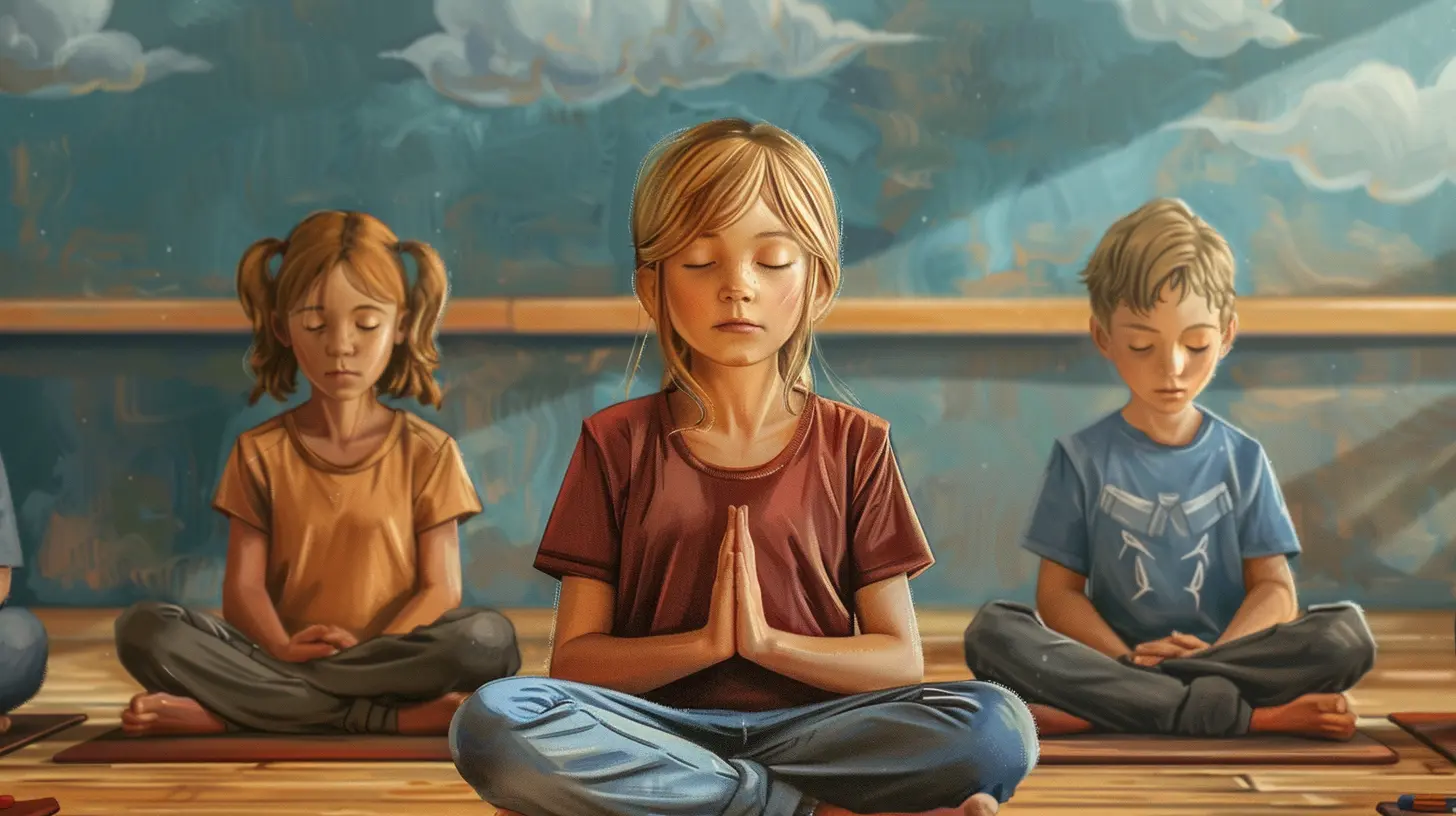
What Is Mindful Breathing Anyway?
Let’s break it down. Mindful breathing is just paying attention to your breath on purpose. Sounds basic, but think about the last time you actually noticed your breathing. Not often, right?For kids (and adults), intentional breathing helps slow down racing thoughts, eases tension, and shifts focus back to the moment. It’s like hitting the “reset” button for the brain.
And here’s the secret sauce: it works wonders in a classroom setting. It doesn’t require fancy equipment or deep yoga knowledge. Just a few deep breaths, some focus, and a bit of practice.
Why Classrooms Need Mindful Breathing
If you’re a teacher, you already know—kids today are dealing with a lot. Academic pressure, social media, family stuff, mental health challenges…it piles up. Many students walk into school already carrying emotional backpacks heavier than their actual ones.Add in the normal classroom hustle—tests, behavioral issues, distractions—and it’s a recipe for stress and disconnection. That’s where mindful breathing can make all the difference:
- Regulates emotions
- Reduces anxiety
- Improves focus and attention
- Boosts classroom cooperation
- Creates a calming atmosphere
Imagine having a classroom where students actually know how to calm themselves down before a meltdown. Yeah, it’s possible.
The Science Behind It (But Keepin' It Simple)
We won’t get too geeky, but here’s a quick look at the brain stuff.When we breathe deeply and slowly, it activates the parasympathetic nervous system—aka the "rest and digest" system. This helps decrease our heart rate, lower blood pressure, and shift us out of “fight or flight” mode.
In other words, it helps the brain chill out and focus. And for kids who struggle with impulse control or high emotions, that’s pure gold.
Getting Started: Setting the Stage for Mindful Breathing
You don’t need to turn your classroom into a meditation studio. Just carve out a tiny ritual or routine. Here’s how you set it up:1. Pick the Right Time
Try it at the start of the day to set a calm tone, after a transition (like recess or lunch), or before a test. You can also use it as an emergency tool when things start bubbling over.2. Keep It Short
You’re not running a yoga retreat here. Start with 2 to 3 minutes. Even 60 seconds can make a difference.3. Make It Routine
The more consistent you are, the more effective it becomes. Like brushing your teeth—it’s weird at first but becomes second nature.4. Model It Yourself
Kids follow your lead. If you're calm and doing the breathing too, they’ll take it more seriously. Plus, you probably need a breather too!7 Mindful Breathing Exercises for the Classroom
Okay, let’s get practical. Here are some tried-and-true breathing exercises tailor-made for classrooms. No crystals, incense, or chanting required.1. Box Breathing (aka Square Breathing)
This one’s a favorite with athletes and Navy SEALs. If it works for them, it can definitely work for your 3rd graders.How it works:
- Inhale for 4 seconds
- Hold for 4 seconds
- Exhale for 4 seconds
- Hold for 4 seconds
- Repeat for a few rounds
Have students picture drawing a square in the air with their finger as they breathe—each side represents one of the breathing parts.
2. Balloon Belly
Perfect for younger kids who need something visual and tangible.How it works:
- Place hands on the belly
- Inhale deeply through the nose and imagine the belly inflating like a balloon
- Exhale slowly through the mouth and feel the belly deflate
- Try it for 5 breaths, focusing on the rise and fall
It’s silly, but it engages the body and helps kids really feel their breath.
3. Five-Finger Breathing
This one doubles as a tactile activity. Great for kids who need something physical to focus on.How it works:
- Hold one hand up like a star
- With the index finger of the other hand, trace up and down each finger
- Inhale going up, exhale going down
- One full hand = five deep breaths
It gives them something to do with their hands and keeps their attention on the breath.
4. Smell the Flower, Blow Out the Candle
Super simple. Perfect for younger grades or hyper moments.How it works:
- Pretend to hold a flower: “Smell the flower” = deep inhale
- Pretend to hold a candle: “Blow out the candle” = long slow exhale
- Repeat for a few rounds
You can even bring in a fake flower and a candle (battery operated works great) for extra impact.
5. One-Minute Breath Break
This one’s all about simplicity. Just stop and breathe—though guided!How it works:
- Set a timer for 60 seconds
- Everyone closes their eyes or looks down
- Breathe in slowly, breathe out slowly
- Focus only on the breath
This can become a quick reset button anytime chaos starts bubbling.
6. Lazy 8 Breathing
This brings movement into it, which is awesome for wigglers.How it works:
- Draw or trace an “8” lying on its side (∞)
- Start in the middle
- Trace the left loop while inhaling
- Trace the right loop while exhaling
- Repeat a few times at their own pace
It’s rhythmic and calming, and kids love the “infinity ninja” trick.
7. Breathing Buddies
A great group or partner activity that adds a bit of fun and connection.How it works:
- Everyone gets a small stuffed animal (or bean bag)
- Lie back with the buddy on their belly
- Watch the buddy rise and fall with each breath
- Talk about how it moved and how they feel after
It’s adorable and builds breathing awareness in a cute way.
Tips for Success (And Common Pitfalls to Avoid)
Let’s face it—introducing mindfulness in a classroom full of energetic kids can feel like trying to teach a cat to swim. It doesn’t always go smoothly. Here are some tips to keep you going:- Don’t force it – Some kids might giggle or resist at first. That’s okay. Let it be fun and relaxed.
- Be consistent – Like any classroom routine, the more you integrate it, the more normal it becomes.
- Give it time – Results won’t be instant. But over time, you’ll see shifts in attention, behavior, and even emotional intelligence.
- Get the buy-in – Explain why you're doing it. Kids love knowing the “why.” It’s not just breathing—it’s brain training!
- Adapt for age – Younger kids need visuals and imagination. Older students appreciate the science and autonomy.
Benefits That Go Beyond the Classroom
Here’s the thing—these breathing tools aren’t just for school hours. Once students learn how to self-regulate, they can carry that skill for life.Think about it. A kid who knows how to calm down before a test, or before getting angry, or during a tough moment at home? That’s a life skill. It’s like giving them an emotional toolkit they can pull out anytime.
And for you, the teacher? Breathing exercises can bring a sense of peace and control amidst the chaos. It's a win-win.
Final Thoughts: Tiny Breaths, Big Changes
Mindful breathing might feel too tiny to make a big impact, but don’t underestimate its power. In the swirl of classroom chaos, a few mindful moments can create a ripple effect—calmer students, smoother transitions, deeper focus, even more kindness.So take a minute. Breathe in. Breathe out. Then pass it on. Who knew the journey to a calmer classroom could start with something as small as...a breath?
all images in this post were generated using AI tools
Category:
Mindfulness In EducationAuthor:

Charlotte Rogers
Discussion
rate this article
4 comments
Jessamine Abbott
This article on mindful breathing is intriguing! I wonder how these exercises can be tailored for different age groups and whether they truly enhance focus in chaotic classroom environments. Any insights?
July 5, 2026 at 4:16 AM
Charlotte Rogers
Thank you for your interest! Mindful breathing can indeed be tailored for various age groups by adjusting the techniques and duration. For younger students, simple counting or guided imagery works well, while older students might benefit from more structured practices. These exercises have been shown to enhance focus by promoting calmness, which can effectively reduce chaos in the classroom.
Henry Alvarez
Because screaming at them is so passé.
April 30, 2026 at 3:18 AM
Charlotte Rogers
Thank you for your input! Mindful breathing offers a more constructive approach to managing chaos.
Myles McTavish
Love this! Mindful breathing is such a simple yet powerful tool. It's amazing how a few deep breaths can transform the classroom vibe and help everyone find a moment of peace. Great tips!
April 16, 2026 at 12:23 PM
Charlotte Rogers
Thank you! I'm glad you found the tips helpful. Mindful breathing truly can make a big difference in creating a calm classroom environment.
Orion Montgomery
Mindful breathing is a powerful tool to create tranquility in the classroom. By incorporating these exercises, we empower our students to find calm amidst chaos, fostering focus and resilience. Let's embrace these moments of mindfulness to inspire a more peaceful and productive learning environment!
April 15, 2026 at 10:32 AM
Charlotte Rogers
Thank you for your insightful comment! I completely agree that mindful breathing can greatly enhance tranquility and focus in the classroom. Embracing these exercises truly nurtures a positive learning environment.