How to Create Culturally Relevant and Engaging Lesson Plans
27 June 2025
Let’s face it — lesson planning can sometimes feel like a never-ending jigsaw puzzle. You’ve got standards to meet, learning outcomes to hit, and about a hundred different student needs to consider. But here’s the thing: when students see themselves, their culture, and their experiences reflected in what they’re learning, something magical happens. They engage. They question. They connect. That's the power of culturally relevant teaching. So, if you're wondering how to bring that magic into your lesson plans, you're in the right place.
In this guide, we’re breaking down exactly how to create culturally relevant and engaging lesson plans that not only capture attention but also build bridges between content and culture.
What Is Culturally Relevant Teaching (CRT), Anyway?
Before we dive into the "how," let’s unpack the "what."Culturally Relevant Teaching—often abbreviated as CRT—is an approach to education that recognizes the importance of including students' cultural references in all aspects of learning. But it’s not just about adding a few cultural holidays to the calendar. Nah, it runs deeper than that.
It’s about validating students' backgrounds, experiences, and identities while pushing them to think critically, reflect, and engage with the world around them. We’re talking about a mindset shift here—one that says, “Every student belongs, and every story matters.”
Why Does Cultural Relevance Matter in Lesson Planning?
Let’s be real—students check out when they don’t feel seen. If your lesson on literature, history, or even math feels disconnected from their lives, attention drops faster than a Wi-Fi signal during a Zoom call.But when lessons are culturally relevant, students:
- Feel more included and respected.
- Participate more actively.
- Develop critical thinking by comparing diverse perspectives.
- Strengthen their identity and academic performance.
So yeah, cultural relevance isn't just a warm-and-fuzzy idea. It’s a game-changer.
Step-By-Step Guide to Creating Culturally Relevant and Engaging Lesson Plans
1. Know Your Students (Like, Really Know Them)
This isn't just about learning names and favorite snacks. Dig deeper.- What languages are spoken at home?
- What communities do your students belong to?
- What traditions, stories, or experiences shape their worldview?
Building a culture of curiosity and mutual respect sets the foundation. If you're not sure where to start, use surveys, icebreakers, or student-led discussions to gather insights.
📌 Tip: Keep a “Student Culture Notebook” to jot down what you learn about your students throughout the year. It’s the ultimate cheat sheet for planning.
2. Reevaluate Your Curriculum Through a Cultural Lens
Let’s be honest—most standard curriculums weren’t designed with diversity in mind. But that doesn’t mean you can’t remix the content to reflect a wider range of stories and perspectives.Ask yourself:
- Who is represented in this lesson?
- Who is missing?
- Whose voice is being amplified, and whose is being silenced?
You don’t need to throw everything out. Sometimes, it’s just about shifting the focus or adding parallel narratives.
Example: Teaching Shakespeare? Cool. Pair it with excerpts from African or Indigenous literature exploring similar themes like power, betrayal, or fate.
3. Make Room for Student Voice and Choice
Here’s a secret: students are more invested when they have a say.Whether it’s choosing a research topic, presenting in different formats (video, art, skit), or contributing examples from their own community, giving students agency makes lessons more engaging AND more culturally relevant.
Let them co-create—they’ll bring perspectives you’ve never even considered.
4. Use Diverse Resources and Media
Textbooks are fine, but let’s not stop there.Try including:
- Podcasts from POC creators
- Films or documentaries from different cultures
- Music, artwork, and oral histories
- Social media posts reflecting current cultural moments
Mixing up your media brings life to lessons and makes them more dynamic. Plus, it reflects how students actually consume information in the real world.
5. Embed Real-World Issues
Want students to lean in instead of doze off? Connect lessons to what’s happening in the world.Discuss immigration during history lessons, equity and access in science or technology, or representation in media during English. Use the news. Use their neighborhood. Use their lived experience.
When content meets relevance, interest skyrockets.
6. Encourage Critical Thinking About Culture and Identity
We’re not just teaching facts—we’re helping students understand themselves and the world.Ask questions like:
- How does culture shape our perspective?
- What does justice look like to different communities?
- How do systems impact people differently?
These aren’t “extra credit” questions. They’re essential. Encourage open dialogue and respectful disagreement. That’s where the deep learning happens.
7. Celebrate Multiculturalism Without Stereotyping
It’s easy to fall into the trap of the “food, flags, and festivals” version of diversity. Yes, it's great to celebrate cultural holidays, but culturally relevant teaching is about more than surface-level representation.Dig into stories of resistance, resilience, and contribution. Show students the complexity and diversity within cultures—not just a stereotypical snapshot.
8. Reflect, Reflect, Reflect
Teaching isn't a one-and-done type of thing. After each lesson, take a moment to reflect:- Did all students feel included?
- Was I unintentionally biased or making assumptions?
- What could I do better next time?
Better yet, ask your students for feedback. They’ll tell you exactly what resonated and what didn’t—usually with brutal honesty!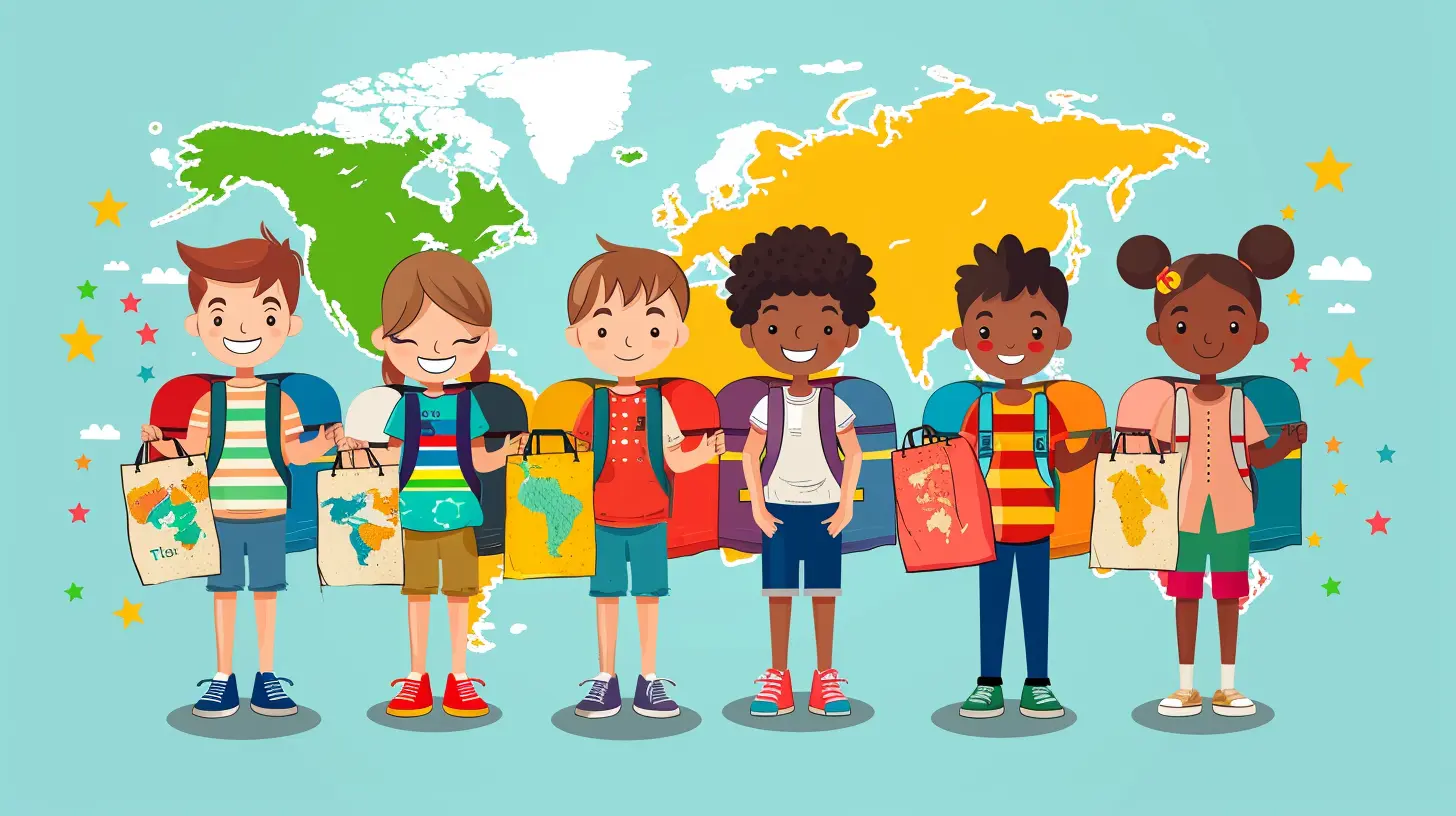
Common Challenges (And How to Crush Them)
Even with the best intentions, there are roadblocks. But guess what? You’re not alone. Let’s tackle some common hurdles.“I Don’t Know Enough About Other Cultures”
That’s okay! You’re not expected to be an expert on every culture. Be a learner alongside your students. Invite guest speakers, use authentic resources, or even let students “teach” about their own cultures. Approach it with humility and curiosity.“I’m Worried About Saying the Wrong Thing”
Hey, we’ve all been there. But silence isn’t safer; it’s just less honest. Mistakes are part of the process. If you mess up, own it, apologize, and do better. Students respect authenticity over perfection.“I Don’t Have Time to Redesign Everything”
Start small. Begin with one unit or one lesson. Over time, those small shifts add up. You don't need to overhaul your entire curriculum overnight—just take the first step.The Ripple Effect: Benefits Beyond the Classroom
When you create lessons that honor diversity, you're not just teaching a subject—you’re shaping future citizens. Students become:- More empathetic
- Better communicators
- More open-minded
- Stronger critical thinkers
You're lighting a fire that burns way beyond your classroom walls.
Wrapping It Up: Your Role as a Culture Conductor
You’re more than a teacher—you’re a bridge builder. Every time you design a lesson that reflects and respects the diversity of your students, you’re helping them feel seen, heard, and valued. And trust me, they notice.So, go ahead—grab that planner or Google Doc and start weaving in the stories, experiences, and issues that matter. The results? More engagement, deeper understanding, and a classroom culture that celebrates every learner.
And hey, when your students are hooked, the standards sort of take care of themselves.
Final Thoughts: Key Takeaways
- Culturally relevant lessons start with knowing your students deeply.- Rework existing curriculum to reflect multiple voices.
- Provide choice and agency to boost engagement.
- Integrate media and resources that reflect today’s world and diverse cultures.
- Make reflection a habit—for you AND your students.
Culturally relevant teaching isn’t trendy—it’s transformative. Let’s do this.
all images in this post were generated using AI tools
Category:
Lesson PlansAuthor:

Charlotte Rogers
Discussion
rate this article
12 comments
Oren McNair
Embrace diversity to inspire deeper student connections.
February 9, 2026 at 5:19 AM
Charlotte Rogers
Absolutely! Embracing diversity fosters inclusive environments that enhance student engagement and connection, enriching the learning experience for all.
Xylo Collins
Sprinkle some culture and creativity into lessons—learning is way more fun that way!
December 26, 2025 at 4:50 AM
Charlotte Rogers
Absolutely! Infusing culture and creativity makes lessons more dynamic and relatable, enhancing the learning experience for all students.
Zeal Fry
This article provides valuable insights into creating lesson plans that resonate with diverse student backgrounds. Emphasizing cultural relevance fosters engagement and inclusivity, enhancing the overall learning experience for all students.
November 18, 2025 at 8:38 PM
Charlotte Rogers
Thank you for your thoughtful comment! I'm glad you found the insights on cultural relevance helpful in fostering engagement and inclusivity.
Aaron Henson
Incorporating diverse perspectives enriches learning; let's inspire creativity and connection in our classrooms!
October 22, 2025 at 8:58 PM
Charlotte Rogers
Absolutely! Embracing diverse perspectives not only enhances learning but also fosters creativity and connection among students. Let's make our classrooms inclusive!
Elin McVaney
Plan like a cultural ninja!
September 21, 2025 at 4:02 AM
Charlotte Rogers
Exactly! Embracing cultural insights can elevate our lesson plans and engage students on a deeper level!
Elara Ramirez
This article offers valuable insights into crafting culturally relevant lesson plans. By emphasizing the importance of inclusivity and engagement, it encourages educators to consider diverse perspectives. Incorporating students' backgrounds can enhance learning experiences and foster a more supportive classroom environment. A commendable approach to modern teaching practices!
August 19, 2025 at 4:14 AM
Charlotte Rogers
Thank you for your thoughtful feedback! I'm glad you found the insights on inclusivity and diverse perspectives valuable for enhancing learning experiences.
Elias Wade
Make learning a fiesta! Celebrate cultures and watch your students dance with excitement!" 🎉📚
July 26, 2025 at 11:18 AM
Charlotte Rogers
Absolutely! Incorporating cultural celebrations into lessons not only enriches the learning experience but also fosters inclusivity and enthusiasm among students. Let's keep the fiesta going! 🎉
Juliet Peterson
Great tips! Integrating culture enhances student engagement and understanding.
July 5, 2025 at 10:37 AM
Charlotte Rogers
Thank you! I'm glad you found the tips helpful—cultural integration truly makes a difference in student engagement.
Summer Duke
Empower students by integrating their diverse cultures meaningfully.
July 4, 2025 at 8:58 PM
Charlotte Rogers
Absolutely! Integrating diverse cultures enriches the learning experience and fosters a sense of belonging, helping students connect with the material on a deeper level.
Peyton Mercado
Creating culturally relevant lesson plans fosters inclusivity and engagement, allowing students to connect personally with the material. Emphasizing diverse perspectives enriches learning and cultivates a deeper understanding of the world.
July 2, 2025 at 3:42 AM
Charlotte Rogers
Thank you for your insight! I completely agree that incorporating diverse perspectives is essential for fostering engagement and inclusivity in the classroom.
Amira Monroe
In lesson plans, let cultures blend, Where stories and voices from all ascend. Engage the heart, ignite the mind, In every student, a spark you'll find. Create, connect, and inspire—unwind.
June 30, 2025 at 8:44 PM
Charlotte Rogers
Thank you for your beautiful reflection! Embracing diverse cultures truly enriches our lesson plans and ignites true learning in our students.
Stephanie Rodriguez
Great insights! Culturally relevant lesson plans can truly transform learning experiences. Excited to implement these ideas in my classroom!
June 27, 2025 at 8:23 PM
Charlotte Rogers
Thank you! I'm glad you found the insights helpful. Excited for you to implement them!
MORE POSTS

Strategies for Tackling Standardized Test Anxiety

Nurturing Curiosity: STEM for Preschoolers

How Music Educators Can Foster Inclusivity in the Classroom
How to Use Exit Tickets for Real-Time Feedback

Making STEM Accessible: How Coding Levels the Playing Field

The Role of Community Colleges in Adult Education

Building Emotional Connections with Books: Enhancing Early Literacy

Strategies for Reducing Test Anxiety in the Classroom