Understanding the Stages of Early Childhood Social Development
7 March 2026
We all know the early years of childhood are filled with learning, play, and curiosity. But did you know that these years are also crucial for developing social skills? Just like a little seed that grows into a tree, kids go through different stages of social development. Understanding these stages can help parents, caregivers, and teachers provide the right support at the right time. Let’s dive into the stages of early childhood social development and break them down, so you know exactly what to expect.
What Is Early Childhood Social Development?
Before we get into the nitty-gritty, let’s first define what we mean by "social development." In simple terms, social development refers to how children learn to interact with others—family, friends, caregivers, and even strangers. It's about learning how to form relationships, communicate, and behave in social settings.Social development is a huge part of a child's overall growth. It plays a role in their emotional well-being, their ability to form friendships, and even how they perform academically in school. Basically, the social skills they pick up now will shape how they handle relationships in the future.
Now, let's break it down stage by stage, shall we?
The Stages of Early Childhood Social Development
1. Infancy (0-2 years): The Foundation of Trust
Infants aren't exactly social butterflies, but that doesn't mean social development isn't happening. In fact, this stage is all about laying the groundwork. For babies, their first "social relationship" is with their primary caregivers, usually their parents.Key Milestones:
- Attachment: This is the period where babies form strong emotional bonds with their caregivers. Ever notice how a baby cries when separated from mom or dad? That’s attachment in action. If the baby feels secure and loved, they develop what psychologists call "secure attachment." This is essential for future relationships.
- Communication: Although babies can’t talk just yet, they start to communicate through coos, cries, and giggles. They also begin to recognize familiar faces and respond to voices.
- Smiling and Imitation: Around 6-8 weeks, babies start smiling in response to others. By the end of this stage, they’ll begin imitating facial expressions and sounds.
Why It Matters: This stage teaches babies that they are loved and cared for. They learn to trust the world around them, which sets the stage for future social interactions.
2. Toddlerhood (2-3 years): The "Me, Mine, and No!" Phase
Ah, the toddler years. This is when your little one starts asserting their independence. You’ll hear a lot of "No!" and "Mine!" during this time. But don’t worry; this is all part of the process. Toddlers are figuring out their sense of self while also beginning to understand that other people have feelings and needs too.Key Milestones:
- Parallel Play: Ever notice how toddlers will play next to each other but not with each other? This is called parallel play. It’s their first step toward social interaction, even though they're not quite ready to share or collaborate.
- Empathy Begins: Around age 2, toddlers start to show signs of empathy. They may try to comfort a crying friend by offering a toy or patting them on the back. It’s their way of showing they recognize others' feelings.
- Language Development: This is also the time when language skills explode. Toddlers start using words to express what they want, need, or feel. This helps them navigate social interactions more effectively.
Why It Matters: This stage is all about self-awareness and early empathy. Toddlers begin to understand that they are individuals but also part of a bigger social world.
3. Preschool (3-5 years): The Age of Social Interaction
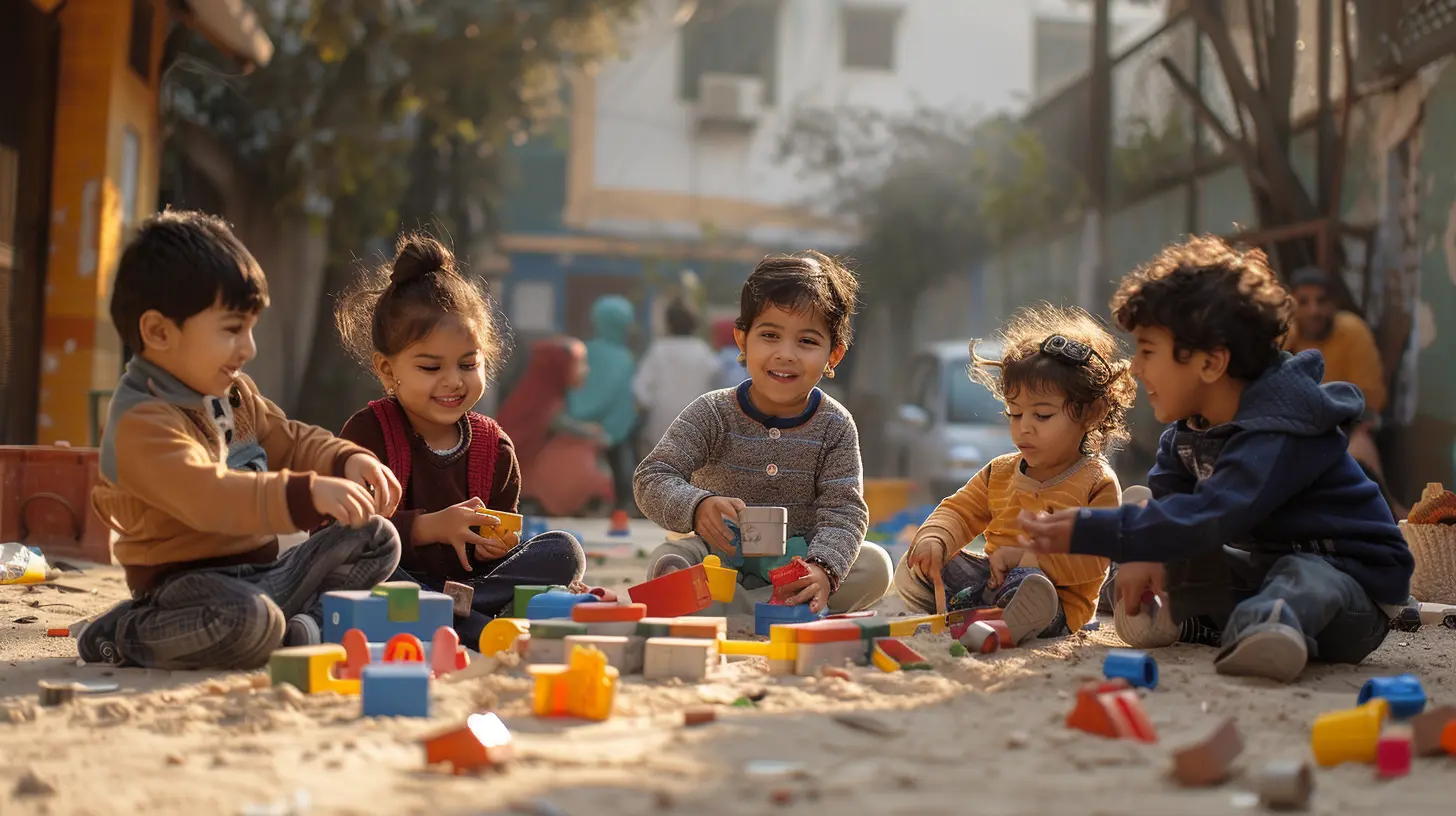
By the time kids hit preschool, they’re a lot more social. They’ve moved beyond parallel play and are now engaging in "associative play" or "cooperative play." This is when real friendships start to form, and children learn more about social norms like sharing, taking turns, and resolving conflicts.Key Milestones:
- Cooperative Play: Unlike toddlers, preschoolers start to play together. They engage in group activities, like building a block tower or playing house. This is a big leap in social development because it requires communication, compromise, and teamwork.
- Role Play and Imagination: Preschoolers love to play pretend, whether they’re pretending to be a superhero, a chef, or a teacher. This kind of imaginative play helps them understand different social roles and relationships.
- Learning Social Rules: In this stage, kids start to learn that there are rules to social interactions. They begin to grasp concepts like fairness and justice, although they may still struggle with these ideas at times.
Why It Matters: Preschool is a time when kids really start to understand how to be part of a group. They learn important social skills like cooperation, communication, and conflict resolution.
4. Early School Age (5-7 years): The Friends and Feelings Stage
As children enter school, their social world expands dramatically. Suddenly, they’re spending most of their day with peers rather than family members. Friendships become more important, and kids start to form social groups.Key Milestones:
- Friendships: At this stage, friendships become deeper and more meaningful. Kids start to choose friends based on shared interests, and they begin to understand the concept of loyalty.
- Group Dynamics: Children also begin to understand group dynamics. They may form small "cliques" or social groups, and they start to notice differences between people (gender, race, personality, etc.). This is also when kids may first experience peer pressure.
- Emotional Regulation: Kids in this stage are better at controlling their emotions. They can handle losing a game without throwing a tantrum (most of the time). They’re also more aware of others' feelings and may become more sensitive to issues like fairness and inclusion.
Why It Matters: This stage is critical for developing long-term social skills. Kids learn how to make and maintain friendships, manage group dynamics, and navigate the emotional ups and downs that come with social interactions.
5. Late Childhood (7-9 years): The Emotional Understanding Stage
By the time kids reach late childhood, they have a pretty solid grasp of social interactions. They’ve learned the basics of making friends, resolving conflicts, and understanding others' emotions. Now, they start to develop more complex emotional intelligence.Key Milestones:
- Deeper Friendships: Friendships at this stage become more emotionally complex. Kids start to value qualities like trust and loyalty in their friends.
- Understanding Emotions: Children become better at understanding their own emotions and the emotions of others. They can offer emotional support to friends and are more capable of resolving conflicts without adult intervention.
- Increased Independence: Kids at this stage start to rely less on adults for social guidance and more on their peers. They’re also more comfortable expressing their own opinions and standing up for themselves.
Why It Matters: This stage helps kids fine-tune their emotional and social skills, setting them up for successful relationships in adolescence and adulthood.
How Parents and Caregivers Can Support Social Development
Now that we’ve covered the stages, you might be wondering how you can help your child develop these critical social skills. Here are some tips:1. Model Good Social Behavior: Kids learn by watching you. Be mindful of how you interact with others, and model behaviors like kindness, empathy, and conflict resolution.
2. Encourage Play: Whether it's group playdates or one-on-one play with siblings, give your child opportunities to interact with other kids. Play is how children practice social skills.
3. Teach Emotional Regulation: Help your child recognize and name their emotions. This will make it easier for them to manage their feelings during social interactions.
4. Discuss Social Situations: After a playdate or a day at school, talk to your child about their social experiences. Ask them questions like, "What made you happy today?" or "How did you solve that problem with your friend?"
5. Be Patient: Social development is a gradual process. Don’t expect your child to master social skills overnight. Celebrate small victories and offer gentle guidance when needed.
Wrapping It Up
Understanding the stages of early childhood social development can help you better support your child as they learn to navigate the social world. From the early days of attachment as an infant to the more complex friendships of late childhood, each stage plays a vital role in shaping your child's ability to interact with others. By providing the right guidance and opportunities, you can help them grow into socially competent and emotionally intelligent individuals.Remember, social development is just like planting a seed. With a little bit of nurturing, patience, and love, your child's social skills will blossom in their own time.
all images in this post were generated using AI tools
Category:
Early Childhood EducationAuthor:

Charlotte Rogers
Discussion
rate this article
4 comments
Zevon Black
This article effectively highlights key developmental stages, emphasizing the importance of social interactions for young children.
March 18, 2026 at 1:17 PM
Charlotte Rogers
Thank you for your insightful comment! I'm glad you found the article effective in highlighting the crucial role of social interactions in early childhood development.
Melina Pratt
Exploring the joyful journey of tiny tots! 🌟 From sharing toys to making best friends, each stage of social development is a delightful adventure. Let the giggles and learning begin!
March 15, 2026 at 4:57 AM
Charlotte Rogers
Thank you! Early childhood is indeed a magical time for social discovery and lasting connections. 🧒💖
Gabriella Malone
In the garden of youth, seeds of friendship bloom, Each stage a dance, where laughter finds room. Nurture the bonds, watch them grow— In hearts, the sunlight of connection will glow.
March 10, 2026 at 1:35 PM
Charlotte Rogers
Thank you for this beautiful reflection! It perfectly encapsulates the essence of nurturing friendships during early childhood stages.
Dolores McWilliams
Crucial insights for fostering friendships.
March 8, 2026 at 12:03 PM
Charlotte Rogers
Thank you! I'm glad you found the insights valuable for nurturing friendships in early childhood.