The Magic of Storytelling in Early Childhood Education
31 December 2025
Let’s imagine for a moment: A group of 4-year-olds sits cross-legged on a colorful rug, eyes wide, mouths slightly open, hanging onto every word as their teacher reads, “Once upon a time…” Sound familiar?
That moment—that magic—is what storytelling brings into early childhood education. It's not just about reading words off a page or keeping little ones occupied for a few minutes. Storytelling, when done right, sparks imagination, builds foundational skills, and creates emotional connections that stick with children for life. Let’s dive into why storytelling is more than just fun time—it's seriously powerful stuff.
What Makes Storytelling So Special in Early Education?
Okay, let's pause for a second and think back to your own childhood. Chances are, some of your earliest memories involve someone telling you a story—maybe a parent, grandparent, or a favorite teacher. Those weren’t just feel-good moments; they were building blocks of your learning and understanding of the world.Storytelling in early childhood education is more than a teaching method. It’s an experience. It creates an emotional bond between the storyteller and the child, making learning personal and memorable. And that’s just the beginning.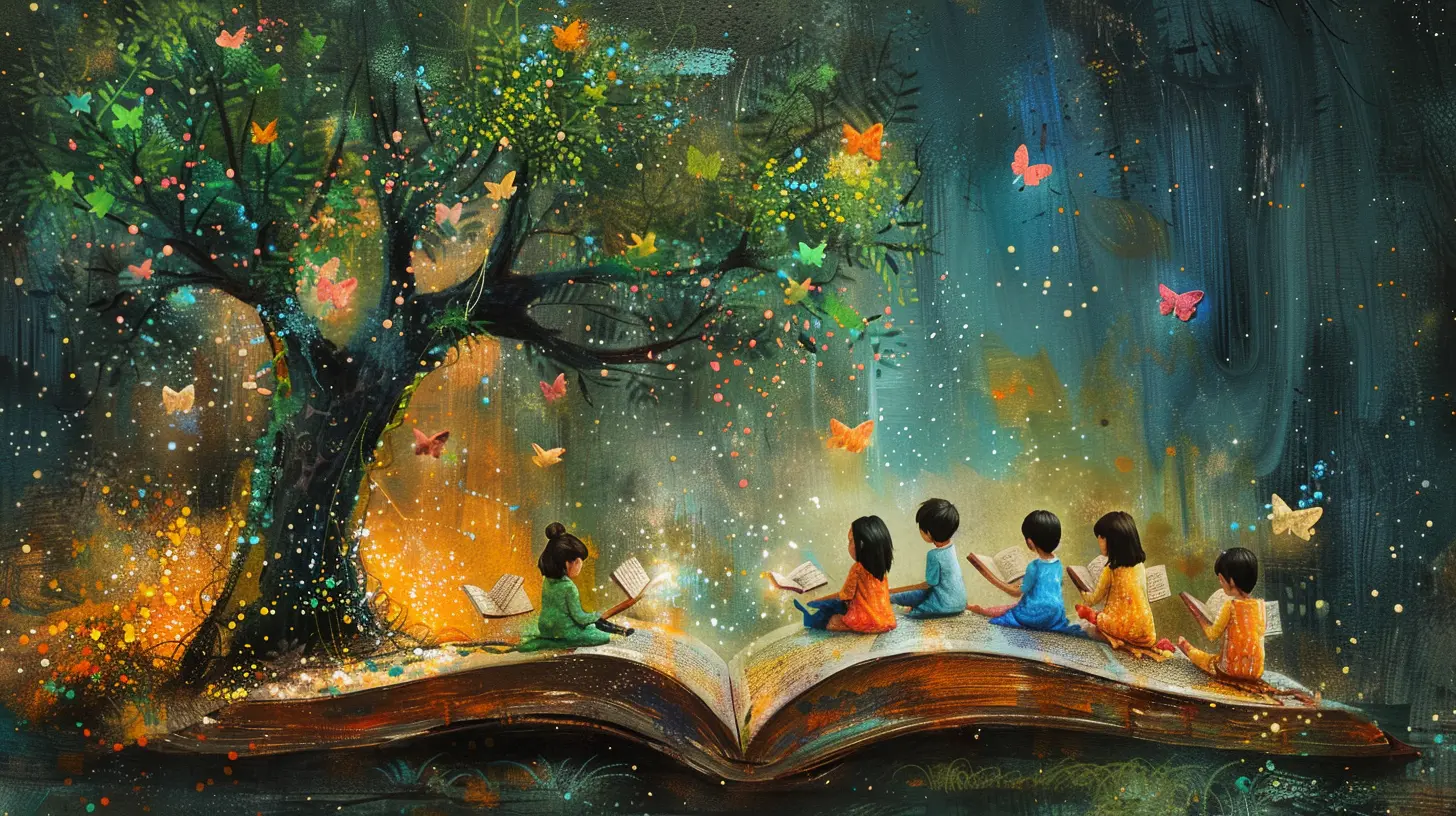
The Science Behind Story Magic
Did you know that storytelling actually lights up multiple areas of the brain? That’s right. When kids listen to a story, their brain activity increases in areas tied to language, emotions, and sensory experiences. They’re not just hearing the story—they’re living it in their minds.That means storytelling does way more than just entertain. It:
- Boosts cognitive development
- Builds memory retention
- Enhances comprehension skills
- Encourages empathy and emotional intelligence
It’s like a full-body workout for the brain. No other teaching method quite compares.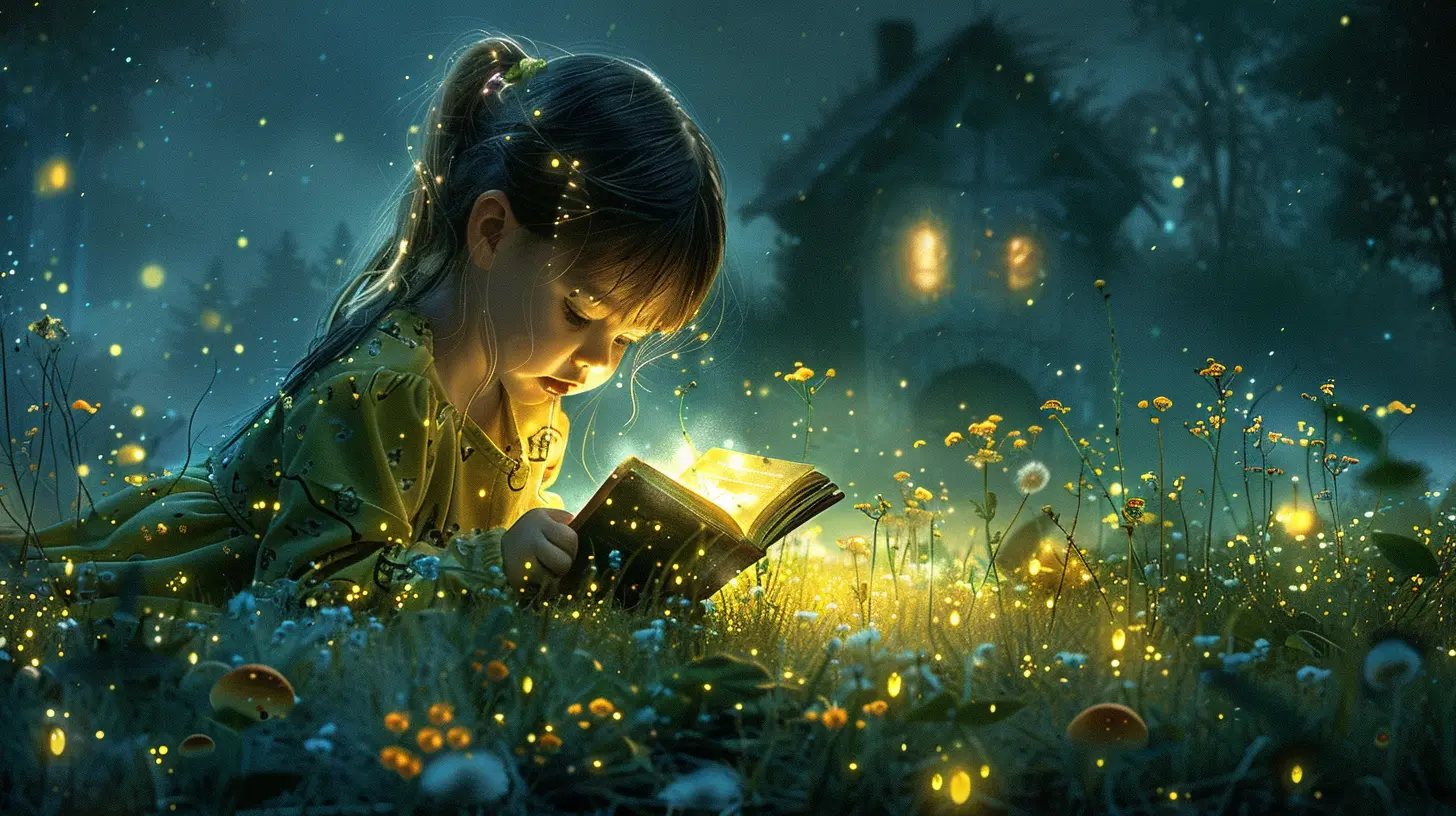
Language and Literacy: Learning Without "Learning"
One of the biggest benefits of storytelling is how naturally it teaches language. Children pick up new vocabulary, learn sentence structure, and begin to understand grammar rules—all without realizing they’re doing any of that.How cool is that?
And it’s not just about passive listening. When kids start telling their own stories, they learn about sequencing (what happened first, next, and last), character development, and story arcs—all essential building blocks for literacy.
It’s basically a secret weapon for language development.
Social-Emotional Learning Through Stories
Ever noticed how kids relate deeply to story characters? Whether it’s Little Red Riding Hood or Moana, children are wired to connect with stories emotionally.That emotional connection is hugely beneficial. Through storytelling, kids:
- Recognize emotions in themselves and others
- Learn how to navigate social situations
- Develop empathy and compassion
- Begin to understand moral and ethical concepts
So, when the Big Bad Wolf scares the pigs, kids aren’t just reacting—they’re learning about fear, bravery, consequences, and problem-solving. They’re practicing real-life emotional skills in a safe, imaginative setting.
Storytelling Builds Better Thinkers
Let’s talk about imagination. We often treat it like fluff—nice to have, but not essential. But in reality, imagination is the engine behind critical thinking, innovation, and creativity.When kids hear a story, they create mental pictures, ask “what if” questions, and start to imagine alternative endings. That’s the foundation of problem-solving and big-picture thinking later in life.
Some of the most important skills for the 21st-century learner—resilience, adaptability, creativity—can all grow out of one simple activity: storytelling.
Cultural Awareness One Story at a Time
Stories are pretty much time machines and passports rolled into one. Through tales from different cultures, children get the chance to experience life from someone else’s point of view.This exposure helps:
- Develop a sense of global citizenship
- Foster respect for differences
- Break down stereotypes early on
By the time they reach school age, children who’ve been exposed to multicultural storytelling are more likely to be open-minded, accepting, and curious about the world around them.
Making Storytelling Interactive: Tips for Educators and Parents
Okay, so you’re on board with the power of storytelling—awesome! But how do you bring it to life?Here are some tried-and-true tips to make storytelling more engaging for little ones:
1. Use Your Voice (All of It!)
Change your pitch, pace, and tone. Use silly voices! The more expressive you are, the more children stay tuned in. Remember, it’s not just a story—it’s a performance.2. Get Physical
Use hand gestures, facial expressions, and even full-body movement. Act out scenes to make the story come alive.3. Use Props or Puppets
Got a sock? That’s a puppet. Got a towel? It’s a superhero cape. Visual aids keep kids interested and help illustrate complex ideas.4. Ask Questions
Pause during the story to ask, “What do you think happens next?” or “How do you think she feels right now?” Interactive storytelling helps with comprehension and attention.5. Encourage Them to Tell Stories Too
Let children be the storytellers. Give them a prompt or start a story and let them finish it. This builds confidence, creativity, and language skills all at once.Storytelling in the Digital Age: Is It Still Relevant?
With screens everywhere, you might wonder—is storytelling outdated?Actually, it’s more important than ever.
Storytelling counters the often passive nature of screen time. Unlike video clips or games, storytelling requires imagination. It encourages active mental participation, which helps kids develop concentration and visualization skills.
Plus, storytelling can be blended with technology. Think audiobooks, story podcasts, or digital story-making apps. These tech tools don’t replace traditional storytelling—they enhance it.
Creating a Storytelling-Friendly Environment
Whether you're teaching in a classroom or reading at home, the right environment can make a big difference.Here’s how to set the stage:
- Create a special “story zone” – a cozy corner with pillows, rugs, and low lighting sets the right mood.
- Turn off distractions – storytelling time should be quiet, focused, and free of background noise.
- Make it part of the routine – whether it’s after lunch or before nap time, regular storytelling builds anticipation and structure.
Real-Life Success Stories
Want proof that storytelling works?Many early childhood programs that emphasize storytelling—like Waldorf, Reggio Emilia, and Montessori-inspired models—report stronger language growth, better peer interactions, and improved attention spans in young children.
Teachers also report that children are more eager to participate in discussing books and expressing themselves creatively. And parents often say their kids start bringing stories into their everyday conversations and playtime.
In short, storytelling leaves a lasting impact.
Final Thoughts: The Stories We Tell Shape the People They Become
When we tell stories, we’re not just passing time—we’re shaping minds. We’re helping children build vocabularies, navigate emotions, dream big, and understand the world and their place in it.Sure, it may seem like just a bedtime story or a five-minute classroom break. But it’s so much more than that. It’s a gateway into learning that’s fun, engaging, and meaningful.
So next time you open that book and whisper “Once upon a time…,” remember: you’re not just telling a story. You’re building a future.
all images in this post were generated using AI tools
Category:
Early Childhood EducationAuthor:

Charlotte Rogers
Discussion
rate this article
12 comments
Josie Love
In tales spun with care, young minds take flight, Imagination ignites, hearts bloom bright; storytelling's art, a child's guiding light.
February 1, 2026 at 5:17 AM
Charlotte Rogers
Thank you for your beautiful words! They perfectly capture the transformative power of storytelling in nurturing young minds and hearts.
Camille Hunter
This article beautifully highlights the essential role of storytelling in early childhood education, fostering creativity, language development, and emotional connection. A must-read for educators and parents alike!
January 22, 2026 at 12:01 PM
Charlotte Rogers
Thank you! I'm glad you found the article valuable in emphasizing storytelling's impact on creativity and emotional growth in young learners.
Velma Wilcox
Storytelling transcends mere entertainment; it weaves imagination with learning, nurturing empathy and critical thinking in young minds. In each tale, we lay the foundation for creativity and connection that shapes their future.
January 21, 2026 at 12:39 PM
Charlotte Rogers
Thank you for your insightful comment! I completely agree—storytelling is indeed a powerful tool that fosters creativity and empathy in young learners, shaping their futures in profound ways.
Justice Marks
Storytelling ignites imagination and empathy, shaping young minds and fostering a lifelong love for learning.
January 20, 2026 at 12:32 PM
Charlotte Rogers
Thank you! I completely agree—storytelling is a powerful tool that not only sparks creativity but also builds emotional connections, essential for nurturing a love of learning in young children.
Aiden Adkins
Absolutely! Storytelling sparks imagination and connection in young minds. Let’s embrace the magic of tales to inspire creativity and foster a love for learning in every child!
January 16, 2026 at 3:56 AM
Charlotte Rogers
Thank you for your insightful comment! I completely agree—storytelling is essential for nurturing creativity and building connections in young learners.
Onyx Larsen
This article beautifully highlights the importance of storytelling in early childhood education. It effectively illustrates how narratives foster creativity, empathy, and language skills in young children, making it an essential tool for educators and caregivers to enrich learning experiences.
January 12, 2026 at 5:18 PM
Charlotte Rogers
Thank you for your insightful comment! I’m glad you found the article highlights the vital role of storytelling in fostering essential skills in young children.
Tracie Robinson
What a delightful read! Storytelling truly weaves magic in early childhood education, sparking imagination and creativity in young minds. It’s amazing how a simple tale can foster connections and teach valuable lessons. Can't wait to share these ideas with my little ones!
January 12, 2026 at 4:12 AM
Charlotte Rogers
Thank you for your insightful comment! I'm thrilled to hear that you found the article inspiring and are excited to share these storytelling ideas with your little ones!
Soleil McGivern
This insightful article highlights the essential role storytelling plays in early childhood education. By fostering creativity, language skills, and emotional understanding, storytelling not only engages young learners but also lays a strong foundation for lifelong learning.
January 11, 2026 at 8:34 PM
Charlotte Rogers
Thank you for your thoughtful comment! I'm glad you found the article highlights the vital role of storytelling in fostering young learners' creativity and emotional growth.
Wolf Wilkerson
Storytelling transcends mere words; it's the heartbeat of imagination. In early childhood education, it’s not just about lessons—it’s about sparking lifelong curiosity and creativity.
January 10, 2026 at 3:44 AM
Charlotte Rogers
Thank you for your insightful comment! I completely agree—storytelling ignites curiosity and fosters creativity in young minds, making it a vital component of early childhood education.
Zinn Carrillo
In whispers wrapped in wonder, stories bloom, Tiny minds ignite, dispelling gloom. Through tales, we weave a brighter thread, Crafting dreams where little hearts are fed. Magic lingers in each word said.
January 9, 2026 at 11:58 AM
Charlotte Rogers
Thank you for capturing the essence of storytelling so beautifully! Your words perfectly highlight its transformative power in nurturing young minds.
Noora Kelly
Ah yes, because nothing sparks a toddler’s imagination like a good ol’ fairy tale—who needs math and science when you have talking animals, right?
January 6, 2026 at 9:45 PM
Charlotte Rogers
Absolutely! Fairy tales ignite creativity and imagination, laying a vital foundation for curiosity that can enhance learning in math and science later on.
Solstice McVeigh
Storytelling sparks imagination and joy in young minds! Let’s embrace this magical journey for our little learners! ✨📚
January 6, 2026 at 12:08 PM
Charlotte Rogers
Absolutely! Storytelling nurtures creativity and joy, laying a foundation for lifelong learning. Let's continue to inspire our young minds! ✨📚
MORE POSTS

How to Integrate Assessment into Daily Classroom Activities

Mindfulness in Virtual Classrooms: Strategies for Online Learning

Data-Driven Decision Making in Classroom Assessment

The Benefits of Project-Based Learning in School Coding Programs

Preparing Students for the Workforce: Coding Skills for Every Career Path

How to Incorporate Peer Feedback Without Losing Control

How to Stay Focused When Juggling Multiple Responsibilities
The Role of Practice Tests in Achieving Higher Scores