The Value of Silence and Reflection in Montessori Education
14 August 2025
Let’s face it—our world is loud. From the moment we wake up to the time we lay our heads down at night, we’re bombarded by noise, distractions, and constant stimulation. Now, imagine being a child in this chaos. It’s no wonder that silence and reflection—two powerful yet often overlooked tools—hold such a special place in Montessori education.
So, what’s the big deal about silence? And why do Montessori educators make time for quiet moments and deep thinking? Grab a cup of coffee, take a deep breath, and let’s unpack how silence and reflection shape young minds in Montessori classrooms.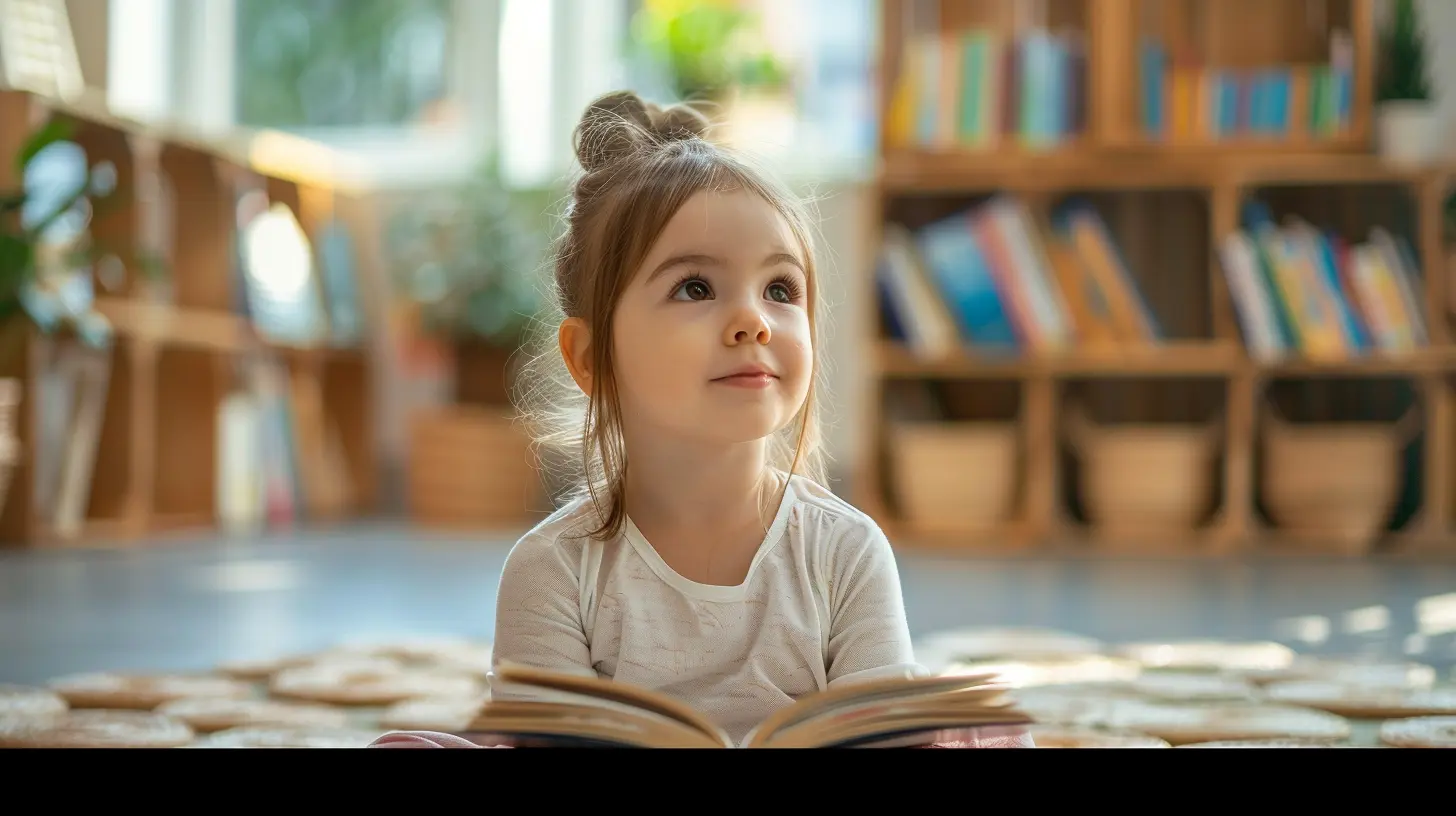
What Is Montessori Education, Anyway?
Before we dive into the heart of the topic, let’s take a quick detour for context.At its core, Montessori education is centered around the individual child. Developed by Dr. Maria Montessori in the early 1900s, this approach respects children's natural developmental stages. Kids are seen as capable, curious, and ready to learn—when given the right environment.
Montessori classrooms are child-led, hands-on, and emphasize independence. But what’s unique is the intentional use of calm, order, and yes—silence.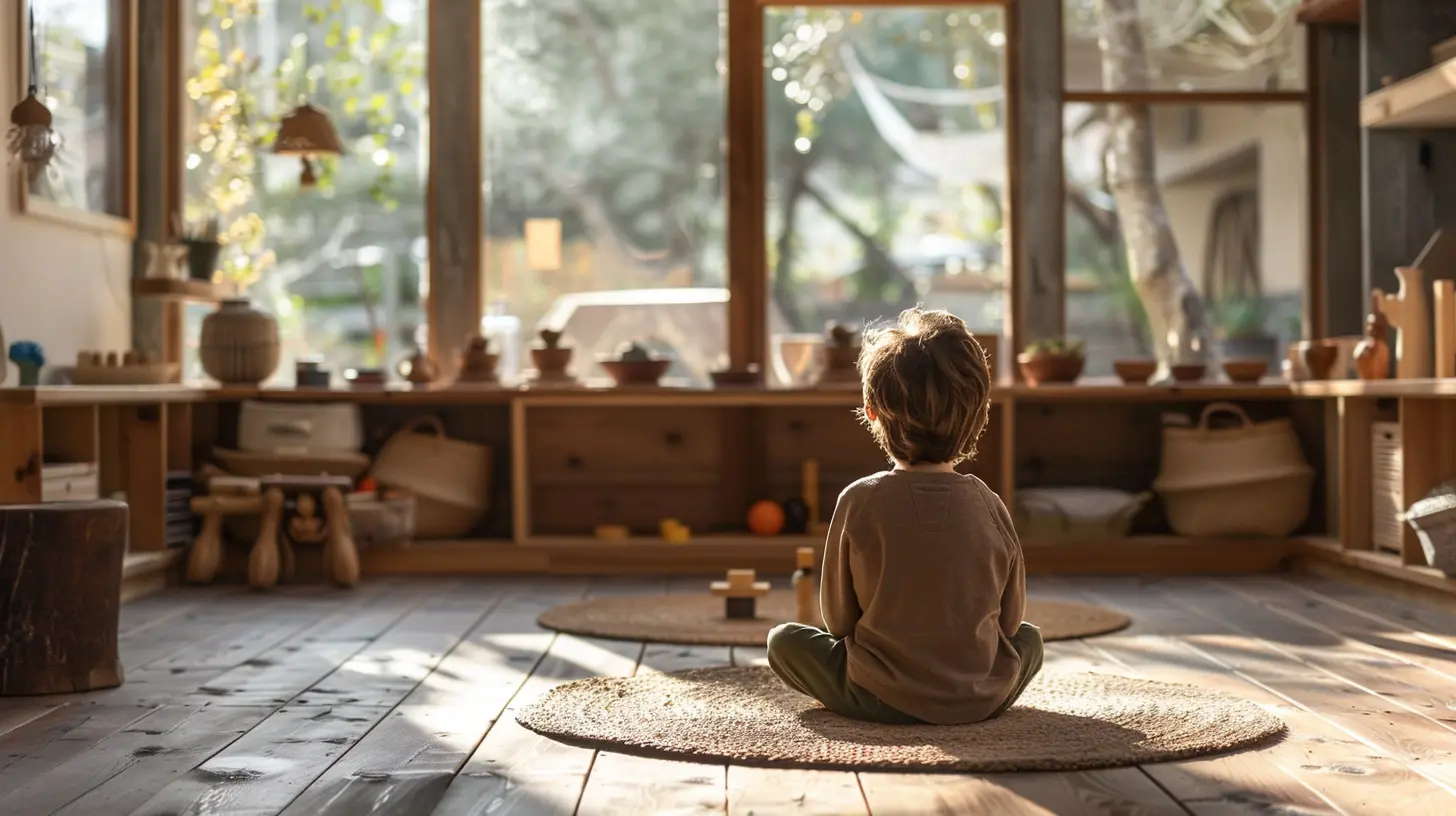
Silence Isn’t Just the Absence of Noise
When you think of silence, you might imagine an awkward pause or a quiet library. But in Montessori, silence is far more than that. It’s a tool. A form of communication. A teacher in itself.Think of silence like a blank canvas. It allows children to paint their own experiences, thoughts, and emotions without external interference. It’s not about muting kids—it’s about giving them space to think and feel.
The “Silence Game”: A Montessori Classic
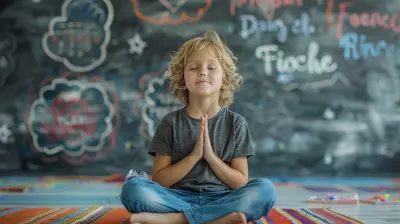
One of the most beautiful expressions of this belief is the “Silence Game.” In this activity, children are invited to sit quietly, breathe deeply, and tune into the subtle sounds around them—the ticking of a clock, a bird outside, even their own heartbeat.It sounds simple, but the benefits? Enormous. It develops concentration, self-regulation, and even a sense of community respect. They're not being forced into quiet—they choose it.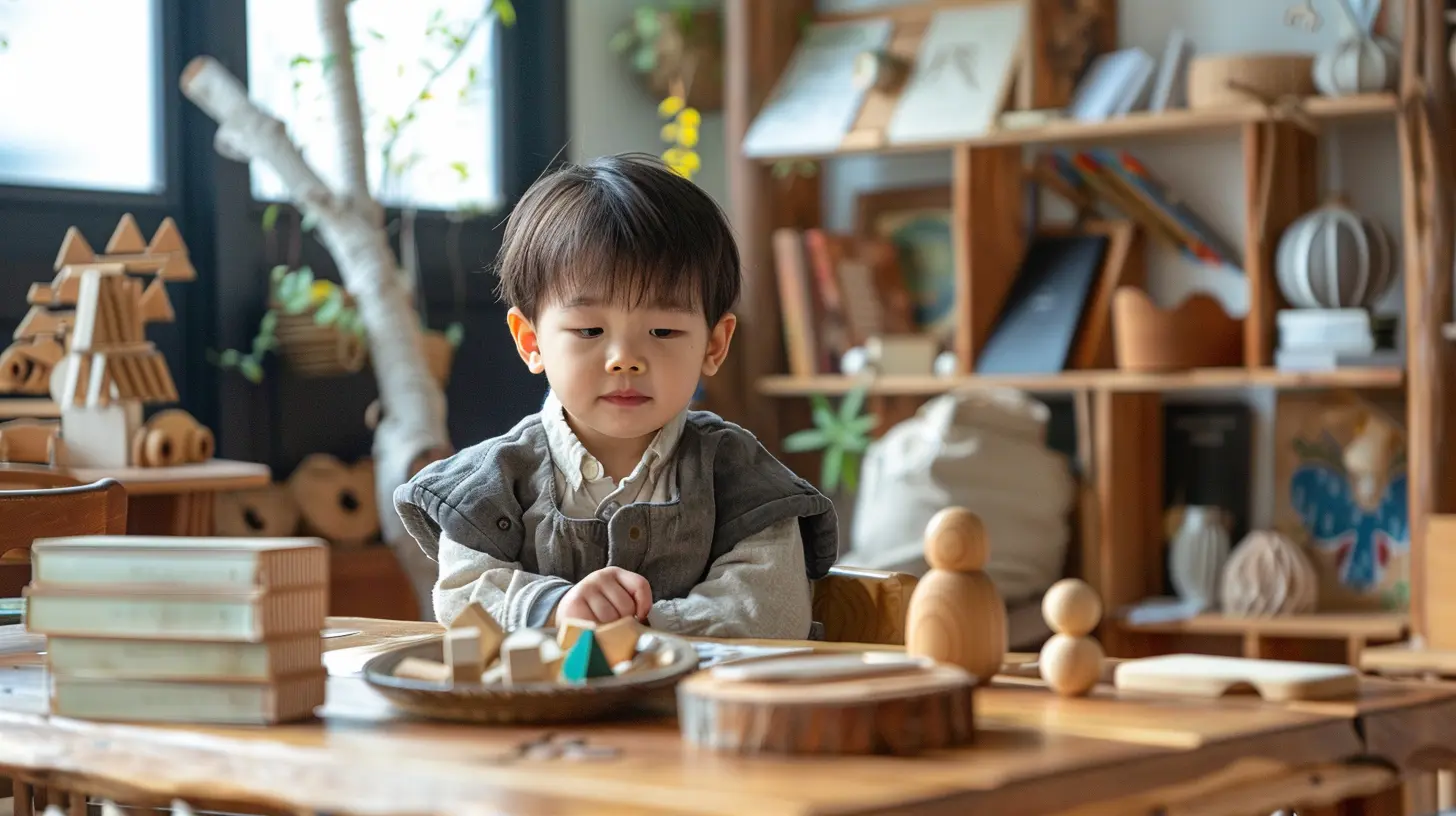
Why Silence Matters in a Child’s Development
Silence isn’t just a way to calm things down. It’s a critical contributor to a child's cognitive and emotional growth. Let’s break down what silence does for growing minds.1. Boosts Concentration and Focus
Ever tried to write an email in a noisy café? Not easy, right? Kids are no different. Their brains thrive in environments where they can focus without being overstimulated.In Montessori classrooms, silence and minimal distractions help children enter what's known as a state of “deep work.” This is when real learning happens—they can immerse themselves in a task without the visual and auditory noise of a traditional classroom.
2. Encourages Self-Awareness and Emotional Control
Silence gives kids something they don’t often get: a moment to check in with themselves.They start recognizing the signals their bodies and minds are sending—am I tired? Am I overwhelmed? Just like adults need mindfulness, children need tools to manage feelings. Montessori’s use of quiet time lays the groundwork for emotional intelligence.
3. Fosters Independent Thinking
Without someone constantly directing their every move, kids begin to trust their own judgment.Silence makes room for internal dialogue. It’s in those quiet gaps that children begin to reflect on their actions, make decisions, and even discover problems to solve.
4. Builds Respect for Others
When children practice being silent as a group, they're not just being quiet—they’re learning something deeper: respect.They discover that their actions (or sounds) impact others. This awareness cultivates empathy and community—the backbone of any healthy classroom.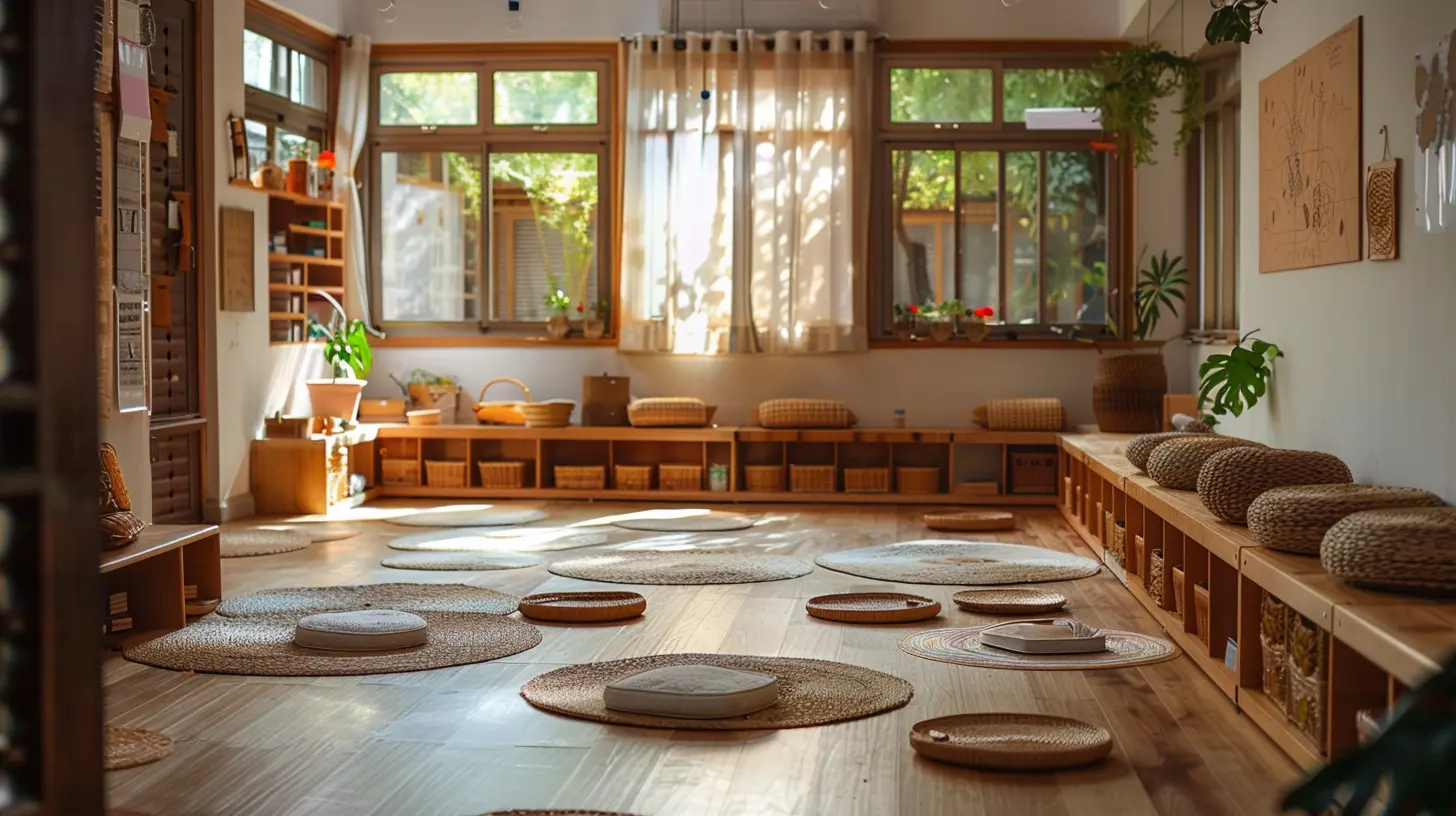
Reflection: The Partner of Silence
Silence paves the way for reflection. Where silence gives space, reflection fills it with meaning.Reflection in Montessori isn’t about sitting with a journal or writing essays (although older students may do that). It’s about helping children process their experiences—“What did I learn from that?” or “How did that make me feel?”
How Montessori Encourages Reflective Thinking
Let’s talk strategies. Here’s how Montessori classrooms gently nudge kids toward reflective habits:Observation Over Correction
Instead of interrupting a child to correct their work, teachers (called guides) observe quietly. This gives kids the chance to notice mistakes on their own and think through how to fix them.It’s like being on a treasure hunt—finding the answer yourself is way more satisfying than having someone hand it to you.
Freedom Within Limits
Children choose their own activities within a structured environment. That freedom forces them to make decisions, live with the consequences, and reflect on their choices—maturing their decision-making skills over time.Peace Corners and Quiet Spaces
Many Montessori classrooms include a “peace corner” or a cozy nook. When kids need a breather or feel overwhelmed, they can head there to collect their thoughts.This isn’t punishment—it’s empowerment. They learn that taking time to reflect isn’t weakness. It’s strength.
The Role of the Adult: More Guide, Less Boss
In Montessori, the adult doesn’t control the flow of the classroom like a conductor in a symphony. They act more like a gentle wind nudging a sailboat in the right direction.The Montessori guide creates a rhythm—offering moments of instruction, space for silence, and opportunities for reflection. They model self-restraint, patience, and introspection.
This calm presence sets the tone. Children mirror what they see. If the adult values quiet moments, so will the child.
Practical Benefits: What the Research Says
If this all sounds a bit too “zen” to be practical, hang tight—science backs it up.Cognitive Development
Studies in child psychology show that quiet environments improve memory retention, especially in early learners. When the brain isn’t overwhelmed, it processes information more efficiently.Mental Health and Well-being
Children who engage in regular mindfulness and reflection report lower levels of anxiety and better emotional regulation. These aren’t just classroom benefits—they're life skills.Academic Performance
Despite all the calm vibes, Montessori students often outperform traditional students academically. Silence and reflection help build the long-term habits—focus, curiosity, discipline—that fuel academic success.Bringing Silence and Reflection Home
Here’s the good news: You don’t need a Montessori classroom to start using these principles at home.Create a Quiet Ritual
Maybe it’s a five-minute “silent sit” after school or a peaceful minute before dinner. Make it consistent, make it simple.Ask Open-Ended Questions
Rather than “How was your day?” try “What did you think about today?” or “Was there a moment you really enjoyed?” These types of questions promote reflection.Model It Yourself
Kids notice everything. If they see you valuing silence—not just filling it with screens or chatter—they’ll begin to do the same.Real-Life Stories: The Impact Is Personal
Still wondering if all this tranquility really matters?Take six-year-old Zoe in her Montessori classroom. Once a ball of energy, she struggled to stay focused. But gradually, through silence games and moments of reflection, Zoe became more centered—choosing her tasks with care and finishing them with pride.
Or young Mateo, who used the peace corner not out of discipline, but choice. When overwhelmed, he’d head to the quiet zone, take deep breaths, and return with renewed energy.
These aren’t just isolated cases—they’re everyday examples of what happens when children are given space to listen to themselves.
Final Thoughts: Listening to the Quiet
In a world that often equates loudness with value—think social media, news, constant noise—Montessori reminds us of a simpler truth: silence speaks. And when paired with reflection, it teaches children not just how to learn, but how to be.Silence isn’t about saying nothing. It’s about hearing everything. The rustle of leaves, the steady beat of your own heart, the small voice inside that says, “I can do this.”
So next time things get loud—pause. Breathe. And remember that in Montessori, sometimes the most powerful lessons are the ones you don’t hear at all.
all images in this post were generated using AI tools
Category:
Montessori EducationAuthor:

Charlotte Rogers
Discussion
rate this article
12 comments
Verity Hubbard
This article beautifully captures the essence of silence and reflection in Montessori education. Embracing these moments allows children to connect deeply with themselves and their learning environment. Thank you!
February 21, 2026 at 4:38 AM
Charlotte Rogers
Thank you for your kind words! I'm glad you found the article meaningful and resonant with the core principles of Montessori education.
Jonah McNaughton
This beautifully captures the essence of Montessori education. Emphasizing silence and reflection fosters deep learning and self-awareness in children. These moments of stillness create a space for growth, allowing them to connect with their thoughts and surroundings meaningfully.
December 31, 2025 at 4:11 AM
Charlotte Rogers
Thank you! I'm glad you resonated with the importance of silence and reflection in fostering deep learning and self-awareness in Montessori education.
Destiny Sawyer
This article beautifully highlights the profound importance of silence and reflection in Montessori education. In a world filled with noise, creating space for introspection nurtures creativity and deepens understanding. Embracing these moments fosters not only learning but also emotional growth, equipping children with essential life skills. Thank you for this insightful reminder!
November 28, 2025 at 5:31 AM
Charlotte Rogers
Thank you for your thoughtful insights! I'm glad you appreciated the importance of silence and reflection in Montessori education.
Daphne Mitchell
Absolutely love this article! Embracing silence and reflection in Montessori education fosters deep learning and personal growth. It's wonderful to see how these practices nurture creativity and mindfulness in children. Keep spreading the joy of learning! 🌟
October 29, 2025 at 12:52 PM
Charlotte Rogers
Thank you so much for your kind words! I'm glad you resonated with the message about silence and reflection in Montessori education. Your support means a lot! 🌟
Liv Curry
Great insights on fostering thoughtful learning!
October 3, 2025 at 11:42 AM
Charlotte Rogers
Thank you! I'm glad you found the insights valuable.
Nix Vasquez
This article compellingly highlights the often-overlooked power of silence and reflection in Montessori education. By fostering an environment where students can engage in introspection, it promotes deeper learning and emotional intelligence. However, the practical implementation of these concepts in diverse classroom settings remains a challenge worth exploring further.
September 1, 2025 at 2:59 AM
Charlotte Rogers
Thank you for your insightful comment! I appreciate your recognition of the importance of silence and reflection in Montessori education, and I agree that exploring practical implementation strategies in diverse classrooms is essential for maximizing these benefits.
Mia Frank
This article beautifully highlights the essential role of silence and reflection in Montessori education, fostering deep learning and self-awareness. Embracing these practices can profoundly enhance students' cognitive and emotional growth.
August 23, 2025 at 2:54 AM
Charlotte Rogers
Thank you for your thoughtful comment! I’m glad you resonate with the importance of silence and reflection in Montessori education. These practices truly nurture holistic development in students.
Tristan McGee
Absolutely love this perspective! Embracing silence and reflection truly enriches the Montessori experience, allowing kids to connect deeply with their thoughts and surroundings. Well said!
August 22, 2025 at 10:44 AM
Charlotte Rogers
Thank you for your kind words! I'm glad you resonate with the importance of silence and reflection in Montessori education.
Calder Phillips
This article beautifully highlights the significance of silence and reflection in Montessori education, emphasizing how these practices foster deep learning and self-awareness in children. A must-read for educators!
August 20, 2025 at 6:46 PM
Charlotte Rogers
Thank you for your thoughtful feedback! I'm glad you found the article valuable in highlighting the importance of silence and reflection in Montessori education.
Mia Frye
Silence and reflection are integral components of Montessori education, fostering deeper learning and self-awareness. These practices encourage children to develop critical thinking skills, enhance concentration, and cultivate a sense of inner peace, ultimately supporting their emotional and intellectual growth in a nurturing environment.
August 20, 2025 at 11:31 AM
Charlotte Rogers
Thank you for highlighting the importance of silence and reflection in Montessori education. These practices indeed play a crucial role in nurturing children's growth and fostering essential skills for their development.
Zachary McMillen
Thank you for highlighting the importance of silence and reflection in Montessori education. These practices truly enhance learning and foster deeper connections, allowing students to thrive in a nurturing environment.
August 18, 2025 at 4:18 AM
Charlotte Rogers
Thank you for your thoughtful comment! I'm glad you resonate with the role of silence and reflection in fostering a nurturing learning environment in Montessori education.
Carla Vaughn
Silence and reflection are crucial in Montessori education, fostering deep learning and enabling students to connect with their inner selves.
August 16, 2025 at 7:14 PM
Charlotte Rogers
Thank you! I completely agree—silence and reflection are essential for nurturing self-awareness and deeper understanding in Montessori learning.
MORE POSTS
Cultivating Mindful Classrooms: Techniques for Teachers

Collaborative Learning: How to Create Group-Centered Lesson Plans

The Benefits of Reading Together: Strengthening Bonds and Literacy

Integrating Coding into Every Subject: Cross-Curricular Learning Opportunities

How to Review for Exams Without Cramming

The Role of Feedback in Improving Student Learning Outcomes

How to Approach the Essay Section on Standardized Tests

Effective Strategies for Classroom Formative Assessment