Cultivating Mindful Classrooms: Techniques for Teachers
6 April 2026
Let’s be honest—teaching isn’t easy. Between grading papers, managing behavior, meeting learning standards, and now, dealing with the aftershocks of a global pandemic, it’s no wonder teachers often feel overwhelmed. But amidst all the chaos, there’s a quiet secret weapon that’s changing classroom dynamics for the better: mindfulness.
Mindfulness isn’t just a trendy word from the wellness world—it’s a powerful tool that can transform your classroom into a peaceful, productive, and positive place for both students and teachers. So, if you’ve ever wished for calmer mornings, fewer outbursts, or just a little more joy in your teaching day, stick around. Let’s talk about how cultivating mindful classrooms can make all the difference—and how you can get started.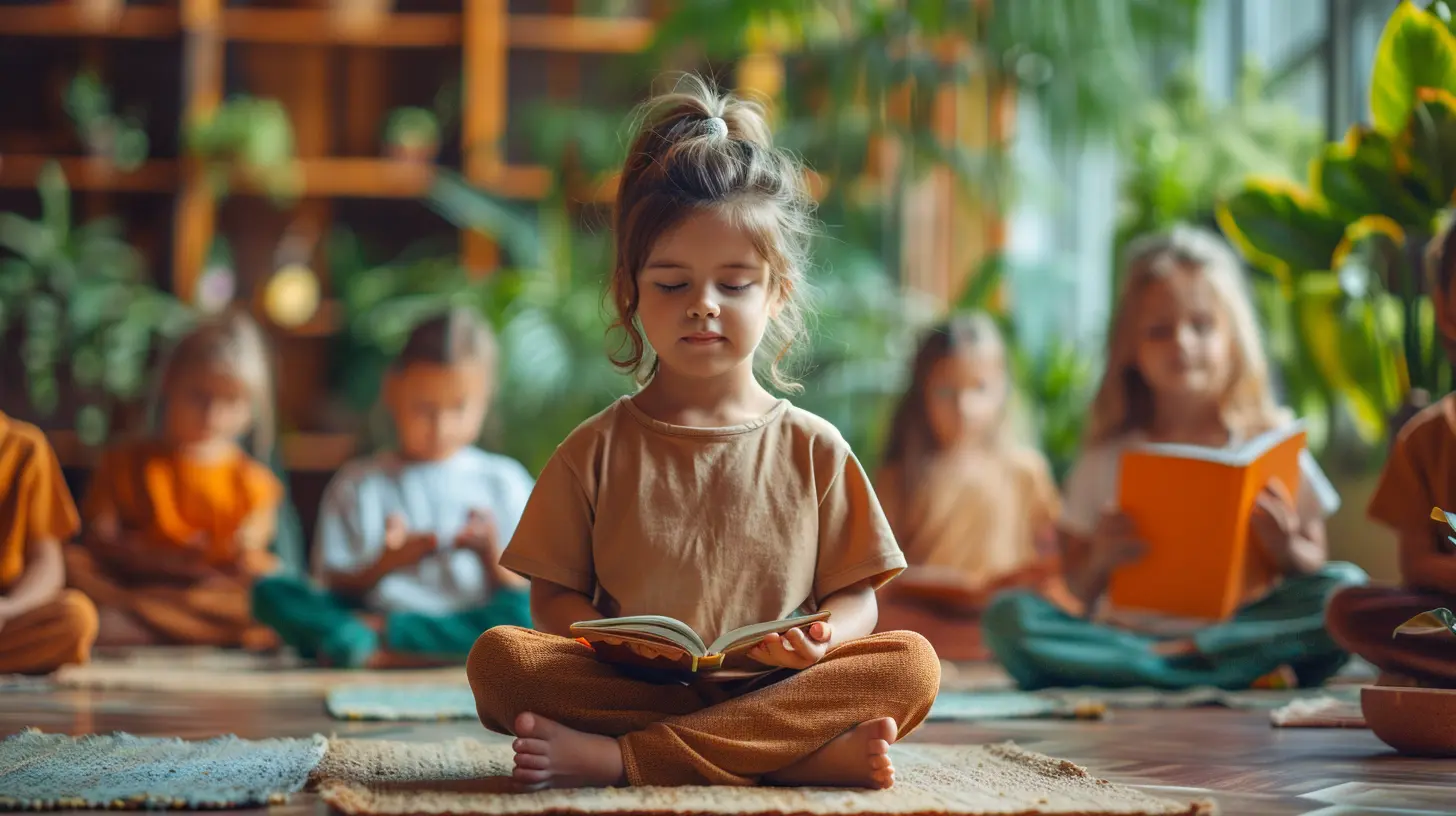
What Is Mindfulness in the Classroom, Really?
Mindfulness is simply the practice of being present in the moment—fully aware of where we are and what we’re doing, without judgment. Think of it as pressing the "pause" button on life’s fast-forward chaos. For students, this can mean calming anxiety, improving focus, and learning emotional regulation. For teachers? It can mean staying grounded amid the daily whirlwind.Now, bringing mindfulness into the classroom isn’t about turning you into a meditation guru or turning your students into tiny Buddhas. It’s about small, meaningful shifts in mindset and routines that help everyone breathe a little easier and learn a little better.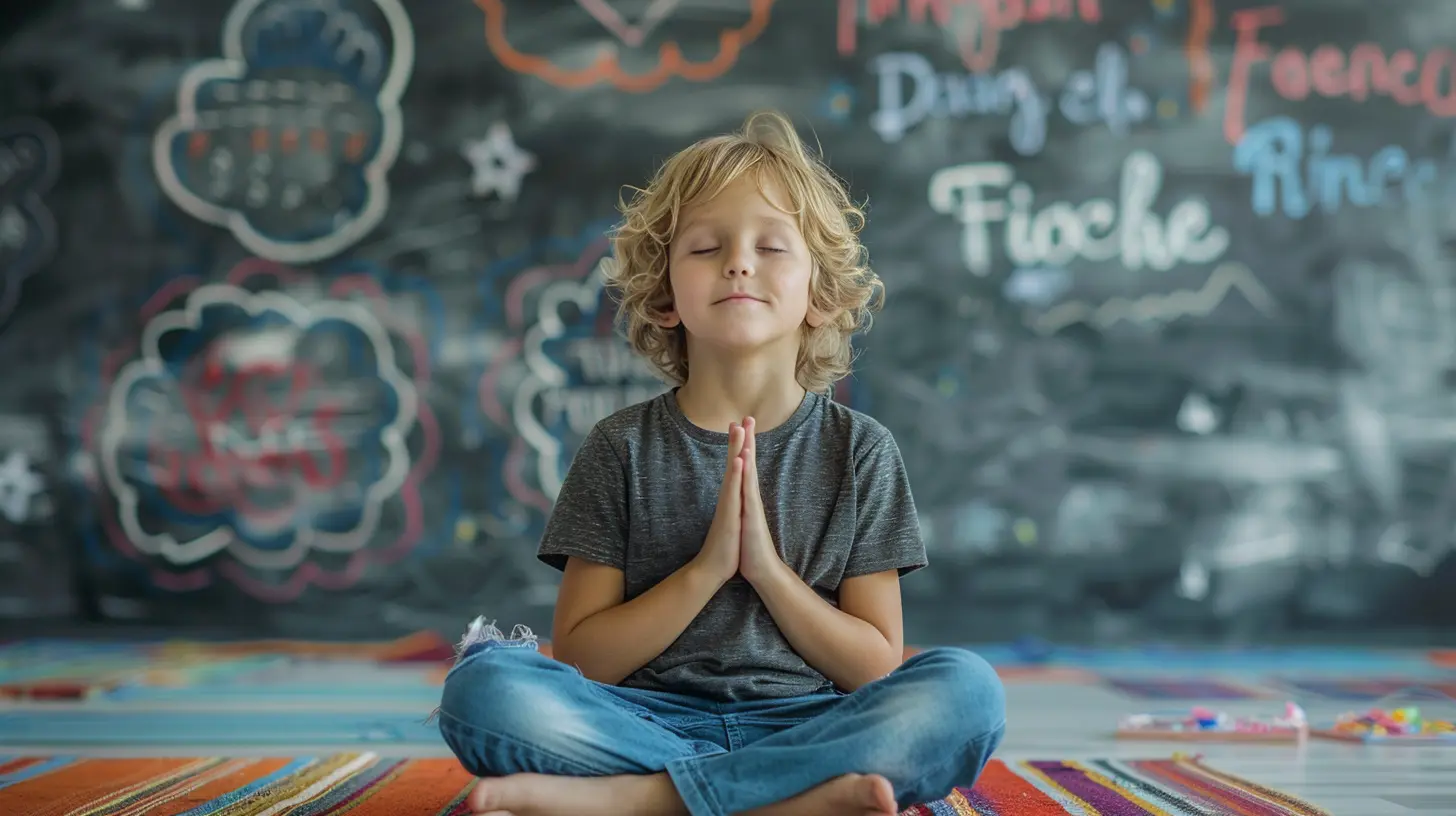
Why Mindfulness Matters in Education
Ever notice how a student’s behavior can flip your whole day upside down? Or how your stress tends to trickle down to your class? That’s because emotional energy is contagious. When mindfulness becomes a part of your classroom, it acts like an emotional air purifier—helping to reset the vibe, reduce stress levels, and boost overall learning.Let’s break it down:
- Improved focus: Mindfulness trains attention. When kids learn to focus on their breath or notice their thoughts, they naturally get better at concentrating on lessons.
- Emotional regulation: Students learn to respond, not react. That means fewer tantrums, outbursts, and conflicts.
- Better behavior: Mindful awareness helps kids think before they act. It’s the foundation for empathy, patience, and self-control.
- Teacher well-being: It’s not just for students. Practicing mindfulness helps teachers build resilience, reduce burnout, and feel more connected to what they love most—teaching.
Starting Small: You Don’t Need to Overhaul Everything
Good news—you don’t need to carve out an hour a day or invest in expensive programs to build a mindful classroom. Incorporating mindfulness is about small, consistent changes that ripple outwards.Think of it like planting a seed. You water it a little every day, and over time, it grows.
Technique #1: The Power of the Pause
Let’s start with the simplest technique—just pausing. Before diving into a new activity, before giving instructions, or even before answering a challenging question—pause. Take one mindful breath. Invite your students to do it with you.It sounds small, but it sets the tone. Over time, this “mindful muscle” gets stronger, and your classroom becomes a place where reaction turns into response.
Try This:
> “Let’s take a mindful breath before we begin this lesson. Just breathe in through your nose...and out through your mouth.”Two seconds. Big impact.
Technique #2: Mindful Mornings
We all know how the day starts often dictates how the rest of it unfolds. So why not begin each day with calm and intention?Mindful morning routines might include:
- A 2-minute breathing exercise
- Gentle stretching
- Sharing intentions or gratitude
- Listening to calming music as students arrive
These rituals create a sense of safety and routine that reduces anxiety and helps kids shift into learning mode.
Quick Activity:
> Ask students, “What’s one thing you're grateful for today?” It rewires their brain to scan for the positive.Technique #3: The “Mindful Minute”
When the classroom gets noisy or off-track, most of us tend to raise our voices—right? But what if, instead, we lowered the energy?Enter the Mindful Minute. It's exactly what it sounds like—a minute of quiet, stillness, and focus. It gives students (and you) a much-needed reset.
Set a timer. Dim the lights if you like. Invite students to close their eyes if they’re comfortable. Guide them through noticing their breath, the sounds around them, or their body sensations.
You’ll be amazed at how this tiny moment can shift the entire classroom energy.
Technique #4: Breathing Tools & Anchors
Want a magic trick for calming chaotic energy? Teach your students simple breathing tools. Breath is the anchor to the present moment—and kids love having something tangible to control.Try giving breathing patterns fun names:
- “Smell the flower, blow out the candle”
- “Hot cocoa breath” (inhale the smell, exhale to cool it down)
- Box breathing (inhale for 4, hold for 4, exhale for 4, hold for 4)
You can even pair breathing with hand movements, like tracing fingers as you inhale up and exhale down.
Technique #5: Emotional Check-ins
Kids carry all kinds of emotions into the classroom—some you see, most you don’t. Giving them space to acknowledge those emotions is both healing and empowering.Start the day (or class period) with a quick check-in:
- Offer a feelings chart or mood meter
- Let students point to or share how they’re feeling
- Ask reflective prompts like, “What color is your mood today?”
When students feel seen and heard, their behavior improves—because they’ve already been given space to be human.
Technique #6: Create a Calm Corner
Sometimes, students need a place to collect themselves before they can rejoin the group. Cue: the Calm Corner.This isn’t a punishment spot. It’s a self-regulation station. Equip it with:
- A comfy seat or cushion
- Breathing cards
- Fidget tools
- Affirmation cards
- A journal or coloring pages
Teach kids how to use the Calm Corner before they need it. That way, it becomes a tool for regulation—not escape.
Technique #7: Mindful Listening
Want students to really engage? Teach them mindful listening.Have them sit quietly and notice:
- The farthest sound they can hear
- The closest sound (maybe their own breath!)
- The rise and fall of a classmate’s voice
Add in sound bowls or chimes for a magical touch. This builds auditory awareness, concentration, and just plain awe.
Technique #8: Practice Gratitude Regularly
Gratitude is like fertilizer for positivity—it helps the good stuff grow.Set up a Gratitude Wall where students can post notes of appreciation. Or end the day with a “what went well” circle. Whether it's hot lunch, a kind friend, or even “we didn’t have math today,” gratitude shifts perspective fast.
Technique #9: Storytelling With Heart
We all love a good story. But when stories are shared mindfully, they become powerful tools for teaching empathy, compassion, and self-awareness.Choose books that center on emotional intelligence, mindfulness, or overcoming challenges. Use these moments to spark reflection:
- “How would you feel if that happened to you?”
- “What do you think the character learned?”
- “What could they have done differently?”
Technique #10: Model Mindfulness Yourself
Here’s the truth: kids do what you do, not what you say.So if you want a mindful classroom, be a mindful teacher. Practice breathing before responding. Acknowledge your own emotions. Model slowing down, listening deeply, and showing compassion.
You don’t need to be perfect—you just need to be real.
Handling Resistance: What If My Students Think This Is Weird?
It's okay! New practices often feel strange at first. But the key is consistency and authenticity. Frame mindfulness not as something “woo-woo,” but as a tool to feel better and learn better.Start small, be playful, and invite curiosity. The more it becomes part of your classroom culture, the more natural it feels.
Bringing Parents on Board
Parents may not be familiar with mindfulness in education, so communication is key. Send home newsletters explaining what you’re implementing and why. Share research on how mindfulness improves focus, behavior, and emotional health.Encourage simple family practices like deep breaths before meals or gratitude at bedtime. When home and school work together, mindfulness becomes a lifestyle.
Final Thoughts: Progress Over Perfection
Let’s face it—some days will feel like you’re floating on a mindful cloud, and others, like you’re drowning in a sea of chaos. That’s okay.Mindfulness isn’t about controlling every moment; it’s about responding with compassion when things go sideways.
One breath. One pause. One moment at a time. That’s how mindful classrooms are built. And trust me, the more you practice, the more those moments start to multiply.
So take a deep breath, teacher friend. You’ve got this.
FAQs on Cultivating Mindful Classrooms
1. How often should I practice mindfulness in the classroom?
As often as feels natural! Even one or two mindful moments a day can make a noticeable difference.2. What age is mindfulness suitable for?
All ages! You can adapt techniques for kindergarten through high school by adjusting language and activity complexity.3. Do I need special training to implement mindfulness?
Not at all. Start with simple practices like breathing and gratitude. There are plenty of free resources and apps to guide you.4. What if I don’t have time in the schedule?
Mindfulness doesn’t have to be extra. Blend it into transitions, start-of-day routines, or brain breaks. Even 30 seconds makes a difference.Final Encouragement
You're not just teaching academic content—you’re shaping hearts and minds. By planting seeds of mindfulness, you're helping students grow into calm, kind, and confident people. That’s a legacy worth cultivating.Keep breathing. Keep showing up. The world needs mindful educators like you.
all images in this post were generated using AI tools
Category:
Mindfulness In EducationAuthor:

Charlotte Rogers
Discussion
rate this article
4 comments
Craig Hall
Mindful classrooms: where teachers meditate on lesson plans while students zen out on the art of silent note-passing!" 🧘♂️📚
July 8, 2026 at 2:34 AM
Charlotte Rogers
Love the imagery! Mindful classrooms indeed blend focus and creativity, fostering both teacher reflection and student engagement. 🧘♀️✨
Caroline Palmer
This article offers practical strategies for teachers to foster mindfulness in classrooms. By incorporating these techniques, educators can enhance student focus, emotional well-being, and create a positive learning environment.
May 2, 2026 at 12:27 PM
Charlotte Rogers
Thank you for your feedback! I'm glad you found the strategies helpful for enhancing focus and emotional well-being in the classroom.
Scarlett Morales
This article offers valuable insights into creating mindful classrooms, emphasizing techniques that promote awareness and emotional regulation. Balancing structure with flexibility, it provides practical strategies for teachers to foster a supportive learning environment. Implementing these practices can enhance student engagement and well-being, ultimately benefiting both educators and learners.
April 18, 2026 at 3:29 AM
Charlotte Rogers
Thank you for your insightful comment! I'm glad you found the techniques discussed helpful for fostering mindfulness and support in the classroom. Your feedback encourages continued exploration of these vital practices for both educators and students.
Cadence Mendez
Great insights! Mindfulness truly transforms classrooms positively!
April 12, 2026 at 10:26 AM
Charlotte Rogers
Thank you! I’m glad you found the insights valuable. Mindfulness can indeed have a profound impact on both teachers and students.