Inquiry-Based Learning in Science: Sparking Curiosity and Exploration
10 August 2025
Science is all about asking questions, making discoveries, and understanding the world around us. But let’s be honest—traditional science classrooms often focus more on memorization than actual discovery. That’s where inquiry-based learning (IBL) comes in. Instead of simply absorbing facts, students actively ask questions, investigate, experiment, and draw conclusions—just like real scientists.
In this article, we’ll dive into what inquiry-based learning is, why it’s so powerful in science education, and how educators can implement it effectively.
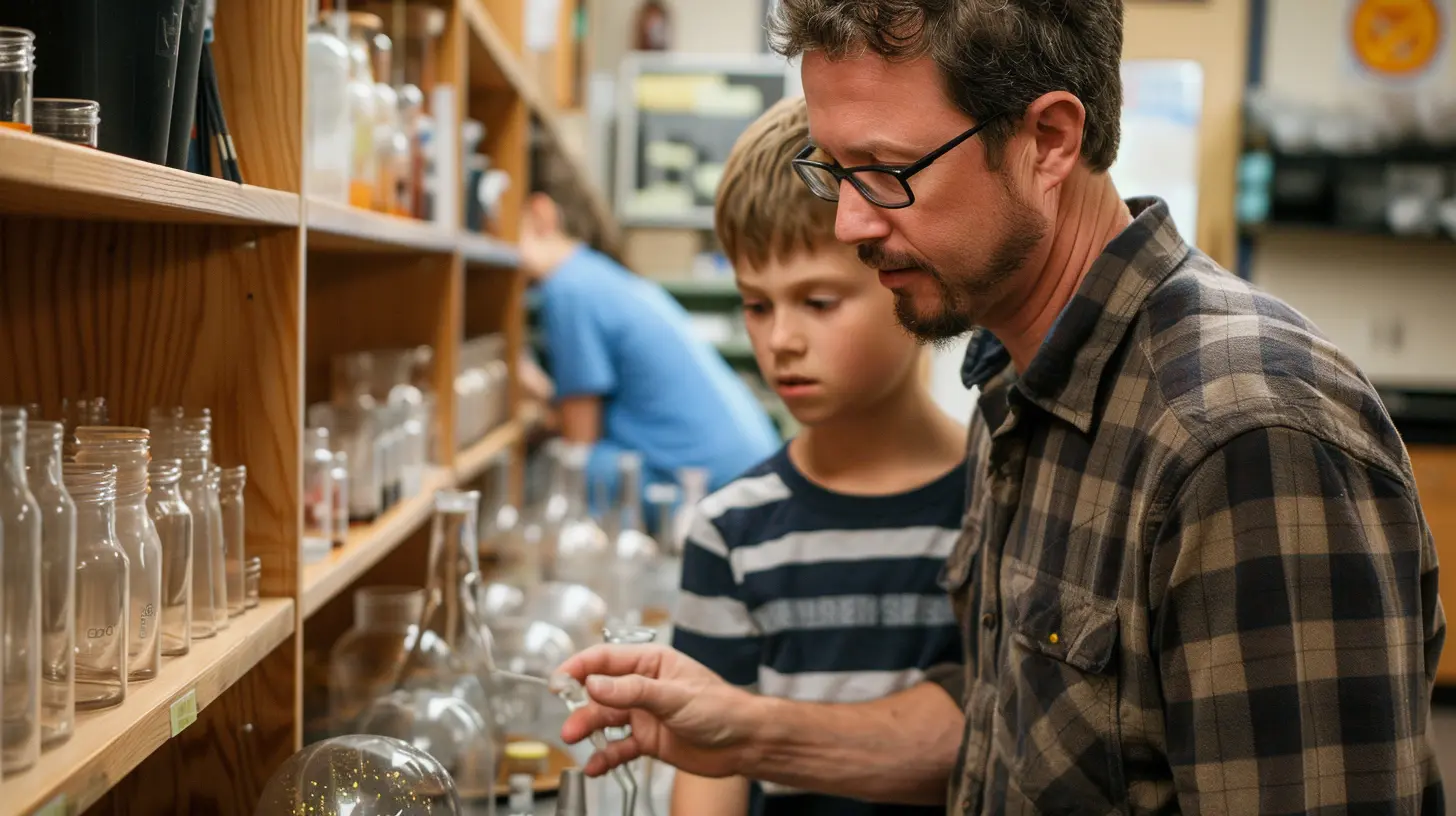
What is Inquiry-Based Learning?
Inquiry-based learning is a student-centered teaching approach that emphasizes curiosity, critical thinking, and problem-solving. Rather than passively receiving information, students explore concepts through hands-on investigations and guided questioning.At its core, inquiry-based learning revolves around these key principles:
✔ Asking Questions – Encouraging students to be curious and wonder about the world.
✔ Investigating & Exploring – Conducting experiments, making observations, and gathering evidence.
✔ Analyzing Findings – Examining results, spotting patterns, and drawing conclusions.
✔ Communicating Discoveries – Sharing ideas, discussing results, and refining understanding through collaboration.
This approach shifts the role of the teacher from a dispenser of knowledge to a facilitator of learning, guiding students as they uncover scientific principles on their own.
The Four Levels of Inquiry-Based Learning
Inquiry-based learning isn’t a one-size-fits-all approach. It can be structured in different ways depending on how much guidance students receive:1. Confirmation Inquiry
At this level, students confirm a principle with a pre-determined experiment. The teacher provides the question, procedure, and expected outcome. Though it’s still hands-on, it doesn’t require much critical thinking.Example: A teacher gives students a vinegar and baking soda experiment to confirm the concept of chemical reactions.
2. Structured Inquiry
Students are given a problem and a method to explore, but they must analyze the data and draw their own conclusions.Example: Investigating how plants grow under different light conditions using a provided setup.
3. Guided Inquiry
Students are given a question, but they design their own investigation. This fosters deeper thinking and decision-making skills.Example: Designing an experiment to test which type of soil retains the most water.
4. Open Inquiry
Students formulate their own questions, design experiments, and analyze results—completely driving their own learning.Example: A student wonders why some metals rust faster than others and devises an experiment to test different environmental conditions.
The higher the level of inquiry, the more critical thinking and creativity students develop.

Why is Inquiry-Based Learning Essential in Science?
Science isn’t just about knowing facts—it’s about understanding how things work. Inquiry-based learning makes science learning more engaging, meaningful, and long-lasting. Here’s why it matters:🔬 Encourages Curiosity & Exploration
Children are natural-born scientists. Ever seen a kid ask "Why is the sky blue?" or "What happens if I mix these?" Inquiry-based learning builds on that natural curiosity instead of shutting it down with rote memorization. When students have the freedom to ask their own questions and investigate answers, science becomes exciting!🧠 Develops Critical Thinking & Problem-Solving Skills
Instead of just memorizing formulas and facts, students think like scientists—analyzing data, making predictions, and solving problems. These skills go beyond the classroom and prepare them for real-world challenges.🎭 Boosts Engagement & Retention
Let’s face it—lectures can be boring. But when students actively participate in their learning, they’re far more likely to remember and understand concepts. Hands-on experiments, group discussions, and real-world applications make learning sticky.👥 Promotes Collaboration & Scientific Communication
In inquiry-based learning, students often work in groups, sharing ideas, questioning assumptions, and debating conclusions—just like actual scientists. These interactions help them develop communication and teamwork skills, which are valuable in any career.📚 Prepares Students for Future Careers in STEM
STEM fields (Science, Technology, Engineering, and Math) rely heavily on experimentation and problem-solving. By fostering these skills early on, inquiry-based learning prepares students for future STEM careers where critical thinking and innovation are key.
How to Implement Inquiry-Based Learning in a Science Classroom
If you’re an educator, shifting towards inquiry-based teaching can feel overwhelming at first. But don’t worry—here are some practical steps to get started:1. Start with an Engaging Question
Every great scientific discovery starts with a question. Spark curiosity with open-ended questions like:- What makes bread rise?
- Why do some objects float while others sink?
- How does temperature affect chemical reactions?
These kinds of questions ignite curiosity and set the stage for investigation.
2. Provide Hands-On Exploration Opportunities
Give students materials, tools, and freedom to explore. Let them observe, experiment, and collect data firsthand. The more hands-on the experience, the deeper the learning.3. Encourage Hypothesis and Experimentation
Guide students in forming hypotheses, testing their ideas, and drawing conclusions. Let them fail and learn from mistakes—after all, that’s what real science is all about!4. Use Real-World Applications
Tie lessons back to real-world problems. For example, studying water filtration can lead into discussions about clean drinking water worldwide. When students see the relevance, they’re more engaged.5. Promote Reflection and Discussion
After experiments, encourage students to discuss their findings, compare results, and reflect on their learning process. This solidifies concepts and helps them refine their thinking.6. Embrace Technology & Digital Tools
Use apps, virtual simulations, and online databases to enhance inquiry-based learning. Platforms like PhET, NASA’s educational tools, and virtual labs allow students to experiment beyond the physical classroom.7. Foster a Growth Mindset
Science is about trial and error. Encourage students to embrace mistakes as learning opportunities rather than failures. A classroom that values curiosity over correctness creates confident, independent learners.Overcoming Challenges in Inquiry-Based Learning
Like any teaching method, inquiry-based learning comes with challenges:🛠 Time Constraints – Inquiry takes longer than traditional teaching. However, focusing on key concepts rather than covering everything can make it manageable.
🤔 Student Frustration – Some students struggle with open-ended learning. Providing scaffolding and guidance can ease them into it.
🎭 Assessment Difficulties – Standardized tests don’t always align with inquiry-based learning. Using performance-based assessments, reports, and presentations can provide a better picture of student understanding.
With patience and the right strategies, these challenges can be minimized while still reaping the benefits of inquiry-driven learning.
Final Thoughts
Inquiry-based learning transforms science education from a dull, fact-memorization exercise into an engaging, investigative adventure. By encouraging students to ask questions, experiment, and think critically, we equip them with the skills needed for both the modern workforce and lifelong learning.Instead of just giving students answers, let’s teach them how to find answers for themselves. Because science isn’t about knowing everything—it’s about having the curiosity to keep asking why.
all images in this post were generated using AI tools
Category:
Teaching StrategiesAuthor:

Charlotte Rogers
Discussion
rate this article
12 comments
Valerie McManus
Great insights on inquiry-based learning! It's inspiring to see how fostering curiosity can transform science education and encourage deeper exploration among students. Thank you for sharing!
February 17, 2026 at 3:23 AM
Charlotte Rogers
Thank you for your kind words! I'm glad you found the insights inspiring. Fostering curiosity truly is key to enhancing science education!
Naya McGrady
Great insights! Inquiry-based learning truly ignites curiosity!
December 30, 2025 at 4:25 AM
Charlotte Rogers
Thank you! I'm glad you found it insightful—curiosity is at the heart of effective learning!
Dahlia Campbell
Inquiry ignites the mind's flame, guiding young explorers through science's wondrous, uncharted terrain.
November 28, 2025 at 5:31 AM
Charlotte Rogers
Thank you! I'm glad you appreciate the essence of inquiry-based learning in science. It truly does inspire curiosity and exploration among young minds!
Uri McPherson
This article effectively highlights the transformative power of inquiry-based learning in science education. By fostering curiosity and encouraging exploration, educators can ignite a passion for discovery in students. Implementing these strategies can lead to deeper understanding and engagement, preparing students for real-world scientific challenges. Great insights!
October 30, 2025 at 3:57 AM
Charlotte Rogers
Thank you for your thoughtful feedback! I'm glad you found the article highlights the importance of fostering curiosity and exploration in science education.
Jacob Johnson
Thank you for this insightful article on inquiry-based learning in science. I appreciate how it highlights the importance of fostering curiosity and exploration in students. It’s inspiring to see practical strategies that can ignite a love for learning. I look forward to implementing these ideas in my own classroom!
October 1, 2025 at 10:25 AM
Charlotte Rogers
Thank you for your kind words! I'm glad you found the article inspiring and hope it helps ignite curiosity in your classroom. Happy teaching!
Fiona McKee
Who needs magic when you have inquiry-based learning? Watch students turn into mini-scientists—lab coats optional, curiosity mandatory!
September 1, 2025 at 7:54 PM
Charlotte Rogers
Absolutely! Inquiry-based learning empowers students to explore and discover, making them the true scientists of their own learning journey. Curiosity is indeed the key!
Wolf Horne
Curiosity fuels learning; inquiry-based methods ignite passion for scientific exploration.
August 15, 2025 at 7:36 PM
Charlotte Rogers
Thank you for highlighting the connection between curiosity and inquiry-based learning! It's essential for inspiring the next generation of scientists.
Bianca McCracken
This article brilliantly highlights the transformative power of inquiry-based learning in science. By fostering curiosity and encouraging exploration, educators can ignite a passion for discovery in students, making science not just a subject to study, but a journey to embark upon.
August 14, 2025 at 3:28 AM
Charlotte Rogers
Thank you for your insightful comment! I agree that inquiry-based learning truly transforms the way students engage with science, turning it into an exciting journey of discovery.
Martha McWhorter
Inquiry-based learning in science is like giving students a treasure map to curiosity! 🌟 Instead of traditional lectures, they become explorers, asking questions and seeking answers. It’s an adventure that ignites their passion for discovery. Let’s fuel their curiosity and watch them shine like the stars they are! ✨🔍
August 13, 2025 at 11:14 AM
Charlotte Rogers
Absolutely! Inquiry-based learning transforms students into curious explorers, fostering a deeper passion for science and discovery. Let’s continue to inspire their adventurous spirits! 🌟✨
Sloan McGuffin
Absolutely inspiring! Inquiry-based learning truly ignites curiosity and fosters a passion for exploration in science!
August 12, 2025 at 7:24 PM
Charlotte Rogers
Thank you! I'm glad you found it inspiring—curiosity is at the heart of true learning!
Gabriel McDougal
Inquiry-based learning transforms education by nurturing curiosity and empowering students to explore. It encourages them to question, investigate, and discover, fostering a deeper understanding of scientific concepts and instilling a lifelong love for learning.
August 11, 2025 at 3:51 AM
Charlotte Rogers
Thank you for your insightful comment! I completely agree—nurturing curiosity through inquiry-based learning is key to fostering a deeper understanding and passion for science.
Avery Vasquez
Great insights on inquiry-based learning! It truly fosters curiosity and enhances students' exploration in science. Thank you for sharing!
August 10, 2025 at 10:44 AM
Charlotte Rogers
Thank you for your kind words! I'm glad you found the insights valuable. Curious minds lead to amazing discoveries!
MORE POSTS

Understanding the Stages of Early Childhood Social Development

How to Use Formative Assessment to Close Learning Gaps

Teaching Students to Recognize Logical Fallacies

Why Phonemic Awareness Is Key to Early Literacy

Encouraging Critical Thinking in the Early Years

Music and Mindfulness: Teaching Students to Focus

Integrating Mindfulness into the Daily School Routine

Lesson Plans for Inquiry-Based Learning in the Science Classroom