The Benefits of Mixed-Age Classrooms in Early Childhood Education
4 November 2025
Alright, let’s get real for a moment. If you’ve never walked into a mixed-age classroom and seen the magic unfold, you’re missing out. Picture this: tiny humans of varying ages all buzzing around one room — some are still figuring out how scissors work, while others are already dishing out craft advice like mini art professors. It’s chaotic. It’s adorable. And oh, honey, it’s powerful.
Now, before you roll your eyes and think, “Isn’t it better to keep kids grouped by age?”, sit tight. Because mixed-age classrooms might just be the secret sauce early childhood education's been seasoning in the background. Let’s unpack this bold, beautiful educational setup and spill the tea about why it works like a charm.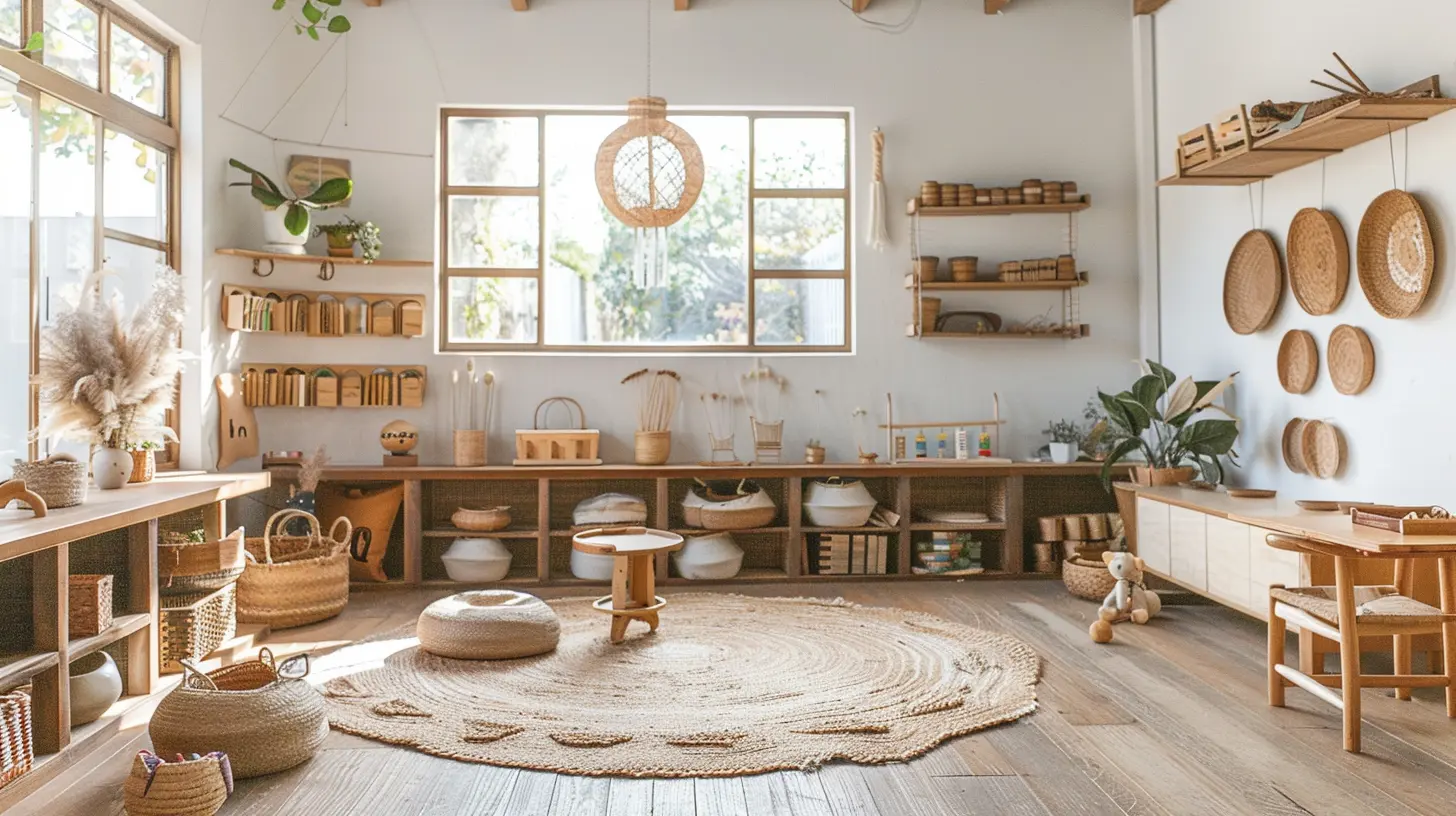
What Exactly Is a Mixed-Age Classroom?
Okay, let’s break it down. A mixed-age classroom is exactly what it sounds like — kiddos of different ages (usually across a three-year span) learning and playing together in one big happy room. Think Montessori schools, progressive preschools, and even some forward-thinking daycare centers.Instead of separating kids by birth year (as in traditional classrooms), mixed-age environments blend children together with the intent of creating more organic, community-style learning. It’s less about “what age are you?” and more about “what can you bring to the table?”
Sounds a little unconventional, right? That’s because it is. And that’s exactly what makes it awesome.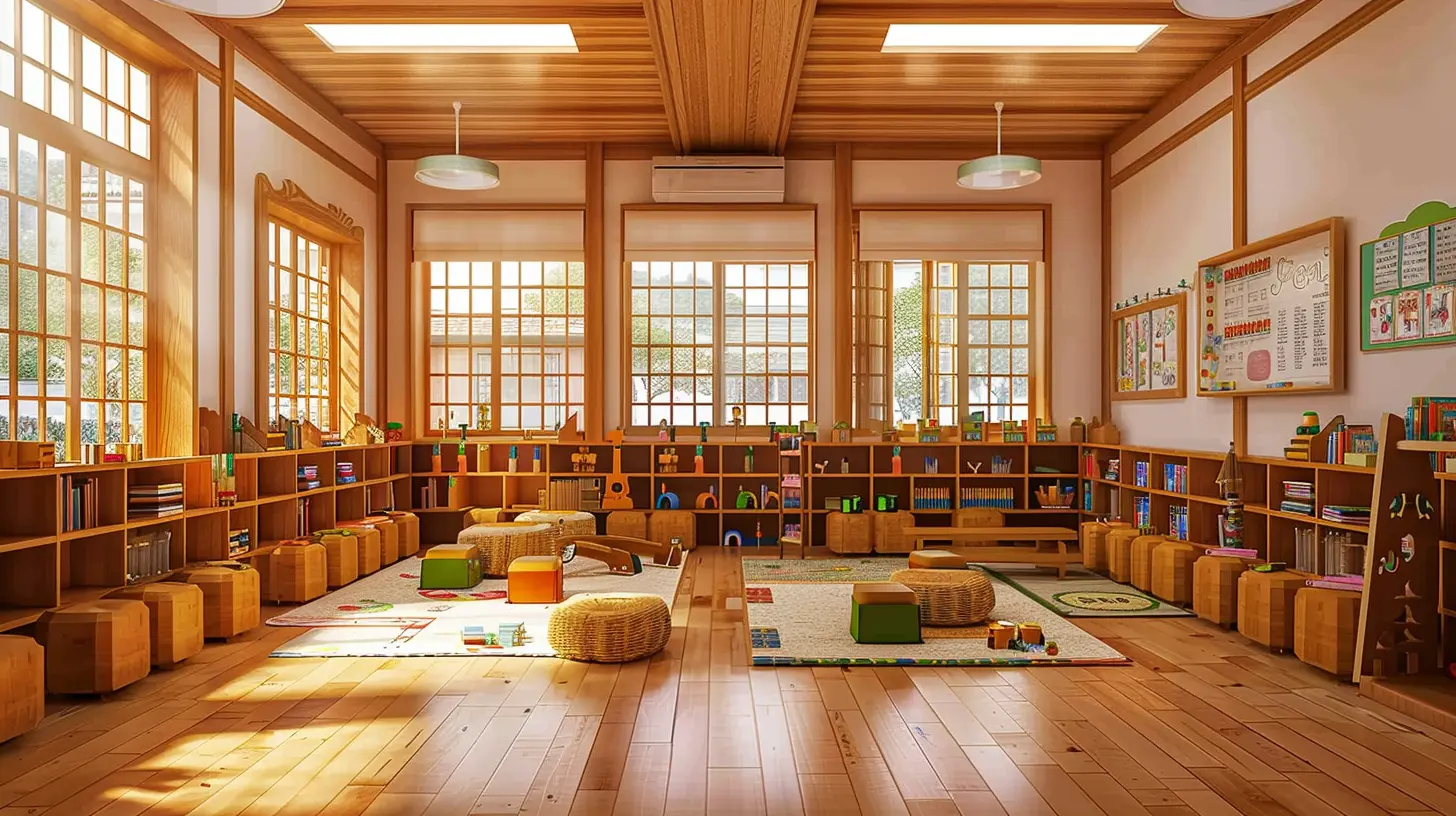
1. Say Hello to Real-Life Social Skills
Let’s talk about life skills, shall we? In the real world, we don’t work, live, or play with people who are the exact same age as us. Yet, in schools, we often stick kids in tight age-based bubbles. Weird, huh?Mixed-age classrooms flip that script. Younger kids learn to communicate with older peers, and older ones learn patience, empathy, and leadership by interacting with littles. It’s like a social skills boot camp — minus the drill sergeant.
And guess what? These interactions are not forced. They’re organic. When a 3-year-old asks a 5-year-old for help opening snack packets, that’s not just snack time — that’s real-life mentoring. These moments build confidence and kindness. And let’s be honest, the world could use a lot more of both.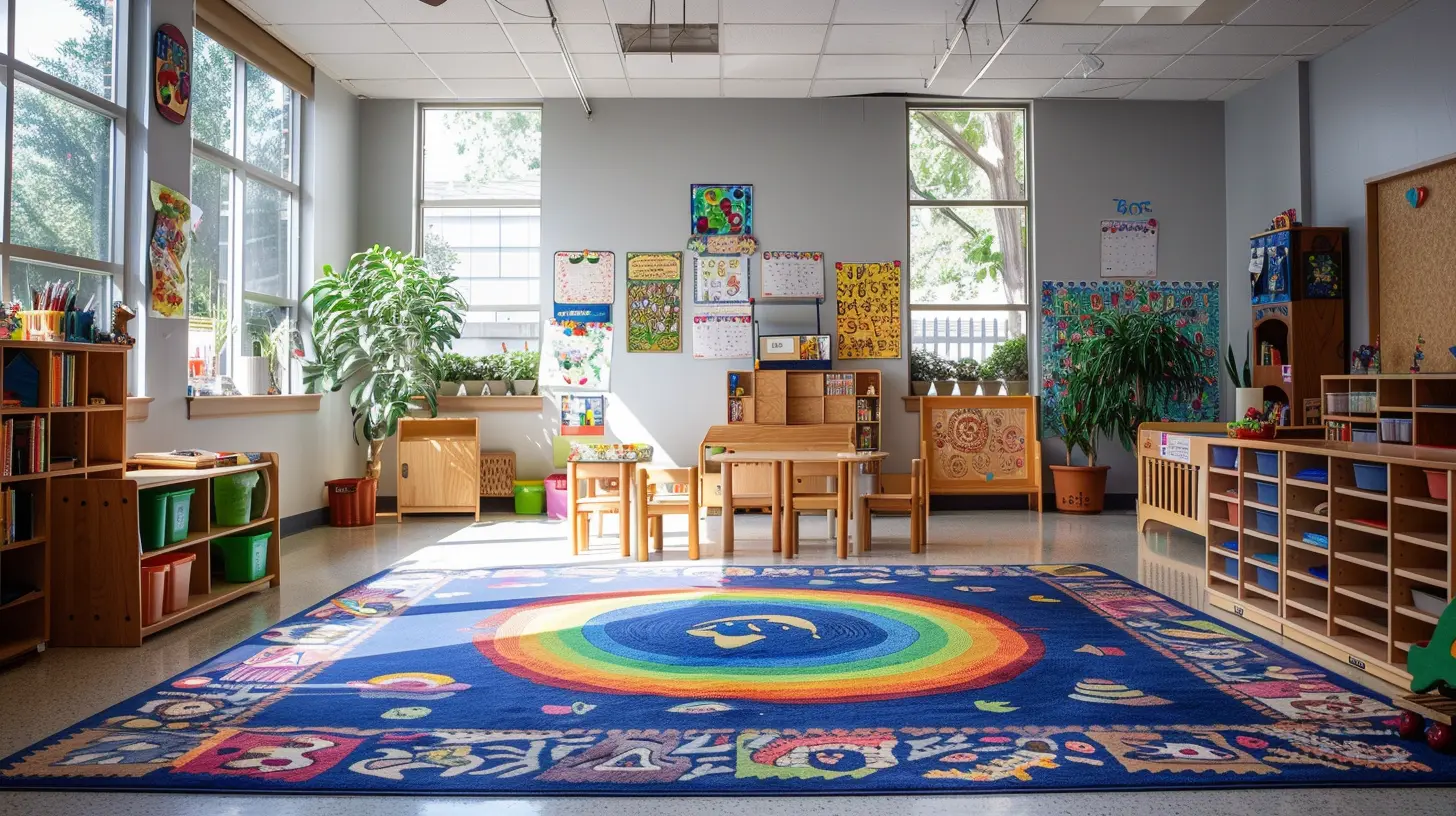
2. Learning at Your Own Pace? Yes, Please!
Can we finally admit that not all kids develop at the same speed? I mean, come on — some toddlers are writing their names before they stop wearing pull-ups, and others take their sweet time. And that's perfectly okay.Mixed-age classrooms embrace this with open arms. They nix the whole “one-size-fits-all” approach. Kids aren’t boxed into grade-level expectations. Instead, they’re encouraged to grow at their own pace.
A 4-year-old who’s obsessed with numbers? Let ‘em dive into math activities typically reserved for kindergartners. A 5-year-old still working on phonics? No shame, no pressure, no judgment. Mixed-age settings promote a flexible curriculum, where learning is tailored to the child — not the calendar.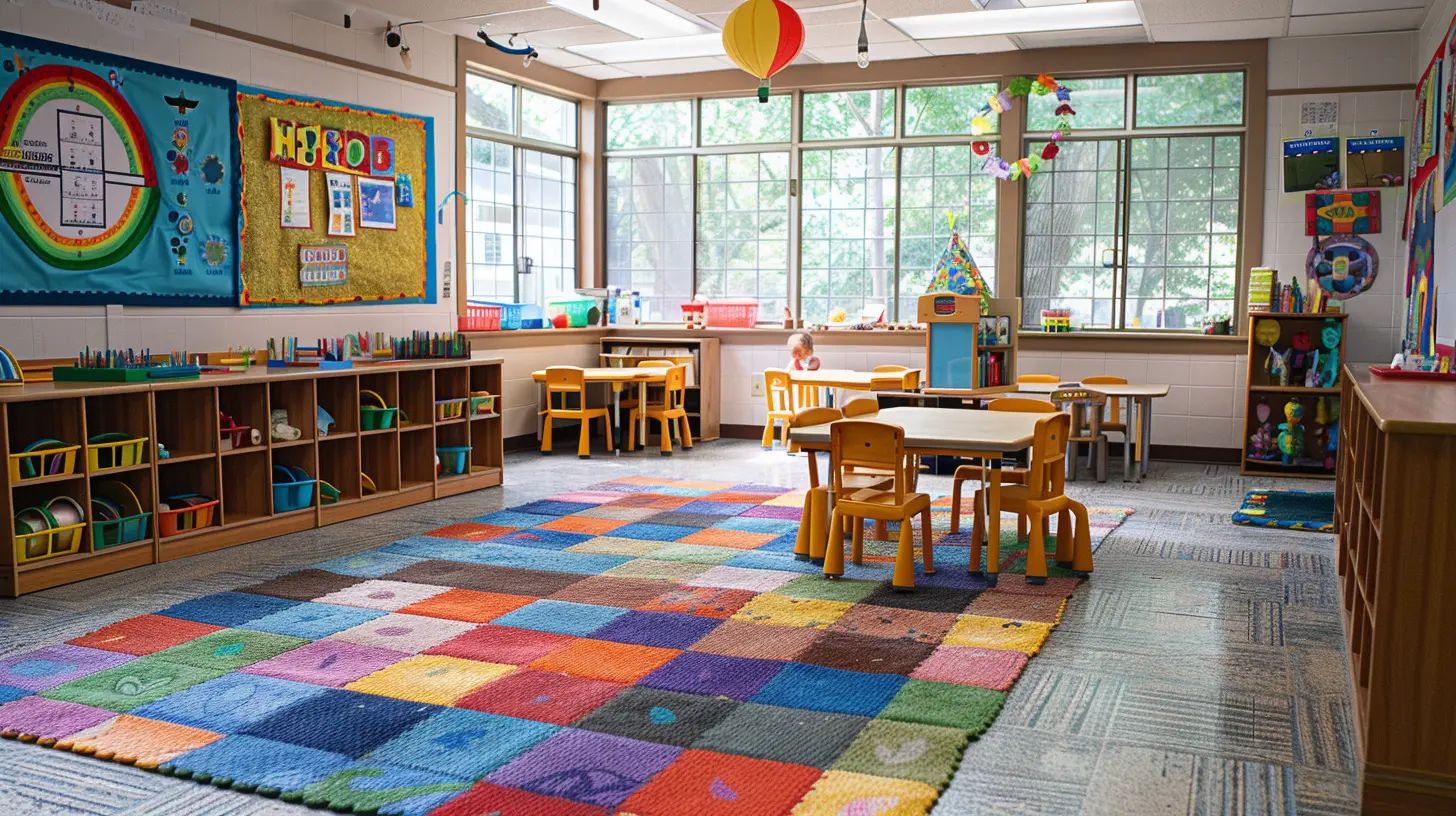
3. Little Teachers, Big Lessons
Let’s get one thing straight: Kids are smart (sometimes scary smart). And when older kids explain a concept to younger ones, something magical happens. It’s like peer tutoring — but with juice boxes and story time.Older kids reinforce their own learning by teaching (“Wait, I know this enough to explain it?!”), and younger ones often grasp concepts faster when a peer shows them instead of an adult. It’s like getting directions from your friend instead of GPS — it just clicks differently.
And here’s the kicker: the older ones start seeing themselves as role models. Suddenly, behavior matters. Attitudes mature. Responsibility levels up. It’s like sprinkling a little accountability fairy dust over the classroom.
4. Lower Pressure, Higher Confidence
Let’s be honest — traditional classrooms can be super competitive. The race to read, write, and conquer math can be brutal. But in mixed-age environments? The pressure cooker disappears.Kids aren’t constantly compared to same-age peers. There’s no invisible stopwatch ticking down how fast they should learn to count to 100. This fosters a space where kids feel safe to take risks — to try, to fail, to try again. And that kind of freedom? Priceless.
When children aren’t constantly measured against others, their confidence blossoms. They start participating more, expressing opinions, and exploring interests — not because they have to, but because they want to.
5. Stronger Sense of Community
Here’s where mixed-age classrooms absolutely shine. They’re not just a classroom — they’re a community. There’s a built-in buddy system. Kids look out for each other. There’s a softness in the way older children tie little ones’ shoelaces or explain rules during a game.This sense of belonging fosters emotional security. And emotional security, my friend, is the cornerstone of meaningful learning. When kids feel safe, seen, and supported, they thrive academically, socially, and personally.
No one’s just counting the days until graduation here — they’re building bonds, creating memories, and developing a deep respect for others that lasts for years to come.
6. Teachers Become Superheroes in Disguise
Let’s just shout out the teachers real quick. Managing a classroom with a variety of ages? That takes skill, patience, and probably a serious coffee addiction. But the payoff? Totally worth it.Mixed-age educators become masters of differentiation. They learn to adapt lessons on the fly, tailor activities, and create inclusive experiences that challenge every child — no matter their age.
And here’s the plot twist: this style of teaching often leads to better teacher-student relationships. Because mixed-age groups are usually more stable (kids stay in the same classroom for multiple years), teachers get to deeply know their students — their quirks, strengths, struggles, and dreams. It’s like having a second family.
7. Family-Like Feel That Matches Home Vibes
If you think about it, mixed-age classrooms mimic what happens at home. Siblings of different ages share meals, toys, and tantrums under one roof. And somehow, it works.This familiar structure creates a comforting environment, especially for young children transitioning from home to school for the first time. It eases separation anxiety and allows children to observe and learn just like they would in a household.
So while the classroom might look like a mini chaos circus from the outside, inside it’s full of emotional depth, warmth, and relational growth that’s hard to fake.
8. Promotes Independence and Responsibility
In mixed-age classrooms, nobody babysits anybody. Instead, everyone's held to higher expectations in their own way. Older kids are entrusted with leadership moments, and younger ones are encouraged to speak up, engage, and solve problems instead of waiting for an adult to step in.The result? Kids become more self-reliant. They clean up after themselves, help a classmate zip up their coat, or figure out how to share resources like seasoned negotiators. It builds a sense of responsibility that traditional models can sometimes miss.
9. Encourages Emotional Intelligence
Now here’s the juicy part — emotional smarts. Working with peers of varying emotional maturity helps children become more emotionally aware. They learn to adjust their behavior depending on who they’re interacting with — maybe using gentler tones with younger kids or showing assertiveness with peers.That’s emotional intelligence in action, baby. And it’s one of the biggest predictors of long-term success — both in academics and life. So yes, practicing compassion in preschool? That’s a power move.
What About the Critics?
We hear the haters. “Won’t older kids get held back?” “Won’t younger kids be overwhelmed?” It’s natural to have concerns. But here's the thing: when properly designed and supported, mixed-age classrooms have more than enough flexibility to meet everyone’s needs.Older kids still get challenged. Younger ones still get structure. And teachers? They’re trained to balance both ends of the developmental spectrum like tightrope walkers at an educational circus.
The Wrap-Up: It’s Not Just a Trend, It’s a Movement
Mixed-age classrooms aren’t some hippie experiment from the 70s. They’re grounded in solid pedagogy and backed by years of positive outcomes. When done right, they create nurturing, enriching environments that elevate everybody — the shy ones, the talkative ones, the advanced learners, and the late bloomers.So if you’re a parent, educator, or just someone who cares about how we raise the next generation — keep your eyes on mixed-age classrooms. Because the benefits? Oh honey, they're not just educational. They're transformational.
Final Thoughts: Let Kids Be Kids (Together)
When we stop obsessing over age and start focusing on ability, empathy, and community, magic happens. Mixed-age classrooms let kids explore who they are, help each other grow, and learn in ways that go far beyond test scores.So yeah, forget cookie-cutter learning and start thinking patchwork quilt — colorful, diverse, and stitched together with love and purpose. Now that’s an education worth talking about.
all images in this post were generated using AI tools
Category:
Early Childhood EducationAuthor:

Charlotte Rogers
Discussion
rate this article
12 comments
Theo McKnight
Mixed-age classrooms are a powerful catalyst for holistic growth in early childhood education. They foster collaboration, empathy, and mentorship among children, allowing for diverse learning experiences. By embracing this dynamic environment, we empower young minds to thrive, adapt, and develop critical social skills that will guide them throughout life!
February 26, 2026 at 8:27 PM
Charlotte Rogers
Thank you for your insightful comment! I agree that mixed-age classrooms significantly enhance social skills and collaboration, providing a rich and dynamic learning environment for young children.
Beau McEvoy
Excited to learn how mixed-age classrooms inspire!
January 26, 2026 at 11:36 AM
Charlotte Rogers
Thank you! I'm thrilled to share how mixed-age classrooms foster collaboration and enhance learning experiences for all children.
Alexia Elliott
Mixed-age classrooms? More like mixed-greatness! Kids learn from each other while teachers sip their coffee—it's a win-win for education and caffeine lovers alike!
December 14, 2025 at 9:51 PM
Charlotte Rogers
Thank you for your fun perspective! Mixed-age classrooms indeed foster peer learning and create a dynamic environment where both kids and teachers thrive.
Daria Bass
Mixed-age classrooms foster collaboration, social skills, and leadership among young learners. They promote individualized learning, allowing older children to mentor younger peers, enhancing confidence and engagement. This dynamic creates a rich, inclusive educational environment for all.
November 15, 2025 at 1:30 PM
Charlotte Rogers
Thank you for highlighting the key advantages of mixed-age classrooms! Your insights on collaboration, mentorship, and individualized learning truly capture the essence of their positive impact on early childhood education.
Bryce McCartney
Mixed-age classrooms foster collaboration, social skills, and individualized learning, enriching early childhood education experiences.
November 14, 2025 at 5:25 AM
Charlotte Rogers
Thank you for your insightful comment! I completely agree that mixed-age classrooms promote valuable collaboration and individualized learning, enhancing the overall early childhood education experience.
Desiree McDermott
Great article! Mixed-age classrooms really foster a sense of community and collaboration among young learners. It’s amazing how kids can learn from each other at different stages. This approach not only supports social skills but also encourages empathy and leadership. Love this topic!
November 12, 2025 at 7:45 PM
Charlotte Rogers
Thank you for your thoughtful comment! I completely agree—mixed-age classrooms truly enhance community and collaboration among young learners.
Leah Bass
Mixed-age classrooms are a game-changer! They foster collaboration, empathy, and leadership skills among young learners. By mixing ages, we challenge the rigid, outdated norms of education, allowing children to thrive in a more dynamic, inclusive environment that mirrors real-world diversity. It’s time to embrace this transformative approach!
November 12, 2025 at 5:20 AM
Charlotte Rogers
Thank you for your insightful comment! I completely agree—mixed-age classrooms indeed cultivate essential skills and reflect the diverse world we live in, promoting a richer learning environment for all children.
Darius McBride
Mixed-age classrooms: where toddlers learn from the seasoned pros and the preschoolers perfect the art of sharing. It's like a mini United Nations, but with more crayons and fewer diplomatic incidents!
November 11, 2025 at 7:59 PM
Charlotte Rogers
Thank you for capturing the essence of mixed-age classrooms! They truly foster collaboration, empathy, and creativity among young learners in a unique way.
Norah Maddox
Mixed-age classrooms foster social skills, collaboration, and empathy among children by promoting peer learning and mentorship. This diverse setting allows younger students to observe and imitate older peers, while older children reinforce their knowledge by teaching. Overall, mixed-age environments enhance emotional and cognitive development in early childhood education.
November 11, 2025 at 11:29 AM
Charlotte Rogers
Thank you for your insightful comment! I completely agree—mixed-age classrooms indeed create a rich environment for social and emotional growth through peer learning and mentorship.
Amira Jackson
Mixed-age classrooms foster collaboration and social skills development.
November 10, 2025 at 5:43 AM
Charlotte Rogers
Thank you for your comment! I wholeheartedly agree—mixed-age classrooms indeed enhance collaboration and promote the development of vital social skills among young learners.
Matteo Huffman
Mixed-age classrooms foster peer learning, promoting social skills and emotional development. Younger children benefit from mentorship, while older students reinforce their knowledge by teaching. This dynamic cultivates a diverse learning environment that enhances collaboration and adaptability, essential skills for navigating today's complex world.
November 8, 2025 at 1:29 PM
Charlotte Rogers
Thank you for highlighting the key benefits of mixed-age classrooms! It’s true that this approach not only fosters peer learning but also enhances essential social and emotional skills for all students involved.
Skyler Oliver
Mixed-age classrooms promote social skills, peer learning, and emotional development. By fostering a diverse learning environment, children benefit from collaboration and mentorship, enhancing their overall growth and understanding.
November 6, 2025 at 5:13 AM
Charlotte Rogers
Thank you for highlighting these key benefits! Mixed-age classrooms indeed create rich opportunities for collaboration and personal growth among children.
MORE POSTS

Rethinking Computer Science Education: Coding for Real-World Applications

Incorporating World Music in the Classroom

Why Coding Should Be a Core Subject in Every School Curriculum

The Link Between Classroom Assessment and Student Engagement

Creating Standards-Based Assessments That Truly Measure Mastery

Study Strategies for Open-Book and Open-Note Exams

The Connection Between Mindfulness and Growth Mindset

Coding as a Tool for Social Justice: Empowering Students to Solve Real-World Problems