Differentiation in Project-Based Learning: Tailoring Projects to Diverse Learners
26 September 2025
Project-Based Learning (PBL) is like the Swiss Army knife of education—it slices through boredom, dices up disengagement, and even opens the bottle of curiosity that’s been sealed tight for some students. But here’s the thing: not all learners are cut from the same cloth. Some prefer scissors to glue, others sparkle with glitter instead of graphs. So, how do we make sure every student feels like a rockstar in their project-based spotlight?
Enter: Differentiation.
It’s not just a buzzword teachers toss around during staff meetings. Differentiation in Project-Based Learning is the key to unlocking every student’s unique genius. Let’s break it down in a way that doesn’t require a PhD in Educationese.
What is Differentiation in PBL, Anyway?
Let’s start with first base. Differentiation in Project-Based Learning means tweaking and tailoring projects to match each student’s strengths, needs, interests, and learning styles. So instead of one-size-fits-nobody, you’ve got a learning experience tailor-made like a fine Italian suit… but way less expensive.In more teacher-y terms, it's about adjusting content, process, product, and environment to help students access learning at their own pace and in their own way—all while still hitting the same academic goals.
Think of it like a buffet: everyone gets fed, but they don’t all pile their plates the same way. And frankly, nobody wants to be forced to eat the metaphorical Brussels sprouts of learning.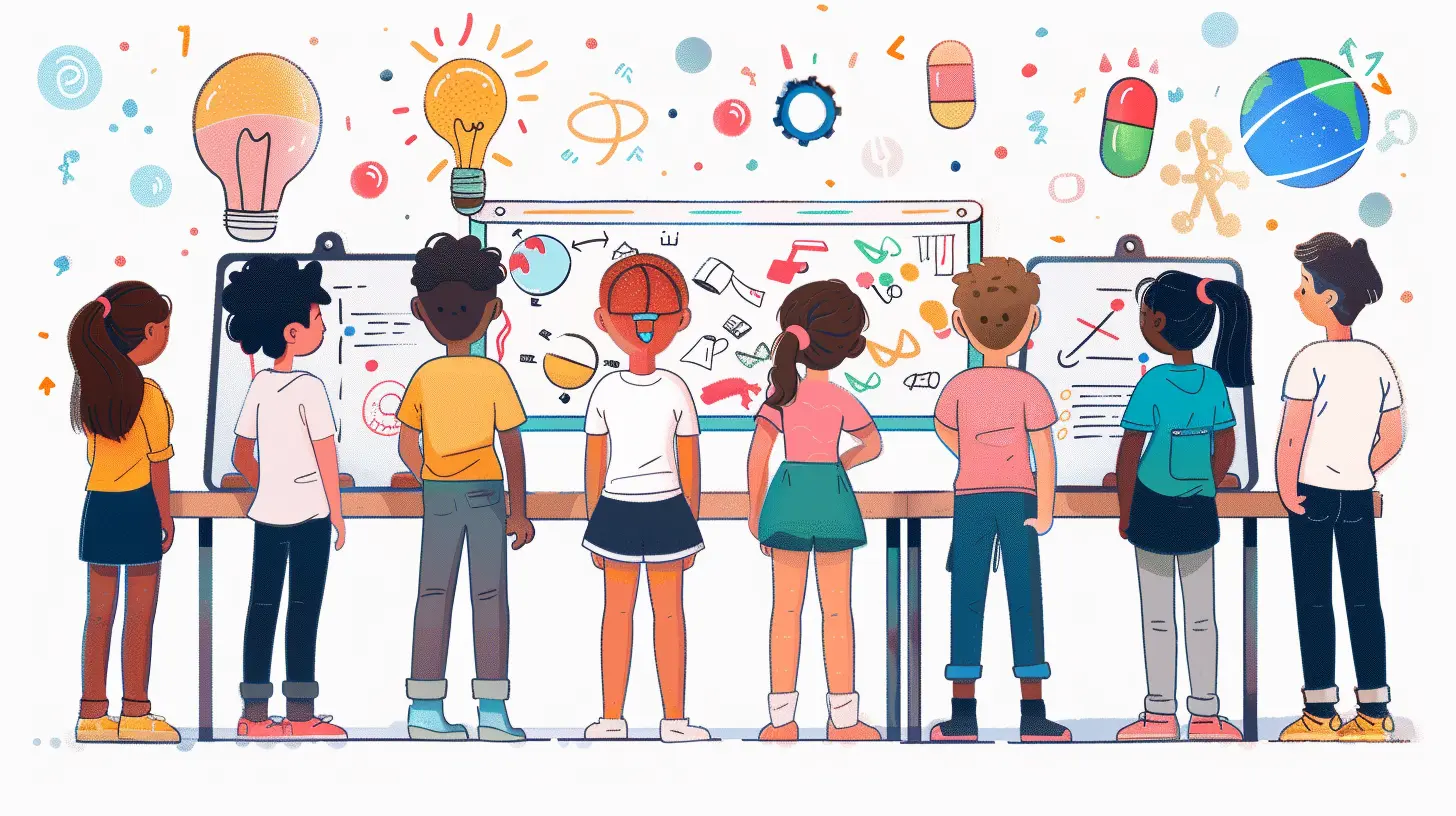
Why Differentiation in PBL Matters (Hint: It’s a Big Deal)
If you've ever taught a classroom full of students who range from daydreaming doodlers to spreadsheet wizards, you already know why differentiation is essential.Here’s why it really matters:
- Boosts engagement: When students feel the project connects to their lives or interests, they actually want to participate (I know, shocking!).
- Builds confidence: Tailoring tasks to individual skill levels helps students feel like they can actually succeed instead of silently panicking behind their Chromebooks.
- Encourages equity: Differentiation helps to close gaps and provide all learners a fair shot—this isn’t just about giving everyone the same thing, but about giving everyone what they need.
So there you have it. Differentiation is the secret sauce that makes PBL not just good, but great—for everyone.
The Core Pillars of Differentiation in PBL
Alright, it’s time to get into the juicy stuff. Let’s break differentiation down by four main areas, aka "The Fantastic Four of Teaching.”1. Content: What Students Learn
Okay, so this part is about the “what.” With PBL, students are usually exploring a big juicy question or problem. But how they access and explore that content can vary wildly.Here’s how to differentiate content:
- Offer choices in topics or themes. Let them pick a community issue they care about or a scientific question that keeps them up at night.
- Use varied resources (videos, articles, podcasts, VR tours—you name it).
- Provide leveled readings or translations to support multilingual learners or different reading levels.
Because let’s be honest—forcing every student to read the same textbook chapter is like asking every diner to eat the same sandwich. Not gonna work.
2. Process: How Students Learn
This one’s the “how.” Process is all about the journey your learners take to get from “Huh?” to “Aha!”To differentiate the process:
- Flexible grouping: Mix students up by interest, learning style, or skills. Think of it like forming a superhero team for every task.
- Varied strategies: Use graphic organizers, role-playing, debates, or even TikTok-style video reflections. (Gen Z approves.)
- Pace options: Let faster learners go deeper while giving others the time they need. No rush, no shame.
It’s kind of like a marathon—everyone finishes, but they can pick their own pace and playlist.
3. Product: How Students Show What They Know
Now we’re talking about the “ta-da!” moment. The final product in PBL doesn’t have to be a boring old paper or PowerPoint. Differentiating the product means offering students different ways to show off their brilliance.Options for differentiated products:
- A podcast
- A 3D model
- A live performance
- A mobile app
- A written report, sure—but only if they choose it!
The goal is the same: demonstrate understanding. How they do it? That’s up to them. Think of it like a talent show where everyone shines in their own weirdly wonderful way.
4. Learning Environment: Where and With Whom Learning Happens
This one’s the wildcard. Sometimes, differentiation means tweaking the physical or social space for learning.Ideas for environmental differentiation:
- Quiet workspaces vs collaborative hubs
- Flexible seating (bring on the bean bags!)
- Virtual group chats for introverts who break out in hives at icebreakers
Does the environment make a difference? Heck yes. Ever tried writing a novel in a crowded cafeteria? Didn’t think so.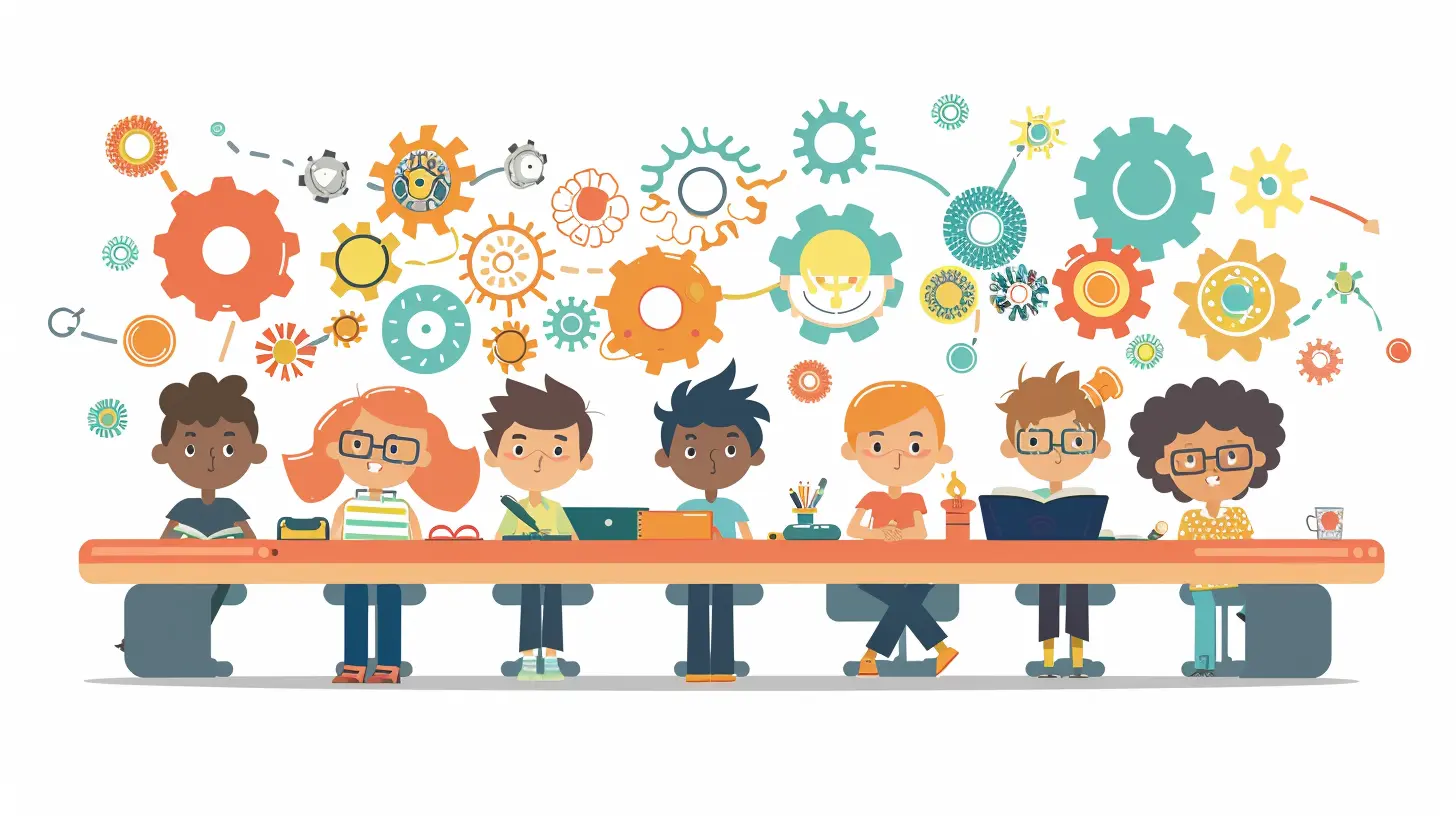
Practical Strategies for Differentiating in PBL (Without Losing Sleep)
Let’s get real for a sec: teachers are already juggling flaming swords (metaphorically, but close enough). So how can you differentiate without turning into a sleep-deprived zombie?Here are some down-to-earth strategies that actually work:
✅ Use Student Choice Boards
Choice boards are a teacher’s best friend. They’re like a menu of activities students can pick from, all aligned to the same outcome. Variety without chaos. Yes, please!✅ Incorporate Learning Profiles
Have students fill out a quick survey about how they learn best. Visual? Kinesthetic? Night owl? Morning lark? Use that data like a GPS to guide your differentiation.✅ Scaffold, Scaffold, Scaffold
Throwing students into a complex project with no support? That’s like tossing someone into the ocean and shouting “Swim!” instead of handing them a floatie.Provide:
- Step-by-step guides
- Checklists
- Rubrics
- Peer feedback sessions
These aren’t crutches—they’re springboards.
✅ Tiered Assignments
Same goal, different levels of complexity. Some students might create a simple public service announcement, while others code a website. Every route leads to learning.✅ Use Technology to Level the Playing Field
EdTech is differentiation’s BFF. Translation tools, speech-to-text, adaptive platforms—use tech to lift students up, not out.Let’s Talk Assessment (Because... We Have To)
Differentiation doesn’t mean we ditch assessment. It means we rethink it.In PBL, try:
- Formative assessments like journals, peer feedback, or quick check-ins
- Self-assessment tools so students reflect on their growth
- Rubrics that focus on skills and progress, not just the final product
Grades don’t have to kill the vibe—they can actually fuel the learning when done right.
Real Talk: Overcoming Barriers to Differentiation in PBL
Look, this all sounds magical on paper. But sometimes the reality feels more like herding caffeinated squirrels. So let’s name the elephants in the room:Limited Time
Yep. Customizing projects takes time. But remember, you don’t have to differentiate everything all at once. Baby steps. Start with one aspect—maybe product choices—and go from there.Large Class Sizes
It's hard to tailor when you’ve got 30+ teens staring back at you like "Impress me." Use peer collaboration and self-directed learning to share the load.Lack of Resources
You don’t need a high-tech makerspace or loads of cash. Creativity over currency. Use what you’ve got—poster boards, recycled materials, phone cameras. The kids will still wow you.Fear of Losing Control
Let’s be honest—differentiation feels messy. But messy doesn’t mean ineffective. Trust the process, let go a little, and watch the magic happen.Final Thoughts: Embrace the Beautiful Chaos
Differentiation in Project-Based Learning isn’t about doing more—it’s about doing it smarter. It’s about recognizing that not every learner is going to thrive in the same sandbox and then building the kind of playground that welcomes them all.Is it perfect? Nope. Is it worth it? Absolutely.
When we give students options that fit their brains, their interests, and their wild beautiful creativity, something amazing happens: They own their learning. And that, friends, is the holy grail of education.
So go ahead. Differentiate with heart, humor, and a little bit of chaos. Your students—and your sanity—will thank you.
all images in this post were generated using AI tools
Category:
Project Based LearningAuthor:

Charlotte Rogers
Discussion
rate this article
12 comments
Vito McInerney
Great insights on tailoring projects for diverse learners! Your emphasis on differentiation in project-based learning truly highlights the importance of meeting each student's unique needs. This approach can empower all students to thrive and engage meaningfully.
February 22, 2026 at 12:04 PM
Charlotte Rogers
Thank you for your thoughtful feedback! I'm glad you found the discussion on differentiation and its impact on student engagement meaningful.
Margaret McVicker
Empowering diverse learners through tailored projects enhances engagement and fosters meaningful growth.
January 13, 2026 at 8:04 PM
Charlotte Rogers
Thank you for your insightful comment! Tailoring projects indeed fosters engagement and growth by addressing the unique strengths and needs of each learner.
Grey McClintock
This article offers valuable insights into customizing project-based learning for diverse students. I'm eager to explore strategies that can effectively address varying learning styles and needs, ensuring every learner can fully engage and thrive in collaborative projects. Excited for more tips!
December 3, 2025 at 1:43 PM
Charlotte Rogers
Thank you for your enthusiasm! I'm glad you found the article valuable. Stay tuned for more strategies to support diverse learners in project-based learning!
Zanya McDowell
Embracing differentiation in project-based learning empowers every student to thrive, fostering creativity and collaboration in a supportive learning environment!
November 6, 2025 at 1:31 PM
Charlotte Rogers
Thank you for your insightful comment! I completely agree—differentiation truly enhances creativity and collaboration, enabling all students to reach their full potential in project-based learning.
Fern Wilkins
This article highlights the crucial role of differentiation in project-based learning. By acknowledging the diverse needs of learners, we can foster a more inclusive environment that enhances engagement and understanding. Tailoring projects not only promotes creativity but also allows every student to thrive and showcase their unique strengths.
October 10, 2025 at 3:59 AM
Charlotte Rogers
Thank you for your insightful comment! I'm glad you found the importance of differentiation in project-based learning highlighted in the article. Tailoring projects truly does enhance engagement and allows all students to shine.
Rowan Burton
This article brilliantly highlights the importance of differentiation in project-based learning. Tailoring projects to meet diverse learners' needs not only fosters engagement but also enhances understanding. It's essential for educators to embrace these strategies for effective and inclusive learning experiences. Great insights!
October 2, 2025 at 11:57 AM
Charlotte Rogers
Thank you for your thoughtful comment! I'm glad you found the insights on differentiation in project-based learning valuable. Embracing diverse needs truly enhances engagement and understanding.
Blake Lee
Every learner shines with the right project!
October 2, 2025 at 2:23 AM
Charlotte Rogers
Absolutely! Tailoring projects to individual strengths allows every learner to excel and truly shine.
Astralis Matthews
This article highlights the importance of adapting project-based learning to meet diverse learner needs, emphasizing that flexibility and creativity are key to fostering student engagement and success.
October 1, 2025 at 10:25 AM
Charlotte Rogers
Thank you for your insightful comment! I completely agree that flexibility and creativity are essential in adapting project-based learning to effectively engage all learners.
Chantal Jacobs
Differentiation in Project-Based Learning is essential for fostering an inclusive classroom environment. By tailoring projects to meet diverse learners' needs, educators empower all students to engage meaningfully, thereby enhancing their skills and promoting collaboration. Every learner deserves a chance to shine!
September 29, 2025 at 11:39 AM
Charlotte Rogers
Thank you for your insightful comment! I completely agree that differentiation in Project-Based Learning is vital for inclusivity and empowering all students to thrive.
Alanna McMichael
Why settle for cookie-cutter projects? Differentiation isn't just a buzzword—it's the secret sauce for engaging every learner. Let's embrace individuality in Project-Based Learning and turn that 'one-size-fits-all' approach into a vibrant tapestry of creativity and success!
September 29, 2025 at 3:38 AM
Charlotte Rogers
Absolutely! Embracing individuality in Project-Based Learning enriches the learning experience and fosters creativity, making each project unique and engaging for every learner.
Vienna McVaney
Thank you for this insightful article! It’s inspiring to see strategies for making project-based learning inclusive and effective for all diverse learners in the classroom.
September 28, 2025 at 6:43 PM
Charlotte Rogers
Thank you for your kind words! I'm glad you found the article insightful and inspiring.
Solara Stevens
Effective differentiation in PBL ignites student engagement, fostering a deeper, personalized learning experience for all.
September 27, 2025 at 10:28 AM
Charlotte Rogers
Thank you for your insightful comment! I completely agree that effective differentiation is key to enhancing engagement and personalizing the learning journey in project-based learning.
MORE POSTS

Scavenger Hunt Ideas to Reinforce Learning Objectives

Mindful Transitions: Helping Students Shift Between Lessons

Making Science Come Alive with Project-Based Learning
Activities to Promote Inclusivity and Diversity in the Classroom

Cultivating a Lifelong Reader: Strategies for Parents

The Role of Feedback in Improving Student Learning Outcomes

Practical Tips for Creating Engaging and Effective Assessments

Fostering a Love of Reading from an Early Age