Building Early Literacy Through Multisensory Learning
3 January 2026
Early literacy is the foundation of a child’s academic journey. But let’s be honest—teaching young kids to read and write isn’t always a walk in the park. Some kids pick up letters and sounds effortlessly, while others need a little extra help. That’s where multisensory learning comes in.
Instead of relying solely on textbooks or flashcards, multisensory learning engages kids by involving touch, movement, sound, and sight. And you know what? It works! When children use multiple senses to learn, they form stronger connections in their brains, making reading and writing much easier in the long run.
So, let’s dive into why multisensory learning is essential for early literacy, how it works, and some fun ways to incorporate it into a child’s daily routine. 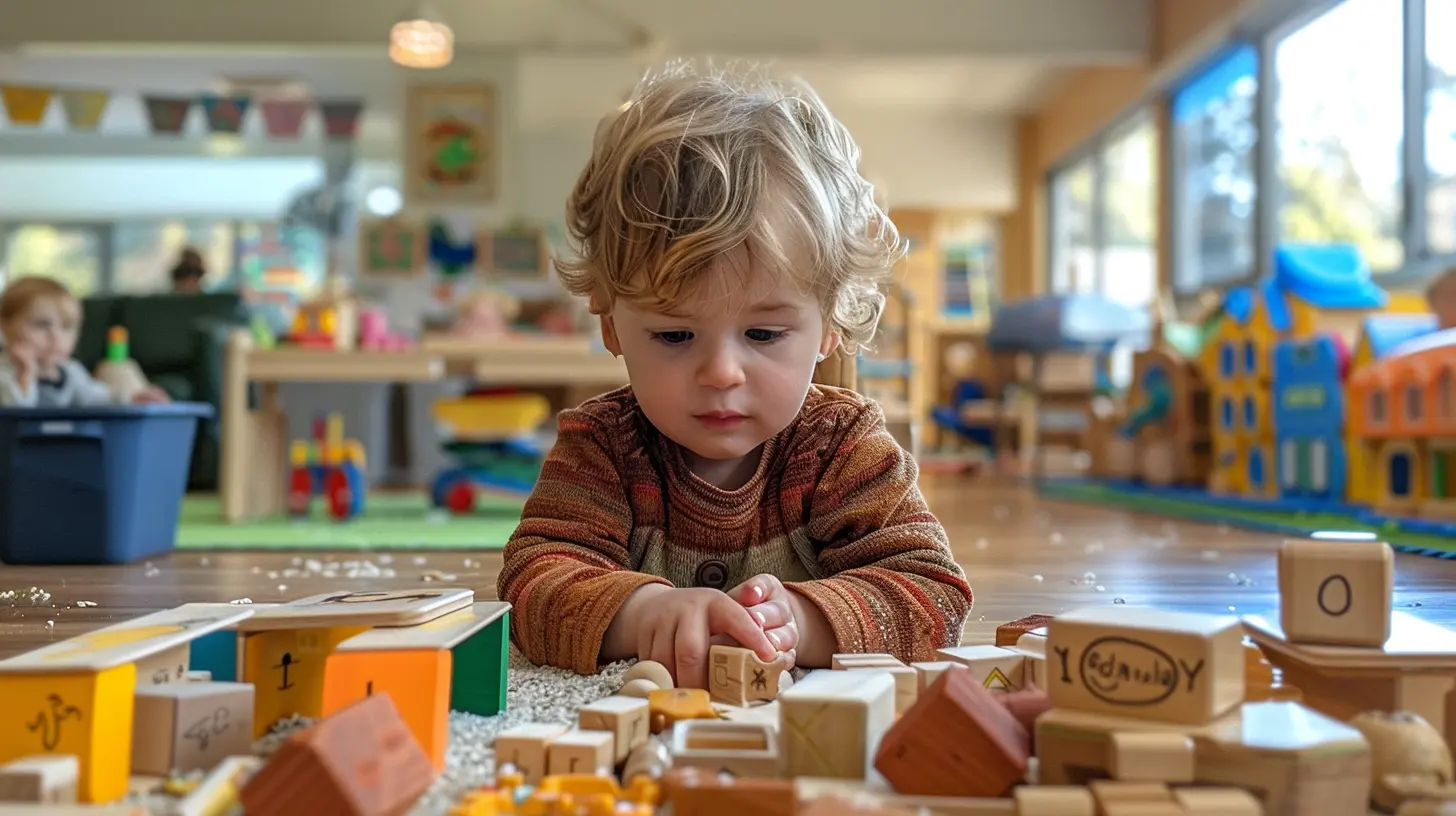
Why Multisensory Learning Boosts Early Literacy
1. Strengthens Neural Connections
When kids engage multiple senses at once—say, seeing a letter, saying its sound, and tracing it with their finger—their brains create stronger memory pathways. This makes it easier for them to recall information later.Think about how you remember a song better when you sing along versus just reading the lyrics. That’s multisensory learning in action!
2. Engages Different Learning Styles
Every child is unique, and their learning preferences vary. Some kids learn best through visual cues, some by hearing, and others by movement. Multisensory learning caters to all types:- Visual learners benefit from pictures, colors, and written words.
- Auditory learners grasp concepts through songs, rhymes, and verbal repetition.
- Kinesthetic learners learn by touching, moving, and doing hands-on activities.
By blending these methods, we create an inclusive learning environment that meets every child where they are.
3. Improves Retention and Recall
Studies show that kids using multisensory techniques retain information better than those using only one method. It’s like learning to ride a bike—once you’ve done it using your hands, feet, and balance, you never forget.Reading and writing work the same way. When children engage multiple senses, they’re not just memorizing—they’re truly understanding. 
How Multisensory Learning Supports Reading and Writing
Reading: Bringing Letters and Sounds to Life
Reading isn’t just about recognizing letters; it’s about connecting those letters to sounds and meaning. Multisensory strategies help young readers build these connections faster.- Tracing Letters While Saying Sounds – When kids trace a letter in the air or on sandpaper while saying its sound aloud, they reinforce the auditory and tactile connection.
- Using Sand, Shaving Cream, or Clay – Writing letters in these materials turns learning into a fun, sensory-rich activity.
- Phonics With Movement – Associating hand motions with letter sounds (like clapping for "C" or hopping for "H") makes phonics more exciting and memorable.
- Storytelling with Props – Using puppets, felt boards, or interactive storybooks helps kids engage with stories and language in a hands-on way.
Writing: Engaging the Hands and Mind
Writing requires more than just knowing letters—it involves hand strength, fine motor control, and memory. Here’s how to use multisensory learning to improve writing skills:- Using Textured Surfaces – Writing on bumpy paper, chalkboards, or even rice trays provides tactile feedback that strengthens motor memory.
- Letter Building with Blocks or Playdough – Instead of simply writing letters, kids can build them with manipulatives to reinforce recognition and formation.
- Finger Painting Words – Let kids "write" words with their fingers before using pencils. This makes writing feel more natural and engaging.
- Rhyming and Singing Sentences – Singing or chanting words with rhythm reinforces sentence patterns and vocabulary. 
Fun and Simple Multisensory Activities for Early Literacy
Now that we understand the benefits, let’s get into some fun, easy-to-use activities that bring multisensory learning to life.1. Alphabet Sensory Bin
How it works: Fill a container with materials like rice, sand, or pasta. Hide plastic letters inside and let kids dig them out while saying the letter name and sound.Why it works: The blend of touch, sight, and sound strengthens letter recognition.
2. Rainbow Writing
How it works: Kids write letters multiple times using different colored crayons.Why it works: The repetition combined with color activates both motor skills and visual memory.
3. Phonics Hopscotch
How it works: Draw hopscotch squares on the ground and write letters in them. As children jump into a square, they say the letter and its sound.Why it works: Movement-based learning helps with phonemic awareness and recall.
4. Sound Sorting with Objects
How it works: Gather items that start with different sounds (e.g., banana, ball, and boat for the "B" sound). Have children sort and say the beginning sounds.Why it works: Engaging multiple senses strengthens sound association.
5. Storytelling with Movement
How it works: Read a short story and incorporate actions (e.g., acting out "running" or "jumping" in the story).Why it works: Movement helps process language and improves comprehension. 
Making Multisensory Learning a Daily Habit
The best part? You don’t need fancy materials or a structured lesson plan to incorporate multisensory learning. It can seamlessly blend into everyday activities.- Cooking Together – Reading recipes aloud, measuring ingredients, and writing grocery lists all reinforce literacy.
- Grocery Store Alphabet Hunt – Have kids find objects that start with different letters while shopping.
- Singing and Dancing with Letters – Alphabet songs with movements make learning a joyful experience.
- Nature Walk Word Search – Spot and spell things around you, like "T-R-E-E" for a tree.
The key is to keep it playful and engaging so kids don’t see learning as a chore but as an adventure.
Final Thoughts
Early literacy isn’t about cramming letters and sounds into young minds—it’s about nurturing a love for reading and writing. And multisensory learning is one of the best ways to do that!By engaging kids through touch, sound, movement, and visuals, we make learning fun, interactive, and effective. Whether tracing letters in sand, hopping on phonics squares, or singing rhyming words, every little sensory experience helps build a stronger foundation for literacy.
So, next time you teach a child their ABCs, don’t just show them—let them feel, hear, and move with it! You’ll be amazed at how much faster and more joyfully they learn.
all images in this post were generated using AI tools
Category:
Early LiteracyAuthor:

Charlotte Rogers
Discussion
rate this article
12 comments
Peyton Lambert
This article highlights the importance of multisensory approaches in early literacy, emphasizing engagement and retention. A fantastic resource for educators and parents alike!
February 3, 2026 at 12:44 PM
Charlotte Rogers
Thank you for your insightful comment! I'm glad you found the article valuable for educators and parents.
Garrett Wade
Learn through play, thrive!
January 19, 2026 at 2:09 PM
Charlotte Rogers
Thank you! Absolutely, learning through play is essential for fostering early literacy and engagement.
Marley McPhee
Unlock the secrets of early literacy: discover how multisensory experiences weave a tapestry of learning that transcends traditional methods. What awaits?
January 17, 2026 at 9:39 PM
Charlotte Rogers
Thank you! I'm excited to explore how multisensory experiences can enhance early literacy and create a richer learning environment for children.
Harlow Shaffer
Delve into the vibrant world of multisensory learning, where the ordinary transforms into extraordinary gateways of literacy. What secrets lie within textures, sounds, and movement? Explore how these elements intertwine to unlock the minds of young learners, revealing pathways to a deeper understanding of language.
January 15, 2026 at 7:58 PM
Charlotte Rogers
Thank you for your insightful comment! Multisensory learning truly enhances literacy by engaging all senses, making language more accessible and memorable for young learners.
Zoey McGrath
Multisensory learning transcends traditional methods, engaging diverse pathways in the brain. By intertwining experiences across senses, we not only enhance literacy but cultivate a deeper connection to language, fostering lifelong learners.
January 14, 2026 at 1:14 PM
Charlotte Rogers
Thank you for your insightful comment! I completely agree that multisensory learning creates richer connections to language, enhancing both engagement and literacy in young learners.
Daria Lane
Embracing multisensory learning ignites a child's passion for reading! Let's nurture their imagination and confidence, laying the foundation for lifelong literacy and success!
January 14, 2026 at 4:54 AM
Charlotte Rogers
Thank you for highlighting the importance of multisensory learning! It's crucial for fostering a love of reading and building essential literacy skills in children.
Tank Dillon
Who knew learning could be this fun? 🌟 Multisensory approaches make literacy as exciting as a treasure hunt! From silly songs to tactile adventures, it’s like a party for the brain. Let’s sprinkle some joy into those reading routines! 📚🎉
January 13, 2026 at 3:26 AM
Charlotte Rogers
Absolutely! Multisensory learning transforms literacy into an engaging adventure, making every reading session a joyous exploration. Let’s keep the party going! 🎉📚
Dior Thompson
This article highlights the vital role of multisensory learning in developing early literacy skills. Engaging multiple senses not only enhances retention but also caters to diverse learning styles, making literacy accessible and enjoyable for all children. A must-read for educators and parents!
January 12, 2026 at 1:33 PM
Charlotte Rogers
Thank you for your insightful comment! I'm glad to hear you found the article valuable for enhancing early literacy through multisensory learning.
Kimberly Rios
Oh, fantastic! Because who wouldn’t want to juggle, sing, and sculpt letters while trying to read? I mean, why stick to boring old books when you can turn the classroom into a circus? Clearly, literacy is best learned with a side of finger paint and interpretive dance!
January 12, 2026 at 4:12 AM
Charlotte Rogers
I appreciate your humor! Multisensory learning can indeed make literacy engaging and memorable, blending creativity with education.
Fennec McDermott
What a fantastic article! Your insights on multisensory approaches to early literacy truly highlight the importance of engaging young learners in diverse ways. These strategies not only make learning fun but also foster a love for reading. Thank you for sharing such valuable resources with us!
January 11, 2026 at 4:00 AM
Charlotte Rogers
Thank you so much for your kind words! I'm glad you found the insights on multisensory learning helpful. Engaging young learners is so important!
Zyana Fry
Empower young minds—multisensory learning ignites a love for literacy and discovery!
January 7, 2026 at 4:19 AM
Charlotte Rogers
Thank you! Harnessing multisensory techniques truly enhances engagement and fosters a lifelong passion for learning.
Rhea Velez
Great insights on multisensory learning! This approach truly enhances early literacy development in engaging and effective ways.
January 5, 2026 at 9:46 PM
Charlotte Rogers
Thank you! I'm glad you found the insights valuable. Multisensory learning really does make a difference in early literacy!
MORE POSTS
Coding in Rural Schools: Bridging the Technology Gap

How to Boost Your Vocabulary for Standardized Test Success

Assessing Soft Skills: Going Beyond Traditional Tests

The Role of Community Colleges in Adult Education

How Continuing Education Can Boost Your Confidence

Effective Communication Skills Developed Through PBL

How to Build a Successful Study Plan for Standardized Tests

Incorporating World Music in the Classroom