How Montessori Education Supports Holistic Child Development
23 August 2025
When it comes to raising well-rounded children, education plays a crucial role. But traditional schooling often focuses too much on test scores and rigid curriculums, leaving little room for personal growth. This is where Montessori education stands out—it's not just about academics; it's about nurturing the whole child.
But how exactly does Montessori education support holistic child development? And why do so many parents swear by it? Let's dive into the mystery behind this unique approach to learning. 
What Is Montessori Education?
Montessori education is more than just a teaching method—it's a philosophy. Developed by Dr. Maria Montessori in the early 1900s, this approach emphasizes independence, creativity, and hands-on learning. Unlike traditional schooling, where teachers lead the lesson, Montessori classrooms allow children to explore subjects at their own pace.Instead of sitting through endless lectures, kids engage in real-world activities that build skills beyond academics. Think of it like learning to swim—you wouldn't just read about swimming in a textbook. You'd jump into the water, practice, and refine your strokes. Montessori learning works the same way—it’s all about experience.
But how does this translate into holistic child development? Let’s break it down. 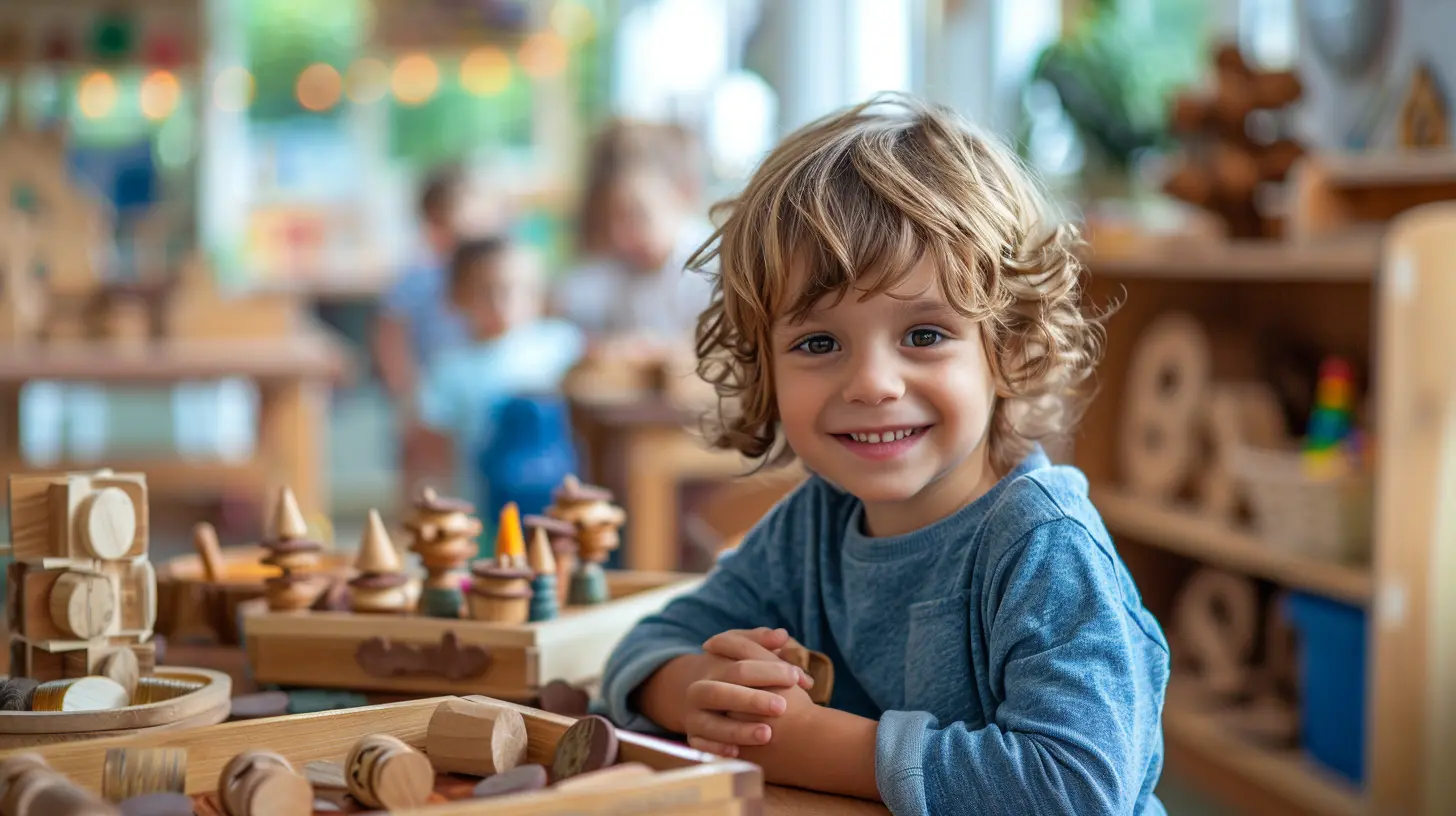
The Core Principles of Montessori Education
Montessori isn’t just about letting kids roam free—there’s a structure, guided by key principles. These principles are what foster holistic development in children.1. Child-Centered Learning
In a Montessori classroom, children aren't forced into a one-size-fits-all education system. Instead, they choose activities based on their own interests. This boosts motivation and engagement, making learning a natural and enjoyable process.2. Hands-On Experience
Forget rote memorization. Montessori kids learn by doing. Whether it's counting beads to understand math concepts or gardening to explore science, hands-on experiences make learning more meaningful—and memorable.3. Freedom Within Limits
Montessori classrooms offer kids the freedom to choose their activities, but within a well-structured environment. This balance teaches responsibility, self-discipline, and decision-making skills—essential qualities for real-life success.4. Mixed-Age Classrooms
Traditional classrooms group kids by age, but Montessori classes mix different age groups together. Younger children learn from older peers, and older kids develop leadership skills by mentoring younger ones. This setup mirrors real-world interactions, enhancing social growth.5. Focus on Intrinsic Motivation
Unlike traditional schools that rely on grades and rewards, Montessori education emphasizes self-motivation. Kids engage in activities because they’re genuinely interested, not because they fear punishment or desire a prize.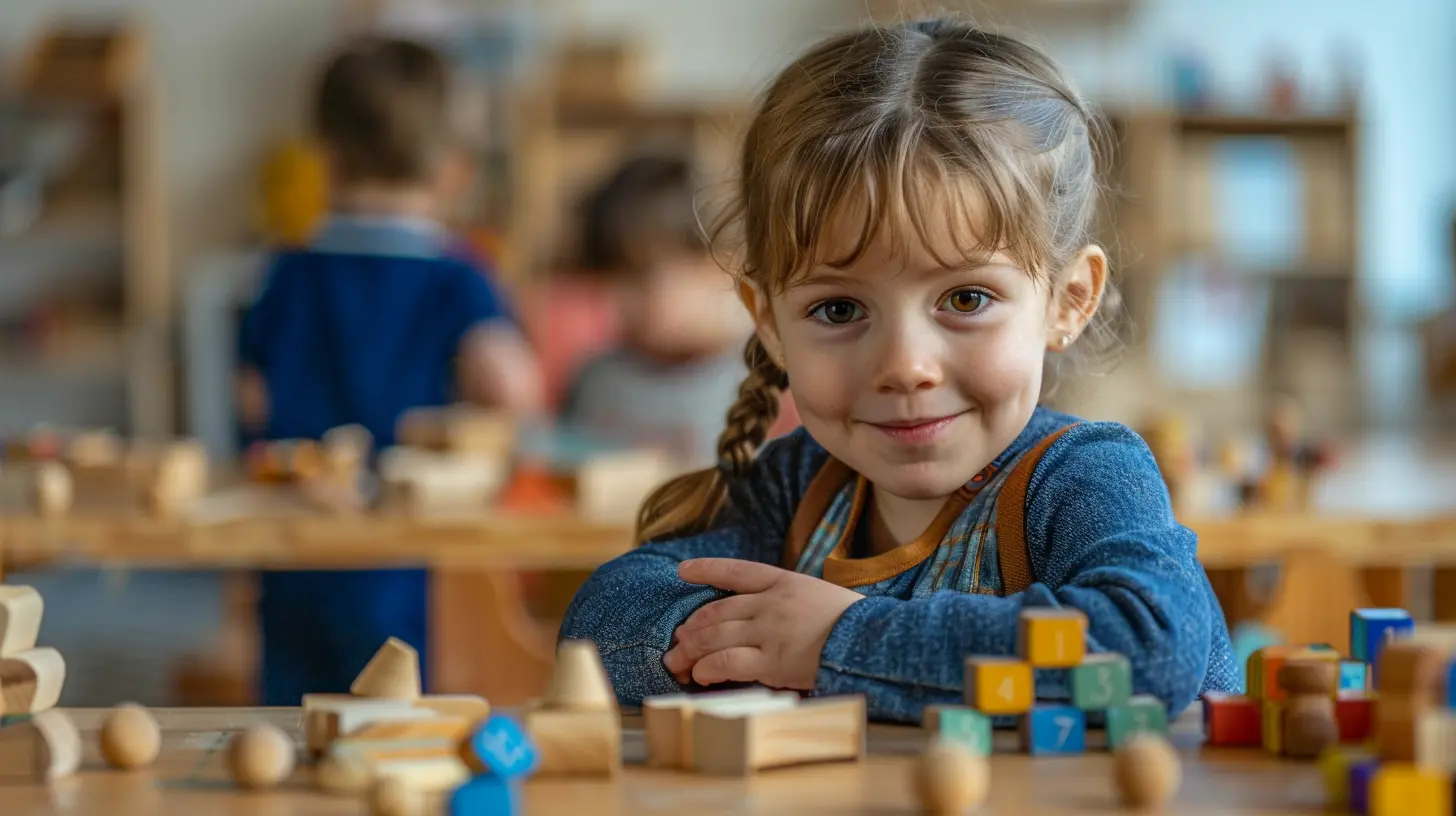
How Montessori Education Nurtures Holistic Development
Holistic child development means nurturing a child’s mind, body, and emotions—not just academic performance. Montessori education plays a huge role in shaping well-rounded individuals by focusing on these four key areas:1. Cognitive Development: Encouraging Critical Thinking
Montessori education develops sharp, analytical minds. Instead of memorizing facts, children explore concepts deeply, fostering problem-solving skills.For example, in math, instead of simply drilling addition problems, children use tangible objects (like bead chains or number rods) to understand how numbers work. This hands-on approach enhances logical thinking and comprehension.
By learning through discovery rather than passive instruction, Montessori kids develop strong reasoning skills—a crucial advantage in today’s rapidly changing world.
2. Emotional Growth: Fostering Confidence & Independence
How many adults struggle with self-doubt and insecurity? Now imagine if they had been raised with the confidence to trust their instincts and make decisions independently.Montessori helps children develop this confidence early. With self-directed learning, kids make choices, solve problems, and tackle challenges on their own. Small victories—whether it's mastering a puzzle or tying their own shoes—build self-esteem.
Instead of relying on external validation, Montessori kids develop an inner sense of accomplishment. They don't just chase grades; they chase mastery and personal growth.
3. Social Skills: Building Empathy & Cooperation
In traditional classrooms, competition often takes priority over collaboration. But in Montessori settings, cooperation is the norm.Since students work together in mixed-age classrooms, they naturally develop leadership, patience, and empathy. A five-year-old may help a three-year-old learn to pour water, strengthening both their social bonds and practical skills.
This environment fosters respect, kindness, and emotional intelligence—qualities just as important as academic achievements.
4. Physical Development: Refining Motor Skills
Montessori education doesn’t just focus on the brain; it incorporates movement into learning. Activities like pouring, sorting, and tracing letters strengthen fine motor skills, preparing children for tasks like writing and drawing.Outdoor play is also a significant part of Montessori learning. Whether it's climbing, balancing, or gardening, physical activities contribute to a child’s overall development, improving coordination and body awareness. 
Why Montessori Education Prepares Kids for Life
The Montessori method isn’t just about school—it’s about equipping children with life skills.In today's fast-paced world, adaptability is key. Montessori-educated children are better at handling change because they’ve been encouraged to think independently, solve problems, and trust their own abilities.
They're also emotionally resilient. Since they learn in a self-paced, pressure-free environment, they're less likely to develop anxiety around learning. Instead of fearing mistakes, they see them as opportunities to grow.
Most importantly, Montessori cultivates a love for learning. When education is enjoyable rather than stressful, kids develop a lifelong curiosity—something that extends far beyond the classroom.
Is Montessori Education Right for Your Child?
If you're looking for an education system that values creativity, independence, and emotional intelligence just as much as academics, Montessori might be the perfect fit.It’s not about producing kids who ace standardized tests—it’s about raising thinkers, problem-solvers, and compassionate human beings.
So, the real question is: Should education be about memorization or real-world learning? Should children be shaped into test-takers or well-rounded individuals?
Montessori education holds the answer.
Final Thoughts
Holistic child development isn't a buzzword—it’s a necessity. And Montessori education is one of the best ways to ensure children grow intellectually, emotionally, socially, and physically.It’s a system that respects childhood, encourages curiosity, and instills a lifelong love for learning. And in a world that’s constantly evolving, what could be more important than that?
all images in this post were generated using AI tools
Category:
Montessori EducationAuthor:

Charlotte Rogers
Discussion
rate this article
12 comments
Benjamin Baker
Empowers children through tailored, experiential learning.
February 19, 2026 at 4:48 AM
Charlotte Rogers
Thank you! Montessori's approach indeed fosters individual growth and hands-on experiences, enhancing children's overall development.
Fallon Kane
Great article! I love how Montessori education nurtures the whole child—encouraging independence and creativity. It’s inspiring to see how small changes can make such a big impact on development!
January 8, 2026 at 8:34 PM
Charlotte Rogers
Thank you! I'm glad you found the article inspiring. Montessori's focus on independence and creativity truly makes a difference in child development!
Sera Becker
Montessori education beautifully nurtures the whole child—promoting not just academic growth but also social, emotional, and physical development. By fostering independence, curiosity, and a love for learning, it equips children with essential life skills, preparing them for a balanced and fulfilling future.
November 28, 2025 at 5:31 AM
Charlotte Rogers
Thank you for your thoughtful comment! I wholeheartedly agree that Montessori education nurtures the whole child, fostering essential skills for a balanced and fulfilling life.
Velvet Parker
This insightful article highlights the transformative power of Montessori education in fostering holistic child development. By promoting independence, creativity, and critical thinking, it nurtures well-rounded individuals ready to thrive in the world.
October 31, 2025 at 11:55 AM
Charlotte Rogers
Thank you for your thoughtful comment! I'm glad you found the article highlights of Montessori education's impact on holistic child development meaningful.
Nicole Hahn
What a wonderful overview of Montessori education! It’s inspiring to see how this approach nurtures not only academic growth but also emotional and social development. Supporting holistic child development is crucial for fostering well-rounded individuals. Keep sharing these valuable insights!
October 4, 2025 at 12:24 PM
Charlotte Rogers
Thank you for your kind words! I'm glad you found the overview inspiring and appreciate your support for holistic child development in Montessori education.
Fable McIntyre
Ah, yes—because letting kids explore and learn at their own pace definitely sounds less effective than cramming facts into their heads. Who knew fostering independence could be a thing? What a wild concept!
September 3, 2025 at 11:02 AM
Charlotte Rogers
Absolutely! Montessori education emphasizes independence and self-directed learning, which can lead to deeper understanding and lifelong curiosity. It’s about nurturing the whole child, not just memorizing facts.
Faith Pacheco
Montessori education nurtures the whole child—intellectually, emotionally, and socially—by fostering independence and curiosity, allowing children to explore their interests, ultimately shaping compassionate, innovative, and resilient future leaders.
September 2, 2025 at 3:37 AM
Charlotte Rogers
Thank you for highlighting the comprehensive benefits of Montessori education! It truly emphasizes the importance of nurturing every aspect of a child's development.
Zarek McPherson
Montessori’s approach truly nurtures the whole child’s growth.
September 1, 2025 at 11:09 AM
Charlotte Rogers
Thank you! Montessori's holistic approach indeed fosters emotional, social, and cognitive growth, empowering children to thrive in all aspects of their development.
Gwen Wallace
Montessori: where kids learn to educate themselves while parents wonder if they can sneak in a nap during the ‘Self-Directed Learning’ phase. Who knew independent study could lead to independent parenting too?
August 31, 2025 at 6:45 PM
Charlotte Rogers
Absolutely! Montessori education fosters independence not just in children, but also in parents, allowing for personal growth alongside their child's development. It’s a win-win!
Zeth Miller
Empowering children through independence and exploration.
August 28, 2025 at 6:29 PM
Charlotte Rogers
Absolutely! Montessori education fosters independence and encourages exploration, allowing children to develop confidence, critical thinking, and a deeper understanding of the world around them.
James McCallum
Montessori nurtures the whole child, fostering joy and curiosity.
August 27, 2025 at 7:06 PM
Charlotte Rogers
Thank you! Montessori truly emphasizes nurturing every aspect of a child's growth, igniting their passion for learning and exploration.
Kira Ward
Insightful perspective on holistic growth!
August 26, 2025 at 6:28 PM
Charlotte Rogers
Thank you! I'm glad you found it insightful. Montessori truly prioritizes the whole child.
MORE POSTS

The Advantages of Peer Learning in Adult Education

The Importance of Critical Thinking in Collaborative Learning

The Future of Classroom Assessments: Trends and Innovations

Montessori and Technology: Finding the Right Balance

Tips for Finding the Right Learning Environment for You

Helping Young Children Understand the Connection Between Letters and Sounds

Creative Approaches to Engaging Students in Active Learning

The Importance of Questioning in Critical Thinking Development