The Role of Preschool in Supporting Early Literacy Development
7 May 2026
Introduction
Imagine a world where kids enter kindergarten already equipped with the foundational skills needed to read and write. Sounds like a dream, right? Well, that’s exactly the kind of magic preschool can create! Early literacy development doesn't just happen overnight—it’s nurtured through engaging activities, interactive storytelling, and playful learning.
Preschool plays a crucial role in laying the groundwork for literacy, helping children recognize letters, understand sounds, and develop a love for reading. But how does this all come together? Let’s dive into how preschools spark the literacy journey for our youngest learners.

Why Early Literacy Matters
Before we get into the nitty-gritty of preschool’s role, let’s talk about why early literacy is a big deal.1. Stronger Academic Foundation – Children who develop literacy skills early tend to perform better in school. They’re more confident with reading, writing, and comprehension.
2. Improved Communication Skills – Literacy isn’t just about reading books; it’s also about expressing thoughts clearly. Preschoolers who engage with language-rich environments are better communicators.
3. Boosts Cognitive Development – Reading and storytelling stimulate brain connections, enhancing problem-solving and critical thinking skills.
4. Encourages a Love for Learning – A child who enjoys books and stories from an early age is more likely to become a lifelong learner.
With all these benefits in mind, it’s clear that early literacy is not just a nice-to-have—it’s essential!

The Role of Preschool in Developing Literacy Skills
Preschools aren’t just daycares with storytime; they’re structured learning environments designed to foster literacy development in fun and engaging ways.1. Building Vocabulary and Language Skills
Ever noticed how toddlers pick up new words like sponges soaking up water? That’s because they’re in a prime language acquisition stage. Preschools leverage this by:- Engaging kids in conversations throughout the day
- Introducing new words through songs, rhymes, and storytelling
- Encouraging expressive language by asking open-ended questions like, "What do you think happens next in the story?"
The more words kids hear and practice, the more comfortable they become with language—and that’s the first step toward literacy!
2. Phonemic Awareness: The Sound of Success
Phonemic awareness is a fancy way of saying “understanding that words are made up of sounds.” This skill is key to learning how to read and spell.Preschools help by:
- Playing rhyming games (think “cat, hat, sat”)
- Singing nursery rhymes (because rhythm helps kids recognize patterns in words)
- Engaging kids in clapping games to break words into syllables
- Teaching kids how to identify beginning and ending sounds in words
This playful approach makes phonemic awareness second nature for kids, setting them up for reading success.
3. Letter Recognition and Print Awareness
Before kids can read, they need to recognize letters and understand that print carries meaning. In preschool, this happens through:- Alphabet games and puzzles that help with letter recognition
- Labeling classroom items (like “door,” “table,” and “chair”) to show that words have meaning
- Storybook exposure where teachers run their fingers under words as they read aloud, helping kids connect spoken and written words
- Tracing and writing activities to develop familiarity with letter shapes
Think of it as preschoolers meeting the alphabet for the first time—they may not be reading Shakespeare yet, but they’re getting acquainted with their future best friends: letters!
4. Encouraging Storytelling and Narrative Skills
Kids love telling stories—whether it’s about their imaginary dragon friend or what they did at the park. Preschool harnesses this natural storytelling ability by:- Encouraging show-and-tell sessions where kids describe objects
- Letting kids create their own stories, even if it’s just drawing pictures and narrating them
- Doing group storytelling activities, where one child starts a story, and others build on it
- Acting out stories through role-play, making literacy a hands-on experience
By developing storytelling skills, preschool instills a strong sense of language structure, creativity, and logical thinking—important foundations for reading and writing.
5. Fostering a Love for Books
One of the biggest literacy wins in preschool? Making books fun!Teachers do this by:
- Creating cozy reading corners with colorful books
- Allowing kids to choose books that interest them
- Making storytime interactive by using fun voices and asking questions
- Introducing picture books to help kids understand storytelling before they can read words
When kids associate books with joy (instead of boring homework), they’re more likely to develop a love for reading that lasts a lifetime.
6. Hands-On Literacy Activities
Preschool literacy development isn’t just about books—it’s about active, hands-on engagement. Some fun literacy-building activities include:- Letter scavenger hunts, where kids find objects that start with a specific letter
- Sand or shaving cream writing, where kids practice tracing letters in a sensory-rich way
- Puppet storytelling, where puppets "talk" to kids, encouraging dialogue and imagination
- Magnetic letters on boards, helping kids form simple words in a playful way
These activities turn literacy learning into an adventure rather than a chore!
The Social Aspect of Literacy Development
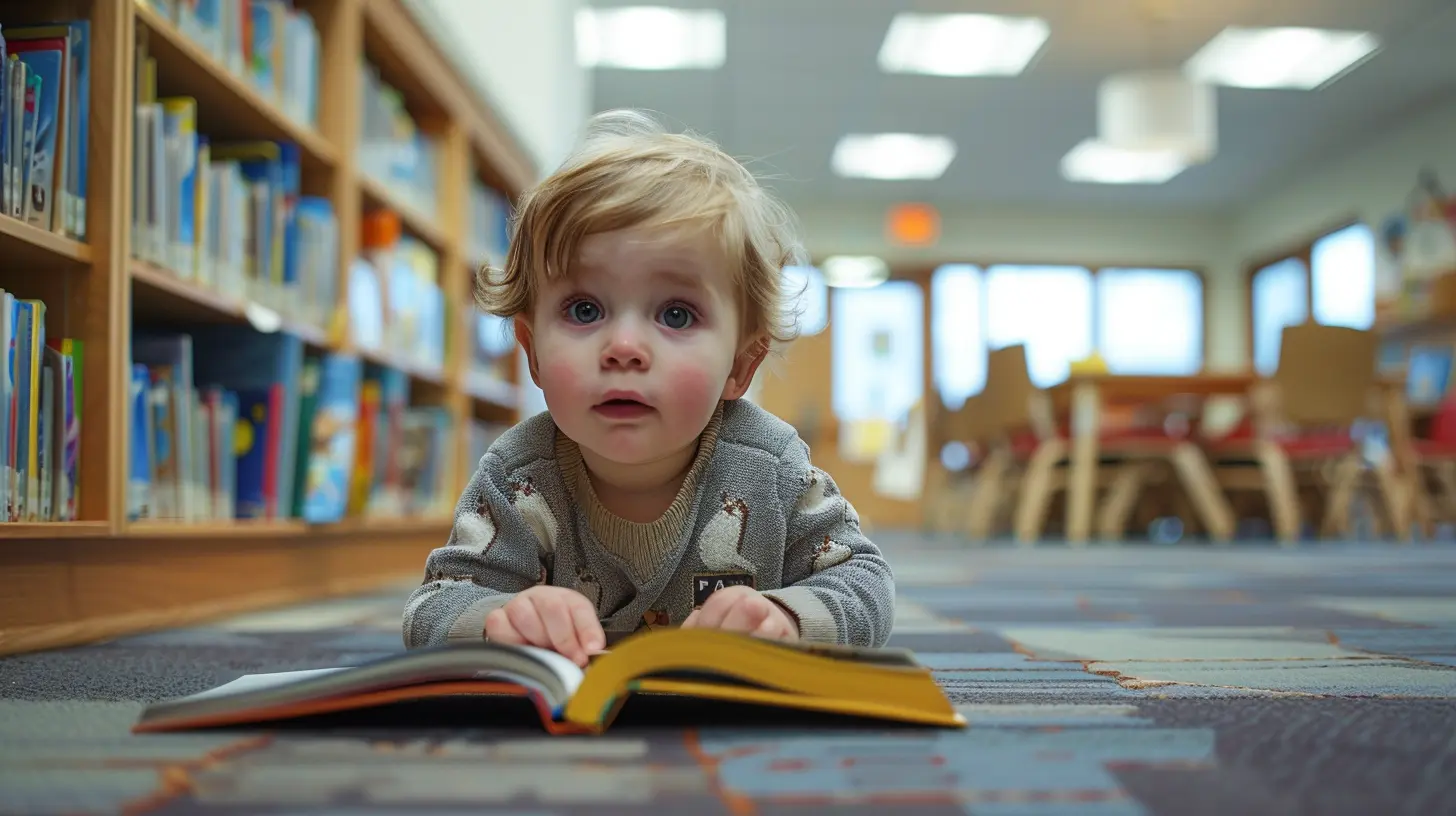
Here’s something often overlooked—literacy isn’t just about reading and writing; it’s also about communication and social interaction.In preschool, kids:
- Learn to take turns speaking and listening
- Engage in group activities that promote language use
- Develop confidence to express themselves, building strong verbal skills
This social environment makes literacy more than an academic skill; it becomes a way for kids to connect and communicate.
The Long-Term Impact of Preschool Literacy
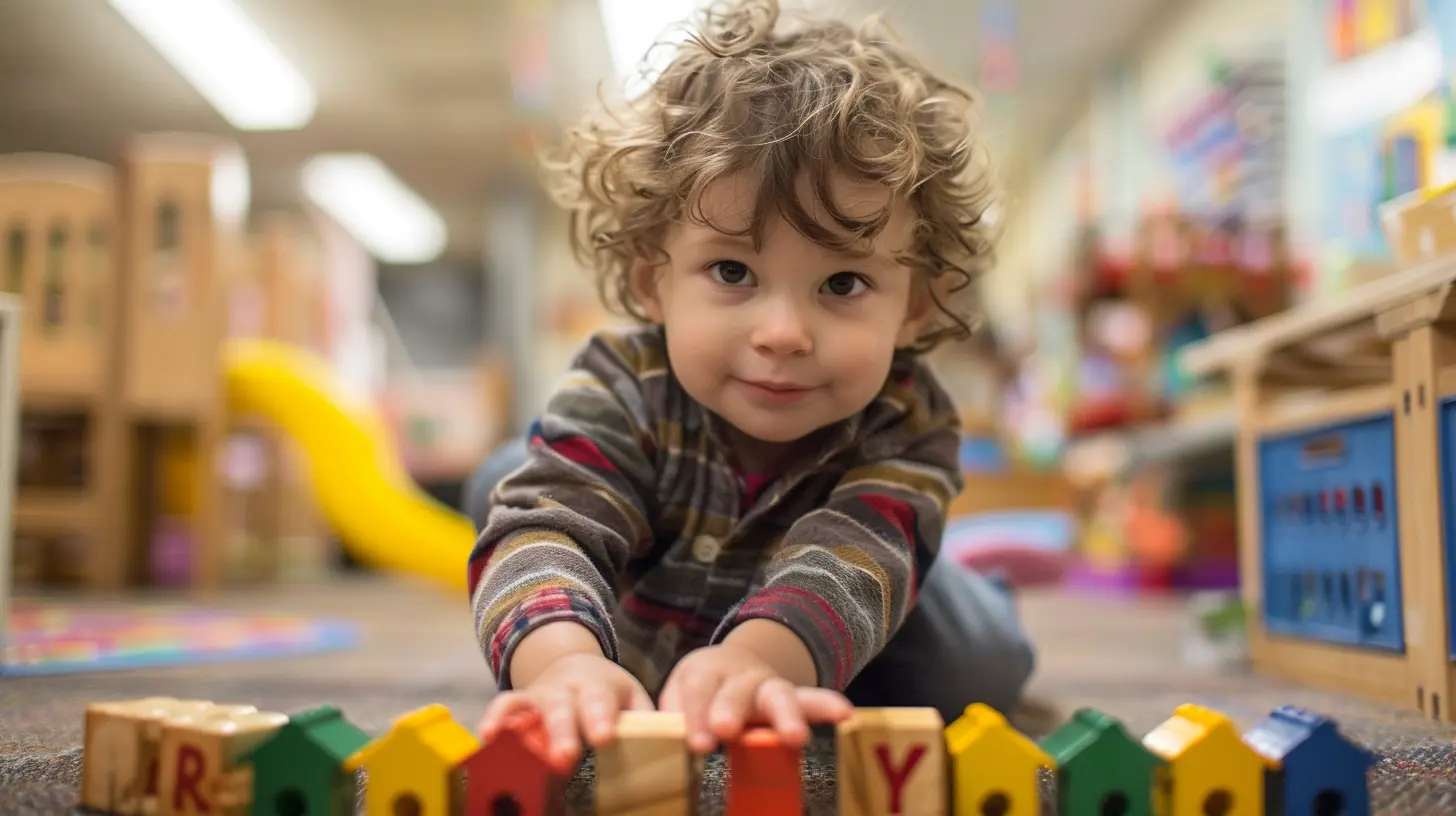
The literacy skills kids develop in preschool don’t just help them in kindergarten—they shape their entire educational journey. Research shows that children with strong early literacy skills are more likely to:- Achieve higher reading levels in later grades
- Develop a love for learning
- Have better communication and critical thinking skills
In short, preschool isn’t just a stepping stone—it’s a launchpad for lifelong success.
Final Thoughts
Preschool is like the secret ingredient in the recipe for early literacy success. Through storytelling, games, and interactive play, young learners develop the skills they need to become confident readers and communicators.So, if you’re wondering whether preschool really makes a difference in literacy development, the answer is a big, resounding YES! It’s where kids build the foundation for a lifetime of learning—one fun, book-filled day at a time.
all images in this post were generated using AI tools
Category:
Early LiteracyAuthor:

Charlotte Rogers
Discussion
rate this article
4 comments
Sasha McGillivray
This article highlights the crucial role that preschool plays in fostering early literacy development. By emphasizing interactive learning and engaging activities, preschools provide a strong foundation for children's reading and writing skills. Investing in early education not only benefits individual learners but also enriches communities and prepares future generations for success.
July 30, 2026 at 11:57 AM
Alisha Burton
This article beautifully highlights the crucial role preschool plays in early literacy development. It made me reflect on how essential a nurturing environment is for young learners. Investing in quality preschool programs can significantly shape children's future reading skills and overall success.
May 26, 2026 at 11:53 AM
Charlotte Rogers
Thank you for your thoughtful comment! I'm glad the article resonated with you and highlighted the importance of a nurturing preschool environment for early literacy development.
Antonia McPherson
In the quiet corners of preschool classrooms, unseen magic unfolds. Young minds dance with letters and sounds, weaving stories yet untold. But what secrets lie in this early literacy journey? Unraveling the mysteries of language might just hold the key to their future.
May 12, 2026 at 12:11 PM
Charlotte Rogers
Thank you for highlighting the enchanting process of early literacy! Indeed, the magic of preschool lays the foundation for a lifelong love of reading and storytelling.
Isaac McAleer
This article highlights the crucial role preschool plays in early literacy development. It emphasizes the importance of introducing children to language and reading skills in a nurturing environment, fostering curiosity and a love for learning. Investing in early education truly shapes future academic success and confidence.
May 8, 2026 at 4:02 AM
Charlotte Rogers
Thank you for your insightful comment! I completely agree that preschool lays the foundation for literacy and fosters a lifelong love for learning.