Unpacking Bias: The First Step in Critical Thinking
30 January 2026
Ever had a gut feeling about something, only to find out later that you were way off target? Maybe you swore a new coworker was aloof, only to realize they were just shy. Or perhaps you dismissed a news article because it didn’t align with what you already believed. Well, welcome to the sneaky world of bias.
Bias isn’t just some academic jargon—it’s something that creeps into our thoughts, shapes the way we see the world, and affects decisions every single day. And the craziest part? Most of the time, we don’t even realize it’s happening.
If you want to become a better thinker, someone who can truly weigh the facts and make sound judgments, then understanding bias is the key. Let’s dive deep together—no fluff, no boring lectures. Just real talk about why unpacking bias is the very first step in developing critical thinking skills.
What Is Bias, Really?
Let’s break it down. Bias is kind of like wearing tinted glasses. Everything you see passes through those lenses—and depending on the color of the tint, that view can be skewed.In simple terms, bias is a predisposition or prejudice in favor of or against something. It’s our mind’s way of shortcutting decisions based on prior experiences, upbringing, media exposure, and even social conditioning.
Is bias always bad? Not necessarily. Sometimes bias helps us make quick decisions. But when it gets in the way of objectivity? That’s a problem—especially when we're trying to think critically.
You're More Biased Than You Think (And So Am I)
I know, I know… nobody likes to admit they’re biased. We all like to believe we’re fair and rational. But here’s the real talk: every single person is biased in some way. It’s part of being human.Think about it:
- Have you ever judged someone based on how they dressed?
- Have you automatically trusted a news outlet because you’ve watched it for years?
- Have you ever preferred a certain answer because it just felt “right,” even if there wasn’t much evidence behind it?
If you said yes to even one of these—and let’s be honest, most of us would—that’s bias at work.
The Link Between Bias and Critical Thinking
So, why does bias matter when it comes to critical thinking?Critical thinking is all about analyzing information objectively and making reasoned decisions. It’s questioning rather than assuming. It’s evidence over emotion.
Now, if bias is coloring the way we see things, how can we possibly think critically?
Imagine trying to solve a puzzle with missing or distorted pieces. That’s what trying to think critically without addressing bias is like. We’re not working with the full picture, just the one our brain wants us to see.
By unpacking bias, we’re essentially cleaning our mental lenses. We recognize the filters in play and start to question our own beliefs, judgments, and conclusions. That’s where real critical thinking begins.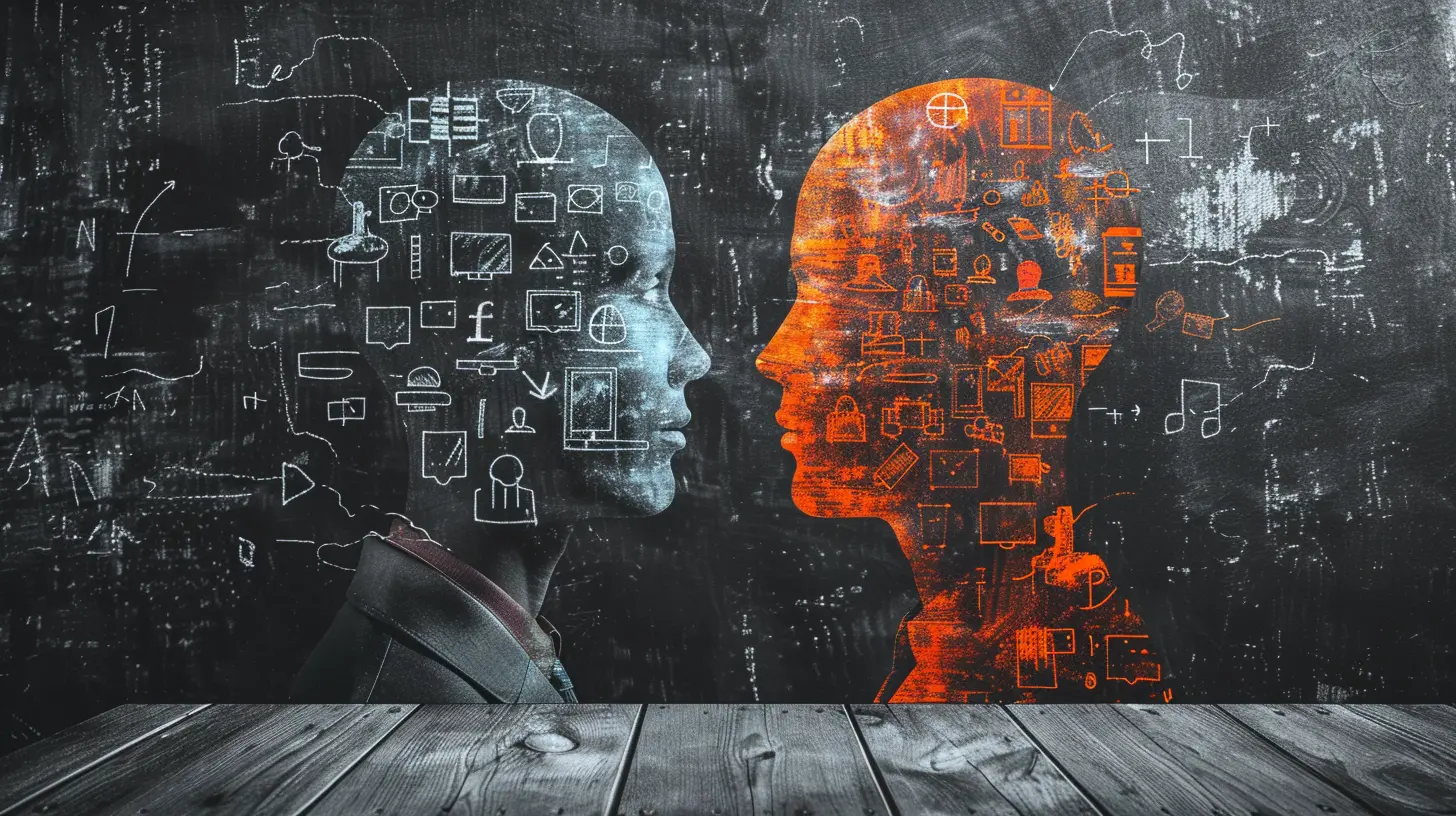
Common Types of Bias You Didn't Know You Had
You’d be surprised at the different ways bias shows up. Here are some of the usual suspects:1. Confirmation Bias
We love being right. So much so that we often search for information that supports what we already believe—and ignore anything that challenges it.Think about political debates online. People rarely change their views; they just keep finding "proof" for what they already think.
2. Anchoring Bias
Ever heard a number and couldn’t shake it, even if it was totally irrelevant?For example, a store says a jacket was "originally $300" but now it’s "only $150." Even if that jacket’s true value is just $100, that $300 anchor tricks you into thinking you’re getting a great deal.
3. Halo Effect
When we assume someone’s good at one thing, we often believe they’re good at everything.Like when a celebrity gives health advice—not because they’re a doctor, but because they’re famous. That’s the halo effect in action.
4. In-group Bias
We naturally favor people who are "like us." This can be based on race, religion, nationality, or even just rooting for the same sports team.This bias can make us dismiss or belittle those who are different, even when there’s no logical reason.
5. Stereotyping
This one’s pretty obvious—and dangerous. It’s when we assume things about people based on group characteristics rather than individual actions.It’s easy to fall into this trap, especially when we rely on limited experiences or media portrayals.
How Bias Gets Baked Into Education and Media
Bias isn’t just personal—it’s systemic. The books we read, the teachers we learn from, the media we consume—they all come with some form of bias.Curriculums often highlight certain historical perspectives over others. Media outlets might focus on sensational stories while ignoring what doesn’t “sell.” Even algorithms (yes, tech is biased too!) prioritize content based on your past behavior, which can trap you in an echo chamber.
The more we’re aware of these influences, the better we can guard against them.
Spotting Bias: Sharpen Your Awareness
So, how do we begin to unpack our bias?It starts with awareness. Here’s how you can train your brain to spot bias—both in yourself and in the world around you.
- Ask Yourself: “Where Did This Belief Come From?”
Was it something you learned in school? Heard from your parents? Read online? By tracing the origin, you start to assess whether the belief was based on facts, or just handed down without question.- Challenge Your First Impressions
First impressions are quick—but they’re not always accurate. When you meet someone or hear a new idea, take a pause. Ask yourself if you’re judging too quickly.- Seek Out Different Perspectives
This one’s huge.If you always read the same newspapers or follow the same social media accounts, you’re likely seeing a very filtered world. Shake it up. Follow people you disagree with. Read opposing arguments. It’s not about changing your mind—it’s about broadening it.
- Play Devil’s Advocate
Argue against your own view, just for fun. It can feel weird at first, but it’s an amazing way to identify blind spots in your thinking.Bias in Action: Real-Life Examples
Let’s look at how bias plays out in real scenarios:- Hiring Decisions: Studies show that people with “ethnic-sounding” names are less likely to get callbacks, even if they have the same qualifications as others.
- Medical Treatment: Women and minorities are sometimes under-treated for pain, due to unconscious assumptions by healthcare providers.
- News Consumption: People often disbelieve reports from outlets they don’t politically align with, even when the facts are identical.
These examples aren’t just academic—they affect real lives. Which is why tackling bias isn’t just about improving your thinking; it’s about fairness and justice too.
Teaching Critical Thinking with Bias in Mind
If you’re a student or educator, this piece is especially important.Too often, education focuses on memorizing facts rather than questioning them. But real learning happens when students are encouraged to evaluate sources, question narratives, and form their own well-reasoned opinions.
Creating classroom spaces where diverse viewpoints are respected and students feel safe to express differing ideas is crucial. That’s where critical thinking truly blossoms.
Steps to Overcoming Bias (Spoiler: It's a Lifelong Journey)
Here are some practical strategies to help you unpack your own bias:1. Reflect Regularly
Set aside time to think about your beliefs and decisions. Ask: “Am I being objective?” “Could another perspective be valid?”2. Keep a Bias Journal
Whenever you notice a biased thought or decision, jot it down. Over time, patterns will emerge, helping you see where your mental filters are strongest.3. Learn About Cognitive Biases
There are over 180 known cognitive biases (yep, 180!). The more you know, the easier it is to spot them in the wild.4. Practice Mindfulness
Staying present helps you notice your thoughts as they arise—before they turn into actions. It gives you the chance to pause and assess.5. Stay Humble
Bias thrives in arrogance. Approaching life with curiosity and humility keeps the door open for growth.Final Thoughts: The Power of Self-Awareness
Unpacking bias isn’t about feeling guilty or ashamed. It’s about becoming more self-aware, more thoughtful, and ultimately more informed.Think of it like upgrading your mental software. Once you start recognizing bias in yourself and others, you become a better decision-maker, communicator, and learner.
So next time you feel super confident about an opinion, pause. Ask yourself: “Is this based on solid evidence—or just the way I’ve always thought?”
That question alone could change everything.
all images in this post were generated using AI tools
Category:
Critical ThinkingAuthor:

Charlotte Rogers
Discussion
rate this article
12 comments
Drake Mullen
This article brilliantly highlights the importance of recognizing bias as the first step in fostering critical thinking! 🌟 By unpacking our perspectives, we open the door to richer discussions and deeper understanding. Let’s embrace this journey of self-discovery and learning together! 📚✨ Keep shining, educators!
February 21, 2026 at 8:50 PM
Charlotte Rogers
Thank you for your insightful comment! I'm glad you found the article valuable in promoting self-discovery and critical thinking. Let's continue fostering meaningful discussions together! 🌟📚
Marni Wilson
This article effectively highlights the importance of recognizing bias as a foundational element of critical thinking. By exploring our own biases, we can enhance our understanding and foster more meaningful discussions. A valuable read for anyone looking to improve their analytical skills.
February 21, 2026 at 4:38 AM
Charlotte Rogers
Thank you for your insightful comment! I'm glad you found the article valuable in highlighting the role of bias in critical thinking.
Spencer Ellison
This article effectively highlights the importance of recognizing bias as foundational for developing critical thinking skills.
February 19, 2026 at 1:06 PM
Charlotte Rogers
Thank you for your feedback! I'm glad you found the article emphasizes the crucial link between recognizing bias and enhancing critical thinking skills.
Greyson Lynch
Great article! Unpacking bias is such an important step in developing critical thinking skills. It's fascinating how our perspectives shape our understanding of the world. This piece really highlights the need for awareness and open-mindedness. Can't wait to dive deeper into critical thinking with these insights! Thanks for sharing!
February 15, 2026 at 4:31 AM
Charlotte Rogers
Thank you for your thoughtful feedback! I'm glad you found the article valuable in exploring bias and critical thinking. Happy reading!
Rhett McQuade
Oh, unpacking bias? Groundbreaking! Who knew that critical thinking involves actually questioning our own opinions? Next, we’ll tackle the revolutionary idea of reading the labels on our food—who could have imagined that might be important? Can’t wait for the sequel!
February 14, 2026 at 4:07 AM
Charlotte Rogers
Thanks for your feedback! Critical thinking does involve questioning our assumptions, and I'm glad you see the importance of self-reflection in the learning process.
Kendall Strickland
In recognizing our biases, we unveil the layers of our perceptions, challenging us to question their origins. This journey not only sharpens critical thinking but fosters empathy, urging us to engage with diverse perspectives and ultimately enrich our understanding of the world.
February 10, 2026 at 1:57 PM
Charlotte Rogers
Thank you for highlighting the importance of recognizing biases! It's crucial for fostering empathy and enhancing our critical thinking skills.
Quade Graham
This article effectively highlights the significance of recognizing bias as a foundational element of critical thinking. By unpacking our own preconceived notions, we can cultivate a more objective perspective. This process not only enhances our analytical skills but also fosters empathy, ultimately leading to more informed decision-making.
February 4, 2026 at 4:36 AM
Charlotte Rogers
Thank you for your thoughtful insights! I’m glad you found the article valuable in highlighting the role of bias in critical thinking and decision-making.
Kenzie McCarty
Thank you for this insightful article! You’ve clearly highlighted the importance of recognizing bias as a foundational skill in critical thinking. I appreciate the practical approaches you shared for unpacking our own perspectives.
February 2, 2026 at 8:34 PM
Charlotte Rogers
Thank you for your kind words! I'm glad you found the article helpful and that the practical approaches resonated with you.
Drew Thornton
Understanding bias is essential for developing critical thinking skills.
February 1, 2026 at 11:24 AM
Charlotte Rogers
Thank you for your insightful comment! Understanding bias indeed lays the groundwork for effective critical thinking.
Farrah McCollum
Bias is like a stubborn stain on your favorite shirt—ignoring it won't make it vanish. Time to roll up those sleeves and confront it head-on for true critical thinking!
January 31, 2026 at 9:33 PM
Charlotte Rogers
Thank you for the insightful analogy! Addressing bias directly is indeed essential for effective critical thinking.
Anika Thornton
Bias is like socks—everyone has it, but some just hide it better. Time to unpack those mismatched pairs!
January 31, 2026 at 12:59 PM
Charlotte Rogers
Absolutely! Acknowledging our biases is crucial for critical thinking. Let's work on revealing and addressing those mismatched pairs to enhance our understanding.
Corin Harper
Recognizing bias is essential; it empowers critical thinking and fosters informed, objective decision-making.
January 31, 2026 at 3:41 AM
Charlotte Rogers
Thank you for your insight! Recognizing bias indeed lays the foundation for critical thinking and informed decision-making.
MORE POSTS

Teaching Financial Literacy: Lesson Plans for Future Ready Students

How to Create Lesson Plans for Cross-Curricular Learning

Using Nature to Teach Mindfulness in Schools

Continuing Education: A Path to Personal Growth

How Mindfulness Improves Attention and Reduces Distractions

How to Use the Pomodoro Technique for Productive Study Sessions

Managing the Challenges of Group Assessment

Why Coding is the New Literacy for the Digital Generation