Simple Mindfulness Practices to Reduce Classroom Stress
27 November 2025
Let’s be real—classrooms can be stressful. Whether you're a teacher juggling lesson plans and grading or a student buried under assignments and social pressures, the school environment can feel like a mental battlefield. But guess what? It doesn’t have to be that way.
There’s a secret weapon many educators and students are starting to embrace—and no, it’s not caffeine or somewhere to sneak in a nap (though those help too). It’s mindfulness.
Yep, that simple, grounding practice that’s been buzzing all over the wellness scene is making its way into the classroom—one deep breath at a time.
So, if you're overwhelmed, burnt out, or simply want to bring more peace into your educational routine, you’re in the right place.
Let’s dive into some powerful yet ridiculously simple mindfulness practices to reduce classroom stress.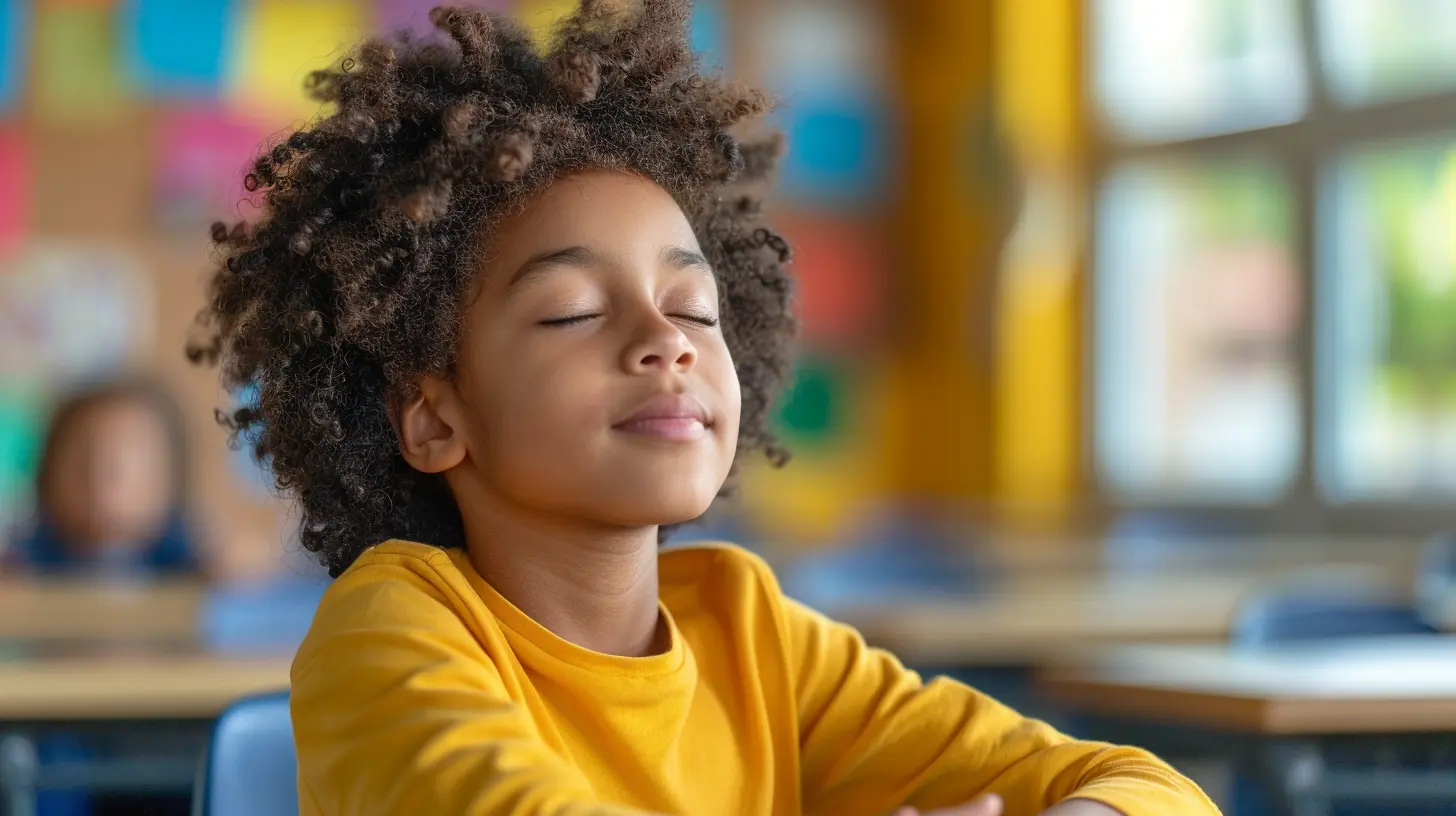
What Is Mindfulness, Anyway?
At its core, mindfulness is all about being present. It’s paying attention on purpose, in the current moment, without judgment. Sounds easy, right? But in a classroom full of noise, deadlines, and digital distractions, it can be pretty tricky.Think of it like this: your mind is like a snow globe. When it's shaken (which is basically all the time), thoughts and emotions are flying everywhere. Mindfulness helps the snow settle so you can actually see what's in front of you.
Practicing mindfulness doesn’t mean sitting cross-legged and chanting “om” (unless you want to). It means hitting pause, breathing, noticing your surroundings, and giving your brain a much-needed break.
Why Mindfulness Is a Game-Changer in the Classroom
Before we get into the how, let's talk about the why. Why should teachers and students invest time into mindfulness?Because it works.
Here are a few benefits backed by research and real-life experiences:
- 🌼 Reduces stress and anxiety
- 🧠 Improves focus and concentration
- 💬 Enhances emotional regulation
- 👥 Builds empathy and better relationships
- ✨ Boosts creativity and problem-solving skills
Whether you’re prepping for a big test or trying to manage a rowdy classroom, being intentional with your thoughts and responses changes the game.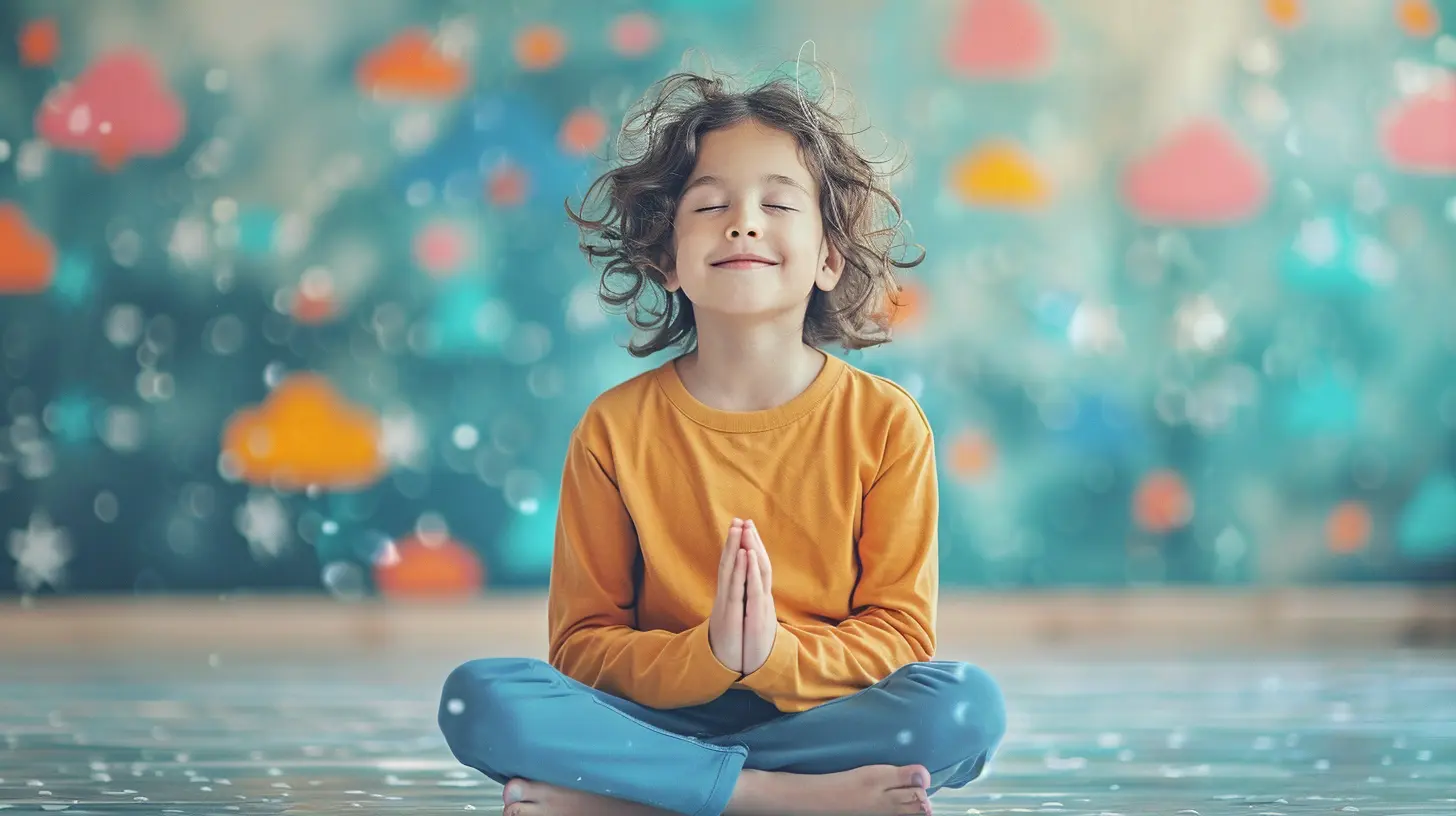
1. Start With the Breath – The Anchor of Mindfulness
Breathing is something we all do (unless you’re a robot), yet most of us don’t do it mindfully.When things get tense, our breathing becomes shallow and rapid. This signals our brain that we’re in danger, which triggers the stress response. But by simply noticing and slowing down our breath, we flip the switch.
🔄 Try This: The Box Breathing Technique
This one’s super easy and can be done anywhere—even in the middle of class.1. Inhale for 4 seconds
2. Hold for 4 seconds
3. Exhale for 4 seconds
4. Hold for 4 seconds
5. Repeat 3–5 times
See? Simple. Yet it helps calm the nervous system almost instantly.
Pro tip: Teachers, guide your class in a minute of box breathing before a test or after recess chaos. The change in mood is magic.
2. Mindful Listening – Tune In, Not Out
Have you ever zoned out so hard during a lecture that you forgot what class you were in? Don’t worry, we’ve all been there.Mindful listening is about being fully present when others speak—whether it’s a teacher, student, or even that inner voice in your head.
It reduces miscommunication (big win) and builds stronger connections among everyone in the classroom.
👂 Try This: The Sound Hunt
Here’s a fun and super engaging activity:Step 1: Have everyone close their eyes.
Step 2: Sit in silence for 30–60 seconds.
Step 3: Ask them to notice every sound—near and far.
Step 4: Share what they heard afterward.
It’s a great way to ground the room and switch the brain into present-moment mode.
3. Mindful Movement – Because Sitting All Day Is Brutal
Let’s face it—sitting in a desk for hours is the worst. Our bodies weren't made for that.Mindful movement brings awareness to the body and helps release tension. Think of it as a mental reset button through gentle physical activity.
🧘 Try This: Stretch and Ground
Take five minutes between lessons and lead a few simple stretches:- Reach for the sky
- Touch your toes
- Roll your shoulders
- Shake out your hands and feet
As you move, focus on how each part of the body feels. It’s like a mini massage for the brain.
4. Gratitude Practice – Swap Stress for Positivity
When stress takes over, it’s easy to focus on everything that’s going wrong. But gratitude flips the script.It rewires the brain to notice what’s good—yes, even on a Monday morning.
💛 Try This: Daily Gratitude Moment
Start or end each day by asking:“What’s one thing you’re grateful for right now?”
It could be anything—a friend, a snack, your favorite pen, or just getting through the day.
Gratitude doesn’t erase stress, but it helps put things in perspective. And perspective? That’s powerful.
5. Mindful Journaling – Thoughts on Paper, Peace in Mind
Our thoughts can be chaotic little creatures. Writing them down helps bring order to the mental clutter.Journaling is a safe space where students (and teachers!) can process emotions, track growth, and find clarity.
✍️ Try This: 3-Minute Brain Dump
At the start or end of class:- Set a timer for 3 minutes
- Write whatever comes to mind—no filters, no grammar rules
- Let the thoughts flow
It’s like taking your brain out for a walk. You'll be amazed how much lighter you feel afterward.
6. One-Minute Mindfulness – Because Time is Tight
We get it. The school day is packed. Between tests, recess, and lunchroom drama, there's barely time to breathe—literally.That’s where micro-mindfulness comes in.
These are mini moments that take under a minute but pack a mindful punch.
⏱️ Try This: Mindful Pause
At any time during the day:1. Pause
2. Take a deep breath
3. Notice four things around you (colors, sounds, sensations)
4. Smile—just because
That’s it. Just a mini reset. Do it once a day, and you’ll feel the difference.
7. Visualization – Use Your Imagination for Peace
The mind is powerful. Close your eyes and picture a beach, a forest, or even your favorite cozy chair. Instantly, your body starts to relax.This is the power of visualization, and it’s a mindfulness tool that’s super effective for kids and adults alike.
🌴 Try This: Peaceful Place Visualization
Guide students through this simple script:“Close your eyes. Take a deep breath. Picture a place where you feel safe and peaceful. What do you see, hear, and smell? Stay there for a minute.”
When they open their eyes, most will feel calmer and more focused.
8. Mindful Transitions – Make the Gaps Matter
Transitions between classes, subjects, or tasks are often chaotic. But what if we turned them into mindful moments?A transition is like the comma in a sentence—it gives you a second to pause and breathe. Don’t underestimate it.
🚪 Try This: Transition Cues
Before switching activities, ring a bell or play a chime. Ask everyone to take one deep breath while listening. It’s subtle, but powerful.Over time, it conditions the brain to shift gears with less stress and more intention.
9. The Power of Silence – Less Noise, More Noise Control
We often equate silence with awkwardness or punishment. But silence can actually be super empowering.It allows the brain to rest, process, and reset. Especially in a world that's constantly noisy, silence can be golden.
🤫 Try This: Silent Start
Begin the day with one minute of complete silence. Everyone sits, breathes, and simply “is.”At first, it may feel weird. But with practice, it becomes a cherished pocket of peace in a busy day.
10. Kindness Meditation – Good Vibes Only
Imagine a classroom where everyone is rooting for each other. That’s not just wishful thinking—it’s what kindness meditation can help create.It teaches empathy, reduces bullying, and strengthens the feeling of community.
💖 Try This: Loving-Kindness Meditation
Guide students with this simple script:- Think of someone you care about.
- Silently say: “May you be happy. May you be healthy. May you be safe.”
- Then say the same for yourself.
It only takes a minute, but the ripple effect? Huge.
Final Thoughts: Start Small and Keep It Real
Listen, mindfulness doesn’t have to be perfect. You don’t need to devote an hour or meditate like a monk.Just start with one small practice. Maybe it’s one deep breath before class. Maybe it’s a gratitude list. Maybe it’s just noticing when you're stressed and choosing not to snap.
Remember: consistency beats intensity. Show up regularly, even if it’s only for a minute a day. Over time, you’ll notice more calm, more clarity, and—you guessed it—less classroom stress.
Let’s make school not just a place of learning, but a space of inner peace, too. You’ve got this.
all images in this post were generated using AI tools
Category:
Mindfulness In EducationAuthor:

Charlotte Rogers
Discussion
rate this article
13 comments
Elena Baxter
Mindfulness isn't just a buzzword; it's a crucial tool. By grounding students in the present, we transform stress into focus, fostering a healthier classroom environment.
March 1, 2026 at 5:35 AM
Charlotte Rogers
Absolutely! Mindfulness is essential for creating a focused and healthy learning environment. It's all about equipping students with tools to manage stress effectively.
Shiloh McGuffin
Embrace stillness in chaos; nurture minds, cultivate peace within classrooms.
January 28, 2026 at 8:45 PM
Charlotte Rogers
Thank you for your insight! Embracing stillness indeed fosters a peaceful learning environment, essential for both students and teachers.
Corinne McCullough
Incorporating mindfulness into the classroom nurtures resilience and focus. Simple practices can transform stress into calm, fostering a more conducive learning environment for all.
December 20, 2025 at 4:23 AM
Charlotte Rogers
Thank you for your insightful comment! I completely agree that mindfulness fosters resilience and focus, creating a positive learning environment for students.
Marissa Valentine
Mindfulness in the classroom? Sounds like a plan! If deep breathing doesn't work, just imagine your students' stress floating away on tiny unicorns. Because who wouldn’t feel calmer with a magical creature doing a gentle canter across their thoughts? 🦄✨
December 10, 2025 at 3:30 AM
Charlotte Rogers
Absolutely! Incorporating a bit of magic can definitely lighten the mood and encourage relaxation. Thanks for the creative suggestion! 🦄✨
Zora Newton
This article provides valuable and accessible mindfulness techniques that can easily be integrated into the classroom. Implementing these practices not only benefits student well-being but also enhances the overall learning environment. A must-read for educators!
December 9, 2025 at 1:56 PM
Charlotte Rogers
Thank you for your kind words! I'm glad you found the mindfulness techniques valuable for enhancing student well-being and the learning environment.
Zaylee Franklin
Mindfulness: because even classrooms need a break from the chaos—no yoga mat required!
December 9, 2025 at 4:42 AM
Charlotte Rogers
Absolutely! Mindfulness can bring calm and focus to any classroom without the need for mats—just a few moments of presence can make a big difference!
Elena Diaz
Love these tips for a calmer classroom!
December 8, 2025 at 7:50 PM
Charlotte Rogers
Thank you! I'm glad you found the tips helpful!
Regina Howard
This article offers valuable insights! I'm intrigued by the simple mindfulness practices mentioned and how they can transform classroom dynamics. Excited to explore these techniques for reducing stress!
December 6, 2025 at 5:52 AM
Charlotte Rogers
Thank you for your kind words! I'm glad you found the insights valuable and hope the techniques make a positive impact in your classroom. Enjoy exploring mindfulness!
Christopher Cross
Great article! These mindfulness practices are a fantastic way to create a calmer classroom environment. Simple steps can lead to significant positive changes for both students and teachers!
December 5, 2025 at 9:01 PM
Charlotte Rogers
Thank you! I'm glad you found the mindfulness practices helpful for creating a calmer classroom.
Zorion Hines
Great article! These mindfulness practices offer practical solutions for teachers and students alike. Embracing these techniques can truly transform classroom dynamics and enhance learning!
December 5, 2025 at 1:48 PM
Charlotte Rogers
Thank you! I’m glad you found the article helpful. Mindfulness really can make a significant difference in the classroom!
Francesca Wood
Ah, mindfulness in the classroom! Finally, a way to keep my sanity intact while dodging flying paper airplanes! Who knew that breathing deeply and being present could be the ultimate survival skills for teachers? Let’s embrace these practices before stress levels reach ‘I’m-hiding-in-the-supply-closet’ mode!
December 4, 2025 at 12:56 PM
Charlotte Rogers
Absolutely! Mindfulness is a game-changer for managing classroom chaos and fostering resilience. Let’s prioritize these practices to enhance both teacher well-being and student engagement!
Damon McQuillen
Great tips! Mindfulness truly enhances classroom well-being and focus.
November 30, 2025 at 1:58 PM
Charlotte Rogers
Thank you! I'm glad you found the tips helpful for promoting well-being in the classroom.
Starla McWhorter
Mindfulness in the classroom fosters resilience and focus. Integrating simple practices not only alleviates stress but also nurtures a compassionate learning environment for both students and teachers.
November 28, 2025 at 5:31 AM
Charlotte Rogers
Thank you for your insightful comment! I completely agree—mindfulness not only enhances resilience and focus, but it also creates a supportive and compassionate atmosphere for everyone in the classroom.
MORE POSTS

Introducing Reading Concepts Through Playful Experiences

Language Arts Games for Improving Literacy Skills

Strategies for Assessing Project-Based Learning

The Role of Play in Learning to Read and Write

Understanding the Different Types of Standardized Tests and Their Purposes

Teaching Global Citizenship: Preparing Students for a Connected World

Tips for Finding the Right Learning Environment for You
How to Teach Mindfulness in a Multicultural Classroom

How to Use Current Events to Spark Critical Thinking Discussions