The Importance of Soft Skills in Adult Education
9 October 2025
When’s the last time someone asked you if you knew how to work in a team, communicate clearly, or handle pressure well? Probably more often than someone asking if you remembered the quadratic formula or Newton’s third law, right? Well, that’s where soft skills come into play—and in adult education, they matter now more than ever.
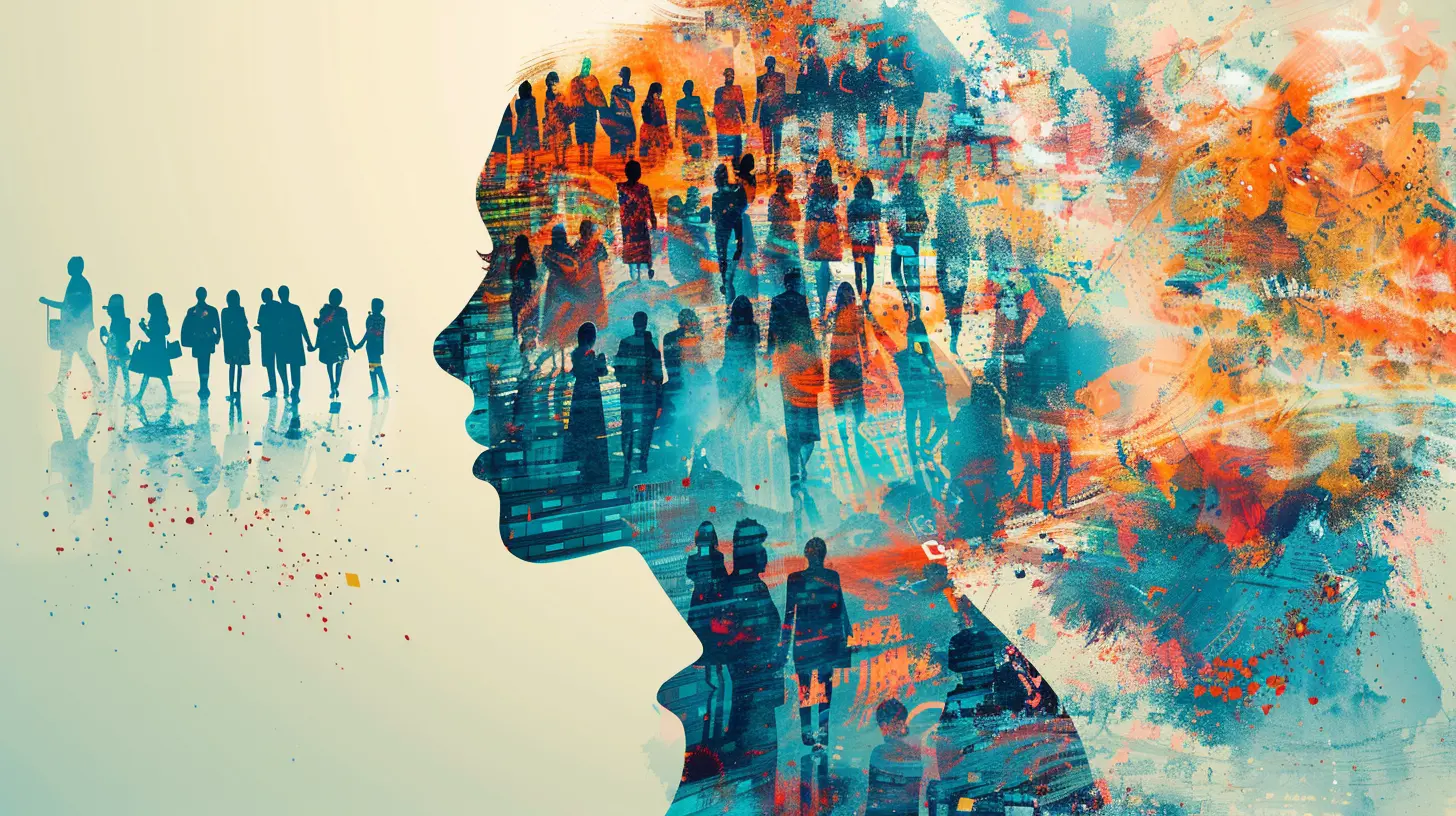
What Are Soft Skills Anyway?
Soft skills are the personal traits and behaviors that shape how you work, interact, and relate with others. We’re talking about the stuff that doesn’t always show up on a diploma but can make or break a career: communication, teamwork, problem-solving, emotional intelligence, adaptability—the list goes on.Hard skills might land you the job, but soft skills help you keep it—and thrive.

Why Soft Skills Are the Unsung Heroes of Adult Learning
Adult learners are a different breed. Most juggle responsibilities like jobs, families, and finances while trying to go back to school or upskill. That’s a lot of plates spinning. Soft skills help keep everything balanced so adult learners don’t just gain knowledge—they gain confidence and competency in real-life situations.Soft Skills Set the Foundation for Lifelong Learning
Let’s be real—learning doesn’t stop once you leave the classroom. In a fast-changing world, the ability to adapt, be coachable, and think critically is what keeps people competitive.Adult learners who cultivate soft skills are more likely to persist in their educational journey and apply what they learn in meaningful ways. They're better equipped to embrace change, pick up new tools, and shift their mindset when needed.
They Boost Employability and Career Growth
Employers love employees who can think on their feet, work well with others, and handle curveballs with grace. You could be a tech wizard, but if you can’t collaborate or communicate clearly, you’re going to hit a ceiling.In fact, multiple surveys show that employers value soft skills as much—if not more—than technical abilities. That means adult education programs that combine academic instruction with soft skill development are doing their students a massive favor.

The Real-World Benefits of Soft Skills in Adult Education
So, what do these skills actually do for adult learners in the wild? Let’s break it down.1. Better Communication Makes Everything Easier
Whether it’s writing a professional email, giving a presentation, or disagreeing with someone respectfully—communication is everywhere.Adult learners, especially those returning to school after a long break, often feel rusty. Teaching them how to express themselves clearly not only helps in the classroom but also in the workforce, at home, and in everyday interactions.
And let’s not forget listening—yes, it’s a soft skill, and a critical one. Active listening helps learners understand directions, ask better questions, and become more engaged participants.
2. Problem-Solving Spurs Confidence
There’s something powerful about being able to look at a challenge, assess the situation, and figure out a way forward. Problem-solving goes beyond academics—it builds independence and confidence.For adult learners, this skill is like having a Swiss Army knife. Got a time crunch? Figure out a workaround. Unclear assignment? Ask the right questions. Clashing with a coworker? Navigate it diplomatically.
3. Teamwork Prepares You for Real-Life Collaboration
Group projects. Love ‘em or hate ‘em, they mirror the real world. And let’s face it—no one exists in a vacuum. Whether it’s in an office, hospital, warehouse, or classroom, adults need to navigate group dynamics to succeed.Teamwork teaches empathy, patience, and compromise—all things that are as useful at home as they are at work.
4. Time Management Keeps the Chaos in Check
Balancing school, work, and life is no joke. Adults are already overwhelmed, and adding coursework to the mix can tip the scales. That’s where time management comes in clutch.Soft skills in this area help learners prioritize, stay organized, and avoid burnout. It’s like giving them a GPS when they’re lost in the weeds of obligations.
5. Emotional Intelligence Strengthens Relationships
Emotional intelligence (EQ) is the secret sauce to connecting with others. It helps adults understand and regulate their emotions and those of the people around them.For adult learners, a high EQ means better peer interactions, improved mental health, and a more resilient approach to setbacks.
Why Soft Skills Often Get Overlooked in Adult Education
You’d think something this valuable would be front and center, right? But nope—soft skills often get sidelined for technical knowledge and testing.People Think They're "Nice-to-Have"
Many adult learners (and even educators) see soft skills as fluff—something you either have or you don’t. But this mindset is shifting as more success stories point to the vital role these skills play in long-term achievement.Measuring Them Is Tough
Let’s face it—soft skills are hard to quantify. You can’t grade teamwork on a multiple-choice test. This makes it tricky for schools to assess progress and effectiveness, which often leads to soft skills being an afterthought.There’s a Lack of Structured Training
Most curriculums aren’t built with soft skills as a pillar. They’re squeezed into side workshops or assumed to develop naturally. Spoiler alert: most people don’t just magically become great communicators or time managers.How to Integrate Soft Skills Into Adult Education
Alright, so we know they’re important. Now what? How do we actually build soft skills into adult learning programs without overwhelming students or educators?1. Make Soft Skills Part of the Curriculum, Not an Afterthought
Instead of treating soft skills like a bonus, why not blend them right into lesson plans? Got a writing assignment? Add a peer review component to build feedback and communication skills. Working on a group project? Highlight collaboration and conflict resolution.By weaving soft skills into existing work, you reinforce them without needing an entirely separate course.
2. Use Real-World Scenarios
Adults learn best when content is practical and relevant. So, use workplace simulations, role-playing exercises, or case studies to teach soft skills in action.These methods help learners connect the dots and see how communication, empathy, or adaptability play out in real life—not just on paper.
3. Encourage Self-Reflection
A big part of building soft skills is awareness. Encouraging adult learners to reflect on their progress, challenges, and interactions helps them grow faster.This could be as simple as weekly journals, peer feedback, or group discussions. Make it relaxed and low-pressure—people open up more when they’re not being graded on it.
4. Involve Employers and Industry Experts
Want to make things really click? Bring in guest speakers or mentors from the working world. When learners hear directly from employers about what they’re looking for, it puts everything into context.It also shows that soft skills aren’t just classroom buzzwords—they're real, marketable assets.
5. Use Technology to Support Soft Skill Growth
There’s an app for everything, and soft skills are no exception. From communication simulations to time management tools, integrating tech solutions can make skill-building more interactive and engaging.Think of them like digital training wheels—helping learners practice before pedaling solo in the real world.
Soft Skills and the Future of Adult Education
As technology continues to reshape the job market, adaptability is no longer optional—it’s a survival skill. The future belongs to those who can work well with others, think critically, and bounce back from setbacks.Adult education programs that prioritize soft skills are doing more than teaching—they’re future-proofing.
A Holistic Approach Makes the Difference
Let’s zoom out for a sec. Soft skills are more than buzzwords—they’re life skills. When we teach adults how to speak up, stay calm under pressure, or lead with empathy, we're not just helping them get a job. We're helping them build better relationships, raise emotionally intelligent kids, and contribute to healthier communities.Education shouldn’t just be about information—it should transform people. And to do that, soft skills have to be part of the equation.
Wrapping It Up: The Human Side of Learning
At the end of the day, education—especially for adults—isn’t just about textbooks or tests. It’s about real people, real struggles, and real growth.Soft skills aren’t just “nice to have.” They’re essential tools in an adult learner’s toolkit. They help people rise above obstacles, connect meaningfully with others, and turn learning into lasting change.
So if you’re an educator, program designer, or aspiring adult learner—don’t skip the soft stuff. Because in the real world, how you do something often matters just as much as what you’re doing.
all images in this post were generated using AI tools
Category:
Adult EducationAuthor:

Charlotte Rogers
Discussion
rate this article
12 comments
Thalia Roberson
Soft skills enhance collaboration and communication in adult education, fostering a supportive learning environment essential for personal and professional growth.
February 23, 2026 at 5:21 AM
Charlotte Rogers
Thank you for highlighting the critical role of soft skills in fostering collaboration and communication in adult education. They truly are vital for creating a supportive learning environment that promotes growth.
Lola Wolfe
Great insights! Soft skills truly enhance adult learning experiences.
January 17, 2026 at 1:56 PM
Charlotte Rogers
Thank you! I'm glad you found the insights valuable. Soft skills are indeed vital for enriching adult learning experiences.
Adria McDowney
Soft skills are crucial in adult education, enhancing communication and collaboration. They empower learners to navigate diverse environments, fostering both personal and professional growth in today's competitive landscape.
December 7, 2025 at 8:46 PM
Charlotte Rogers
Thank you for your insightful comment! I completely agree—soft skills are indeed essential for fostering effective communication and collaboration, which are key to success in both personal and professional realms.
Drift Coleman
Absolutely loved this article! It highlights how vital soft skills are in adult education, truly enriching the learning experience. Emphasizing communication and teamwork prepares us for real-world challenges. Let's celebrate the power of soft skills in building confident, capable adults ready to thrive in any environment! 🌟
November 7, 2025 at 12:56 PM
Charlotte Rogers
Thank you for your thoughtful feedback! I'm glad you enjoyed the article and recognize the essential role of soft skills in enhancing adult education. 🌟
Velma Hensley
This article effectively highlights the crucial role of soft skills in adult education. By fostering communication, teamwork, and adaptability, educators can enhance learners' personal and professional growth. Emphasizing these skills alongside traditional academic knowledge prepares adults for real-world challenges and promotes lifelong learning. Great read!
October 18, 2025 at 12:58 PM
Charlotte Rogers
Thank you for your insightful feedback! I'm glad you found the article valuable in highlighting the significance of soft skills in adult education.
Ursula McVeigh
Soft skills unlock potential!
October 17, 2025 at 1:05 PM
Charlotte Rogers
Absolutely! Soft skills are essential for personal growth and effective communication, helping individuals maximize their potential in learning and beyond.
Spencer Cooper
Unlock potential: skills beyond knowledge.
October 17, 2025 at 4:34 AM
Charlotte Rogers
Absolutely! Soft skills are essential for personal growth and effective collaboration, enabling individuals to unlock their true potential beyond mere knowledge.
Zayden Lopez
Soft skills truly transform learning experiences, enabling deeper connections and enhancing personal and professional growth.
October 16, 2025 at 12:49 PM
Charlotte Rogers
Thank you for your insight! I completely agree—soft skills are crucial for fostering meaningful connections and promoting holistic growth in adult education.
Logan Sheppard
Great article! Soft skills are essential for lifelong learning. They not only enhance our education but also improve our connections with others!
October 14, 2025 at 3:08 AM
Charlotte Rogers
Thank you! I'm glad you found the article valuable. Soft skills truly play a vital role in both education and relationships.
Drew Pruitt
Great article! Highlighting soft skills in adult education is crucial for personal and professional growth. Thank you!
October 13, 2025 at 9:00 PM
Charlotte Rogers
Thank you for your feedback! I'm glad you found the article valuable. Soft skills are indeed essential for growth!
Arden McGivern
Empower, Connect, Thrive Together!
October 10, 2025 at 3:59 AM
Charlotte Rogers
Thank you! Empowering individuals through soft skills fosters meaningful connections and collective growth. Together, we can thrive!
Summer McBride
This article effectively underscores the critical role soft skills play in adult education. By fostering communication, teamwork, and adaptability, these competencies enhance learners' personal and professional growth, making them more competitive in the job market. Emphasizing soft skills equips adults to navigate complex workplace dynamics, ultimately enriching their educational experience.
October 9, 2025 at 7:08 PM
Charlotte Rogers
Thank you for your thoughtful comment! I completely agree that soft skills are essential for enhancing both personal and professional growth in adult education. They truly empower learners to thrive in today’s dynamic job market.
MORE POSTS

How to Build a Study Schedule That Works for You

Using Case Studies to Develop Critical Thinking Skills

Montessori and Music: Developing Rhythm, Pitch, and Love for Music
From Analog to Digital: Transitioning Traditional Subjects with Coding

How to Engage Students in the Assessment Process

The Influence of Classical Music on Modern Education
The Importance of Pacing Yourself During a Standardized Test

Scaffolding for Success: Helping Students Achieve Mastery