Montessori and Music: Developing Rhythm, Pitch, and Love for Music
13 December 2025
Have you ever watched a child get completely lost in a song, swaying to the beat with that innocent joy that only kids can radiate? There’s something magical about how music connects with young minds. And if you've ever walked into a Montessori classroom, you'll know that music isn't just background noise—it’s a key player in how kids grow, discover themselves, and interact with the world.
Music and Montessori go hand in hand like peanut butter and jelly. They’re both all about nurturing the whole child—mind, body, and soul. So, let’s dive into how music, especially rhythm and pitch, is woven into the Montessori approach and why it’s so powerful for cultivating a long-lasting love for music.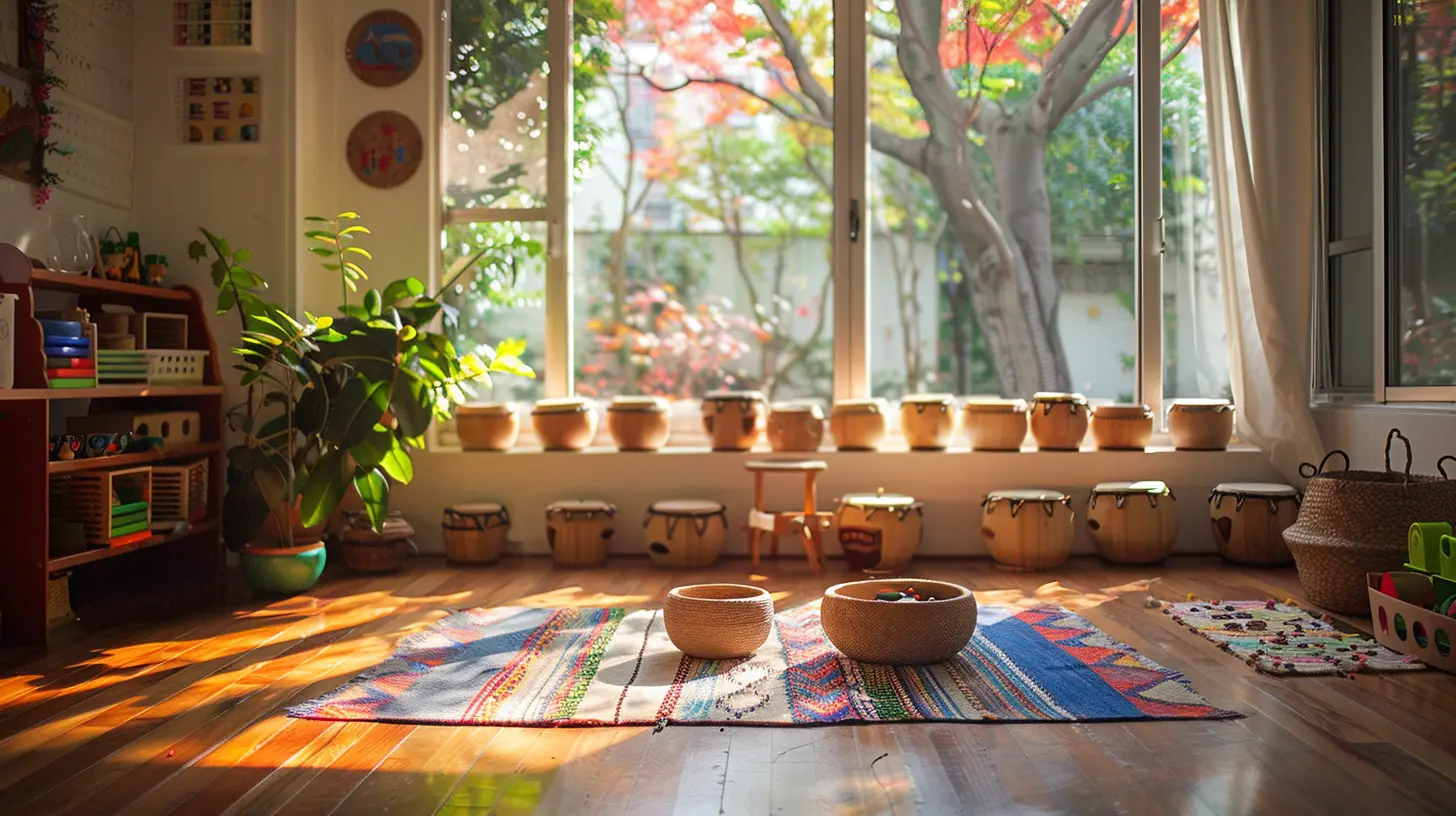
What Makes the Montessori Method So Unique?
Before we talk music, let’s set the stage with a quick refresher. The Montessori method, developed by Dr. Maria Montessori over a century ago, is a child-centered educational approach. It focuses on independence, hands-on learning, and respect for a child’s natural psychological development.Montessori classrooms are full of carefully chosen materials, quiet guidance from teachers (called guides), and a deep belief in letting the kids take the lead in their learning. That’s where music comes in—not as a subject that’s boxed into one time slot, but as a natural, everyday experience.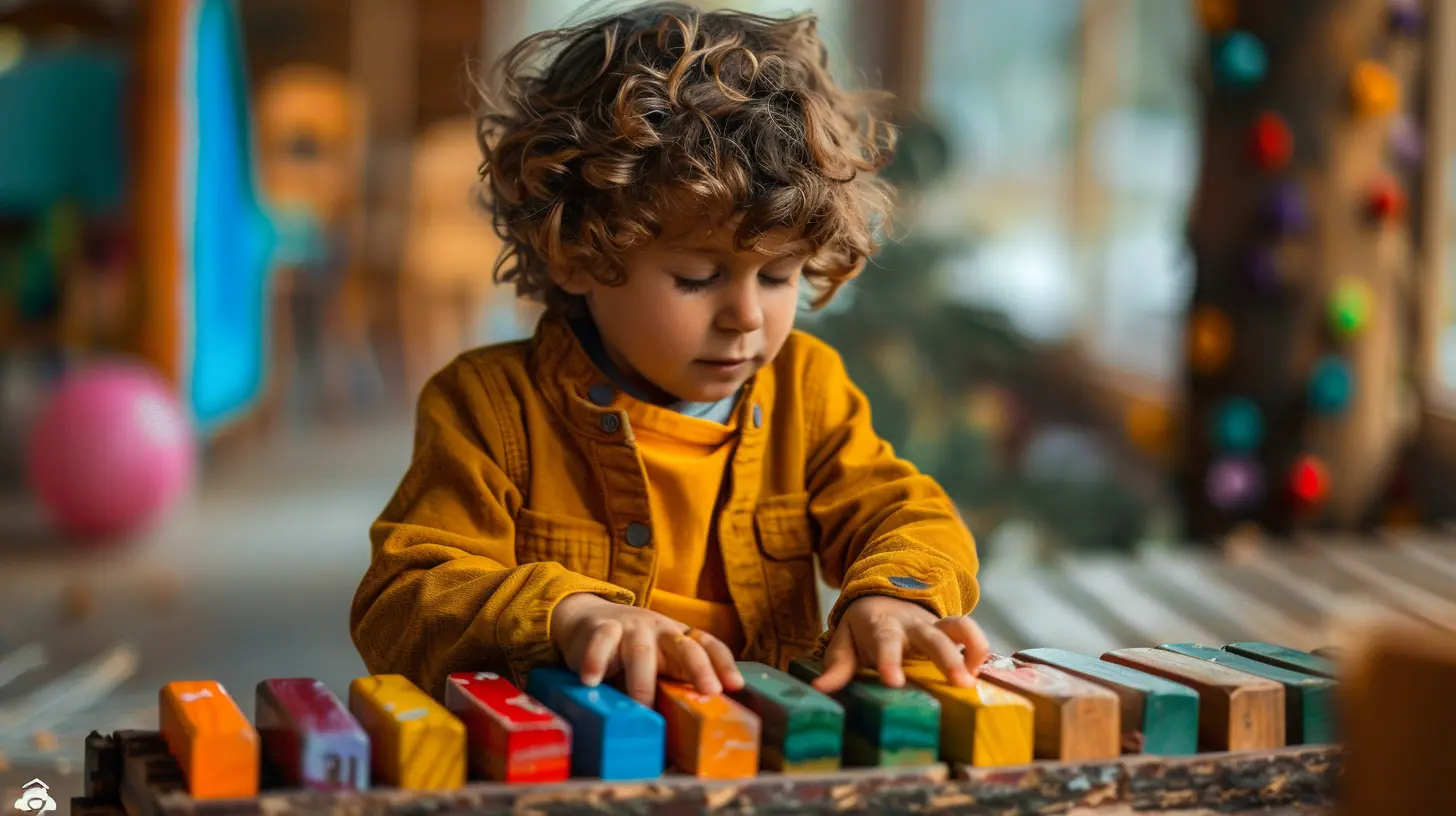
Why Music Belongs in Montessori
Have you ever noticed how music is one of the first things babies respond to? They kick their legs when they hear a beat, they hum before they talk, and often, they can memorize lyrics before they can read. Music is in us from the very beginning.Montessori education recognizes that innate connection. Instead of treating music as an extracurricular activity, it integrates it into daily routines, sensory learning, emotional development, and even math. The philosophy sees music not just as an art, but as an essential part of human expression.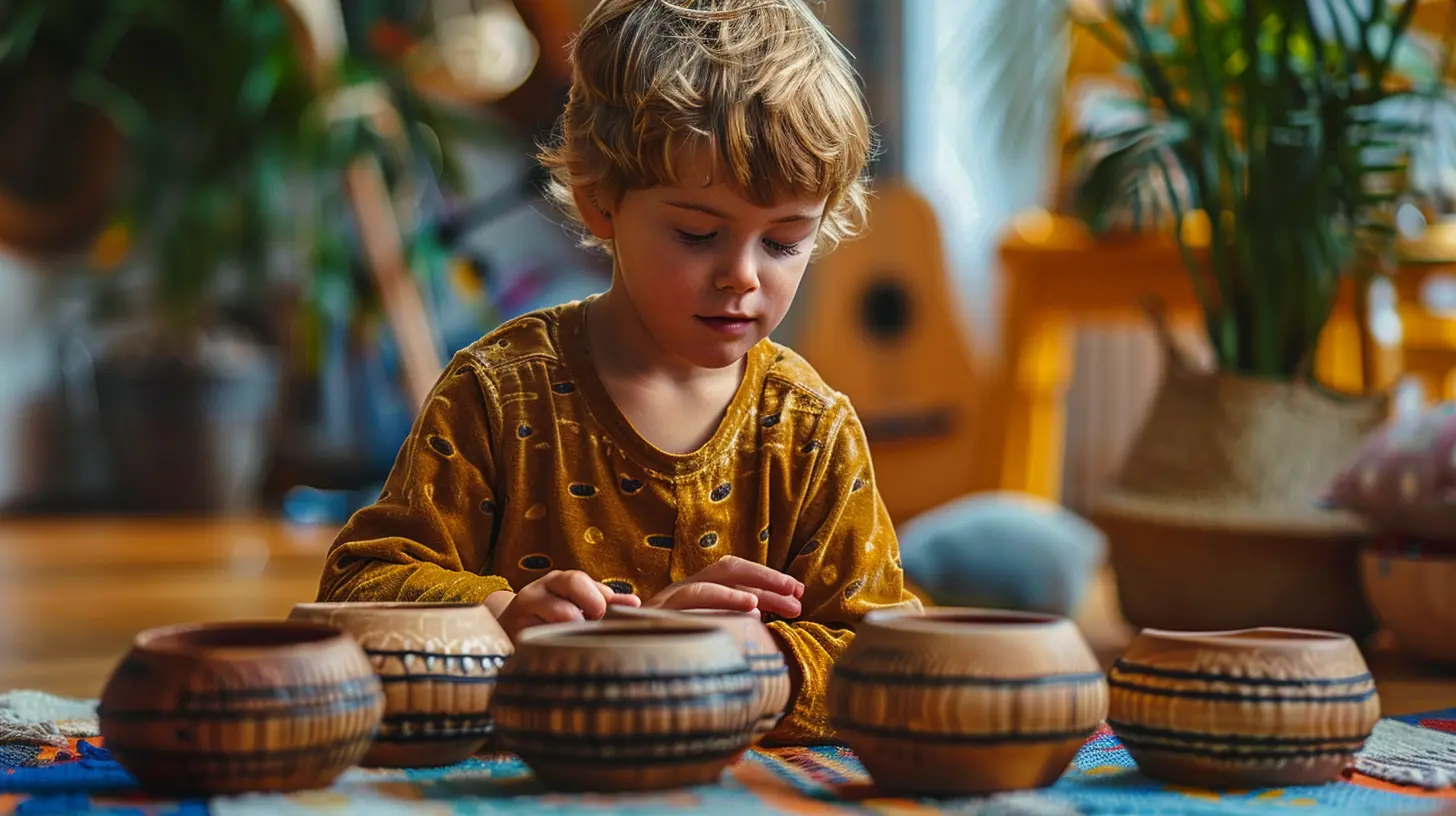
The Foundation: Listening First
In Montessori, everything starts with observation and experience. Music is no different. The first step is simply listening. Kids are exposed to high-quality music early on—from classical masterpieces to global rhythms. They don’t just “hear” music—they actively listen.Imagine a toddler sitting quietly, eyes wide, as a guide plays a soft piece by Mozart on a CD or gentle notes on a xylophone. That moment of stillness is powerful. It tunes their ear to pitches, patterns, and emotions. Montessori calls this the “absorbent mind”—and music sticks.
Listening lays the groundwork. Just like how reading begins not with books but with listening to language, musical literacy starts with sound. It builds attentiveness, auditory discrimination, and emotional sensitivity.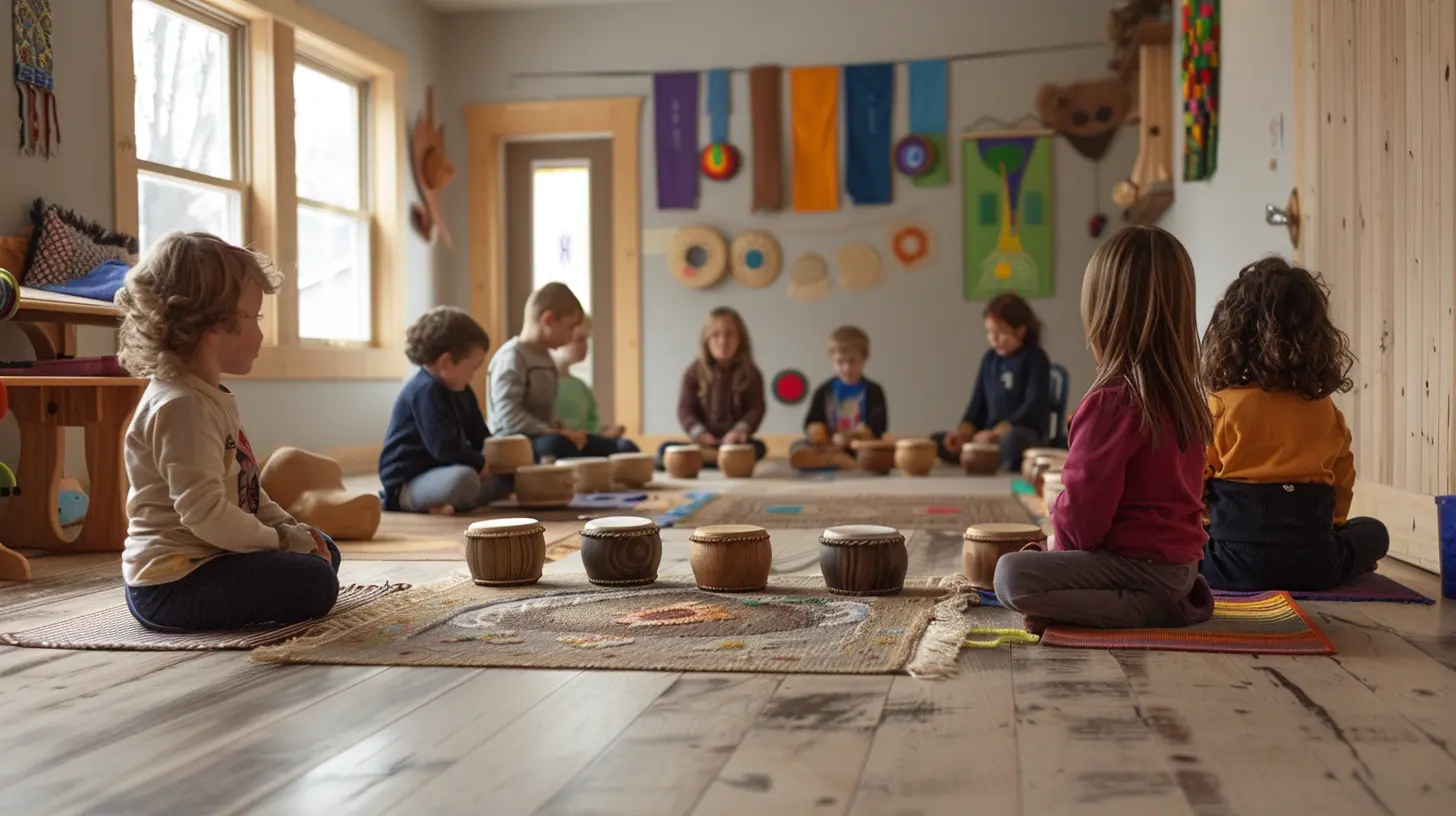
Developing Rhythm: Feeling the Beat, Inside and Out
Let’s talk rhythm. It’s more than just clapping on beat—it’s the heartbeat of music. In Montessori classrooms, rhythm is brought to life in ways that are physical and fun.Children tap rhythm sticks, march in time, dance with scarves, and shake bells. These aren’t just playthings—they’re tools that help children internalize beat and timing. Rhythm activities help develop:
- Gross motor skills – Moving to the music improves coordination.
- Concentration – Keeping a steady beat calls for attention and focus.
- Math readiness – Rhythm patterns mirror mathematical sequencing.
These experiences aren’t forced—they flow from the child’s own curiosity. When kids create rhythms with a drum or follow the beat in a song, they’re building foundations for both musical and cognitive skills, all while having a blast.
Tuning Into Pitch: Hearing the Highs and Lows
Pitch is another biggie. It’s what helps us tell a high note from a low one, and it’s crucial for singing in tune and playing instruments. Montessori addresses pitch with gentle but effective tools.One favorite? The Montessori bells. They look like a miniature piano spread out across a table—color-coded, tuned to perfection, and oh-so-inviting. Children use them to match, compare, and eventually grade pitches from low to high and back again. It’s sound and sight, working together.
Did you know that young children are especially sensitive to pitch? There’s a sweet spot, often between ages 2 and 6, when their ears can pick up nuances adults might miss. Montessori capitalizes on this window. Activities like:
- Matching sound cylinders by pitch
- Singing echo games (Guide sings a note. Child repeats it.)
- Playing simple songs on bells or keyboards
These aren’t about memorizing scales or reading music (yet!). They’re about letting the child experience pitch in a hands-on, joyful way.
Singing: The Heartbeat of Montessori Music
If rhythm is the bones of music, singing is its soul. Montessori classrooms sing daily—morning greetings, clean-up songs, transition tunes. These aren’t just cute traditions. They serve real developmental purposes.Singing builds:
- Language skills – Songs enhance vocabulary and sentence structure.
- Memory – Repetition through song wires memory in a deeper way.
- Confidence – Even shy kids find their voice through singing.
And there’s another beautiful thing—group singing. When kids sing together, something shifts. They listen to each other. They sync. They feel a sense of unity. It’s about community just as much as music.
Instruments in Montessori: Less is More
You won’t see full drum kits or electric guitars in a Montessori toddler room. But you will find carefully chosen, high-quality instruments that are just right for little hands—wooden maracas, small tambourines, glockenspiels, and yes, those iconic Montessori bells.The key is intentionality. Instruments aren’t used to make noise—they’re used to make music. Children learn to treat them with respect and explore them thoughtfully.
And guess what? Even everyday objects become instruments in a Montessori setting. A spoon tapping a bowl, a box used as a drum. It’s about discovery. The idea is to show that music is everywhere—waiting to be found.
Music Across the Curriculum: It’s All Connected
One of the coolest things about Montessori is how interconnected everything is. Music isn’t confined to “music time.” It spills into math, language, geography, and culture.- Math: Rhythmic patterns, counting beats, fractional note values—all aligned with early numeracy.
- Language: Songs in different languages, rhyming games, lyrical storytelling to build phonemic awareness.
- Cultural Studies: Music from around the world introduces global diversity in a way that’s tangible and joyful.
This cross-pollination means that music isn’t just "another class." It’s a thread that ties learning together, making everything more engaging and meaningful.
Emotional Benefits: Music as Therapy and Expression
Ever had a bad day and found comfort in your favorite song? Kids do too. Music offers a channel for emotional expression—especially for those who don’t yet have the words.Montessori music time is gentle and child-led. There’s no pressure to perform. Instead, it offers:
- A safe space to explore feelings – Minor keys for melancholy, upbeat songs for joy.
- A way to process experiences – Through song, children make sense of their world.
- A calming force – Soft background music during transitions or rest can soothe the most restless toddler.
It’s a quiet kind of therapy, woven into the rhythm of the day.
Planting the Seed of a Lifelong Love
Let’s be honest—most of us won’t grow up to be concert pianists. But that’s not the point. Montessori music education isn’t about training prodigies. It’s about sparking love. It’s about helping children feel that music is theirs.When a child internalizes rhythm, recognizes pitch, sings freely, and respects instruments, they build a personal connection with music. And that love? It sticks. It grows. It opens doors to creativity, emotional depth, and cultural appreciation.
Montessori plants the seed. The rest of life helps it bloom.
What You Can Do at Home
You don’t need a Montessori credential or a music degree to support your child’s musical journey. Here are some simple, joyful ways to keep the rhythm going at home:- Sing together daily – Don’t worry if you're off-key. Your child won’t care.
- Introduce real instruments – Skip the plastic toy versions when possible.
- Play a variety of music – Classical, jazz, folk, world music—mix it up.
- Use music for transitions – Sing during clean-up or bedtime routines.
- Encourage movement to music – Make time for dancing and marching.
- Listen actively – Point out instruments, rhythms, and changes in pitch.
Most importantly? Make it fun. Let music be something you enjoy together—not just another task on a checklist.
Wrapping It Up: Montessori and Music Go Hand in Hand
Montessori and music are a match made in heaven. They both respect the child—body, mind, and spirit. When you weave music into a child’s daily life, you're not just teaching notes and rhythms. You're nurturing creativity, sparking joy, and building lifelong learners who express themselves with confidence and heart.So, the next time you hear your child hum a tune, tap out a rhythm, or sing at the top of their lungs—pause and smile. That’s not noise. That’s growth. That’s Montessori. That’s music.
all images in this post were generated using AI tools
Category:
Montessori EducationAuthor:

Charlotte Rogers
Discussion
rate this article
12 comments
Nora McClary
Integrating Montessori principles in music cultivates not just skills, but a lifelong passion for creativity.
January 28, 2026 at 12:38 PM
Charlotte Rogers
Thank you! Integrating Montessori principles truly fosters both musical skills and a deep-seated passion for creativity in young learners.
Kingston Rodriguez
This article beautifully highlights how Montessori nurtures a child's innate musicality, fostering both creativity and joy.
December 25, 2025 at 5:55 AM
Charlotte Rogers
Thank you! I'm glad you found the connection between Montessori and musical development so inspiring.
Ezra Diaz
Embracing music in Montessori education ignites creativity and nurtures the soul. By integrating rhythm and pitch, we empower children to express themselves, fostering a lifelong love for music that enriches their learning journey and deepens their connection to the world.
December 24, 2025 at 2:09 PM
Charlotte Rogers
Thank you for highlighting the powerful role of music in Montessori education! It truly enhances creativity and self-expression, enriching children's learning experiences.
Grace Hurst
Thank you for this insightful article on the intersection of Montessori education and music! I appreciate how you highlight the importance of rhythm and pitch in children's development. Fostering a love for music is such a valuable gift for young learners.
December 23, 2025 at 1:41 PM
Charlotte Rogers
Thank you for your kind words! I'm glad you found the article insightful and appreciate your thoughts on the importance of music in early development.
Drew Montgomery
This article beautifully highlights how Montessori methods enhance musical skills. Integrating rhythm and pitch fosters creativity and a lifelong love for music.
December 22, 2025 at 12:05 PM
Charlotte Rogers
Thank you for your thoughtful comment! I'm glad you found the connection between Montessori methods and musical development so impactful.
Zorina Walker
What a delightful blend of Montessori and music! Nurturing rhythm and pitch in young minds not only enhances their creativity but also fosters a lifelong love for melodies. Keep the musical magic alive! 🎶✨
December 21, 2025 at 9:14 PM
Charlotte Rogers
Thank you for your thoughtful comment! I'm glad you appreciate the blend of Montessori and music in nurturing creativity and a love for melodies. 🎶✨
Spike McQuiston
Music: Montessori's secret superpower!
December 21, 2025 at 1:59 PM
Charlotte Rogers
Absolutely! Music enriches Montessori education by fostering creativity, enhancing cognitive skills, and nurturing a lifelong love for learning.
Zephyrion McMaster
Music nurtures creativity and joy, enriching Montessori learning experiences beautifully.
December 18, 2025 at 9:24 PM
Charlotte Rogers
Thank you for your insightful comment! Music truly enhances the Montessori experience, fostering creativity and joy in young learners.
Bear Cannon
Embrace the harmony of learning! Montessori makes music fun and engaging for all!
December 16, 2025 at 8:49 PM
Charlotte Rogers
Thank you! We're excited to see how Montessori methods foster a joyful and inclusive approach to music education!
Ulysses Vance
Essential for fostering creativity and cognitive growth!
December 16, 2025 at 6:02 AM
Charlotte Rogers
Thank you! We agree that Montessori methods effectively enhance creativity and cognitive development through music.
Kennedy Whitaker
Rhythmic rainbows: Montessori’s musical magic blooms!
December 15, 2025 at 3:57 AM
Charlotte Rogers
Thank you! I'm glad you enjoyed the connection between Montessori education and the joy of music. 🌈🎶
Drew Coffey
Montessori fosters musical skills through hands-on activities, enhancing creativity and emotional development.
December 14, 2025 at 4:16 AM
Charlotte Rogers
Thank you for your insightful comment! I completely agree that Montessori's hands-on approach significantly nurtures musical skills and fosters creativity in children.
MORE POSTS
Using Educational Apps to Enhance Early Literacy

The Connection Between Mindfulness and Growth Mindset

How to Approach the Essay Section on Standardized Tests

Navigating Career Changes Through Adult Education

Mindfulness Apps and Tools for Educators and Students

Music Theory Basics Every Student Should Know

The Role of Reflection in Effective Assessment Practices

Strategies for Reducing Test Anxiety in the Classroom