Integrating Nature and Environment into Primary School Lesson Plans
12 November 2025
Let’s face it—kids love the outdoors. Whether it's chasing butterflies on the school field or collecting fallen leaves during recess, nature has a magical pull on young minds. So why not bring it right into the classroom? No, not literally dragging in mud and bugs (although, that could be fun too), but by weaving the environment into everyday learning.
Integrating nature and environment into primary school lesson plans isn’t just a trendy idea—it’s a game-changer. It helps kids understand the world around them and sparks a sense of wonder that textbooks alone can’t provide. So, how do we actually do that without turning the classroom into a jungle?
Grab your cup of coffee (or tea), and let's dig into the soil of this topic—pun totally intended.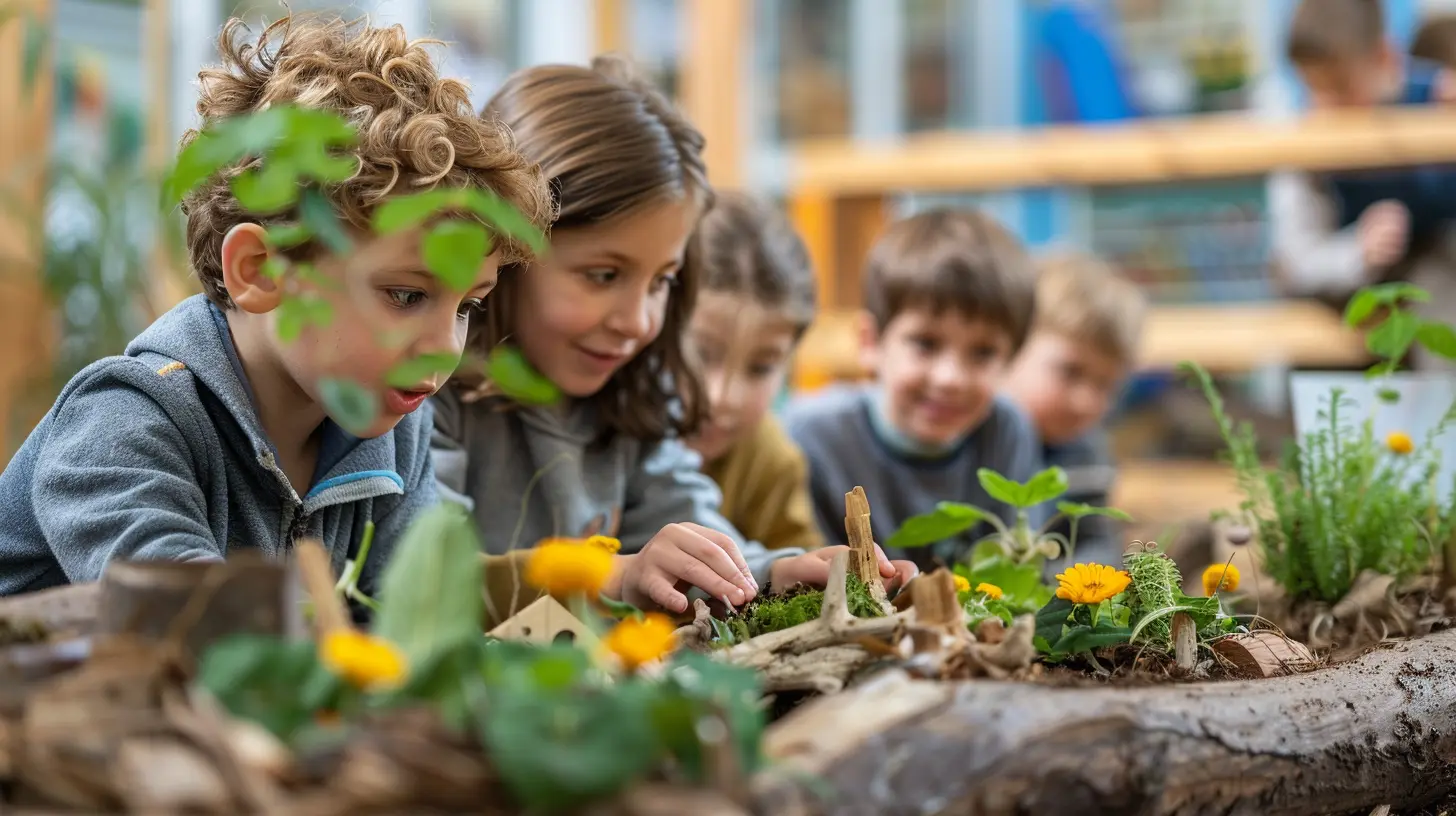
Why Nature Belongs in the Classroom
Before we dive into the how, let’s talk about the why. Why should we even bother?1. It makes learning real
Kids don’t just learn better when they see the real-world application of a concept—they remember it. Imagine teaching plant life cycles by growing actual plants instead of just showing diagrams. Way more fun, right?2. It nurtures curiosity and responsibility
When children interact with nature, they start asking questions: “Why does this plant need sunlight?” or “Where do ants go in the winter?” Boom! You’ve got budding scientists. Plus, they start caring more about the environment, seeing themselves as a part of it rather than apart from it.3. It boosts mental health
Let’s not forget—fresh air and green spaces help reduce stress and improve focus. Studies have shown that kids who spend time in nature are often calmer and more attentive. That’s a big win in any teacher’s book.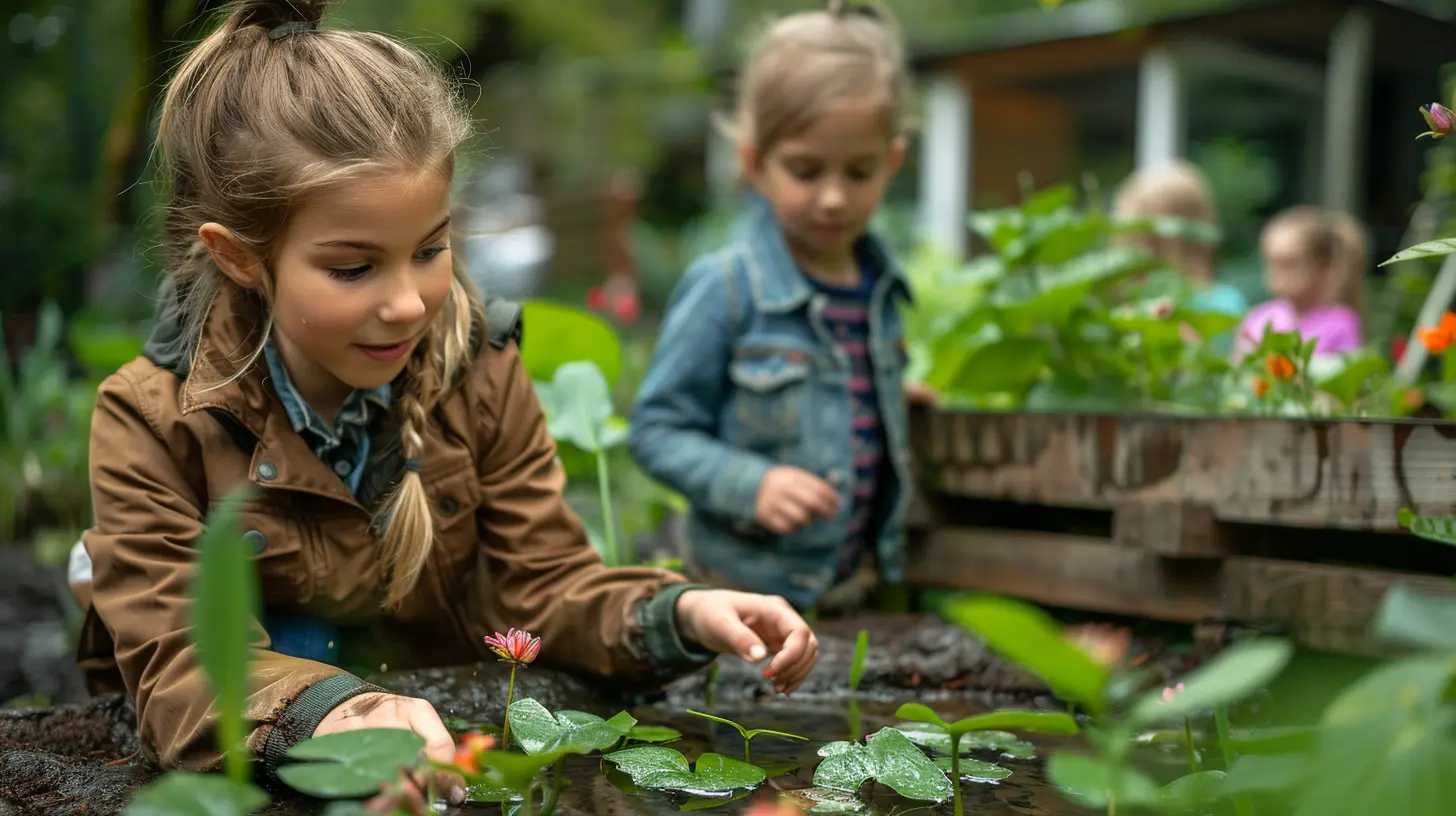
Start with the Basics: What Can Be Integrated?
You don’t have to overhaul your entire curriculum. Small tweaks in your lesson plans can make a huge difference.Subjects That Mesh Beautifully with Nature:
- Science: This one’s obvious. Weather, ecosystems, plants, animals—it’s practically begging for outdoor exploration.- Math: Patterns in leaves, counting bugs, measuring rainfall—math comes alive when it's outside.
- Language Arts: Writing nature journals or poetry inspired by a walk in the woods? Yes, please.
- Art: Nature collages, leaf rubbings, drawing landscapes—it's hands-on and creative.
- Geography: Exploring local landforms, bodies of water, and how communities interact with their environment.
Practical Ideas for the Classroom (and Beyond)
Alright, let’s talk action. Here are some real, ready-to-go ideas that you can use to integrate nature into your primary school lessons—without needing a degree in botany.1. Create a Class Garden
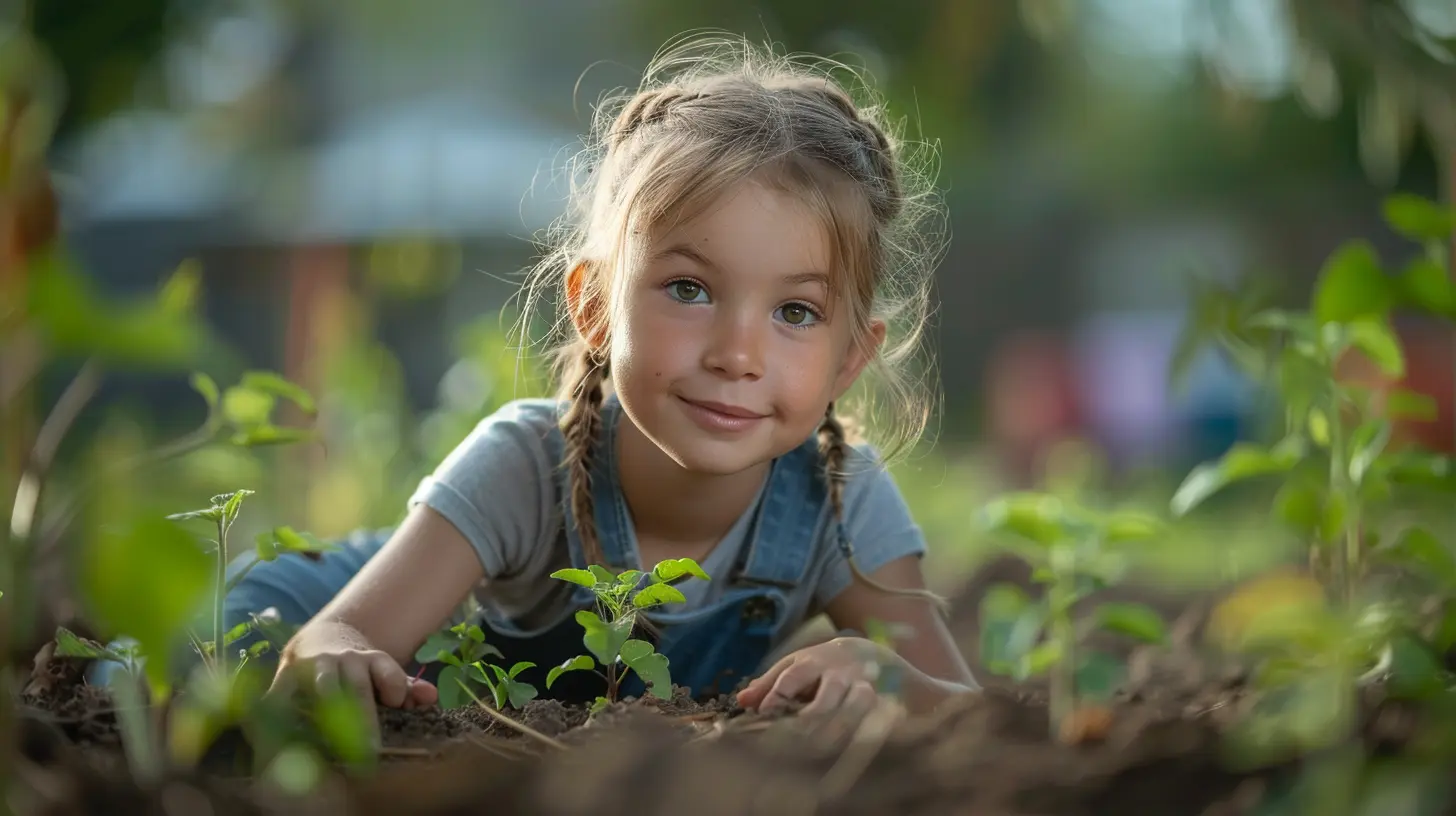
Whether it's a few pots on a windowsill or a corner of the schoolyard, gardening is a perfect hands-on learning tool. You can tie it into:- Science: Plant growth, photosynthesis.
- Math: Measuring plant height, tracking watering schedules.
- Responsibility: Rotating “plant care” duties builds habits.
Plus, kids LOVE to dig in the dirt. It’s like magic for engagement.
2. Nature Walks and Journals
This one’s super simple and requires zero fancy equipment. Take your class outside—yes, even to the schoolyard—and ask them to notice things. What do they hear? What colors do they see?Back in the classroom, have them write short journal entries or draw what they saw. This connects beautifully with observation skills, descriptive writing, and even mindfulness.
3. “Adopt a Tree” Project
Pick a tree on the school grounds and let the class “adopt” it. Each week, observe it and record changes. Is it blooming? Are there animals nearby? How does it change with seasons?Tie it into:
- Science: Life cycles.
- Art: Drawing seasonal changes.
- POV writing: “A Day in the Life of Our Tree.”
It’s free, easy, and packed with learning opportunities.
4. Eco-Themed Story Time
Storybooks are a great way to introduce environmental concepts. Try books that touch on sustainability, animal habitats, or weather.After reading:
- Discuss the themes.
- Act out scenes.
- Write your own eco-tales.
This builds vocabulary and comprehension while planting seeds of environmental awareness.
5. Weather Watchers
Designate a student or group each day as the "weather team." They go outside, observe, and report back:- Temperature
- Clouds
- Wind
- Any changes from yesterday?
Use the data over time to create graphs, make predictions, or even write fun weather reports (hello, budding meteorologists!).
Digital Meets Nature: Using Tech to Explore the Environment
Wait, nature with screens? Isn’t that a contradiction? Not really. Tech can be the bridge that connects students to parts of nature they can’t see up close.Augmented Reality (AR) Apps & Virtual Nature Walks
Use AR apps that bring animals or plants into the classroom virtually. Google Expeditions or 3D animal models can help kids “meet” creatures from the rainforest without leaving their desks.Live Cams from Zoos and Natural Parks
Set up live streams of eagle nests, underwater reefs, or forests. Watch them together during class and encourage students to spot interesting behaviors.Building Environmental Awareness (Without the Guilt Trip)
Teaching kids about the environment shouldn't be about overwhelming them with doom and gloom. Instead, focus on positive actions they can take and the beauty of the natural world.Start Small
- Turn off lights when the room is empty.- Recycle classroom materials.
- Bring reusable water bottles.
These little things reinforce that their actions matter.
Classroom Discussions
Ask questions like:- “Why do we need bees?”
- “What happens to trash after we throw it away?”
- “How can we help animals stay safe?”
Let students share ideas and collaborate on solutions. You’re building critical thinkers and responsible citizens.
Seasonal Activities (Because Nature Changes, and That’s Cool!)
Each season offers something unique you can bring into the classroom:- Spring: Seed planting, birdwatching, studying pollination.
- Summer: Sun and shadows, water conservation, outdoor art.
- Fall: Leaf collection, studying migration patterns.
- Winter: Animal hibernation, snow and ice experiments (if weather permits).
Seasons give you a built-in structure for organizing nature-based lessons throughout the year.
Collaborate and Connect
You’re not in this alone. Partner with:- Local environmental educators: Invite them to speak or lead activities.
- Parks and nature centers: Plan field trips or virtual tours.
- Parents: Encourage weekend nature time with take-home activities.
Nature is a community resource. Tapping into it makes your job easier—and the experiences richer.
Common Challenges (And How to Tackle Them)
Of course, no strategy is perfect. Here are a few hurdles teachers might face—and how to hop over them.Limited Outdoor Space?
No field? No problem. Pots on a windowsill or observing clouds from the asphalt still counts. It’s about noticing, not location.Lack of Time?
Integrating doesn’t mean adding more. It means shifting how you teach. Instead of a reading about the water cycle, build a mini water cycle in a jar. It takes the same time, but it sticks better.Weather Issues?
Bad weather? Go virtual with nature cams or documentaries. Or do mini indoor nature science labs. Nature isn’t always sunshine—and that’s part of the lesson too.Wrapping it All Up
So, there you have it. Nature isn't something to squeeze into a lesson plan—it’s already a part of everything around us. By integrating the environment into primary education, we’re not just ticking curriculum boxes—we're raising curious, compassionate, and conscious kids.And let’s be honest—teaching a math lesson while counting bugs or writing poetry inspired by the rustling trees? Way more fun than worksheets.
So, next time you’re planning a lesson, just ask yourself: “How can I bring a bit of the outdoors in?”
The results might just surprise you—and your students.
all images in this post were generated using AI tools
Category:
Lesson PlansAuthor:

Charlotte Rogers
Discussion
rate this article
13 comments
Hugo Young
Integrating nature into lesson plans? Finally, a reason for kids to bring mud into the classroom! Just imagine the science experiments: 'Today, we’ll study dirt—real hands-on learning!' Remember, a little outdoor chaos can lead to big discoveries… and possibly a new pet worm!
February 26, 2026 at 5:15 AM
Charlotte Rogers
Absolutely! Embracing nature in the classroom fosters creativity and curiosity, making learning engaging and memorable—bring on the mud and worm discoveries!
Francesca Wyatt
Integrating nature into education fosters curiosity and empathy, nurturing a generation that values our planet.
January 23, 2026 at 12:32 PM
Charlotte Rogers
Thank you! I completely agree—infusing nature into education not only sparks curiosity but also cultivates a sense of responsibility toward our planet in young learners.
Lucy Mendez
Connecting with nature enriches learning and fosters environmental stewardship in children.
December 14, 2025 at 2:05 PM
Charlotte Rogers
Absolutely! Connecting with nature not only enhances learning but also instills a sense of responsibility towards the environment in children.
Rose McDaniel
Thank you for highlighting the importance of nature in education; it fosters curiosity and empathy in our youngest learners.
November 29, 2025 at 3:39 AM
Charlotte Rogers
Thank you for your insightful comment! I completely agree—nature indeed plays a vital role in nurturing curiosity and empathy in young learners.
Tia McConnell
This article effectively highlights the importance of integrating nature and the environment into primary school lesson plans. By fostering a connection to the natural world, educators can enhance student engagement and promote environmental stewardship. Such integration not only enriches the curriculum but also cultivates responsible future citizens.
November 27, 2025 at 7:35 PM
Charlotte Rogers
Thank you for your insightful comment! I'm glad you found the article effective in emphasizing the significance of integrating nature into education for fostering engaged and responsible citizens.
Zephyrwind Mathews
This article wonderfully highlights the importance of incorporating nature into primary education. Engaging students with their environment fosters curiosity and responsibility towards our planet. Thank you for sharing these insights!
November 27, 2025 at 12:55 PM
Charlotte Rogers
Thank you for your kind words! I'm glad the article resonated with you and highlights the vital connection between education and the environment.
Jacqueline McGrath
Nature enriches learning; let curiosity guide our lessons.
November 26, 2025 at 5:54 AM
Charlotte Rogers
Absolutely! Harnessing nature ignites curiosity, making lessons more engaging and impactful for students.
Gabriel Gilbert
Absolutely love this approach! Integrating nature makes learning fun and nurturing for young minds. Keep it up!
November 23, 2025 at 3:42 AM
Charlotte Rogers
Thank you so much! I’m glad you enjoyed the approach—nature truly enhances learning for young minds!
Tabitha Erickson
What a fantastic article! Integrating nature into lesson plans not only sparks curiosity but also nurtures a love for the environment in young minds. Excited to see classrooms filled with outdoor learning adventures! Keep inspiring the future! 🌿✨
November 22, 2025 at 6:08 AM
Charlotte Rogers
Thank you for your kind words! I'm glad you found the article inspiring. Let's continue to nurture that love for nature in our classrooms! 🌍✨
Susan Dorsey
Wonderful ideas! Nature makes learning so much more engaging for kids!
November 21, 2025 at 3:37 AM
Charlotte Rogers
Thank you! I completely agree—nature truly enriches the learning experience for children.
Zevran Lawrence
Turning classrooms into outdoor adventure zones!
November 19, 2025 at 9:46 PM
Charlotte Rogers
Thank you! Embracing outdoor adventure zones enhances engagement and fosters a deeper connection with nature in learning.
Cara Kline
This article beautifully highlights the importance of integrating nature into primary education. Connecting young learners with their environment fosters curiosity and a sense of responsibility towards the planet. Thank you for sharing these insightful strategies to inspire educators to create enriching, nature-focused lesson plans!
November 19, 2025 at 1:25 PM
Charlotte Rogers
Thank you for your thoughtful comment! I'm glad you found the article helpful in promoting nature integration in education. Together, we can inspire young minds to cherish and protect our planet!
Zeal Barron
In every leaf and whispering breeze, Lessons bloom like wildflower seeds. Nature's canvas, vast and bright, Inspire young minds to see the light, Connecting hearts to earth's delight.
November 16, 2025 at 9:14 PM
Charlotte Rogers
Thank you for your beautiful reflection! Integrating nature into lesson plans truly nurtures creativity and connection in young learners.
MORE POSTS

The Art of Asking the Right Questions in Classroom Assessments
Encouraging Early Literacy Through Nature and Outdoor Activities

How to Stay Motivated During Long Study Sessions

Drama Activities to Enhance Public Speaking and Confidence
Designing Assessments That Motivate and Challenge Students

Language Arts Games for Improving Literacy Skills
Balancing Summative and Formative Assessments for Maximum Impact

How to Use Mindfulness to Stay Present During Study Sessions

Overcoming Study Plateaus: How to Push Through Learning Obstacles