The Impact of Mindfulness on Bullying Prevention
16 February 2026
Bullying. It’s a word that sends chills down many spines—whether you’ve been a victim, a bystander, or even (gulp) the bully. No one likes to talk about it, yet it’s a reality in schools, workplaces, and even online spaces.
But what if there was a way to tackle bullying that didn't involve endless lectures or boring handbook policies? Enter mindfulness—a simple yet powerful practice that can change the way we respond to conflict, emotions, and even the urge to put someone down.
In this article, we’ll dive into how mindfulness can be the secret weapon against bullying, not just for those who are targeted, but for everyone in the community. Let’s get into it!
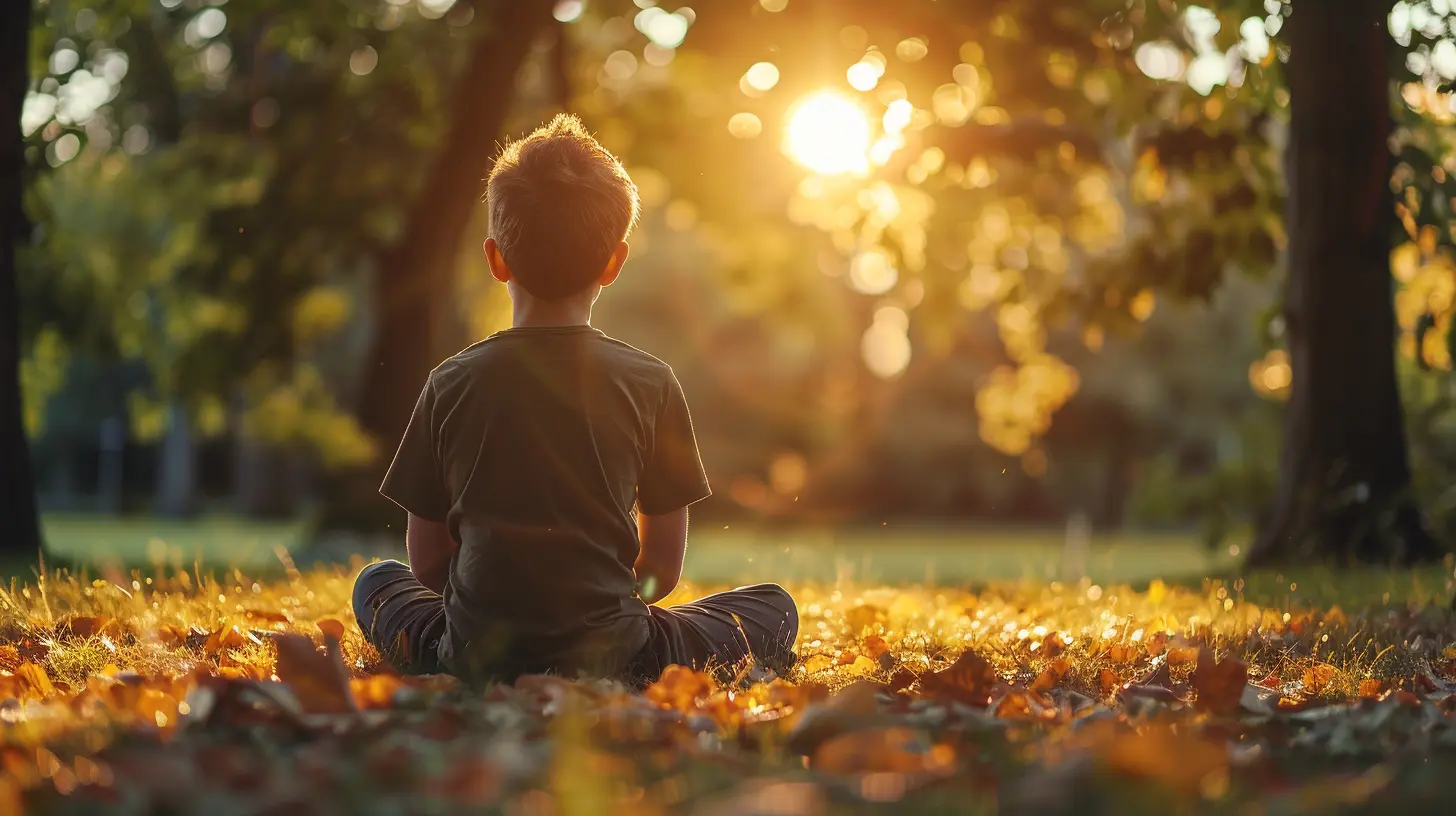
Understanding Mindfulness
Before we connect the dots between mindfulness and bullying, let’s talk about what mindfulness actually is.Mindfulness is the practice of being fully present in the moment—without judgment. It’s about paying attention to your thoughts, feelings, and surroundings without getting swept away by them. Think of it as a mental pause button that helps you respond, instead of react.
Why Does This Matter?
Because emotions run high in bullying situations. Whether it’s anger, fear, embarrassment, or frustration, unchecked emotions can lead to impulsive actions—like lashing out, shutting down, or feeling trapped in negativity.Now, what if we could train our minds to handle tough situations with a sense of calm and control? That’s where mindfulness swoops in like a superhero.
The Link Between Mindfulness and Bullying Prevention
1. Mindfulness Reduces Aggression
Many bullies don’t act out because they’re inherently “bad” people. Often, they have unresolved emotions—anger, insecurity, stress—that they unload onto others.Studies suggest that practicing mindfulness reduces aggression by helping individuals regulate their emotions. Instead of reacting out of impulse, a mindful person is more likely to pause, reflect, and choose a better response.
2. It Helps Victims Build Resilience
Being bullied can leave emotional scars. Victims often internalize hurtful words and actions, leading to low self-esteem and anxiety.Mindfulness teaches self-compassion and emotional resilience. When someone practices mindfulness, they learn to observe negative thoughts without believing them. That harsh name someone called you? It’s just words—not the truth about who you are.
3. Mindfulness Encourages Empathy
Bullying thrives in environments where emotions are ignored or dismissed. But mindfulness fosters emotional awareness, making individuals more tuned in to what others are feeling.A mindful person is less likely to bully because they recognize the shared human experience—how words and actions affect others. It also encourages bystanders to step in and support those who are being mistreated.
4. It Improves Conflict Resolution
Most bullying situations arise from misunderstandings, unchecked emotions, or power struggles. Mindfulness strengthens problem-solving skills, helping people respond calmly rather than escalating situations.Instead of reacting with anger, mindfulness promotes thoughtful communication—allowing both sides to express their feelings in a way that leads to resolution, not more conflict.

How Schools and Communities Can Incorporate Mindfulness
So, how can mindfulness actually be introduced into schools and daily life?1. Mindfulness in the Classroom
Teachers can set aside a few minutes each day for mindfulness exercises. Simple breathing techniques or short guided meditations help students develop emotional awareness.When students start the day with mindfulness, they’re more focused, calm, and less reactive—creating a healthier school environment.
2. Encouraging Kindness Through Gratitude
Mindfulness and gratitude go hand in hand. Schools can incorporate daily gratitude practices—like journaling or sharing one good thing that happened that day.When students practice gratitude, they’re more likely to see the good in others instead of focusing on differences or faults.
3. Teaching Mindful Communication
Workshops or role-playing activities can teach students how to respond thoughtfully in different situations. Instead of impulsively lashing out, they can learn to pause, breathe, and think before speaking.4. Mindfulness Apps and Resources
There are tons of mindfulness apps like Headspace, Calm, and Smiling Mind that provide easy-to-follow mindfulness exercises. Schools and parents can encourage kids and teens to use these tools to manage stress and emotions.
Simple Mindfulness Exercises for Kids and Teens
Whether you’re a student, teacher, or parent, here are a few easy mindfulness exercises to try:1. The 5-4-3-2-1 Grounding Technique
Feeling overwhelmed? Try this grounding exercise:- Name 5 things you can see
- Name 4 things you can touch
- Name 3 things you can hear
- Name 2 things you can smell
- Name 1 thing you can taste
This helps bring focus back to the present moment, reducing anxiety.
2. Mindful Breathing
Take a deep breath in for four seconds, hold for four seconds, and exhale for four seconds. Repeat a few times. This simple exercise can help calm nerves and reduce impulsive responses.3. Loving-Kindness Meditation
Close your eyes and silently repeat phrases like:- “May I be happy.”
- “May I be safe.”
- “May others be happy.”
- “May others be safe.”
This type of mindfulness boosts compassion and empathy, reducing negative feelings toward others.
4. Body Scan Exercise
Lay down, close your eyes, and slowly focus on each part of your body—from head to toe. This exercise helps you tune into your body and release tension.Final Thoughts
Mindfulness isn’t some magical cure for bullying, but it’s a powerful tool that helps shift the way we react to difficult situations. When both bullies and victims practice mindfulness, they learn to manage emotions, build empathy, and make better choices—ultimately creating a more respectful and kinder environment.Imagine a world where mindfulness is as common as math class—where kids grow up with the skills to handle conflict with kindness and self-awareness. That’s a world worth working toward, don’t you think?
all images in this post were generated using AI tools
Category:
Mindfulness In EducationAuthor:

Charlotte Rogers
Discussion
rate this article
5 comments
Piper Cross
Who knew that being mindful could turn bullies into butterflies? Next up: yoga classes for our future peacekeepers—downward dog for no more drama!
March 3, 2026 at 11:42 AM
Charlotte Rogers
Thank you! It's amazing how mindfulness can transform harmful behaviors and promote empathy. Yoga could be a great addition to fostering peaceful relationships!
Ariadne Murphy
Mindfulness is essential for real change!
March 1, 2026 at 12:51 PM
Charlotte Rogers
Thank you for your insight! Mindfulness indeed plays a crucial role in fostering awareness and empathy, which are essential for effective bullying prevention.
Greta McVeigh
Great insights! Mindfulness truly makes a difference!
February 28, 2026 at 12:02 PM
Charlotte Rogers
Thank you! I'm glad you found the insights valuable. Mindfulness can indeed play a significant role in fostering empathy and reducing bullying.
Wolf Blevins
Mindfulness is a powerful tool for bullying prevention. By fostering self-awareness and empathy, it equips students with the emotional skills needed to navigate conflicts peacefully. Implementing mindfulness programs in schools can create a more compassionate environment, significantly reducing bullying incidents.
February 25, 2026 at 4:34 AM
Charlotte Rogers
Thank you for your insightful comment! I completely agree; mindfulness indeed fosters empathy and self-awareness, essential for reducing bullying and promoting a compassionate school environment.
Preston Becker
Mindfulness and bullying prevention: like peanut butter and jelly! When we spread kindness with a sprinkle of awareness, we create a deliciously harmonious school vibe. Let’s sandwich out the negativity, one breath at a time!
February 18, 2026 at 9:35 PM
Charlotte Rogers
Thank you for your creative analogy! Mindfulness truly does enhance kindness and awareness, fostering a positive school environment and effectively combating bullying.