Lesson Planning for Language Acquisition and Bilingual Education
19 August 2025
Let’s be honest—lesson planning isn’t every teacher’s favorite task. It can feel overwhelming, especially when you're dealing with the added complexity of language acquisition and bilingual education. But creating lesson plans that actually help students grasp a new language or thrive in bilingual settings? That’s the kind of challenge worth embracing.
In this guide, we’re breaking down everything you need to know about planning lessons for language learners. Whether you’re a seasoned ESL instructor, a first-year bilingual teacher, or somewhere in between, this is your go-to resource. And yes, we’re keeping it real—no academic jargon, no fluff. Just useful, practical info you can use in your classroom tomorrow.
Why Lesson Planning Matters in Language Learning
Let’s get this straight—language acquisition isn't just about memorizing vocabulary or grammar rules. It’s about building real-world communication skills. That means your lesson plans need to support that journey every step of the way.When done right, lesson planning:
- Makes learning more structured
- Addresses different language proficiencies
- Builds on prior knowledge
- Keeps students engaged
- Promotes confidence in using a new language
Think of a good lesson plan like a GPS. Without it, your class might still reach the destination (eventually), but there’ll be a lot of wrong turns and missed exits.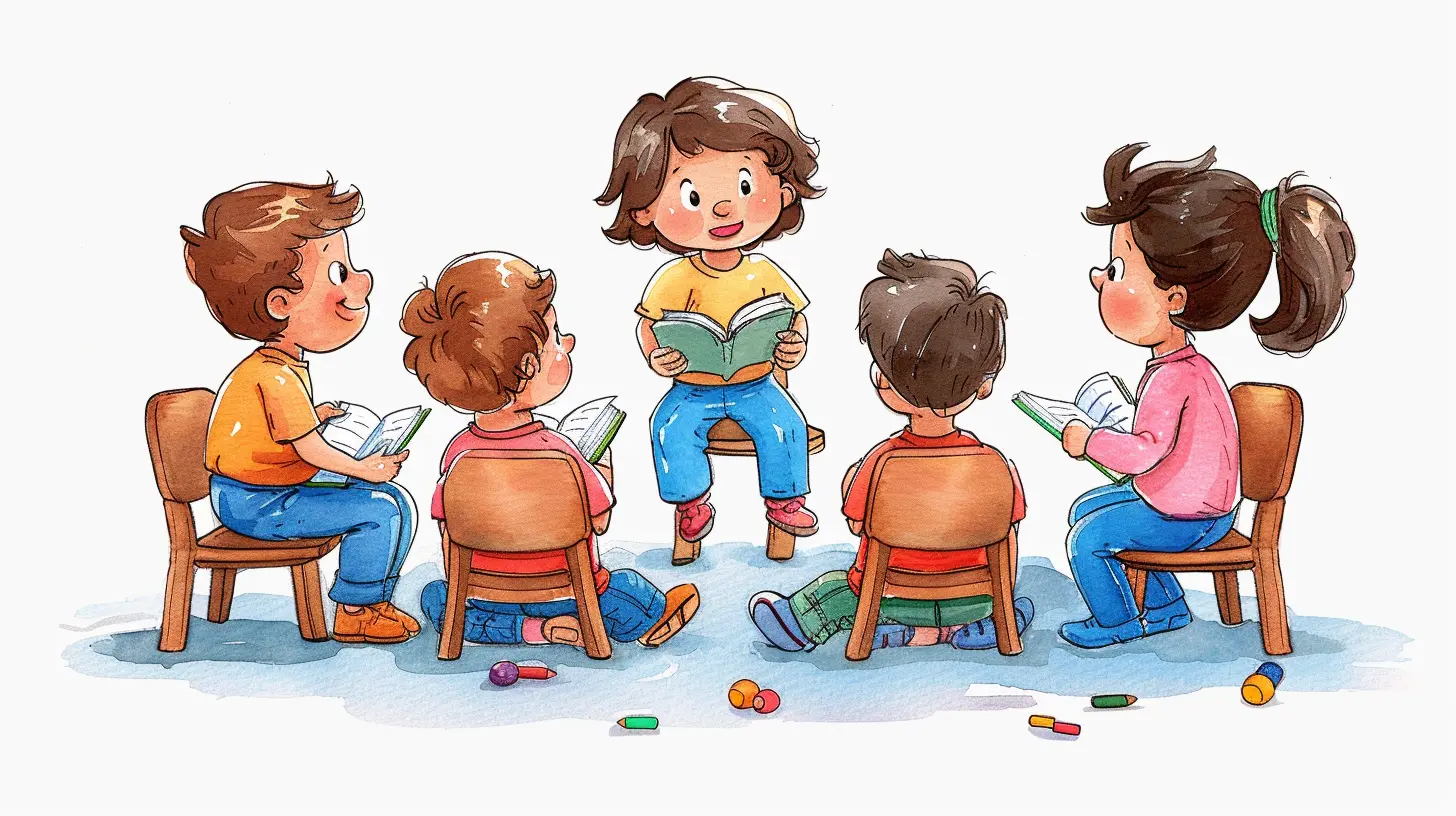
The Unique Needs of Bilingual and Language Learners
Teaching bilingual students or those acquiring a second language is not the same as teaching native speakers. These students are doing two things at once: learning a new language and learning content in that language. That’s a heavy lift.Here’s what makes their needs different:
- Limited vocabulary in the second language
- Different cultural backgrounds which affect learning styles
- Varied proficiency levels within the same classroom
- Risk of cognitive overload—processing in a second language takes more mental energy
Knowing these challenges helps you prepare. After all, you wouldn’t train a beginner swimmer the same way you’d train an Olympic athlete, right?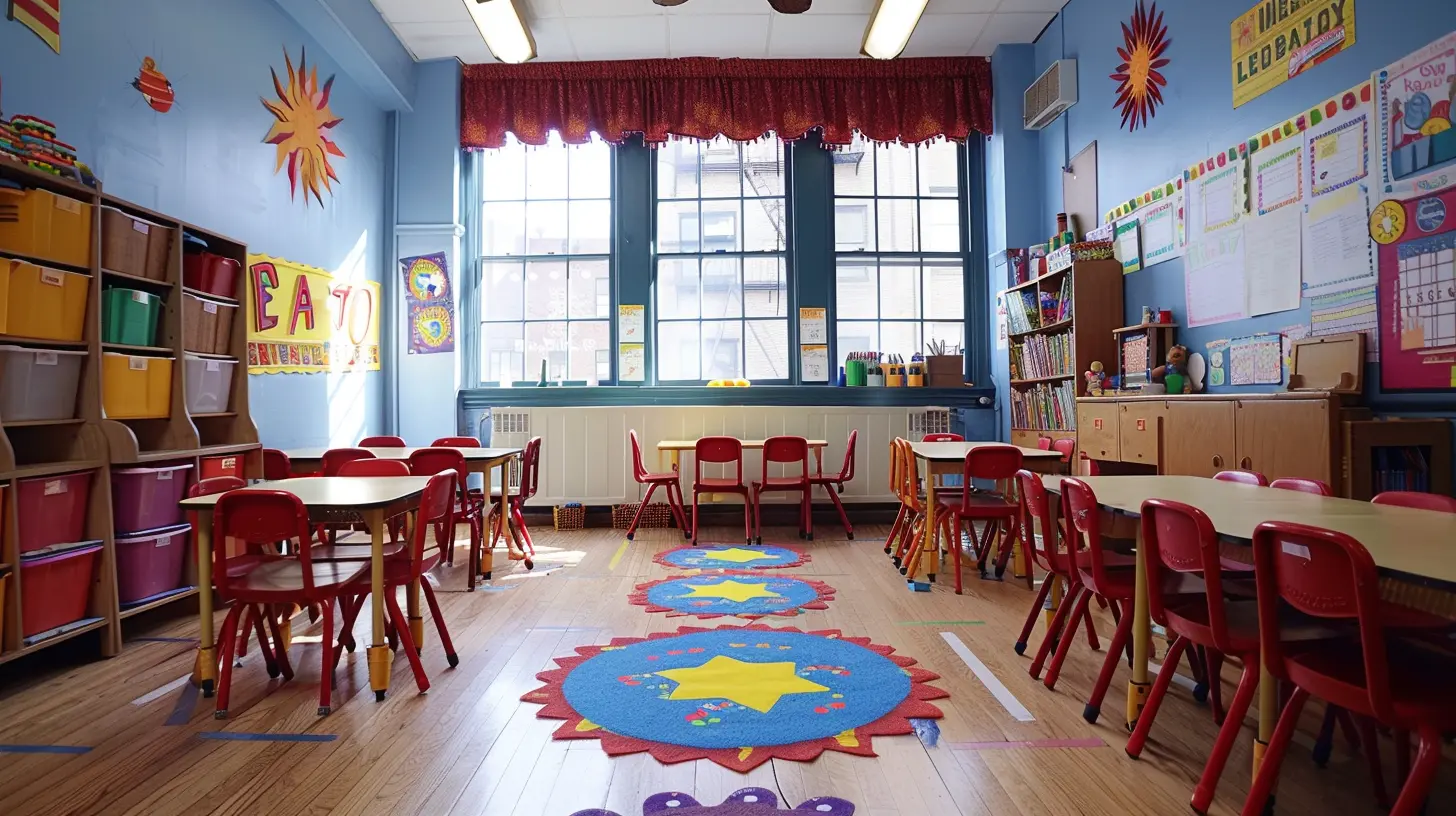
Key Components of a Language-Focused Lesson Plan
Great lesson planning for language acquisition revolves around intentionality. Every activity, every objective, should have a purpose related to language growth.Here’s what you need to include in your plan:
1. Learning Objectives
Start with the end in mind. What do you want students to know or be able to do by the end of the lesson?✔️ Be specific
✔️ Connect it to language domains: speaking, listening, reading, and writing
✔️ Make it measurable
Example: “Students will be able to describe their daily routine using the present tense and sequence adverbs.”
2. Language Objectives
Don’t confuse these with content objectives. These are all about how students will use language during the lesson.Think:
- Will they write a comparative essay?
- Engage in peer discussions?
- Summarize a video?
Example: “Students will use transition words ('first', 'then', 'finally') to organize oral presentations.”
3. Background Knowledge Activation
Before diving into new material, activate what students already know. This helps bridge the gap between known and new information.You could use:
- A quick group brainstorm
- KWL charts (What I Know, What I Want to Know, What I Learned)
- Real-life connections
Trust me—if students can relate to it, they’ll remember it longer.
4. Scaffolded Instruction
Scaffolding is your best friend. Break lessons into manageable chunks and support students as they climb the language ladder.Try:
- Visual aids like charts or images
- Sentence starters and writing frames
- Modeling with think-alouds
- Partner and group work
Scaffolds act like training wheels until students can ride solo.
5. Interactive Activities
Let’s be real—nobody wants to sit through a 45-minute grammar lecture. Language is meant to be used, not just studied.Incorporate:
- Role plays
- Debates
- Story-building games
- Collaborative projects
Learning by doing beats memorizing by far.
6. Assessment and Reflection
You can’t teach what you can’t measure. But ditch the word “test” for a moment. We’re talking about checking for understanding in creative ways.Options include:
- Exit tickets
- Peer feedback
- Quick presentations
- Journaling
Also, encourage students to reflect on their learning. What was easy? What was hard? This helps them become active participants in their own learning.
Differentiation: One Size Doesn’t Fit All
Here’s the truth—your classroom isn’t a cookie-cutter operation. With language learners, you’ve got various levels of proficiency, even within the same grade or age.So mix up your instruction:
- Use leveled readers
- Pair advanced students with newcomers for peer tutoring
- Offer choice boards for independent tasks
- Adjust question complexity based on language ability
Think of it like adjusting the volume on a stereo. You’re still playing the same song, just at different levels.
Culturally Responsive Teaching in Bilingual Education
Language learning doesn’t happen in a vacuum. It’s deeply connected to identity, culture, and experience. If we ignore that, we ignore a huge piece of the puzzle.Your lesson plans should:
- Include texts and examples from diverse cultures
- Celebrate students’ home languages and backgrounds
- Encourage code-switching and translanguaging
- Foster an inclusive and welcoming environment
When students see themselves reflected in their learning, their confidence soars.
Technology Tools to Enhance Language Learning
Let’s not pretend we’re stuck in the chalkboard era. Today’s tech can supercharge language learning—if used with purpose.Here are a few teacher-approved tools:
- Duolingo or Memrise for gamified vocabulary practice
- Flipgrid for student video responses
- Padlet for collaborative writing and brainstorming
- Google Translate (used wisely!) for language support
The key is to integrate these tools meaningfully—not just as time fillers.
Sample Weekly Lesson Plan Template
Here’s a simple (yet effective) structure you can tweak for your needs:| Day | Focus Skill | Activity Ideas | Language Objectives | Assessment Type |
|------------|-----------------------|-------------------------------------------|-----------------------------------------|---------------------|
| Monday | Listening | Watch and discuss a short video | Identify main ideas from audio text | Oral summary |
| Tuesday | Speaking | Small group role-play | Use present tense to describe events | Peer feedback |
| Wednesday | Reading | Read a short article with guided questions| Recognize transition words | Written responses |
| Thursday | Writing | Create a personal narrative | Use sequence adverbs and dialogue | Teacher feedback |
| Friday | Review & Reflect | Game day + journaling | Use learned vocabulary in context | Exit ticket + journal|
You don’t need to reinvent the wheel. Just keep the focus tight, activities engaging, and supports in place.
Common Mistakes and How to Avoid Them
Nobody's perfect—but why not dodge the most frequent pitfalls?Here’s what to look out for:
🚫 Skipping language objectives — Content is important, but so is language. Don’t neglect it.
🚫 Talking too much — Let the learners talk. Language grows through use.
🚫 Relying solely on worksheets — They have their place, but balance them with interaction.
🚫 Ignoring cultural context — Always consider students’ diverse backgrounds.
Doing better starts with being aware.
Final Thoughts
Planning lessons for language acquisition and bilingual education isn’t rocket science—but it does take intention, creativity, and a whole lot of flexibility.Think of each lesson like a well-crafted recipe. You need the right ingredients (skills, scaffolds, objectives), the right timing (pacing, transitions), and a sprinkle of love and patience.
At the end of the day, you’re doing more than teaching grammar or vocabulary. You’re giving students the key to a new world of communication, connection, and confidence. That’s pretty amazing, right?
And hey—don’t stress about being perfect. Even the best lesson plans get tweaked. What's important is that you show up, stay curious, and keep your students at the center of it all.
all images in this post were generated using AI tools
Category:
Lesson PlansAuthor:

Charlotte Rogers
Discussion
rate this article
12 comments
April Ortiz
Crafting lesson plans for bilingual education? It’s like juggling flaming torches while riding a unicycle! Just remember, the key is balancing fun with structure—because who said language learning can’t be a circus act?
February 16, 2026 at 2:03 PM
Charlotte Rogers
Absolutely! Balancing fun and structure is essential in bilingual education. Embracing creativity can make language learning engaging and effective!
Liam McKinley
Great insights on lesson planning for bilingual education! 🌟 Embracing language diversity not only enriches our classrooms but also fosters a love for learning. Let’s inspire our students to shine in multiple languages—every small step counts on this exciting journey! 🎉
January 12, 2026 at 1:33 PM
Charlotte Rogers
Thank you for your encouraging words! Embracing language diversity truly transforms our classrooms and inspires students to thrive in multiple languages. 🌍✨
Alexa McIntosh
Exciting insights! Let's inspire our bilingual learners together!
November 28, 2025 at 9:11 PM
Charlotte Rogers
Thank you! I'm thrilled to collaborate and inspire our bilingual learners together!
Lexi Malone
Ah, lesson planning for language acquisition—because who doesn’t love juggling vocabulary lists and grammar rules like a circus performer? Pure magic awaits!
October 30, 2025 at 11:23 AM
Charlotte Rogers
Absolutely! It can feel like a circus, but with the right strategies, we can create enchanting learning experiences that truly engage students in their language journey.
Daphne McKay
Empowering educators with innovative lesson planning is key to unlocking the full potential of language acquisition and bilingual education. Let's ignite passion, foster inclusivity, and cultivate a love for languages, creating a vibrant and diverse learning environment for every student!
October 4, 2025 at 12:24 PM
Charlotte Rogers
Thank you for your insightful comment! I completely agree that empowering educators and fostering an inclusive environment are essential for effective language acquisition and bilingual education. Together, we can inspire a love for languages in every student!
Gabrielle McVeigh
Effective lesson planning in bilingual education not only fosters language acquisition but also cultivates cultural empathy. By intertwining language skills with authentic experiences, we empower students to navigate and appreciate diverse linguistic landscapes.
September 3, 2025 at 11:02 AM
Charlotte Rogers
Thank you for your insightful comment! I completely agree that effective lesson planning plays a crucial role in both language acquisition and fostering cultural empathy in bilingual education.
Audra Lamb
In the dance of words, where cultures intertwine, Lesson plans weave bridges, both tender and fine. Nurturing minds, they spark growth like the dawn, Harvesting voices, in unity drawn. For every child’s journey, let language ignite, A world of connection, in vibrant flight.
August 30, 2025 at 2:25 AM
Charlotte Rogers
Thank you for your beautiful reflection! It's inspiring to see how lesson planning can truly connect cultures and nurture language growth in every child's journey.
Ariadne McMurtry
Crafting lesson plans for bilingual education is like making a perfect taco—layer upon layer of flavors that come together in delicious harmony! Just remember, whether you're salsa dancing through verbs or guacamole-ing your way around grammar, keep it fun and flavorful. After all, language learning should always be a fiesta!
August 29, 2025 at 8:32 PM
Charlotte Rogers
Absolutely! Just like a perfect taco, effective lesson planning for bilingual education blends creativity and structure to create an engaging learning experience. Let's keep the fiesta alive!
Andrea McGarvey
Empower learners through context-rich, engaging activities.
August 25, 2025 at 3:04 AM
Charlotte Rogers
Absolutely! Context-rich activities enhance engagement and make language learning more relevant and meaningful for students.
Jude Green
Effective lesson planning is crucial for fostering language acquisition and supporting bilingual education. By integrating culturally responsive materials and diverse teaching strategies, educators can empower students to thrive linguistically and academically. Let's prioritize innovative approaches to maximize engagement and mastery in multilingual classrooms.
August 24, 2025 at 12:10 PM
Charlotte Rogers
Thank you for highlighting the importance of effective lesson planning in bilingual education! Integrating culturally responsive materials and diverse strategies is indeed essential for maximizing student engagement and language mastery. Your insights reinforce the need for innovative approaches in multilingual classrooms.
Brick McGill
This article provides essential strategies for effective lesson planning in language acquisition and bilingual education. It emphasizes the importance of cultural relevance and differentiated instruction to support diverse learners' needs.
August 21, 2025 at 6:42 PM
Charlotte Rogers
Thank you for your insightful comment! I'm glad you found the emphasis on cultural relevance and differentiated instruction valuable for supporting diverse learners in language acquisition.
Briar Hall
Effective lesson planning in bilingual education fosters deeper language acquisition through culturally responsive and engaging approaches.
August 19, 2025 at 7:13 PM
Charlotte Rogers
Thank you for your insightful comment! I completely agree—effective lesson planning is crucial for promoting language acquisition and ensuring that lessons are both culturally responsive and engaging for bilingual learners.
MORE POSTS

Creative Icebreaker Games for the First Day of School

Authentic Learning Experiences Through Project-Based Learning

Fostering a Growth Mindset in the Digital Age

The Importance of Teacher Training in School Coding Programs

The Magic of Storytelling in Early Childhood Education

Critical Thinking in Early Childhood Education: Starting Young

The Intersection of Project-Based Learning and Inquiry-Based Learning

How to Make Math Engaging: Strategies for All Learners