Building a Growth Mindset for Lifelong Learning
5 January 2026
Success in life isn't just about talent or intelligence; it's about mindset. Have you ever wondered why some people keep evolving, learning, and growing no matter their age? The answer lies in their growth mindset. A growth mindset fuels lifelong learning, helping individuals embrace challenges, persist through setbacks, and continuously expand their knowledge and skills.
But what exactly is a growth mindset, and how can you develop one? Let’s dive deep into how you can cultivate this powerful mindset and unlock your full potential.
What is a Growth Mindset?
The term "growth mindset" was introduced by psychologist Carol Dweck. Simply put, a growth mindset is the belief that intelligence, skills, and abilities can be developed through effort, learning, and persistence.On the flip side, people with a fixed mindset believe their abilities are set in stone. They think intelligence and talent are innate and cannot be changed, which limits their potential.
Here’s a quick comparison:
| Growth Mindset | Fixed Mindset |
|---------------|--------------|
| Embraces challenges | Avoids challenges |
| Persists through obstacles | Gives up easily |
| Views effort as a path to mastery | Sees effort as pointless |
| Learns from criticism | Ignores feedback |
| Finds inspiration in others' success | Feels threatened by others' success |
Can you see the difference? A growth mindset isn’t just about “being positive”—it’s a way of thinking that actively fosters continuous learning and improvement.
Why is a Growth Mindset Essential for Lifelong Learning?
Lifelong learning isn’t just a buzzword—it’s a necessity in today’s fast-changing world. Whether it's upgrading skills, adapting to new technologies, or just staying mentally active, continuous learning keeps you ahead.1. It Encourages Adaptability
The world is evolving at lightning speed. Just think about how quickly industries change—what was relevant five years ago might be obsolete today. A growth mindset helps you adapt, learn new skills, and stay competitive.2. It Boosts Resilience
Failures are inevitable. But with a growth mindset, you see failures as learning experiences rather than roadblocks. Instead of saying "I'm just not good at this," you’ll think, "I need more practice." That shift in perspective makes all the difference.3. It Enhances Motivation
When you believe you can improve, you're more likely to put in the effort. That intrinsic motivation fuels continuous learning, pushing you to seek out challenges rather than avoid them.4. It Expands Your Intelligence
Neuroscience backs this up! Studies show that learning and practicing new skills create new neural connections in the brain. In other words, your brain is literally rewiring itself as you learn—how cool is that?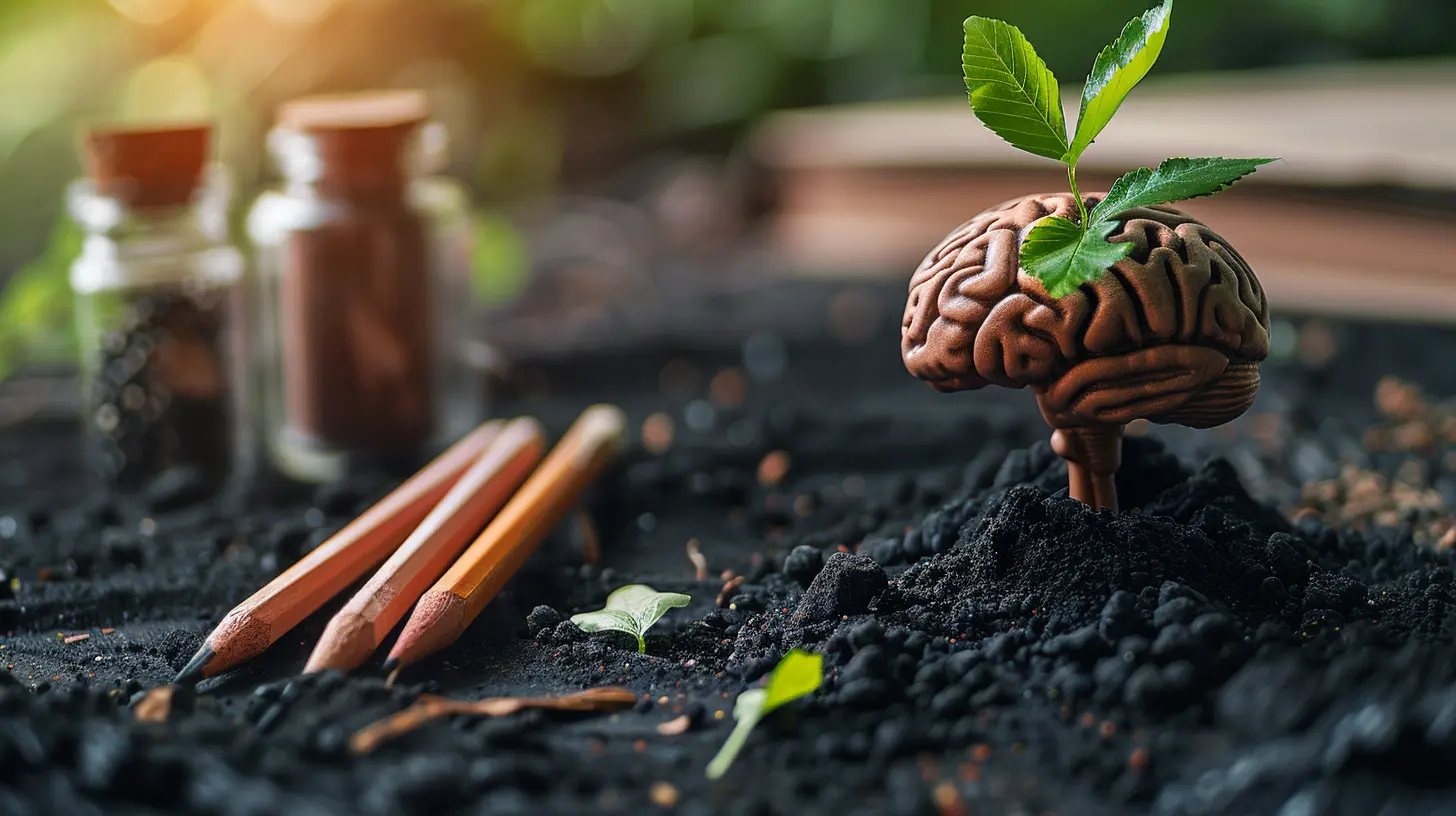
How to Develop a Growth Mindset for Lifelong Learning
Now that we know why a growth mindset is important, let's get into the how—how can you shift your mindset to embrace lifelong learning?1. Embrace Challenges
Instead of avoiding difficult tasks, face them head-on. Challenges provide the best learning opportunities. The next time you struggle with something new, remind yourself: "This is how I grow."📌 Tip: If you're trying to learn a new skill, start with something outside your comfort zone. Struggle a bit—it’s part of the process!
2. Replace “Failure” with “Learning”
Failure is just feedback. Rather than seeing failure as a dead end, see it as a stepping stone. Each mistake teaches you something.🔄 Mindset Shift:
- Instead of saying, "I failed," say, "What can I learn from this?"
- Instead of saying, "I'm not good at this," say, "I'm not good at this yet."
3. Cultivate a Love for Learning
Curious people are lifelong learners. When you adopt an attitude of curiosity, learning becomes exciting rather than a chore.❓ How to Stay Curious:
- Read about topics outside your field.
- Ask more questions.
- Surround yourself with people who challenge your thinking.
4. Seek Constructive Feedback
Feedback helps you grow—but only if you take it the right way. Instead of feeling defensive, see criticism as a gift that helps you improve.💬 Action Step: The next time someone gives you constructive feedback, thank them and reflect on how you can use it to grow.
5. Develop Grit and Persistence
Grit—the ability to keep going despite obstacles—is one of the strongest indicators of success. People with a growth mindset don’t quit when things get tough; they push through.💡 Practical Exercise:
Think of one skill you’ve always wanted to master. Now set a small yet consistent goal—maybe practicing for 10 minutes a day. Over time, persistence will turn into mastery.
6. Shift Your Self-Talk
Your inner dialogue shapes how you see yourself. If you constantly tell yourself you’re "bad at math" or "not creative," your brain will believe it. Instead, reframe your thoughts to support growth.💬 Examples of Growth Mindset Self-Talk:
✅ "I can improve with practice."
✅ "Effort makes me stronger."
✅ "This is hard, but I’m learning."
7. Surround Yourself with Growth-Minded People
Mindsets are contagious. If you’re always around people who complain and avoid challenges, guess what? That mindset rubs off. Instead, spend time with optimistic, growth-minded individuals who inspire you to be better.👥 Action Step:
Join a learning community, mastermind group, or even follow inspiring mentors who encourage growth.
8. Make Learning a Daily Habit
Lifelong learning isn’t something you do once in a while—it’s a lifestyle.📚 Ways to Make Learning Daily:
- Read 10 pages of a book every day.
- Listen to educational podcasts during your commute.
- Take online courses in subjects that interest you.
- Experiment with new skills—cooking, coding, writing, anything! 
Overcoming Common Obstacles to a Growth Mindset
Even when you commit to a growth mindset, obstacles will arise. Here’s how to tackle them:“I Don’t Have Time”
We all have 24 hours in a day—it’s about prioritizing learning. Even 10-15 minutes a day adds up over time.“I’m Too Old to Learn”
Science proves the brain remains plastic (able to change) at any age. From children to seniors, we can all rewire our brains through learning.“I’m Not Smart Enough”
IQ is not fixed—it grows with effort and learning. The smartest people weren’t born geniuses; they cultivated their abilities over time.Conclusion
Building a growth mindset for lifelong learning isn’t just a good idea—it’s a game-changer. It allows you to step out of your comfort zone, embrace challenges, and continue evolving throughout life.The best part? Anyone can develop a growth mindset, starting today. All it takes is a shift in how you view challenges, effort, and failure.
So, are you ready to break free from limitations and start your lifelong learning journey? Remember, your potential is limitless—as long as you believe it is.
all images in this post were generated using AI tools
Category:
Adult EducationAuthor:

Charlotte Rogers
Discussion
rate this article
12 comments
Renee Kelly
What a fantastic read! Embracing a growth mindset truly transforms our approach to learning and life. It’s inspiring to think about the endless possibilities when we cultivate curiosity and resilience. Here’s to lifelong learning and the joy it brings each day! 🌟📚
January 31, 2026 at 9:33 PM
Charlotte Rogers
Thank you for your thoughtful comment! I'm glad you found the article inspiring. Cheers to lifelong learning! 🌟📚
Fatima Ramirez
Embracing challenges fosters resilience, crucial for cultivating a true growth mindset.
January 25, 2026 at 12:12 PM
Charlotte Rogers
Thank you! I completely agree—embracing challenges is essential for developing resilience and a growth mindset, both key for lifelong learning.
Flora Lane
Empower yourself: embrace challenges to foster growth!
January 23, 2026 at 8:28 PM
Charlotte Rogers
Thank you! Embracing challenges is indeed key to developing a growth mindset and fostering continuous learning.
Pearl McGarvey
Embrace challenges as opportunities for growth! A growth mindset fuels lifelong learning, empowering you to reach new heights and unlock your full potential. Keep growing!
January 21, 2026 at 5:54 AM
Charlotte Rogers
Thank you! Embracing challenges truly is key to unlocking our potential and fostering lifelong learning. Let's keep pushing our boundaries!
Miles Willis
This article effectively highlights the importance of a growth mindset in fostering lifelong learning. By embracing challenges and viewing failures as opportunities for growth, individuals can cultivate resilience and adaptability, essential traits for personal and professional development in an ever-evolving world.
January 19, 2026 at 4:09 AM
Charlotte Rogers
Thank you for your insightful comment! I'm glad you found the article highlights the crucial role of a growth mindset in lifelong learning and personal development.
Mateo Holland
In the dance of knowledge, let us sway, With open hearts, we pave the way. Growth blooms where curiosity thrives, In every challenge, our potential derives. Embrace the journey, let doubts take flight, For lifelong learning ignites the light.
January 18, 2026 at 8:12 PM
Charlotte Rogers
Thank you for beautifully capturing the essence of lifelong learning! Your words perfectly reflect the journey of growth and curiosity.
Dolores McSweeney
Building a growth mindset is like getting a gym membership for your brain—just remember, it’s all about the reps, not the mental sweat! 💪🧠
January 16, 2026 at 7:56 PM
Charlotte Rogers
Absolutely! Consistent practice is key to developing a growth mindset, just like regular workouts strengthen our bodies. Keep putting in those mental reps! 💪🧠
Starla Monroe
Thank you for sharing these insights! Fostering a growth mindset is essential for personal development and embracing lifelong learning. Great read!
January 14, 2026 at 1:14 PM
Charlotte Rogers
Thank you for your kind words! I'm glad you found the insights valuable. Embracing a growth mindset truly can transform our learning journey!
Virginia McGrath
Embrace growth like your favorite houseplant—water it regularly, and watch yourself flourish, even if you occasionally wilt!
January 13, 2026 at 3:26 AM
Charlotte Rogers
Thank you! I love the plant analogy—consistent care and patience are key to nurturing our growth mindset. 🌱
Alyssa McKale
This article beautifully highlights the importance of a growth mindset! Embracing challenges and fostering curiosity can transform our approach to lifelong learning. Excited to apply these insights!
January 11, 2026 at 8:34 PM
Charlotte Rogers
Thank you for your insightful comment! I'm glad you found the article inspiring. Embracing a growth mindset truly makes a difference in lifelong learning!
Isaac McGrath
Mindset: Your lifelong GPS!
January 10, 2026 at 12:33 PM
Charlotte Rogers
Absolutely! A growth mindset truly guides us on our lifelong learning journey, helping us navigate challenges and seize opportunities for personal development.
Delta Richardson
This article offers valuable insights into fostering a growth mindset. Embracing lifelong learning not only enriches our personal and professional lives but also empowers us to adapt and thrive in an ever-changing world. Great read!
January 6, 2026 at 12:08 PM
Charlotte Rogers
Thank you for your thoughtful feedback! I'm glad you found the article insightful and valuable for fostering a growth mindset.
MORE POSTS

STEM Lesson Plans: Making Science, Technology, Engineering, and Math Fun

The Benefits of Montessori Education for Multilingual Children

How to Help Your Child Develop Pre-Writing Skills

How to Create Assessments That Foster Curiosity

How to Use Feedback to Improve Your Learning Experience

Using Technology to Support Early Literacy Without Overdoing Screen Time

How to Create Interactive Lesson Plans That Engage All Learners

Assessing Student Growth Over Time: Methods and Tools