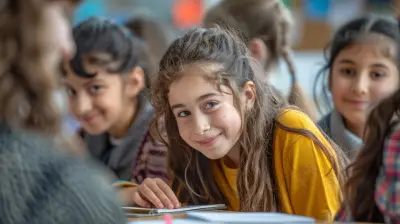
Encouraging Mindfulness in Group Work and Collaborative Learning
19 March 2026
Let’s be honest — group work can either be a dream or a total disaster. You’ve probably been there: a project where a few people do all the work, or there's a whirlwind of talking but no real listening. It can feel like herding cats, right? But here’s the kicker — it doesn't have to be that way.
What if I told you that there’s one secret ingredient that can transform group work? It’s not better Wi-Fi or fancier project management tools (though those help). It’s mindfulness. Yep, mindfulness — that quiet superpower we often associate with yoga or meditation — can totally change how students work together in collaborative settings.
Let’s dig into how encouraging mindfulness in group work and collaborative learning can boost focus, empathy, communication, and yes, even creativity.
What Is Mindfulness, Really?
Before we jump into the application, let’s clarify what mindfulness actually means. No, it isn't just sitting cross-legged with your eyes closed. At its core, mindfulness is about being fully present and aware of what’s going on — both inside you and around you.Think about it like this: your brain is a browser with 37 tabs open, and mindfulness helps you close the ones you don’t need. It’s the practice of noticing your thoughts, feelings, and surroundings without judgment.
So how does this apply to group work? Great question.
Why Mindfulness Matters in a Group Setting
Imagine walking into a group meeting where everyone is truly focused — not texting, not zoning out, not waiting for their turn to speak, but really listening. That’s the magic of mindfulness.Here’s what it brings to the table:
1. Better Communication
Mindfulness helps students speak clearly and listen actively. It slows down the urge to interrupt or assume. Instead of tuning out when someone else is talking, students actually tune in. That small shift creates space for deeper understanding.2. Less Conflict, More Compassion
Let’s face it: group work can lead to friction. Maybe someone’s not pulling their weight, or opinions clash. Mindfulness builds an inner pause — a moment to breathe before reacting. This makes it easier to respond with kindness instead of knee-jerk frustration.3. Increased Focus and Productivity
Group meetings can easily veer off track. Mindfulness pulls people back to the task at hand. It helps cut through distractions and keeps everyone grounded in the shared goal.4. More Inclusive Participation
Not everyone in a group is naturally outspoken. Mindfulness creates a space where quieter students feel seen and heard. It levels the playing field and encourages participation from everyone.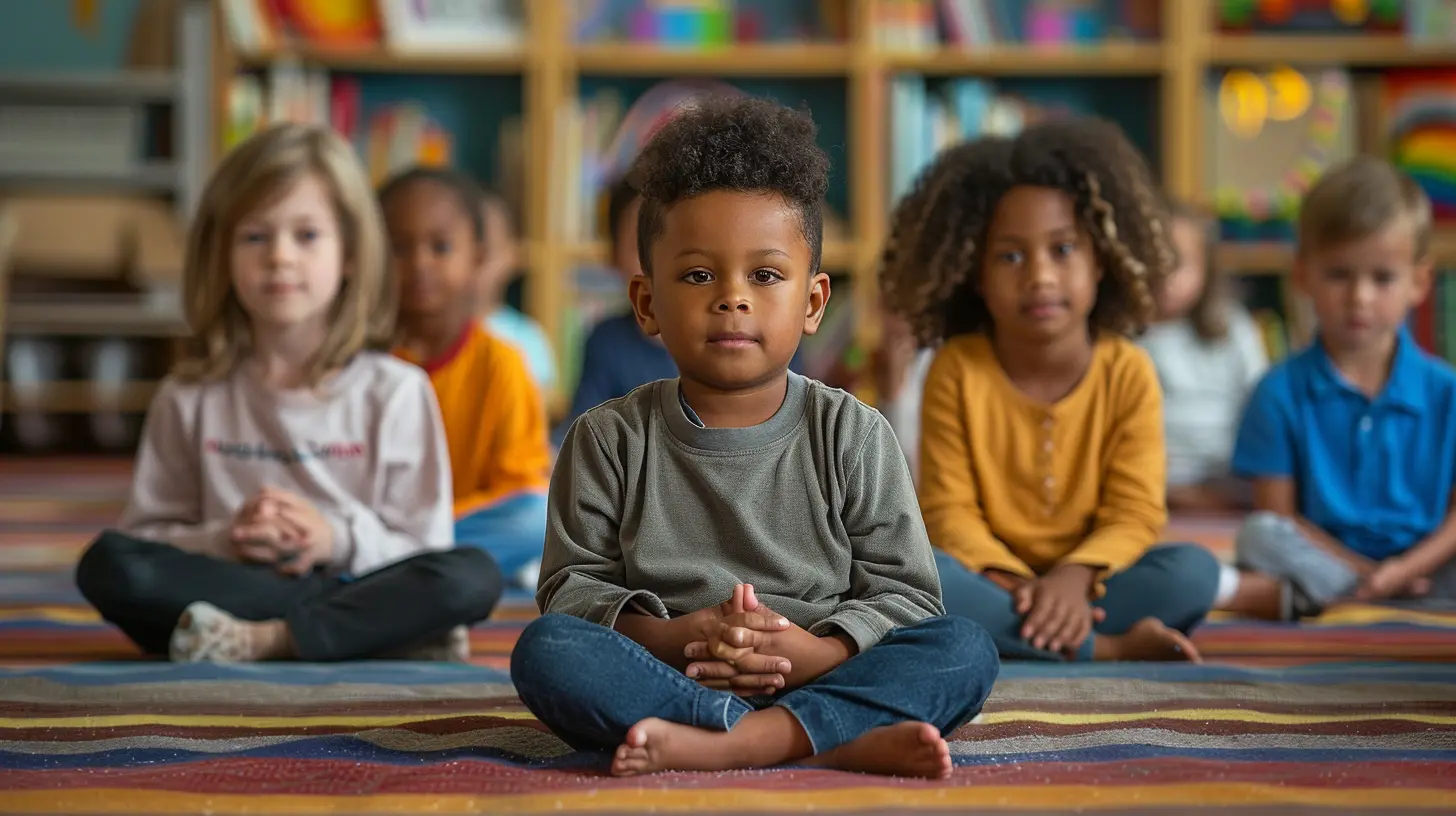
Bringing Mindfulness into the Classroom: Practical Tips
This isn’t just theory. Mindfulness can be woven into everyday group interactions. No incense required!1. Start with a Group Check-In
Before jumping into the work, take a few minutes for a mental check-in. Ask each member to share how they’re feeling. It doesn’t have to be deep — just something like “ready to go” or “feeling stressed.” This not only builds connection but also helps everyone become aware of their own and others’ emotional states.2. Set Mindful Intentions
Kick off each group session by setting a brief intention. It could be as simple as “I will listen with patience” or “I’ll stay open to new ideas.” It creates individual accountability and anchors everyone in the present moment.3. Use a Talking Object
Ever been in a group where people talk over each other? Try this: use a physical item (a pen, a small ball) as a “talking object.” Whoever holds it gets to speak, and others listen. It’s a simple way to encourage active listening and slow down the conversation.4. Practice Mindful Listening
Have group members practice reflecting back what they heard before responding. For example, "So what you're saying is…" This speeds up clarity and cuts down misunderstandings.5. Create Technology-Free Zones
Phones and laptops can be major distractions. When possible, have group discussions without digital devices. This minimizes multitasking and boosts connection.6. Pause to Breathe
In moments of stress or confusion, take a 30-second group pause. Close your eyes, take three deep breaths, and reset. It might feel odd at first, but you’d be surprised how powerful a short mindful break can be for the group dynamic.
Cultivating a Mindful Group Culture
Mindfulness works best when it's not just a one-off activity but a consistent part of the group culture. Here’s how to nurture that environment:1. Normalize Vulnerability
Encourage students to be honest about their strengths and limitations. When someone says, “I’m not sure how to approach this,” it opens the door for collaboration and support.2. Be Curious, Not Critical
Mindfulness teaches curiosity over criticism. Instead of jumping to judge an idea, students can ask questions like, “Can you tell me more about that?” It promotes healthier, more creative dialogue.3. Celebrate Effort, Not Just Results
In group settings, it’s easy to focus only on the final product. But a mindful approach values the process. Recognize effort, collaboration, and growth. This shifts the motivation from external validation to internal development.The Role of Educators in Promoting Mindful Group Work
If you’re a teacher or facilitator, you play a massive role in setting the tone. Here’s how you can help embed mindfulness into group learning:1. Model Mindfulness
Students take cues from your behavior. Show up with presence. Listen thoughtfully. Admit when you’re unsure. That’s powerful modeling.2. Provide Structure
Guide students in mindful practices (check-ins, reflections, group agreements) but also give them the freedom to make it their own.3. Offer Reflective Opportunities
After group work, ask students to reflect on not just what they achieved, but how they worked together. This kind of meta-cognition deepens learning and helps them become more self-aware collaborators.Real-World Skills Students Take with Them
Let’s zoom out for a moment. Why does this matter beyond group projects?Because mindfulness in collaboration isn’t just for school — it’s a life skill.
In the workplace, teams thrive when people are emotionally intelligent, attentive, and collaborative. Mindfulness nurtures all of that. When students learn to show up with presence, listen without judgment, and manage conflict compassionately, they’re building traits that employers (and the world) desperately need.
Final Thoughts: The Power of Presence
At the end of the day, group work isn’t only about getting things done. It’s about learning how to work together as thoughtful, empathetic, and present human beings. Mindfulness doesn’t remove challenges — it equips us to face them with grace.So the next time you’re staring down a group project with a groan, try this: take a breath, set an intention, and show up with your full self. Because when we’re fully present, we can collaborate in ways that are not just productive, but deeply meaningful.
all images in this post were generated using AI tools
Category:
Mindfulness In EducationAuthor:

Charlotte Rogers
Discussion
rate this article
4 comments
Zadie McKenzie
“Imagine a group project where everyone channels their inner Zen master! 🧘♂️ With mindfulness sprinkled like glitter on our discussions, we can transform any chaotic brainstorming session into a harmonious symphony of ideas. Let’s breathe, collaborate, and create magic together—one mindful moment at a time!” ✨
March 29, 2026 at 4:38 AM
Charlotte Rogers
Absolutely! Embracing mindfulness in group projects fosters creativity and harmony, leading to more productive and enjoyable collaborations. Let’s make every moment count! ✨
Raelyn Vance
Emphasizing mindfulness in group work fosters deeper connections and enhances collaboration. By cultivating awareness and presence, students can better navigate diverse perspectives, leading to more effective communication and problem-solving. Integrating mindfulness practices into collaborative learning not only enriches the educational experience but also promotes emotional intelligence among participants.
March 24, 2026 at 4:30 AM
Charlotte Rogers
Thank you for your insightful comment! I completely agree that mindfulness significantly enhances connections and collaboration in group work, fostering an environment where diverse perspectives can thrive and emotional intelligence is nurtured.
Abigail Harris
Mindfulness enhances collaboration but requires consistent practice.
March 23, 2026 at 7:23 PM
Charlotte Rogers
Absolutely! Consistent mindfulness practice fosters better communication and understanding, which are key to successful collaboration. Thank you for your insight!
Laura Estes
This article effectively highlights the importance of mindfulness in group work, emphasizing its role in enhancing communication and collaboration. Practical strategies for fostering mindfulness can significantly improve group dynamics and outcomes. Incorporating these techniques into collaborative learning environments is essential for developing both individual and collective well-being. Great insights!
March 20, 2026 at 12:43 PM
Charlotte Rogers
Thank you for your thoughtful comment! I'm glad you found the insights on mindfulness and its impact on group dynamics valuable. Your support for incorporating these strategies into collaborative learning is much appreciated!