Emotional Resilience in Little Learners: Teaching Coping Skills
1 November 2025
Let’s face it—life doesn’t always play fair, even when you’re five years old. One minute everything’s going great with crayons and cookies, and the next? Someone took your favorite toy or said something unkind. For little ones navigating the big world around them, emotional rollercoasters are part of the ride.
That’s where emotional resilience comes in.
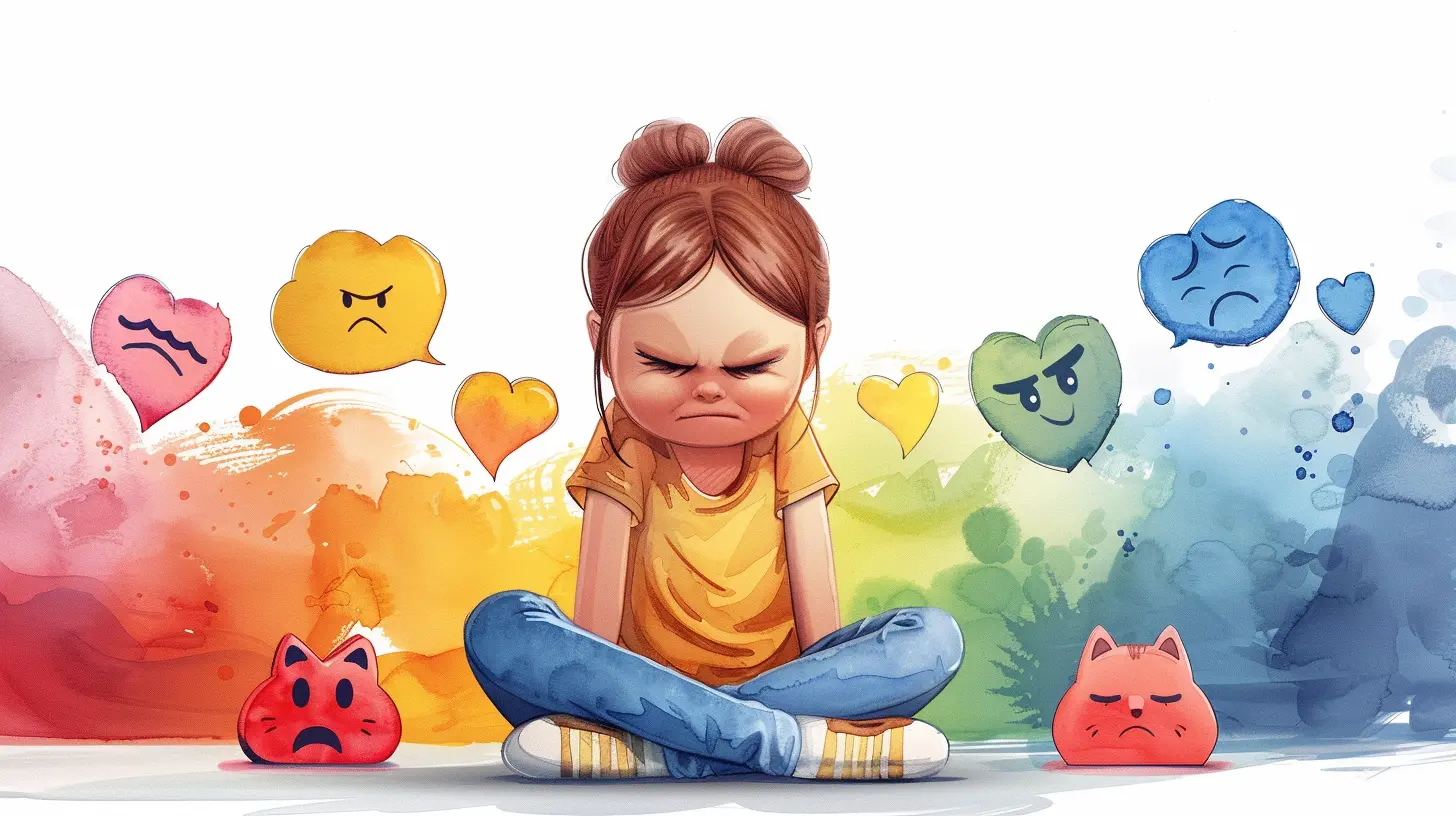
What Is Emotional Resilience?
Emotional resilience is the ability to bounce back after facing stress, disappointment, or failure. Think of it as having an emotional "shock absorber"—the stronger that cushion, the smoother the ride through life’s bumps.For children, especially early learners, building this kind of strength is crucial. You wouldn’t send a toddler out into a snowstorm without a jacket. So why send them into life without the tools to handle emotional storms?
But here's the thing—kids aren’t born with emotional resilience. It’s something they learn, just like walking, reading, or riding a bike.

Why It Matters in Early Childhood
Have you ever watched a kindergartner lose their mind over a bent crayon? It's not just dramatic flair—it’s a real inability to process stress. When children don’t have coping strategies, even small frustrations turn into full-blown meltdowns.More importantly, emotional resilience is deeply tied to mental health. Kids who learn to handle their feelings early on are better equipped to manage anxiety, conflict, and pressure as they grow. They’re also more likely to develop empathy, confidence, and independence. Big wins, right?
And here's a bonus: Resilient kids are also better learners. When emotional turmoil doesn’t cloud their thoughts, their brains are free to absorb and explore.

Building Blocks of Emotional Resilience
Let’s break it down—what exactly helps kids develop that emotional superpower?1. Strong Relationships
You know that feeling when someone just “gets you”? Kids need that too. Secure relationships with caregivers, teachers, and peers are foundational. When children feel safe and understood, they become braver and more adaptable.Picture emotional resilience as a ladder—trust is the first rung.
2. Emotional Literacy
Before little ones can manage their emotions, they need to name them. That’s where emotional literacy comes in. Words like “frustrated,” “nervous,” “disappointed,” or “excited” give color and shape to feelings that might otherwise feel overwhelming.Think of it as giving kids a feelings dictionary—and trust me, it changes everything.
3. Coping Strategies
Once kids can identify what they're feeling, they need tools to deal with those emotions. These can be as simple as deep breathing, drawing a picture, taking a break, or asking for help.Teaching coping skills is like packing them a backpack for life—making sure they have what they need when things get heavy.

How Can Educators and Parents Help?
Here’s where the rubber meets the road. Whether you're a parent, teacher, or caregiver, there’s a lot you can do to help little learners toughen up emotionally—without toughening their hearts.Let’s break it into bite-sized chunks.
1. Model It
Kids are like emotional mirrors—they reflect what they see. If you fly off the handle when you’re stressed, they probably will too. But if they watch you pause, breathe, and handle things calmly, they learn, “Oh, that’s how you do it.”Be honest about your own feelings. Say things like, “I’m feeling frustrated right now, but I’m going to take a deep breath.” It teaches them that even grownups have tough moments—and can work through them.
2. Create a Safe Space for Feelings
No one likes to be told, “Don’t cry,” or “You’re fine,” especially when they’re clearly not fine. Instead, validate their emotions. Try, “You look upset. Want to talk about it?” or even just, “It’s okay to feel sad sometimes.”By making emotions safe to express, you’re giving kids the green light to feel—and heal.
3. Make Feelings a Daily Conversation
Don’t wait for a meltdown to talk about emotions. Check in during snack time or circle time: “What made you smile today?” or “Did anything bug you?” Create a routine around sharing feelings, and it’ll feel as normal as storytime.You can even use storybooks, puppets, or drawings to get the ball rolling.
4. Teach Easy-to-Use Coping Tools
Coping doesn’t need to be complicated. Here are a few kid-friendly strategies:- Breathing Exercises: Try “smell the flower, blow out the candle.”
- Calm Corner: A cozy spot with soft pillows, books, or calming toys.
- Feelings Chart: Visual aids to label emotions.
- Worry Boxes: A small box where kids can "post" their worries.
- Movement: Jumping, dancing, or stretching to release tension.
Whatever strategy you use, be consistent. The more familiar it is, the better it works.
5. Praise Effort, Not Just Outcomes
When a child handles a tough moment well, celebrate it! Say something like, “You were so calm even when you were upset—that took a lot of strength.” This shows them that emotional courage is worth just as much as academic success.6. Encourage Problem Solving
Instead of solving problems for them, guide kids to think through solutions. Ask things like, “What could we do next time?” or “How do you think we can fix this?”It empowers them to take control, which builds confidence—and confidence feeds resilience.
Common Challenges and How to Handle Them
Let’s be real—this isn’t always smooth sailing. Emotions are messy, and every child is different. But here are a few typical speed bumps and how to ride over them.Challenge #1: The Child Who Shuts Down
Some kids go silent instead of blowing up. They retreat, hide, or just freeze.✅ What to do: Gently invite them to share without pressure. Use activities like drawing or storytelling to help them open up.
Challenge #2: The Over-Reactor
You know the one—dramatic displays for even tiny upsets.✅ What to do: Stay calm and predictable. Introduce calming routines and don’t feed into the drama. Offer tools, not lectures.
Challenge #3: The “Tough Guy”
Kids who mask emotions with bravado or aggression.✅ What to do: Teach that showing feelings is a strength, not a weakness. Model vulnerability and offer positive outlets like sports or journaling.
Role of Schools and Educators
Imagine if emotional skills were treated like reading and math. That’s the dream—and it’s very possible.Schools can:
- Integrate SEL (Social and Emotional Learning) into the curriculum.
- Train teachers in trauma-informed practices.
- Offer wellness activities like yoga, art, or music.
- Create school-wide language around feelings and coping.
When emotional well-being is built into the school culture, kids feel it—and it changes everything.
Emotional Resilience and Long-Term Success
Here’s the kicker: kids who learn resilience early on are better set up for life—not just emotionally, but socially, academically, and professionally.They handle peer pressure better. They bounce back from failure quicker. They try harder, even when things get tough. And they’re more likely to become compassionate, grounded, and self-aware adults.
Basically, resilience is the superpower that keeps on giving.
Final Thoughts: Start Small, Think Big
Emotional resilience isn’t built in a day. It’s woven moment by moment, through every meltdown, every soothing hug, every “let’s try that again.”So if you’re a parent or teacher wondering where to begin, remember: start small. Acknowledge a feeling. Offer a breathing tool. Share your own emotions. Bit by bit, you’re building something powerful.
Because here’s the truth—kids are incredibly capable. With the right guidance and support, they can become the strongest, kindest, most emotionally savvy versions of themselves.
And really, what more could we hope for?
all images in this post were generated using AI tools
Category:
Early Childhood EducationAuthor:

Charlotte Rogers
Discussion
rate this article
12 comments
Tobias McGrady
Thank you for addressing such an important topic! Teaching emotional resilience to young learners is crucial for their development. Implementing coping skills early can significantly impact their future well-being. I appreciate the insights shared in this article and the practical strategies provided.
February 26, 2026 at 8:27 PM
Charlotte Rogers
Thank you for your thoughtful comment! I'm glad you found the insights and strategies helpful in addressing emotional resilience for young learners.
Carmen Abbott
This article effectively highlights the importance of fostering emotional resilience in young learners. By integrating coping skills into the curriculum, educators can empower children to navigate challenges, ultimately nurturing their overall well-being and academic success.
January 24, 2026 at 4:15 AM
Charlotte Rogers
Thank you for your insightful comment! I'm glad you found the article valuable in emphasizing the role of emotional resilience and coping skills in supporting young learners.
Davina Love
This article beautifully highlights the importance of nurturing emotional resilience in young learners. By teaching coping skills early, we empower children to navigate challenges with confidence. Thank you for sharing such valuable insights on fostering emotional well-being in education!
December 10, 2025 at 10:09 PM
Charlotte Rogers
Thank you for your thoughtful feedback! I'm glad you found the insights valuable for empowering young learners.
Lindsey Peterson
Empowering young minds fosters lifelong emotional strength.
November 17, 2025 at 12:48 PM
Charlotte Rogers
Absolutely! Empowering young minds equips them with essential coping skills, laying a strong foundation for emotional resilience throughout their lives.
Henry Cannon
Nurturing emotional resilience in young learners is essential for their holistic development. By equipping children with effective coping skills, we not only prepare them for academic challenges but also foster a foundation for lifelong emotional well-being. Instilling these values early cultivates a generation capable of navigating life’s complexities.
November 14, 2025 at 11:55 AM
Charlotte Rogers
Thank you for your insightful comment! I completely agree that nurturing emotional resilience in young learners is crucial for their overall development and long-term well-being.
Hunter McCarron
A great approach to fostering emotional resilience; teaching coping skills is essential for young learners' development.
November 13, 2025 at 12:59 PM
Charlotte Rogers
Thank you! I'm glad you found the approach valuable. Teaching coping skills is indeed vital for building emotional resilience in young learners.
Harmony Harper
Emotional resilience isn't a luxury; it's a necessity for our youngest learners. By prioritizing coping skills in early education, we empower children to navigate life's challenges head-on. Let's equip them with the tools they need to thrive, not just survive, in an unpredictable world.
November 11, 2025 at 4:25 AM
Charlotte Rogers
Absolutely! Prioritizing emotional resilience in early education is crucial for equipping children with essential coping skills, enabling them to face life's challenges confidently.
Amelia Wilson
Building emotional resilience in young learners is crucial for their growth. Empowering them with coping skills not only equips them to face challenges but also fosters a lifelong love for learning. Let's nurture their emotional strength together, one lesson at a time!
November 6, 2025 at 1:31 PM
Charlotte Rogers
Thank you for highlighting the importance of emotional resilience! Empowering young learners with coping skills is indeed essential for their growth and development. Let's continue to foster their emotional strength together!
Zaid McFadden
In tender hearts, resilience blooms, A garden nurtured through life's sweet glooms. With coping skills like gentle wings, Little learners soar, embracing all that learning brings. Hope and strength in their laughter sings.
November 6, 2025 at 5:13 AM
Charlotte Rogers
Thank you for capturing the essence of emotional resilience so beautifully! Your words truly reflect how nurturing coping skills can empower young learners.
Nix Duffy
This article offers valuable insights into fostering emotional resilience in young children. By teaching coping skills early, we empower little learners to navigate challenges with confidence. Emphasizing the importance of mental health in education is crucial for their overall development. Great read!
November 5, 2025 at 5:59 AM
Charlotte Rogers
Thank you for your insightful comment! I'm glad you found the article valuable in highlighting the importance of emotional resilience and mental health in education.
Zarek Black
Absolutely love this! Teaching little learners to bounce back like rubber chickens is vital! Who knew fostering emotional resilience could be a colorful juggling act of feelings, giggles, and tiny triumphs? Let’s equip our mini-heroes with the superhero skills to conquer life’s little hiccups! 🎉🦸♂️
November 3, 2025 at 12:10 PM
Charlotte Rogers
Thank you! I love your vibrant analogy of resilience as a colorful juggling act—it's a fantastic way to inspire our little learners to embrace their emotions and develop vital coping skills! 🎉
Faryn McGrath
This article highlights the essential need for emotional resilience in early education. Teaching coping skills equips young learners to navigate challenges, fostering both personal growth and a positive classroom environment. A vital read!
November 2, 2025 at 1:32 PM
Charlotte Rogers
Thank you for your thoughtful comment! I'm glad you found the article valuable in emphasizing the importance of emotional resilience in early education.
MORE POSTS
Using Student Data to Inform Instructional Practices

The Advantages of Peer Learning in Adult Education

How to Stay Motivated During Your Adult Education Journey
Music and Mindfulness: Teaching Students to Focus

The Importance of Emotional Intelligence in Adult Education

Mindfulness Activities to Foster Creativity in Students

Teaching Mindfulness: Lesson Plans for Educators

Reducing Test Anxiety with Mindfulness Techniques