Critical Thinking vs. Memorization: Why It Matters
29 September 2025
When was the last time you memorized something just to forget it the next day? Maybe it was a definition for a test, a historical date, or a set of formulas. Now, think about a time when you solved a problem using logic, analysis, or a bit of creative thinking. These are two very different approaches to learning—memorization and critical thinking. And let’s be honest, one tends to stick with us a lot longer than the other.
Education has long leaned on memorization. It’s safe, it's straightforward, and it's easy to test. But are we really preparing students for the real world when we focus on memorizing facts rather than analyzing them? This brings us to a big, important conversation: Critical Thinking vs. Memorization—why it matters, not just in school, but in life.
Let’s break it all down, heart-to-heart.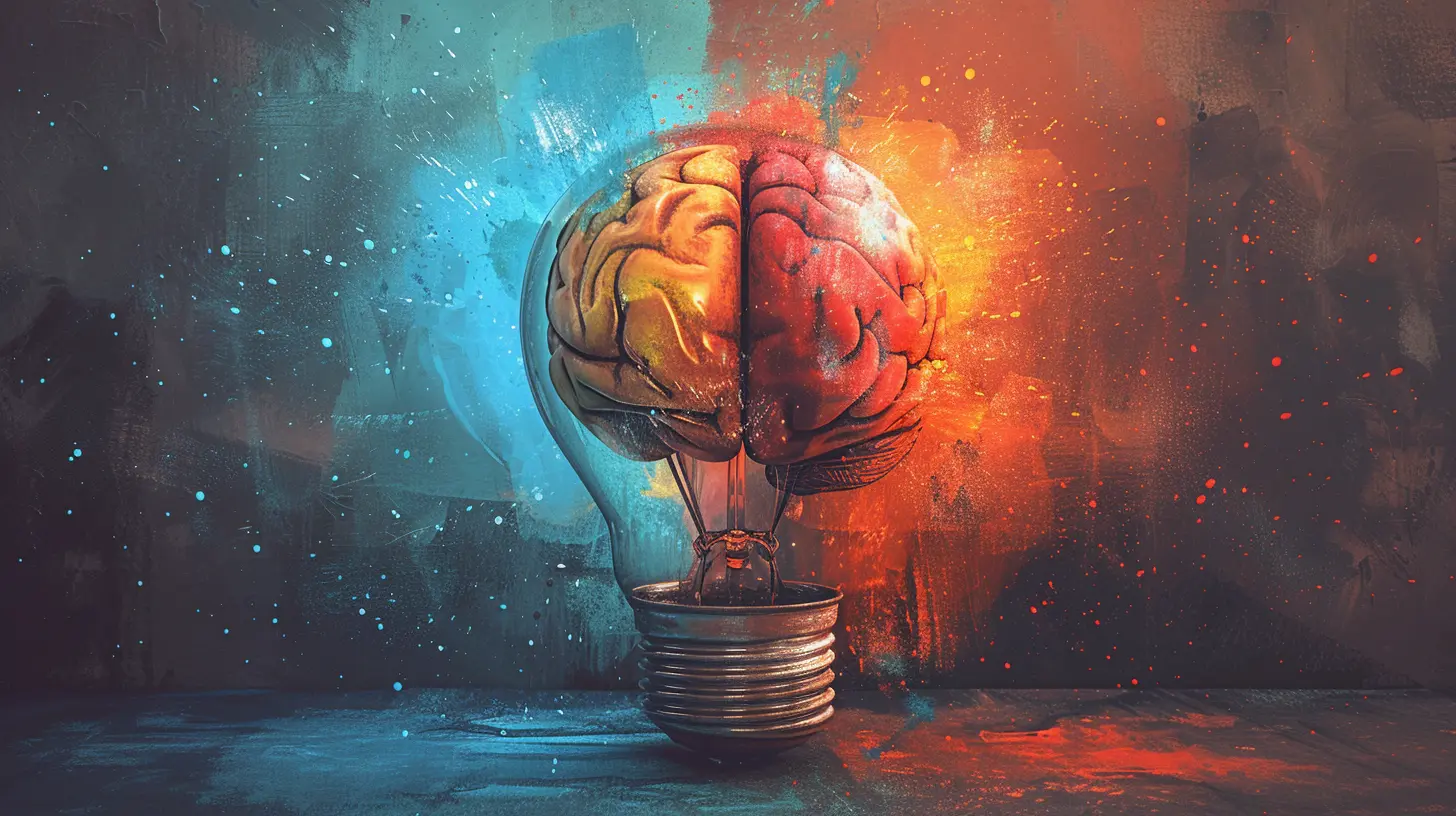
What Is Memorization, Really?
Think of memorization as your mental filing cabinet. You hear or see something, and you put it into a mental file. Simple, right? But here’s the catch: if you don’t go back to that file or use what's in it, you’re likely to forget it. That’s called rote memorization—learning through repetition with little to no understanding.It’s like recording a song on a loop—you might hum the tune, but that doesn’t mean you understand the lyrics.
Memorization is useful, no doubt. We need it to remember phone numbers, the multiplication table, vocabulary, dates, and more. But the problem arises when education becomes all about cramming facts without ever asking, “Why does this matter?” or “How does it connect to something else?”
So, What Is Critical Thinking?
Now, let’s flip the script.Critical thinking is your mental gym. It’s where your brain lifts weights, tries complicated routines, and problem-solves on the spot. It involves analyzing facts, asking questions, evaluating arguments, and forming reasoned conclusions.
It’s not just about what to think—it’s about how to think.
When you’re faced with a decision, need to solve a problem, or evaluate a claim, critical thinking kicks in. It helps you not just know the facts, but understand them, connect them, and apply them creatively. In other words, it transforms information into insight.
The Real-World Impact of Each
In School
When schools focus more on memorization, students may ace tests but struggle with applying knowledge outside the classroom. They might know the dates of major wars by heart but have no clue why the war started or what impact it had.Ever met someone who can recite textbook definitions but can't explain the concepts in their own words? That’s a sign of surface learning.
On the other hand, students trained in critical thinking can take those historical events and critically analyze causes, outcomes, and relevance today. That means deeper understanding, more engagement, and better retention.
In the Workplace
Let’s fast-forward a few years. You’re sitting at your job, and a problem crops up. Your boss isn’t looking for someone to recite company policy—they want someone who can solve the issue, think ahead, and make smart decisions.In other words, employers value critical thinkers far more than fact repeaters. It’s not about what you know; it’s what you can do with what you know.
In Life
Every day, we’re bombarded with information—social media posts, news articles, online ads. Without critical thinking, it’s easy to fall for misinformation. But if you can evaluate the source, question the intention, and look at the bigger picture, then you’re not just absorbing information—you’re understanding it.Memorization may help you win trivia night, but critical thinking will help you navigate reality.
The Problem With Over-Reliance on Memorization
Let’s be real: memorization feels easier. It’s measurable. You either remember something, or you don’t. That’s probably why our education systems are full of standardized tests that favor memorized answers.But here’s the issue—life isn’t a multiple-choice test.
When learning becomes about ticking off correct answers instead of deep understanding, students aren’t learning how to deal with complex, messy real-world problems. They’re learning how to pass.
This creates what some call the “illusion of knowledge.” Just because you can recite something doesn’t mean you understand it. And that’s a dangerous game.
Why Critical Thinking Deserves More Attention
Imagine two students preparing for a debate. One memorizes arguments from a textbook. The other researches multiple sources, questions each one, considers new angles, and builds their own opinion.Now imagine them in a real discussion. Who do you think will hold their ground better?
Critical thinking encourages curiosity. It invites questions. It empowers learners to take control of their own education. And most importantly—it sticks. When you engage deeply with content, you're way more likely to remember it.
Can You Teach Critical Thinking?
Absolutely. It's not a personality trait or a gene you’re born with—it’s a skill. And like any skill, it can be developed with practice.Here are a few ways educators and learners can promote critical thinking:
- Ask “Why” and “How” Often: Don’t settle for surface-level answers.
- Encourage Open Discussions: Let students debate, question, and respectfully disagree.
- Use Real-World Examples: Connect abstract ideas to everyday life.
- Analyze Case Studies or Events: What went wrong? What could have been done differently?
- Reflect Regularly: What did you learn? What surprised you? What’s still unclear?
These aren’t fancy techniques—they’re simple habits that nurture deeper understanding.
When Is Memorization Still Useful?
Let’s not throw memorization out entirely. It has its place. Foundational knowledge—formulas, vocabulary, historical dates—still matters. You can’t spot patterns or think critically about something you don’t understand on a basic level.It’s like cooking. You need to memorize ingredients and measurements first. But once you know them, you can get creative, tweak recipes, and invent your own dishes. That’s where the magic happens.
Memorization is the foundation. Critical thinking is the structure you build on top of it.
The Perfect Blend: Combining Both
Here’s the sweet spot: don’t choose between memorization and critical thinking. Combine them.Use memorization to gather essential building blocks. Then use critical thinking to assemble those blocks into something meaningful. It’s like collecting puzzle pieces and then figuring out how they all fit together.
Let’s say you’re studying biology. You memorize the parts of a cell—that’s step one. But then you ask, “What happens if one part stops working?” That’s critical thinking. That’s where understanding starts to grow.
Educators, parents, and students need to strike a balance. We shouldn’t just ask "What year did this happen?" but also "Why was it important?" and "What can we learn from it?"
Final Thoughts: Let’s Rethink How We Think
At the end of the day, education isn’t just about what you can remember—it’s about how you handle information, solve problems, and think for yourself.Memorization might carry you through a test, but critical thinking will carry you through life.
So let’s start asking more questions. Let’s challenge assumptions. Let’s teach kids how to think, not just what to think. Because in a world full of information, it’s not what you know that gives you power—it’s what you do with it.
all images in this post were generated using AI tools
Category:
Critical ThinkingAuthor:

Charlotte Rogers
Discussion
rate this article
12 comments
Juniper Snyder
This article effectively highlights the crucial distinction between critical thinking and memorization in education. Emphasizing the importance of developing analytical skills over rote learning prepares students for real-world challenges, fostering creativity and problem-solving abilities essential in today's dynamic and information-rich environment. Great insights!
February 23, 2026 at 5:21 AM
Charlotte Rogers
Thank you for your thoughtful comment! I'm glad you found the distinction between critical thinking and memorization valuable—it's essential for equipping students with the skills they need to thrive.
Nix Riggs
Embrace critical thinking; it empowers learning beyond memorization. Knowledge is transformative!
January 18, 2026 at 4:00 AM
Charlotte Rogers
Thank you for your insightful comment! I completely agree—embracing critical thinking not only enhances learning but also fosters deeper understanding and transformation.
Brigitte Banks
Absolutely love this article! It’s a refreshing reminder that critical thinking sparks curiosity and creativity, while memorization has its place too. Let’s embrace both for a well-rounded education! Keep challenging those brain muscles – you’ve got this! 🌟🧠
December 5, 2025 at 1:48 PM
Charlotte Rogers
Thank you for your thoughtful comment! I'm glad you enjoyed the article and share the importance of balancing critical thinking with memorization for a well-rounded education. 🌟
Holly Price
In a world overflowing with information, critical thinking empowers us to discern truth from noise. Rather than just memorizing facts, let’s ignite curiosity, foster creativity, and cultivate a generation ready to tackle challenges with thoughtful insight and innovative solutions!
November 4, 2025 at 9:10 PM
Charlotte Rogers
Thank you for your insightful comment! I completely agree—critical thinking is essential for navigating today’s information landscape and fostering creativity in problem-solving.
Zadie Sanchez
This article insightfully highlights the distinction between critical thinking and memorization, emphasizing the importance of fostering analytical skills in education. Prioritizing understanding over rote learning prepares students for real-world challenges and promotes lifelong learning.
October 15, 2025 at 4:07 AM
Charlotte Rogers
Thank you for your thoughtful comment! I'm glad you found the distinction between critical thinking and memorization valuable for education and lifelong learning.
Sandra Turner
This article effectively highlights the crucial distinction between critical thinking and memorization in education. By emphasizing the importance of developing analytical skills over rote memorization, it encourages students to engage deeply with material, fostering creativity and problem-solving abilities that are essential for success in today’s world.
October 13, 2025 at 2:47 AM
Charlotte Rogers
Thank you for your insightful comment! I'm glad you appreciate the emphasis on critical thinking and its vital role in fostering creativity and problem-solving in education.
Velma Phillips
Great insights! Emphasizing critical thinking over memorization fosters deeper understanding and prepares students for real-world challenges effectively.
October 11, 2025 at 11:11 AM
Charlotte Rogers
Thank you! I completely agree—prioritizing critical thinking equips students with the skills they need to navigate complex real-world situations.
Winona Hurst
Memorization may fill minds with facts, but critical thinking shapes innovators and problem solvers. In a world that demands adaptability, we must prioritize teaching students to analyze, question, and challenge. This isn’t just about learning; it’s about preparing them to thrive in an unpredictable future.
October 10, 2025 at 1:06 PM
Charlotte Rogers
Absolutely! Critical thinking fosters creativity and adaptability, essential skills for navigating today’s complex world. Balancing memorization with analytical skills is key to preparing students for future challenges.
Max McCray
This article beautifully highlights the importance of fostering critical thinking over mere memorization in education. Encouraging students to engage deeply with material can cultivate lifelong learning and adaptability. Thank you for sharing!
October 10, 2025 at 3:59 AM
Charlotte Rogers
Thank you for your thoughtful comment! I'm glad you found the article emphasizes the value of critical thinking in education.
Samantha McQuade
Great read! It’s so true—critical thinking makes learning stick, while memorization can feel like a temporary Band-Aid.
October 8, 2025 at 11:30 AM
Charlotte Rogers
Thank you! I’m glad you resonated with the importance of critical thinking for lasting learning!
Gavin Holland
Critical thinking empowers students to analyze, question, and apply knowledge, fostering deeper understanding and innovation. In contrast, memorization often serves only as a means to an end. Emphasizing critical thinking not only prepares learners for real-world challenges but also cultivates lifelong curiosity and adaptability in an ever-changing landscape.
October 2, 2025 at 2:23 AM
Charlotte Rogers
Thank you for your insightful comment! I completely agree—critical thinking truly enhances understanding and equips students to navigate real-world challenges effectively.
Stella McBride
Think, don’t just memorize!
September 30, 2025 at 12:38 PM
Charlotte Rogers
I completely agree! Critical thinking fosters deeper understanding and application, while memorization limits engagement with the material.
MORE POSTS

Teaching Coding Without Computers: Unplugged Activities for the Classroom

Preparing Students for the Workforce: Coding Skills for Every Career Path

Nurturing Curiosity: STEM for Preschoolers

Learning Beyond the Classroom: The Importance of Experiential Education

Why Early Literacy Skills Are Essential for Future Academic Success

Using Case Studies to Develop Critical Thinking Skills

How Montessori Education Supports Children’s Executive Function Skills

Strategies for Teaching Students with ADHD