The Rapid Rise of AI in Education
February 26, 2026 - 01:06
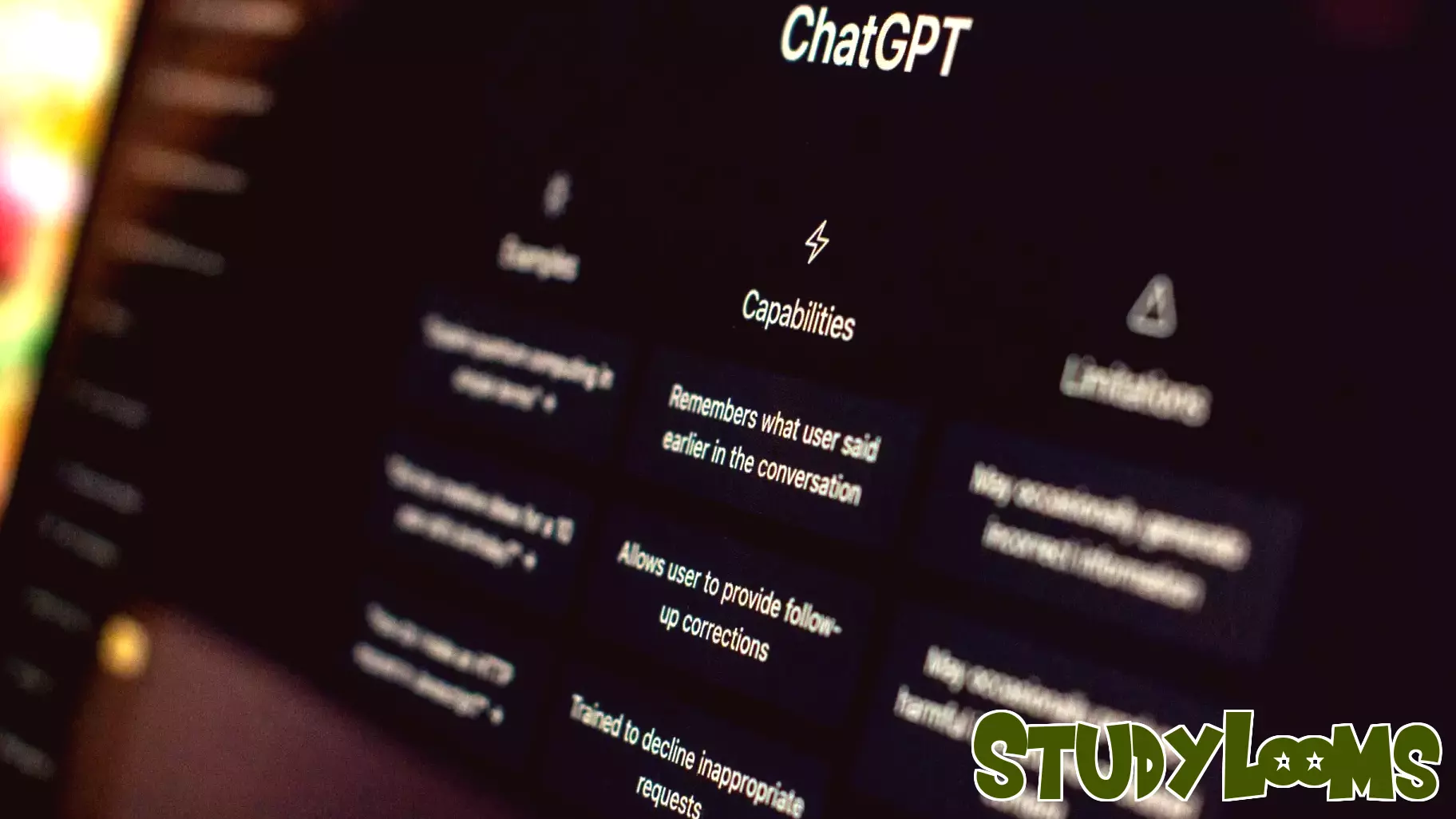
The speed at which AI tools have advanced and integrated into our daily lives is nothing short of remarkable. Just a few years ago, terms like ChatGPT and Gemini were unfamiliar to most, yet today, they have become commonplace. It’s increasingly difficult to perform a simple Google search without encountering AI-generated summaries, often presented whether users desire them or not.
In the realm of education, these AI technologies are transforming traditional teaching methods. Educators are beginning to leverage AI for personalized learning experiences, enabling them to cater to the unique needs of each student. This shift not only enhances student engagement but also allows teachers to focus on more complex aspects of instruction, such as critical thinking and creativity.
However, the rapid adoption of AI in classrooms raises questions about the implications for learning and teaching. As educators navigate this new landscape, they must consider the balance between harnessing AI's potential and ensuring that it does not undermine the fundamental principles of education. The future of teaching with AI presents both exciting opportunities and significant challenges.
MORE NEWS
August 8, 2026 - 03:20
Expanding Career and Technical Education in High SchoolsA growing conversation is underway regarding the necessity of expanding career and technical education (CTE) programs in high schools across the nation. Advocates argue that integrating CTE into...

August 7, 2026 - 10:31
Local Special Education Teacher Receives Recognition from ALDIBen Jarabeck, a dedicated special education teacher at Re-Education Services, has been honored as an ALDI Teacher of Recognition, earning a prestigious spot on their Honor Roll. This accolade...
August 6, 2026 - 21:11
Student Loan Servicers Face Challenges with Repayment ChangesA recent report from the Government Accountability Office highlights the difficulties student loan servicers encounter when trying to implement repayment changes within tight deadlines. As the...

August 6, 2026 - 03:03
Newport Students to Benefit from Free Computers and STEAM Education ProgramNewport children are set to receive a significant boost in their educational opportunities thanks to a new grant aimed at enhancing technology access and learning. This initiative will provide free...