The Science Behind Music and Brain Development
10 November 2025
Music is like magic for the brain. It has the power to uplift our mood, bring back old memories, and even sharpen our thinking skills. But did you know that music also plays a critical role in brain development? From babies in the womb to elderly individuals, music has a profound impact on cognitive functions, memory, and emotional well-being.
So, what is the science behind music and brain development? Let's dive in and uncover how those melodies and beats work their magic on our brains.
How Music Affects the Brain
Ever wondered why a catchy song gets stuck in your head? Or why certain songs make you feel happy, sad, or even nostalgic? It's all connected to how the brain processes music.Music engages multiple areas of the brain, including those responsible for emotions, memory, and movement. When you listen to music, your brain releases dopamine—the "feel-good" chemical—giving you a sense of pleasure and happiness. But that’s just the beginning. Let’s break it down further.
1. Music and Brain Development in Infants
Babies are exposed to sounds even before birth. Studies show that music can enhance brain development in infants, improving their ability to recognize patterns and differentiate sounds.Ever noticed how babies respond to lullabies? Soft, rhythmic tunes help calm them down because music stimulates the brain’s auditory cortex—the part responsible for processing sounds. Research suggests that babies who are exposed to music early in life tend to develop better language and communication skills as they grow.
2. Music and Cognitive Skills
Music isn’t just an emotional experience; it’s also a brain workout. Learning to play an instrument, for example, strengthens memory, problem-solving skills, and hand-eye coordination.Playing an instrument requires the brain to process multiple tasks at once—reading notes, maintaining rhythm, and coordinating hand movements. This multitasking ability enhances neural connections and improves cognitive function.
According to research, children who take music lessons often perform better in subjects like math and science. Why? Because music helps with pattern recognition, logical thinking, and spatial reasoning—all essential skills in problem-solving.
3. Music and Memory
Ever heard a song from years ago and suddenly recalled a forgotten memory? That’s because music has a strong connection with memory.Songs are often linked to specific moments in our lives. That’s why listening to music from your childhood can bring back vivid memories. Music also helps improve memory retention, making it a great tool for students who want to remember information more effectively.
Even for individuals with Alzheimer’s or dementia, music therapy has shown incredible results. Familiar tunes help trigger memories and emotions, improving their overall well-being.
4. Music and Emotional Development
Music is a universal language of emotions. Whether it’s a happy tune or a melancholic melody, music has the power to influence our emotional state.Studies suggest that listening to uplifting music can reduce stress and anxiety. It helps regulate emotions by triggering the release of neurotransmitters like serotonin and oxytocin—both of which contribute to happiness and relaxation.
Music also plays a crucial role in social bonding. Think about how concerts bring people together or how singing in a choir fosters a sense of unity. Music helps enhance empathy, communication, and emotional intelligence.
5. Music and Brain Plasticity
The brain is constantly changing, adapting, and forming new connections—a concept known as neuroplasticity. Music plays a significant role in boosting brain plasticity.When you actively engage in music—whether by playing an instrument, singing, or even dancing—you’re strengthening neural pathways. This enhances the brain’s ability to adapt and learn throughout life.
Research has shown that musicians have more developed brain structures, particularly in areas related to auditory processing and motor skills. This suggests that long-term exposure to music can lead to enhanced brain function.
The Role of Music in Education
Given all these benefits, it’s no surprise that music plays a vital role in education. Schools that integrate music into their curriculum often see improvements in students’ academic performance, creativity, and social skills.Here’s how music benefits students in an educational setting:
- Enhances Learning Abilities – Music helps with memory retention, making it easier to absorb and recall information.
- Boosts Creativity – Playing and composing music encourages creative thinking.
- Improves Social Skills – Group music activities teach teamwork, cooperation, and communication.
- Reduces Stress – Music has a calming effect, helping students focus better in stressful situations.
Music education isn’t just about learning to play an instrument; it’s about developing a well-rounded brain and fostering a lifelong love for learning.
Can Music Make You Smarter?
You may have heard of the "Mozart Effect"—the idea that listening to Mozart can make you smarter. While this theory has been debated, there’s no doubt that engaging with music enhances cognitive abilities.It’s not just about passively listening to music; actively participating—whether by playing, singing, or composing—stimulates critical thinking, creativity, and problem-solving skills.
So, while music alone won’t turn you into a genius overnight, it certainly contributes to overall brain development and intellectual growth.
Music as Therapy
The therapeutic effects of music are well-documented. Music therapy has been used to help individuals with autism, ADHD, depression, and even chronic pain conditions.For individuals with neurological disorders, such as Parkinson’s disease or stroke recovery patients, music helps improve motor skills and cognitive functions. Rhythm-based therapy, for example, can aid in movement coordination and rehabilitation.
Even in everyday life, music serves as a form of self-care. Listening to calming tunes after a stressful day can help reset your mind and improve your emotional well-being.
Final Thoughts
Music is more than just entertainment—it’s a powerful tool for brain development. From enhancing cognitive functions to improving emotional intelligence, music plays a vital role in shaping our brains at every stage of life.Whether you’re a musician, a casual listener, or someone who simply enjoys humming a tune, the benefits of music on the brain are undeniable. So, the next time you put on your favorite song, know that you’re giving your brain a workout!
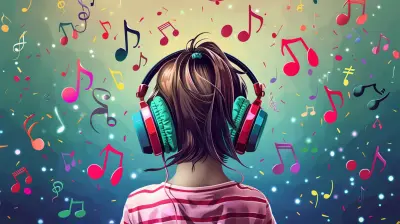
all images in this post were generated using AI tools
Category:
Music EducationAuthor:

Charlotte Rogers
Discussion
rate this article
13 comments
Marcus McGehee
Thank you for this insightful article! It’s fascinating to see how music impacts brain development. I appreciate the research shared and look forward to learning more.
February 26, 2026 at 5:15 AM
Charlotte Rogers
Thank you for your kind words! I'm glad you found the article insightful. Stay tuned for more research on this fascinating topic!
Jonah Mason
Loved this article! It’s fascinating how music can shape our brains, especially in kids. As a parent, I can totally see the difference it makes in their development! 🎶
January 23, 2026 at 12:32 PM
Charlotte Rogers
Thank you! I'm glad you enjoyed it and can see the impact of music on your kids' development! 🎶
Zedric Williams
What if the melodies you love are silently shaping your mind? Dive into the enigmatic link between music and brain development, where the rhythms of life not only resonate in our hearts but also sculpt our neural pathways. Unravel the secrets of sound today.
December 19, 2025 at 4:42 AM
Charlotte Rogers
Thank you for your insightful comment! Indeed, music profoundly influences brain development, shaping neural pathways and enhancing cognitive abilities. Let's continue to explore this fascinating connection!
Mia Fletcher
“Music isn’t just noise; it’s brain food! Feed those neurons, folks—because who doesn’t want a genius with a killer playlist?” 🎶🧠
November 23, 2025 at 12:48 PM
Charlotte Rogers
Absolutely! Music stimulates cognitive function and creativity, making it essential for brain development. Keep those playlists going! 🎶🧠
Christa Summers
Brain jamming: Music for smarter neurons!
November 22, 2025 at 9:22 PM
Charlotte Rogers
Thank you! Music truly has a remarkable impact on brain development and cognitive function.
Elsinore Ruiz
Unlock the hidden secrets of sound—delve into how melodies shape our minds and influence development. What if the key to enhancing learning lies within the rhythms we often take for granted?
November 19, 2025 at 9:46 PM
Charlotte Rogers
Absolutely! Music profoundly influences brain development and learning. Exploring its rhythms and melodies can unlock new educational strategies for enhanced cognitive growth.
Jessica Jordan
This article insightfully explores the intricate relationship between music and brain development, highlighting how musical training enhances cognitive abilities, emotional regulation, and social skills. It underscores the transformative power of music in educational settings, advocating for its integration into early childhood curricula.
November 19, 2025 at 4:30 AM
Charlotte Rogers
Thank you for your thoughtful comment! I'm glad you found the article insightful and appreciate your support for integrating music into early childhood education.
Chloe Jennings
Music isn't just background noise; it's a powerful catalyst for brain development. Ignoring its impact is a disservice to our children's growth. Let’s embrace music's transformative role in shaping young minds unapologetically!
November 18, 2025 at 4:04 AM
Charlotte Rogers
Absolutely! Music plays a crucial role in cognitive development, fostering creativity and enhancing learning. Embracing its impact is essential for nurturing young minds. Thank you for highlighting this important aspect!
Archer McCracken
This article effectively highlights the profound impact of music on brain development. It's fascinating how early exposure can enhance cognitive skills, emotional intelligence, and social interactions. A must-read for educators and parents alike!
November 17, 2025 at 5:04 AM
Charlotte Rogers
Thank you for your thoughtful comment! I'm glad you found the article insightful and relevant for educators and parents. Music truly has a remarkable influence on brain development.
Hunter McPhail
This article beautifully illustrates the profound connection between music and brain development. It's encouraging to see how nurturing our musical interests can foster creativity and cognitive growth in children. Thank you!
November 15, 2025 at 5:16 AM
Charlotte Rogers
Thank you for your kind words! I'm glad you found the article insightful and inspiring. Music truly plays a vital role in fostering growth and creativity in children.
Drake Martin
Music isn't just background noise; it's a powerful catalyst for brain development. Embrace its transformative influence, unlocking creativity and cognitive skills. Dismiss the skeptics—science proves that music shapes minds and enriches lives.
November 14, 2025 at 5:25 AM
Charlotte Rogers
Thank you for highlighting the profound impact of music on brain development! Your support emphasizes the importance of recognizing music as a vital tool for enhancing creativity and cognitive skills.
Brooke Benton
Music is not just entertainment; it’s a powerful catalyst for brain development. Dismissing its impact undermines the potential for cognitive growth. Let’s embrace music as an essential tool in education, unlocking creativity and enhancing learning in every child. No excuses.
November 13, 2025 at 12:59 PM
Charlotte Rogers
Thank you for highlighting the transformative role of music in cognitive development. I completely agree that integrating music into education can unlock creativity and enhance learning for all children.
Carmen McGuffey
Absolutely loved this article! It’s fascinating how music can shape our brains and enhance development. The connection between rhythm and learning is so uplifting! Excited to explore more about the power of music in education! 🎶✨
November 11, 2025 at 4:25 AM
Charlotte Rogers
Thank you so much! I'm glad you enjoyed the article and found the connection between music and brain development inspiring! 🎶✨
MORE POSTS

Activities for Teaching Financial Literacy to Students

Historical Simulations: Bringing History Lessons to Life

The Importance of Emotional Intelligence in Adult Education

Promoting Inclusivity in Early Childhood Classrooms

Montessori and the Science of Child Brain Development

Hands-On Learning: Lesson Plans that Inspire Curiosity

Montessori for Toddlers: Building Independence from the Start

Using Coding to Teach Environmental Science in Schools
How Music Education Can Help with ADHD