The Power of Reflection in Project-Based Learning
27 April 2026
Introduction
Imagine building a puzzle without ever stepping back to see how the pieces fit. Sounds challenging, right? That’s exactly what learning without reflection feels like! In the world of Project-Based Learning (PBL), reflection isn’t just a bonus—it’s a superpower. It helps students understand what they did well, where they struggled, and how they can improve.
But what exactly is reflection in PBL, and why does it matter so much? Well, buckle up because we’re about to dive into the fascinating world of self-discovery, growth, and critical thinking! 
What Is Reflection in Project-Based Learning?
Reflection in Project-Based Learning is the process of looking back on experiences to gain deeper understanding. It encourages students to analyze their work, assess their learning, and refine their skills.Instead of just finishing a project and moving on, students take time to think about:
- What worked well?
- What challenges did they face?
- How did they overcome obstacles?
- What could they do differently next time?
By asking these questions, students don’t just complete projects—they grow from them. 
Why Is Reflection Essential in PBL?
Think of reflection as a mirror—it gives students a chance to see their progress and uncover areas where they can improve. Here are a few reasons why reflection is a game-changer in PBL:1. Deepens Learning
When students reflect, they connect the dots between what they learned and how they learned it. This strengthens their understanding and makes knowledge stick.2. Boosts Critical Thinking
Reflection helps students analyze mistakes, evaluate their strategies, and make better decisions. It encourages them to think critically, which is a skill they’ll need for life!3. Encourages Self-Assessment
Ever heard the phrase, "You are your best teacher"? Through reflection, students take charge of their learning. They self-evaluate their strengths and weaknesses, making them more independent and confident learners.4. Fosters a Growth Mindset
Mistakes aren’t failures; they’re stepping stones to success. Reflection helps students embrace challenges, learn from setbacks, and keep improving rather than fearing failure.5. Improves Collaboration
By reflecting as a group, students learn from each other’s perspectives, fostering teamwork and better communication skills.
How to Incorporate Reflection into Project-Based Learning
So, how do we make reflection a natural part of PBL? Here are some fun and effective ways to integrate it into the learning process:1. Journaling: Capture Thoughts in Writing
Encourage students to keep a reflection journal. They can write about:- What they accomplished each day
- Challenges they faced
- Solutions they discovered
- Lessons they learned
Writing things down solidifies learning and helps students track their progress over time.
2. Peer Discussions: Learn from Each Other
Sometimes, verbalizing thoughts makes reflection even more powerful. Hosting group discussions or partner reflections allows students to share insights and gain different perspectives.3. Exit Tickets: Quick and Simple Reflections
At the end of a project session, ask students to write down:- One thing they learned
- One challenge they faced
- One way they can improve
These bite-sized reflections keep students engaged without overwhelming them.
4. Teacher Feedback: Guided Reflection
Teachers play a crucial role in reflection. Providing constructive feedback and guiding questions helps students dig deeper into their learning. Instead of just saying, "Great job!" ask:- What was your biggest takeaway?
- If you had to do this again, what would you change?
- How did teamwork influence your learning?
5. Creative Reflection Activities
Why not make reflection fun? Try:- Video Diaries: Let students record short videos sharing their thoughts.
- Mind Maps: Visual learners can create reflection maps to organize ideas.
- Role-Playing: Act out scenarios to reflect on challenges and solutions.

Overcoming Common Challenges in Reflection
1. “I Don’t Know What to Say!”
Some students struggle with reflecting because they don’t know how to start. Provide reflection prompts or sentence starters like:- “One thing I learned today is…”
- “A problem I faced and how I solved it was…”
- “I would do this differently next time because…”
2. Lack of Time
With packed schedules, squeezing in reflection can be tough. The solution? Make it brief and consistent. Even five minutes of daily reflection can make a huge difference.3. Students Not Taking It Seriously
If students see reflection as just another task, they won’t engage. Keep it interactive, personal, and meaningful. Show them how reflection benefits their growth, and they’ll buy into it.The Lasting Impact of Reflection in PBL
Reflection isn’t just about reviewing a project—it’s about developing lifelong skills. When students make reflection a habit, they become:- More self-aware
- Better problem-solvers
- More confident learners
Think of it like a gardener tending to their plants. Without pausing to check the soil, adjust watering, and clear out weeds, the plants won’t thrive. Similarly, without reflection, learning won’t fully bloom!
So, the next time you finish a project, take a moment to reflect—because that’s where the magic happens.
Final Thoughts
Project-Based Learning is all about active, hands-on experiences, but the true learning unfolds in the moments of reflection. It helps students not only master concepts but also develop the mindset and skills they need for real-world success.So, let’s make reflection a priority in PBL—because the more we reflect, the more we grow!
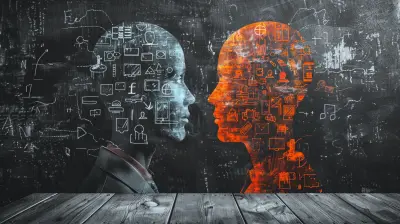
all images in this post were generated using AI tools
Category:
Project Based LearningAuthor:

Charlotte Rogers
Discussion
rate this article
4 comments
Casey McLaughlin
This article effectively highlights the critical role of reflection in project-based learning. By encouraging students to think deeply about their experiences, educators foster enhanced understanding and skills retention. Emphasizing regular reflection can transform learning outcomes and empower students to take ownership of their educational journeys. Great insights!
July 28, 2026 at 3:02 AM
Jinx McWain
Reflection in project-based learning is like the cherry on top of an educational sundae—sweet and essential! It transforms chaos into clarity, turning 'What just happened?' into 'Aha! I get it!' So, grab your mental spoons, folks; it’s time to savor those insights!
May 15, 2026 at 10:28 AM
Charlotte Rogers
Thank you for your delightful analogy! I completely agree—reflection truly enhances the learning experience, turning confusion into understanding. Let's keep savoring those insights!
Runeveil Wilkins
What a wonderful insight into the transformative role of reflection in project-based learning! Your thoughts truly highlight its importance in deepening understanding and fostering critical thinking. Thank you for sharing!
May 2, 2026 at 3:34 AM
Charlotte Rogers
Thank you for your kind words! I'm glad you found the insights on reflection valuable in enhancing project-based learning.
Caelum McIlroy
Reflection transforms projects from mere tasks into catalysts for growth. Without it, we mistake activity for learning—true understanding emerges only in the quiet, honest space between doing and thinking.
April 30, 2026 at 3:18 AM
Charlotte Rogers
Absolutely! Reflection is key in project-based learning, as it deepens understanding and fosters genuine growth. It's the bridge between action and insight.