The Power of Peer Learning in School Coding Environments
13 June 2026
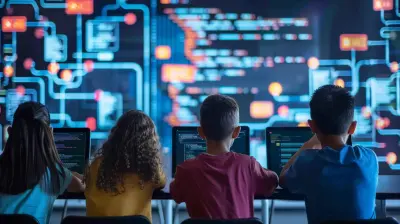
Let’s face it—learning to code can feel like you're deciphering hieroglyphics at times. It’s tough. But you know what makes it easier, more fun, and way more impactful? Learning with peers. That's right. The power of peer learning, especially in school coding environments, is transformative. It's not just about writing lines of code. It's about community, teamwork, and cheering each other on through every bug, crash, and debug.
So, grab a cup of coffee (or juice), and let’s dig into why peer learning is one of the best-kept secrets in coding education.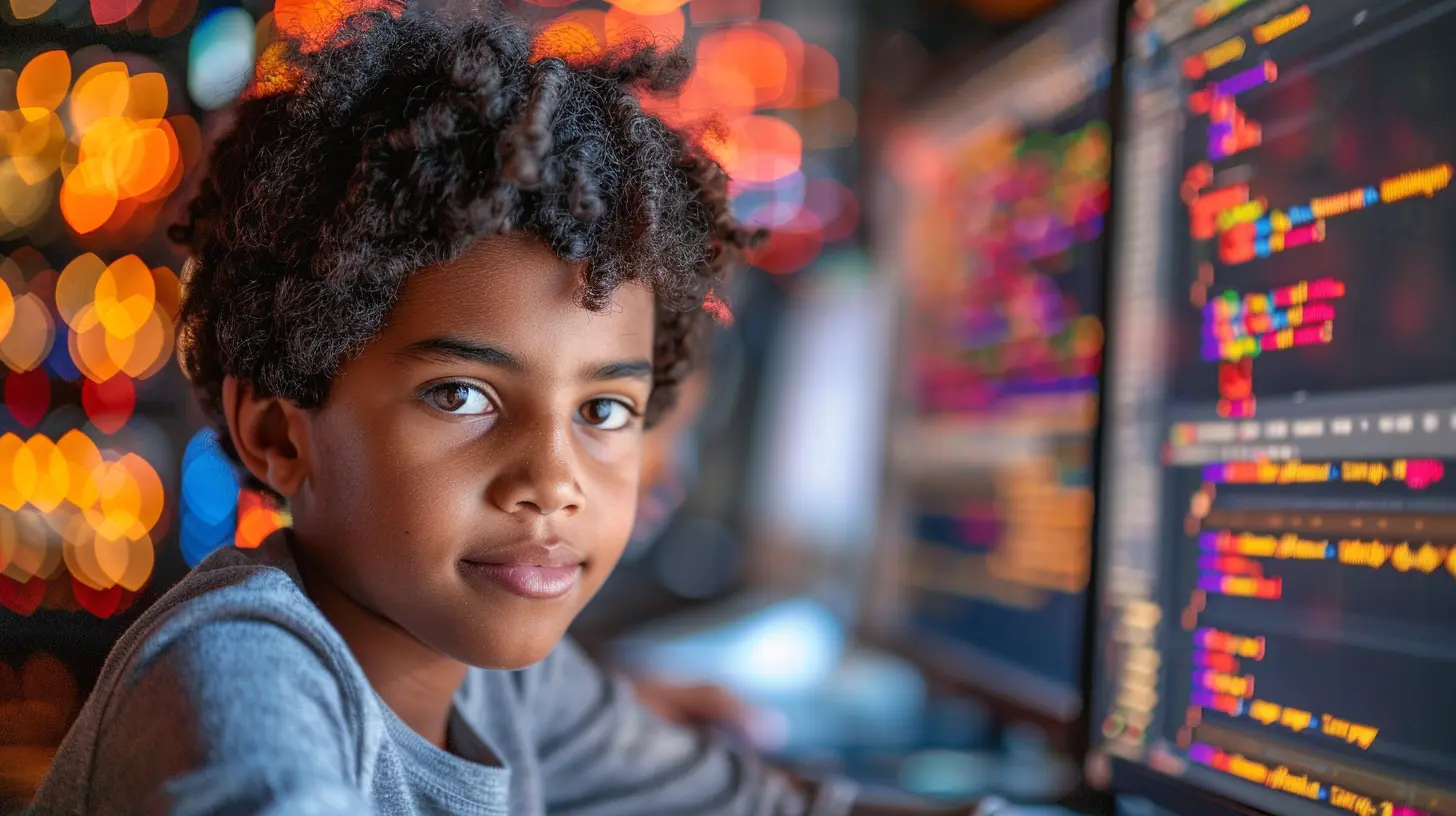
What is Peer Learning Anyway?
Peer learning is exactly what it sounds like—students teaching and learning from each other. It’s not a new concept. In fact, we’ve been using it since the beginning of time. Think about it: how did you learn to ride a bike? Probably from a friend or sibling, right?In the context of school coding environments, peer learning looks like classmates sitting shoulder-to-shoulder, talking through Python scripts, helping each other figure out why the code won’t compile, or celebrating when that JavaScript loop finally runs smoothly.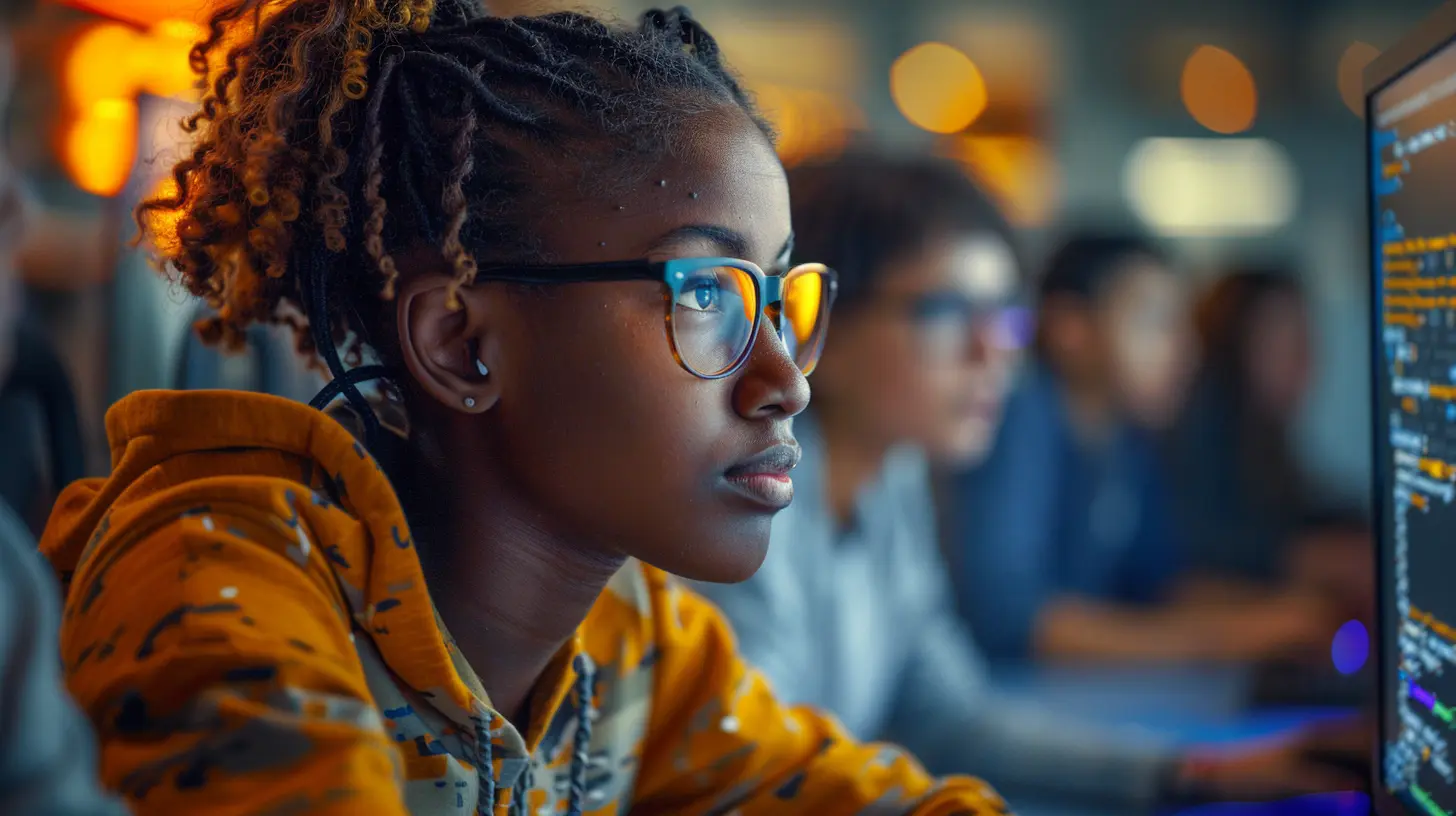
Why Peer Learning Works So Well for Coding
1. The Language of Learners
Ever had a teacher throw around terms like “object-oriented programming” or “recursion” and you’re sitting there nodding—pretending you get it—but you’re actually lost in space?Peers often explain things in plain language. They use gaming analogies, real-life metaphors, or even memes to teach concepts. That kind of accessible language makes tough topics feel a little more down-to-earth. A classmate might say, “Think of a loop like ordering 5 pizzas one after the other instead of typing ‘order’ five times.” Now that makes sense.
2. You Learn by Teaching
This is where things get magical. When a student explains something to a peer, their own understanding deepens like roots strengthening under the surface. It’s called the “protégé effect,” and it’s real. Teaching solidifies what you know.So in school coding clubs or classrooms, when one student helps another troubleshoot their CSS layout or write a clean function in Java, both students win.
3. It Builds Confidence
Let’s talk real talk—coding can shake your confidence. One error message and suddenly you're questioning your entire existence.In peer-driven settings, students realize they're not the only one struggling. There’s strength in vulnerability and connection. Seeing peers overcome challenges makes students believe they can do it too.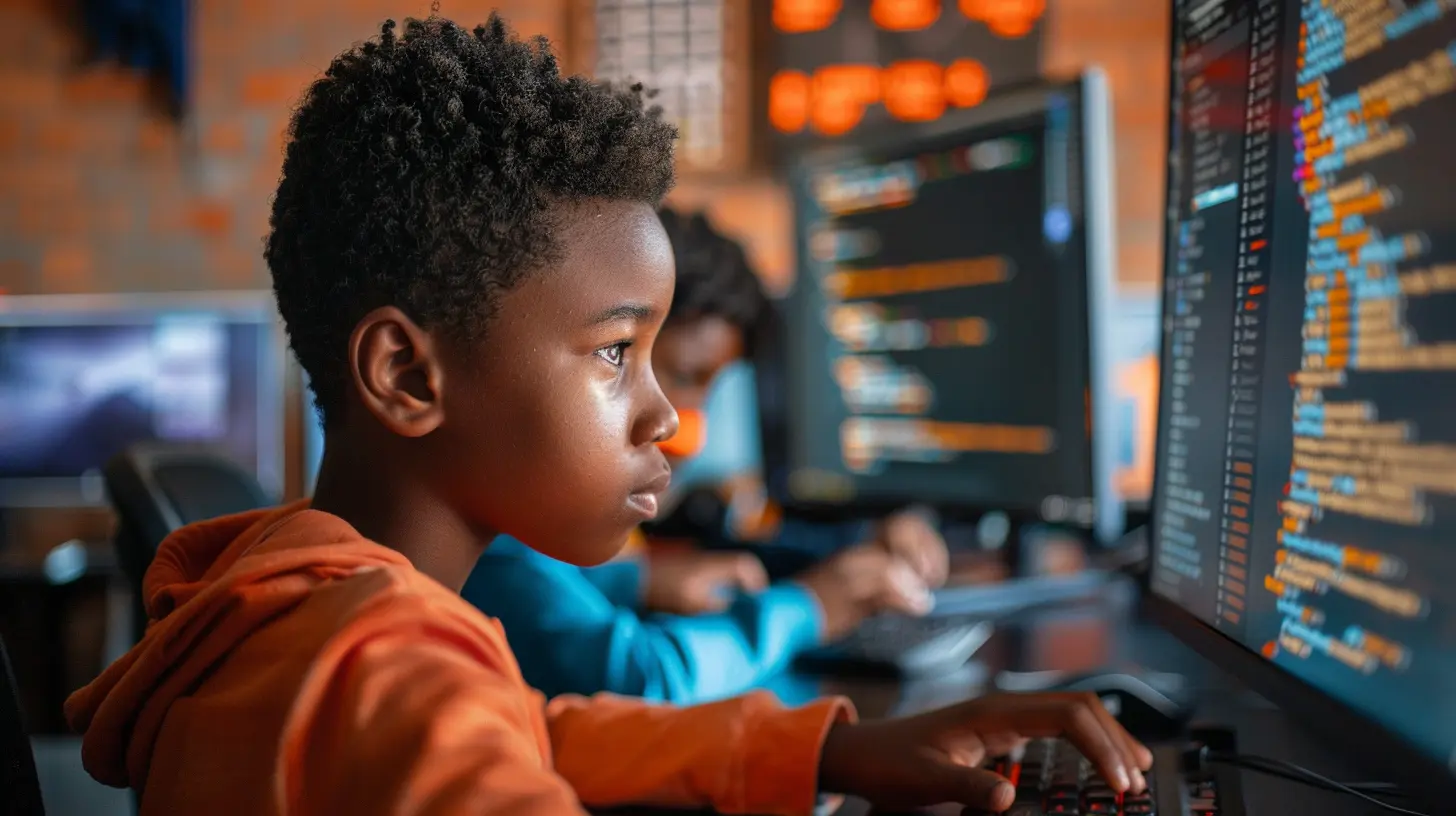
The Shift from Competition to Collaboration
In traditional classrooms, there’s often a sense of competition: who finishes first, who scores highest, who’s the “smartest.” But in peer learning environments, especially in coding, the table turns. It becomes less about competing and more about building things together.Think of it like a multiplayer game. Everyone brings something to the team. One student might be great with logic, another with design, another with debugging. When peers collaborate, the learning becomes richer and more balanced.
Types of Peer Learning in Coding Environments
Not all peer learning looks the same. Here’s a breakdown of how it plays out in schools:1. Pair Programming
This one’s a classic in the coding world. Two students work at one computer—one types (the “driver”), the other reviews and guides (the “navigator”). They regularly switch roles.It’s not only effective, but also teaches patience, communication, and collaboration. Plus, two heads are almost always better than one when attacking a tricky bug.
2. Code Reviews and Feedback Loops
Students review each other’s code, offer constructive feedback, and suggest improvements. It’s like a mini-team of software engineers learning real-world skills. Reviewing code gives learners fresh perspectives and helps them explore different coding styles.3. Group Projects and Hackathons
Nothing bonds students like building something epic together under time pressure. School hackathons and group projects often become the birthplace of deep friendships, intense learning, and late-night pizza-fueled problem solving.4. Study Groups and Mentorship Circles
Often informal, these are small peer groups that meet regularly to tackle challenges together. Older or more experienced students sometimes take younger ones under their wing—a mentorship dynamic that keeps the knowledge flowing down the line.Building a Culture of Peer Learning in Schools
Creating a space where peer learning thrives takes intention. It’s not just about cramming kids into a room with laptops. Here’s how schools can make it work:1. Make Pair Work the Norm
If students know that pair or group work is a regular part of the routine, they start to anticipate it, and they come prepared to collaborate. Teachers become facilitators rather than lecturers.2. Celebrate All Wins
That tiny bug fix? Worth cheering for. That first “Hello, World”? Throw a party (well, maybe a tiny one). Celebrating progress, not just perfection, keeps the morale high.3. Create Safe Spaces
Students need to feel safe to share their ideas, ask “silly” questions, and admit when they’re stuck. Peer learning doesn’t work in environments built on judgment or fear of failure.4. Train Students in Communication
Hold workshops on giving feedback, listening actively, and asking good questions. These soft skills are the backbone of effective peer learning.Real Impact: What the Research Says
It’s not just feel-good fluff. Research backs this up. Data shows that peer learning boosts academic performance, improves retention, and cultivates better problem-solving skills.One study from the Computer Science Education journal found that students in peer-led teams reported higher engagement and better understanding of complex topics. Another report showed that pair programming consistently produced better project outcomes than solo efforts.
Even big tech companies use peer learning. New hires often go through team-based onboarding where they’re paired with peers to learn the ropes. So really, we’re just prepping students for the real deal.
Common Challenges (and How to Overcome Them)
Let’s not romanticize it—peer learning isn’t perfect. Here are some common hurdles and how schools can leap right over them:Challenge 1: Uneven Skill Levels
Some students feel they have nothing to offer, while others think they’re carrying the group. The fix? Rotate roles, encourage mutual respect, and emphasize the strengths each person brings—even if it’s just curiosity or creativity.Challenge 2: Off-Topic Conversations
Yep, sometimes peer learning turns into chit-chat. Teachers can set clear goals and timelines to keep everyone focused while still allowing space for bonding.Challenge 3: Over-Reliance
Sometimes students lean too heavily on others instead of trying themselves. A mix of solo tasks and group work can keep skills well-rounded.Teachers Still Matter—A Lot
If you're a teacher reading this and wondering if peer learning means stepping aside, don’t worry. Your role is still essential. You become the guide, the coach, the culture-builder. You help students navigate conflict, encourage inclusion, and keep things on track.Think of yourself as the director of a play—the peers are the actors on stage. They bring the show to life, but you make sure it all comes together smoothly.
The Future of Peer Programming in Schools
With the rise of tech in education, the future is bright for peer learning in coding classes. Schools are integrating collaborative platforms like GitHub, Replit, and Google Colab that support group coding projects.Virtual coding camps with breakout rooms, peer mentors, and real-time code-sharing are also taking off. These tools are creating new possibilities for collaboration beyond the classroom walls.
Imagine a student in Texas debugging a Python project with a peer in Tokyo—all in real time. That’s not sci-fi. That’s now.
Final Thoughts: Sorry, Robots—Peer Learning Wins
No matter how advanced AI gets, nothing replaces the encouragement of a peer saying, “Hey, I struggled with that too, but here’s what helped me.”Peer learning creates a ripple effect. Today’s student helping another write a clean function might be tomorrow’s engineer leading a team at Google. It’s about lifting each other up, one line of code at a time.
Let’s keep that energy flowing in our schools. Let’s build communities where students aren’t afraid to fail, where they grow together, and where every bug fix feels like a high-five.
You in?
all images in this post were generated using AI tools
Category:
Coding In SchoolsAuthor:

Charlotte Rogers
Discussion
rate this article
3 comments
Murphy McAdoo
Peer learning in coding environments fosters collaboration and problem-solving skills, allowing students to share knowledge and perspectives. This approach enhances understanding and promotes a supportive learning community.
June 20, 2026 at 3:02 AM
Charlotte Rogers
Thank you for your insightful comment! I completely agree—peer learning indeed cultivates collaboration and deepens understanding, creating a vibrant and supportive coding community.
Beau Snow
Peer learning in coding is like superhero teamwork—everyone shares their powers, making the classroom a fun adventure!
June 18, 2026 at 10:27 AM
Charlotte Rogers
Thank you! That's a wonderful analogy—peer learning truly does transform coding into an exciting collaborative journey!
Colton Ross
Peer learning in coding not only fosters collaboration but also ignites innovation. By sharing knowledge and troubleshooting together, students build confidence and a deeper understanding of concepts—transforming the classroom into a vibrant hub of creativity and problem-solving.
June 14, 2026 at 8:31 PM
Charlotte Rogers
Thank you for highlighting the transformative benefits of peer learning in coding! It truly empowers students and enhances their problem-solving skills.