The Link Between Fine Motor Skills and Early Writing Development
14 July 2026
Ever watched a toddler trying to color inside the lines or fumble with a crayon, only to scribble all over the paper — and maybe the table too? It’s easy to giggle at the mess, but guess what? Those innocent scribbles are actually the early signs of something pretty magical happening: the development of fine motor skills, which are crucial for writing later on.
In this article, we’ll dive into the joyful world of wiggling fingers, chubby pencils, and the little muscles that do big things. Yep, we’re talking all about the fascinating link between fine motor skills and early writing development. So grab a snack (and maybe a coloring book!), and let’s get into it.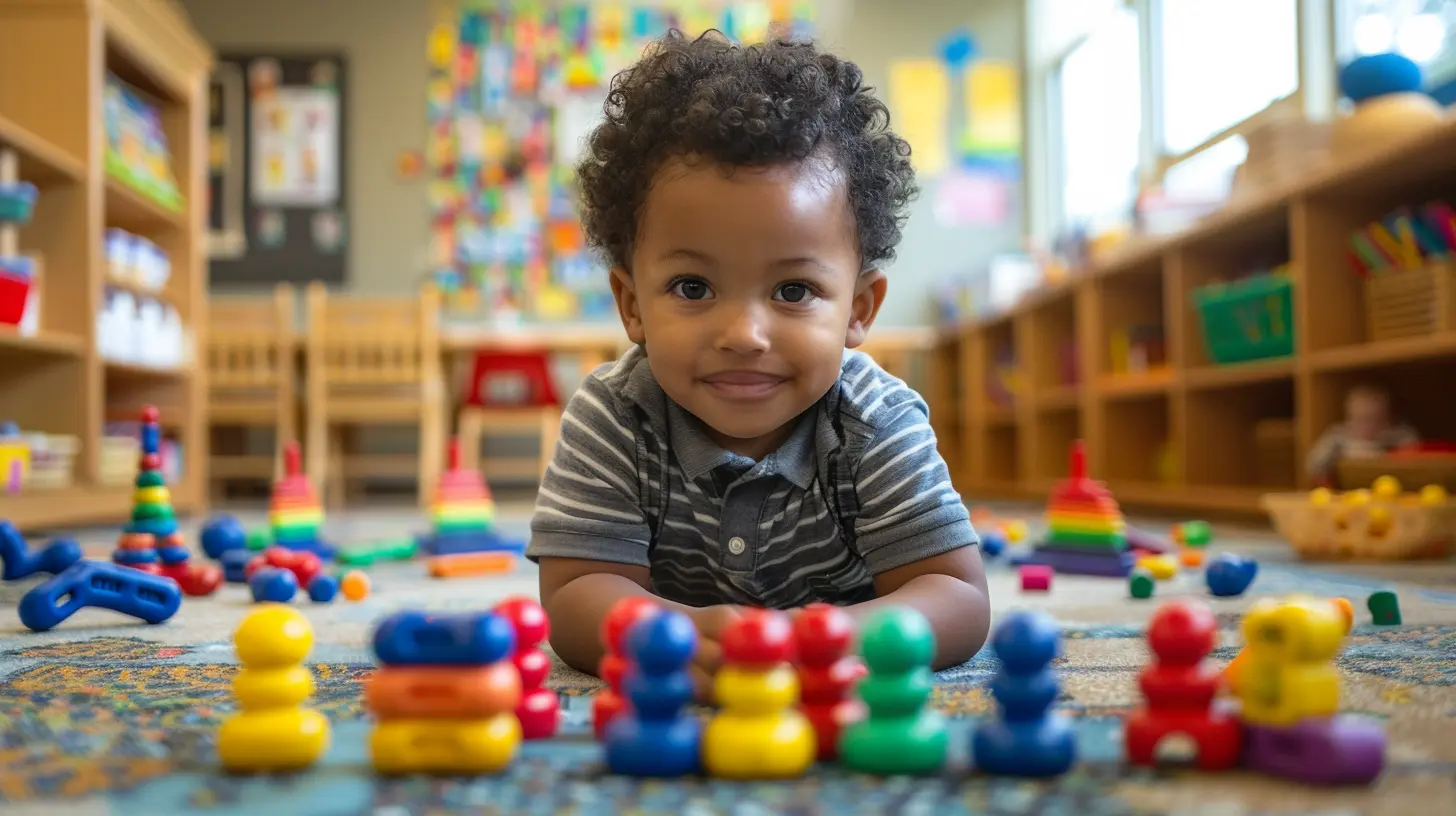
What Are Fine Motor Skills Anyway?
Alright, let’s start with the basics. Fine motor skills are the small, precise movements we make with the tiny muscles in our hands, fingers, and wrists. These are the muscles kids use to pick up cereal with their fingers, brush their teeth, button their shirts, and guess what? Write their first letters!Unlike gross motor skills (think jumping, running, and climbing), fine motor skills are all about control and coordination of the hands and fingers.
Examples of Fine Motor Activities:
- Picking up small objects like beads- Using scissors to cut paper
- Holding a crayon or pencil
- Lacing up shoes
- Turning the pages of a book
Sound simple? For adults, sure. But for kids, it’s a whole adventure.
Why Are Fine Motor Skills So Important for Writing?
Have you ever tried to write with a thick glove on? Not the most graceful handwriting, right? That’s because writing demands precision and control — and that’s exactly what fine motor skills provide.In early childhood, before pen even meets paper, kids need to:
- Grasp writing tools properly
- Control hand pressure
- Coordinate eye-hand movements
- Maintain shoulder and arm stability
Sounds like a workout, doesn’t it? That’s because it is! Writing isn't just a mental process — it's physical too.
From Scribbles to Sentences: How the Magic Happens
Let’s take a little walk down memory lane and look at the writing journey through the eyes (and hands) of a child.The Scribble Stage (Around 12-24 Months)
At this point, toddlers are just discovering that dragging a crayon across paper leaves a mark – and boy, is that exciting! This stage is all about exploring and building basic muscle strength.Encouraging tip: Don’t worry about neatness. Just give your little one plenty of chunky crayons and let them go wild!
The Line and Shape Stage (Ages 2-3)
Lines become shapes. Circles start to look like faces. Your child is now learning to control their strokes a bit more. They may even start mimicking letters they’ve seen.Encouraging tip: Activities like tracing in sand or finger painting help strengthen control without the pressure of getting it “right.”
The Symbol and Letter Stage (Ages 3-4+)
Now the real fun begins! Children start drawing actual letters, writing their names, and forming words. It's not just about motor control anymore — it’s about connecting meaning with motion.Encouraging tip: Encourage them to write grocery lists with you or label their artwork. Make writing a part of daily life.
The Crucial Link: How Hand Muscles Impact Handwriting
Let’s break it down. Think of a child’s hand like a toolbox. Without the right tools — in this case, muscle strength and coordination — the job (writing) becomes much harder. Strong fingers and flexible wrists make it easier to hold a pencil the right way and move it with control.Key Fine Motor Skills That Support Writing:
1. Pincer Grip: Grasping small objects between the thumb and forefinger — needed for holding pencils.2. Wrist Stability: Helps maintain control while moving the hand across the page.
3. Hand-Eye Coordination: Watching the paper while guiding the pencil.
4. Finger Dexterity: Adjusting grip and pressure while writing.
5. Bilateral Coordination: Using both hands together — one to write, one to hold the paper.
Think of them as the Avengers of fine motor skills. Each has a role, and together, they save the day when it comes to writing success.
How to Strengthen Fine Motor Skills at Home
Good news — you don’t have to be an occupational therapist to help your child. Everyday activities, games, and creative play can do wonders.Easy and Fun Activities:
- Playdough and clay: Squeezing, rolling, and shaping builds muscle strength.- Lacing toys: Threading string through beads or cards develops hand-eye coordination.
- Sticker fun: Peeling stickers strengthens the pincer grip.
- Cutting with scissors: Start with big, easy-grip scissors and simple shapes.
- Painting with brushes: It’s not just fun, it's skill-building!
Remember, the goal isn’t to “practice writing” from day one. It’s to build the foundation for writing by building up those mighty little muscles.
The Role of Technology (and Why It’s a Bit Tricky)
Let’s face it — we live in a digital world. Touch-screens, tablets, and digital toys are everywhere. While tech can certainly have its educational benefits, it doesn't always encourage the development of fine motor skills.Think about it: tapping a screen takes a lot less finger work than coloring in a giant rainbow with a crayon.
Tech Use Tips:
- Balance screen time with hands-on play- Encourage drawing apps that mimic pen-and-paper movements
- Use styluses to build grip strength when using tablets
Like with anything, moderation is key.
When to Be Concerned
It’s totally normal for children to develop at their own pace. But sometimes, we notice that little hands are struggling more than expected. If your child:- Can’t hold a pencil after age 4
- Avoids drawing or writing activities
- Has trouble with buttons, zippers, or feeding themselves
…it might be time to chat with a pediatrician or occupational therapist. Early support can make a world of difference.
How Educators Can Support Fine Motor Skill Development
Teachers play a huge role in helping kids build writing readiness. And no, it’s not just about more worksheets.Classroom Ideas:
- Fine motor stations with tweezers, beads, and playdough- Writing prompts combined with drawing
- Teaching proper grip using triangular pencils or pencil grips
- Incorporating movement breaks with hand exercises or finger games
The classroom shouldn't be a place of pressure — it should be a playground for learning!
Celebrating Every Milestone
Every shaky “A”, every backwards “B”, every rainbow-colored scribble — they all mean something. These marks say, “I’m learning!” and “Look what I can do!”Building fine motor skills and moving towards writing isn’t a race. It’s a journey filled with messy papers, broken crayons, and beaming smiles. Encourage your child. Cheer them on. And remember — each little movement is a big step forward.
Final Thoughts
The connection between fine motor skills and early writing development is undeniable and oh-so-important. Developing those tiny muscles paves the way for one of life’s most powerful tools — communication through writing.Whether you're a parent, teacher, or curious reader, remember this: behind every letter a child writes is a symphony of tiny, coordinated movements — and a huge amount of effort. Let’s cheer them on with every swoop, swirl, and scribble.
Writing starts with the hands, but it's powered by the heart.
all images in this post were generated using AI tools
Category:
Early LiteracyAuthor:

Charlotte Rogers
Discussion
rate this article
1 comments
Kael Velez
Essential insights on nurturing young writers.
July 14, 2026 at 5:06 AM