The Connection Between Oral Language and Early Literacy
22 July 2026
Ever watched a toddler babble endlessly, mixing real words with giggles and gibberish, and wondered just how much of that "talk" might have to do with learning to read one day? You're not alone. There's a powerful and often underestimated link between oral language—the ability to listen and speak—and the early stages of literacy. In fact, they’re like two best friends holding hands on the path to learning.
In this blog post, let's unpack how oral language builds the foundation for reading and writing, why it matters more than we sometimes think, and how parents, teachers, and caregivers can support it from day one.
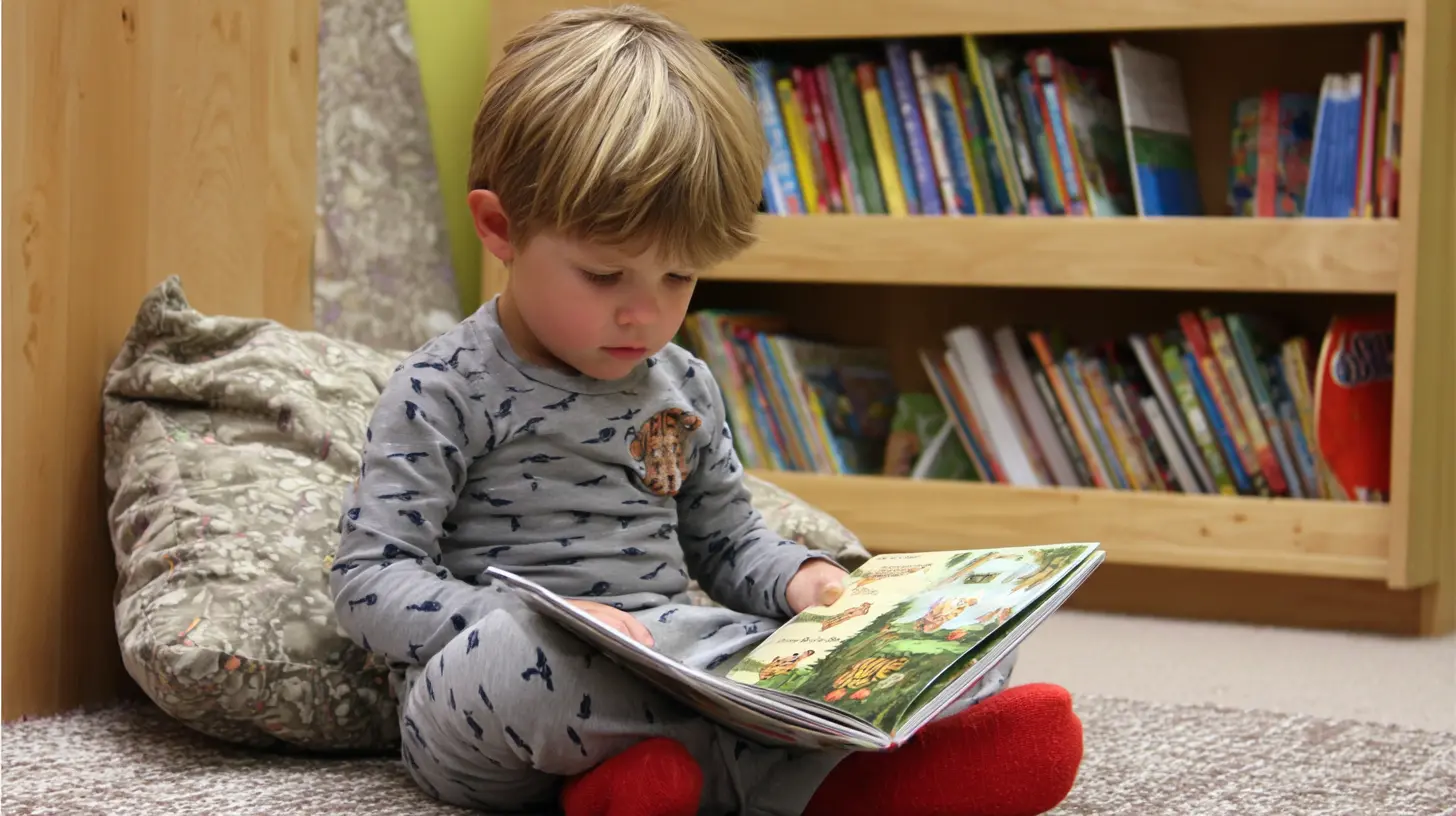
What Is Oral Language, Really?
Before we dive into its importance, let’s get clear on what oral language means. It's not just talking. Oral language includes:- Speaking clearly
- Understanding spoken words
- Using appropriate vocabulary
- Grasping grammar and sentence structure
- Listening and responding meaningfully
It’s everything from a toddler saying "milk" for the first time to a preschooler telling an entire story about a dragon and a cupcake. And this everyday chatter? It’s laying the groundwork for reading and writing in school.
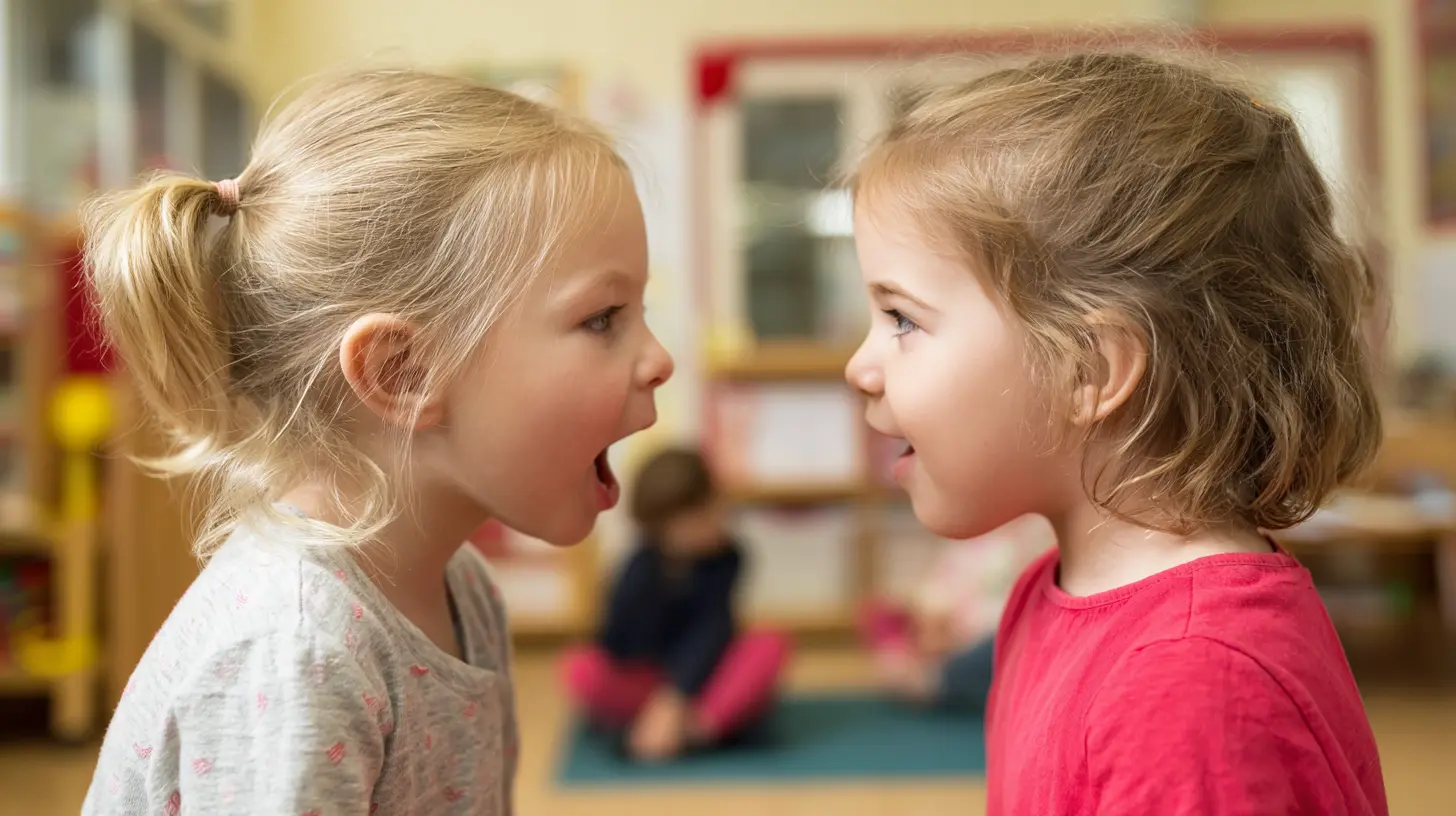
Why Is Oral Language So Crucial for Literacy?
Imagine trying to read a book in a foreign language you barely speak. It'd be tough, right? That's basically what literacy feels like to a child if their oral language isn't well developed. Oral language is the soil where the seeds of literacy are planted. Without rich, fertile soil, those seeds might never sprout.Reading Is More Than Recognizing Words
Decoding letters and sounds is important. But reading is also about understanding. Kids lean on their oral vocabulary to make sense of what they’re decoding. If they've never heard the word “enormous,” they might sound it out perfectly, but they won’t have a clue what it means.Writing Mirrors Speaking
Think about it: before kids put words on paper, they try them out loud. The structure and flow of spoken sentences inform their written ones. Have you ever read a child's story that sounded exactly like they talk? That’s no accident.
The Building Blocks: How Oral Language Supports Literacy
Let’s break this down a bit more. There are key oral language skills that directly support early literacy development.1. Vocabulary
The more words a child hears and uses, the more tools they have to understand texts later. By the time a child enters kindergarten, they should ideally know thousands of words. And most of this knowledge comes from everyday conversations—not flashcards.Helpful Tip: Narrate your day with your child. “Now we’re putting on your shoes. They’re red and shiny today!” It might feel silly, but it’s gold for language growth.
2. Listening Skills
Before reading, kids need to be good listeners. Listening skills help children:- Follow directions
- Understand stories
- Grasp new vocabulary
It’s simple: a child can't understand a story if they can’t focus long enough to hear the whole thing.
3. Sentence Structure and Grammar
Long before they write a sentence, kids learn how sentences work by hearing them. When you say, “We’re going to the store after lunch,” you're teaching sequencing, future tense, and more—without even realizing it.4. Phonological Awareness
This is a fancy term for being aware of sounds in language. Think rhyming, syllables, and breaking words into parts. It’s one of the strongest predictors of early reading success. And guess what enhances it? Singing songs, talking, and reading aloud!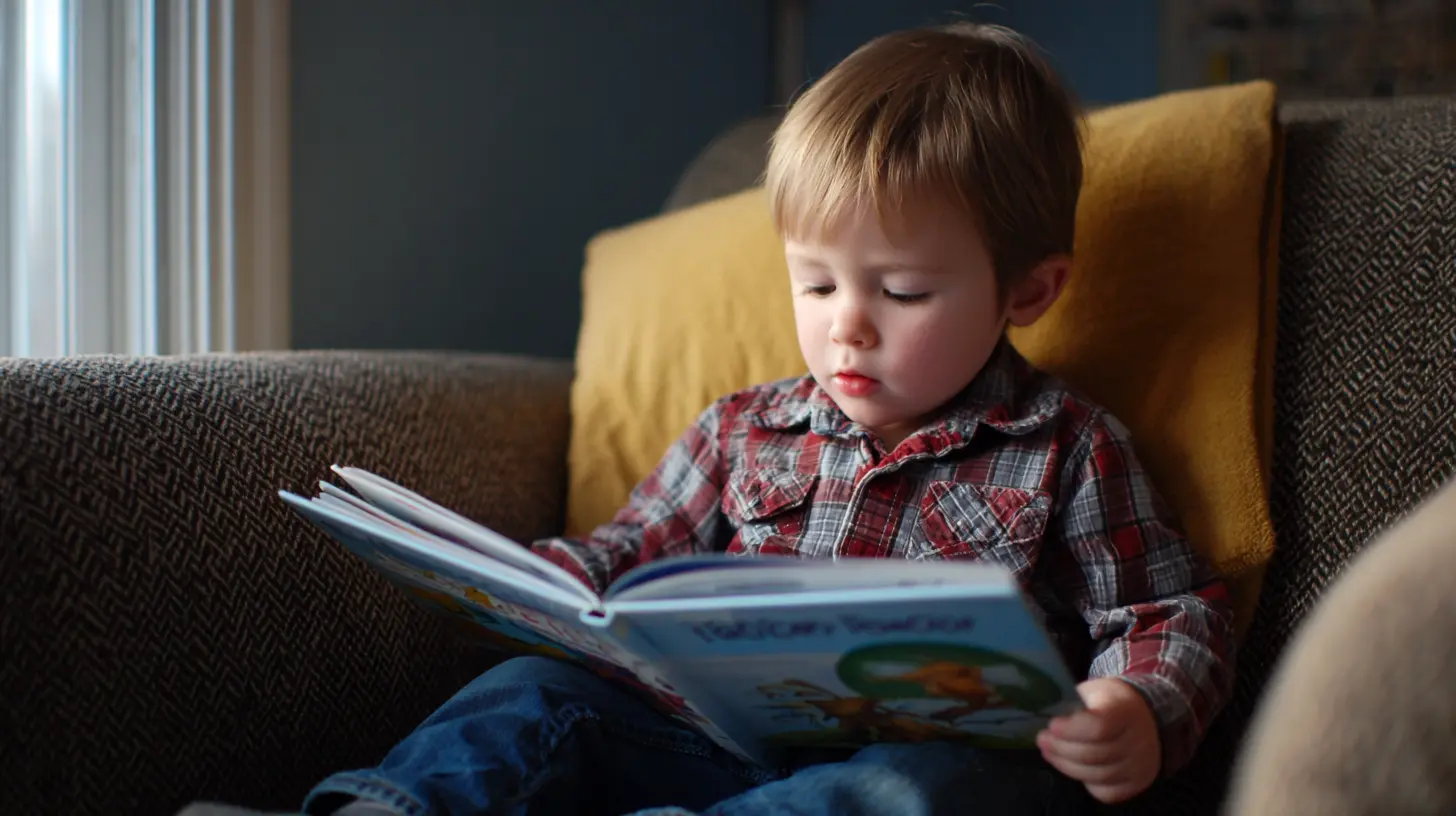
The Role of Conversation in Developing Literacy
So, where does oral language come from? Simple: conversation. Not just instructions (“put on your shoes”), but real, back-and-forth, engaging talk. When a parent or teacher takes the time to listen to a child’s wild story about an alien pet, that interaction is more than bonding—it’s brain-building.Open-Ended Questions for the Win
Asking children questions like, “What do you think will happen next?” or “Why did that character do that?” encourages them to think, speak, and stretch their language muscles.Storytelling Sparks Literacy
Encouraging kids to tell their own stories—whether real or imaginary—helps them organize thoughts, use descriptive language, and sequence events. All of which are essential for both comprehension and writing later on.Reading Aloud: The Secret Weapon
If oral language is the highway to literacy, then reading aloud is the vehicle. It’s one of the simplest yet most powerful ways to strengthen language skills.Here’s Why Reading Aloud Works:
- Introduces new vocabulary in context- Builds listening and comprehension skills
- Demonstrates sentence structure and storytelling techniques
- Encourages discussion and predictions
Don’t just read the book—talk about it. Ask questions. Pause for reactions. Let the child turn the pages, point to pictures, and chime in with repeated phrases.
Play and Oral Language: More Than Fun
Ever noticed how much kids talk during pretend play? That’s not just cute—it’s critical development. When children play “restaurant” or pretend to be superheroes, they’re practicing dialogue, creating narratives, using new vocabulary, and learning turn-taking in conversation.Dramatic Play Boosts Language
Give kids puppets, costumes, or props, and watch their imagination—and language—soar. These activities organically foster storytelling, questioning, and even problem-solving.The Role of Adults: Be a Language Model
Kids are language sponges. What they hear becomes what they use.Talk “With,” Not Just “At”
Engage children in rich conversation. Instead of just giving commands or simple labels, expand on ideas:- Child: “Look, a dog!”
- Adult: “Yes! That’s a big brown dog with curly fur. I wonder where it’s going.”
This kind of talk provides grammar, vocabulary, and curiosity—all wrapped in one.
Everyday Moments = Language Opportunities
Whether you're cooking, doing laundry, or going for a walk, there are constant chances to build oral language:- Name objects and describe them
- Count steps or sort socks
- Ask questions and encourage answers
It’s not about sit-down lessons—it’s about weaving language into life.
Challenges Some Children Face
Not all kids develop oral language at the same pace. Some may struggle due to hearing issues, developmental delays, or limited exposure to language-rich environments.Signs to Watch For:
- Limited vocabulary for their age- Difficulty following simple directions
- Trouble forming sentences
- Slurred or unclear speech
If you notice these, early intervention can make a huge difference. Speech-language pathologists and early literacy specialists can help close the gap effectively.
How Schools Can Support Oral Language and Literacy
Schools play a key role in continuing the oral language journey. Classrooms that value talk-time—not just test-time—help children flourish.Strategies That Work:
- Morning meetings where every child gets a turn to speak- Show-and-tell sessions to boost public speaking and conversation
- Group discussions and partner pairings
- Interactive read-alouds with lots of questioning
Plus, incorporating songs, rhymes, and storytelling creates a fun, low-pressure environment for language growth.
Technology and Oral Language: Friend or Foe?
We can't ignore screens. Tablets and videos are part of life now. But here’s the thing—technology isn’t the enemy if used wisely.The Key: Interaction
Passive watching won’t do much for oral language. But interactive apps and co-viewing with adults who ask questions and talk about the content? That can be helpful.So sure, let your child watch an educational video—but watch it with them, pause, ask questions, and talk about it afterward.
Final Thoughts: Let’s Keep Talking
The bridge between oral language and early literacy is real, and it's powerful. Every chat, story, and silly song builds a child’s ability to read and write later. So let’s not think of talking as separate from learning—it’s the very heart of it.From the first “mama” to imaginative tales about flying unicorns, language is learning in action. And as caregivers, educators, and grown-ups who care, we have the tools to make that bridge strong, one word at a time.
all images in this post were generated using AI tools
Category:
Early LiteracyAuthor:

Charlotte Rogers