Montessori vs. Traditional Preschool: Understanding the Differences
29 June 2025
Picking the right preschool for your child feels a lot like shopping for a pair of shoes—you want the perfect fit, something comfortable yet supportive, that allows room to grow. And just like some shoes are built for speed and others for style, preschools come in different styles too, with Montessori and traditional being the big names on the shelf.
If you’ve stumbled across this debate—Montessori vs. traditional preschool—you’re not alone. It’s a hot topic for parents, educators, and honestly, anyone who’s dipped a toe into early childhood education. But what actually makes them different? And more importantly, which one is right for your child?
Let’s dive into this comparison in an easy-to-digest, honest, and engaging way—think less academic journal, more friendly chat over coffee.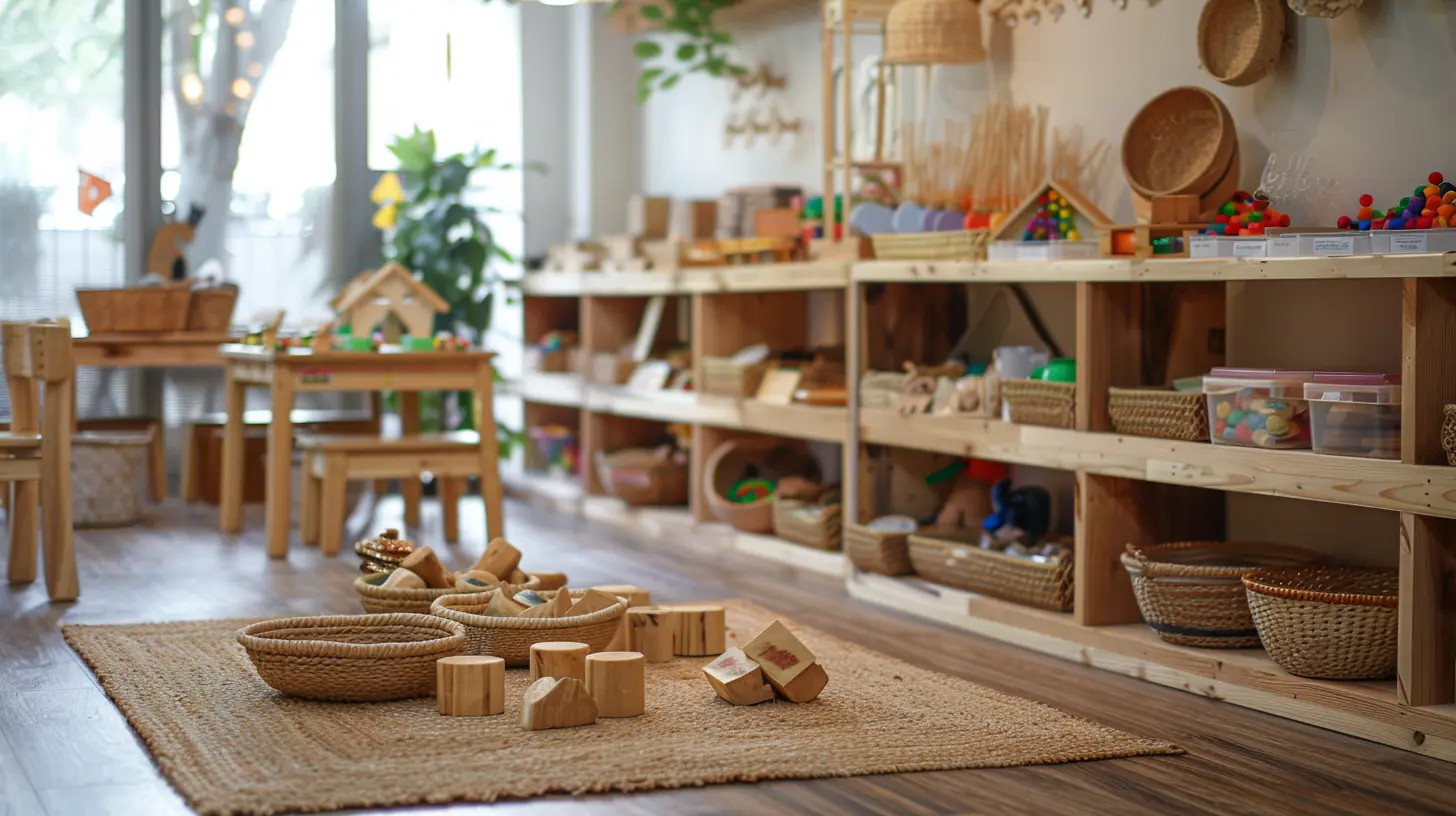
What is a Montessori Preschool?
Let’s start with the basics.A Montessori preschool is based on the educational philosophy of Dr. Maria Montessori, an Italian physician and educator. Her approach? Children learn best when they’re allowed to explore, move around freely, and follow their own curiosity.
Key Features of Montessori Preschools
- Child-led learning: Kids choose what they want to work on from a range of activities. No, it’s not chaos. It’s purposeful freedom.- Mixed-age classrooms: Typically spanning three-year age ranges, such as 3–6-year-olds learning together.
- Hands-on materials: Think wooden puzzles, beads, and real-world tools like brooms or pitchers—designed to teach through doing, not memorizing.
- Trained Montessori teachers: They guide instead of instruct. Their role is to observe, support, and gently lead children when needed.
- Emphasis on independence: Kids learn how to zip their coats, wash their hands without reminders, and even prepare their own snacks.
The Montessori Mindset
Montessori isn’t just a method; it’s a mindset.Kids are viewed as naturally curious and capable. Instead of filling their heads with facts, Montessori environments are all about setting up conditions where children can discover concepts at their own pace.
Sounds empowering, right?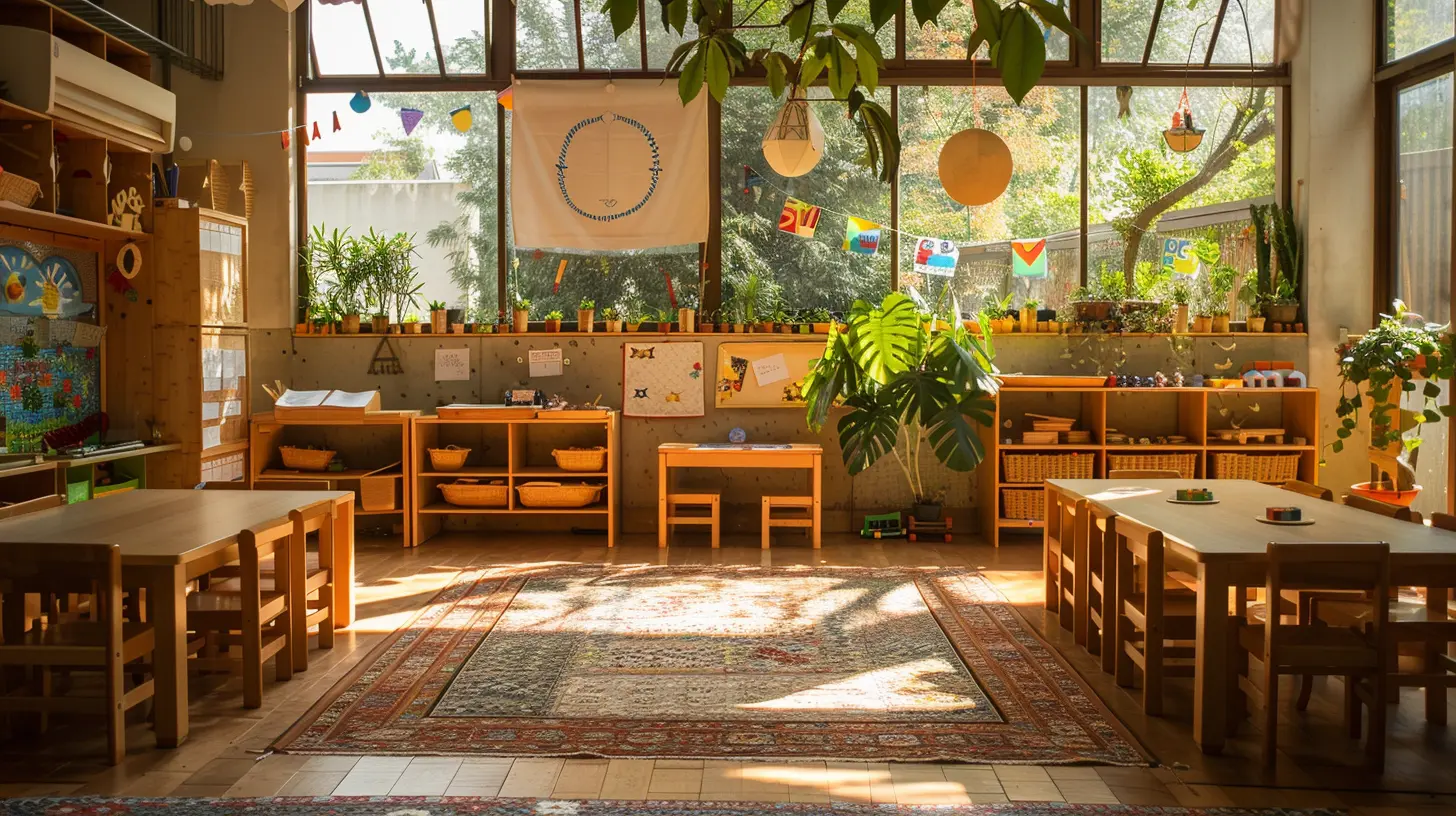
What is a Traditional Preschool?
Now flip the script.Traditional preschools are the more common type—what most people picture when they think of early childhood education. These schools often follow a clear structure, with daily schedules and teacher-directed lessons.
Key Features of Traditional Preschools
- Teacher-led instruction: The teacher decides what will be taught and when. Activities are planned ahead.- Same-age groups: Kids are usually grouped by age—3-year-olds with 3-year-olds, 4-year-olds with 4-year-olds, and so on.
- Group activities: Circle time, story time, and group crafts are the norm.
- Academic readiness: There’s more focus on preparing kids for kindergarten. Think letters, numbers, shapes, and following directions.
- Predictable routines: There’s a schedule to follow, and it doesn’t change much from day to day.
The Traditional Classroom Vibe
In a traditional preschool, structure is king. Kids learn how to follow rules, listen to instructions, and function as part of a group. For many families, this predictability is exactly what they want.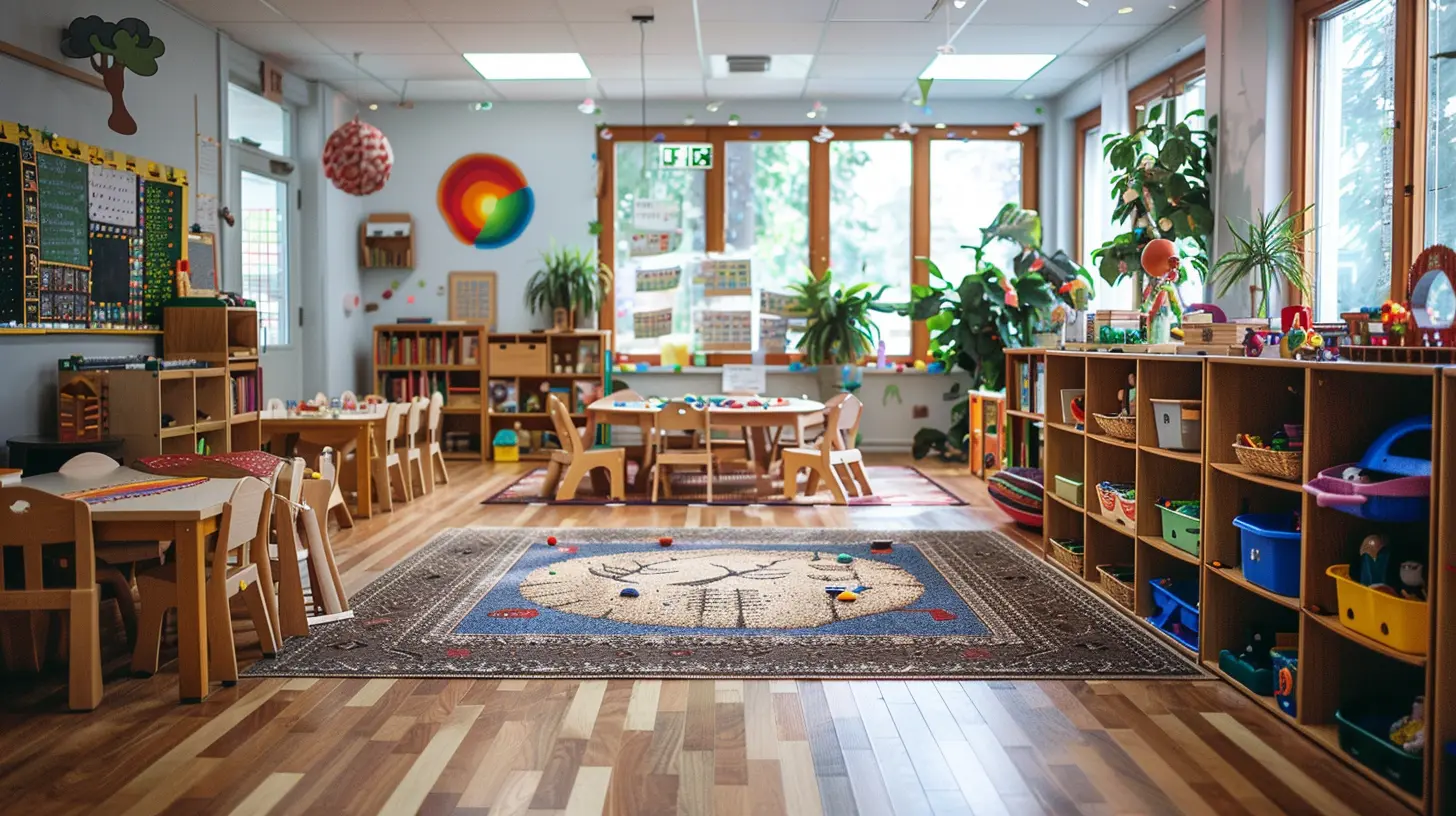
Montessori vs. Traditional Preschool: Head-to-Head Breakdown
Okay, now let’s get into the fun part—how do Montessori and traditional preschools compare in the real world?1. Learning Style
- Montessori: Self-directed. Kids pick their tasks and work on them at their own pace for long blocks of time.- Traditional: Teacher-led. Everyone works on the same task at the same time, often based on a weekly or monthly theme.
🧠 Think of Montessori as a personalized playlist, while traditional is more like a group karaoke session.
2. Curriculum
- Montessori: Tailored to the child. The curriculum is flexible and follows the interests of the kids.- Traditional: Pre-set. Teachers follow a state-approved curriculum to meet certain milestones.
📘 One is like reading a choose-your-own-adventure book. The other is reading a textbook—structured and sequential.
3. Classroom Setup
- Montessori: Calm, organized, and filled with natural materials. Everything is kid-sized and accessible.- Traditional: Bright, colorful, often theme-based, and decorated by the teacher.
🏠 Montessori looks like a mini home; traditional feels more like a mini school.
4. Role of the Teacher
- Montessori: Guide or facilitator. They step back and observe more than they instruct.- Traditional: Leader of the classroom. They introduce topics, direct activities, and keep things running smoothly.
🎭 Montessori teachers are stage managers; traditional teachers are on the stage performing.
5. Social Interaction
- Montessori: Kids interact naturally across age groups, older children often mentor younger ones.- Traditional: Social interaction usually happens among same-age peers.
👫 Montessori encourages sibling-style bonding. Traditional preschools promote peer-based connections.
6. Assessment
- Montessori: No grades or tests. Progress is observed and documented holistically.- Traditional: Uses worksheets, projects, and sometimes formal assessments to track development.
📝 Montessori tracks the journey. Traditional preschools check the destination.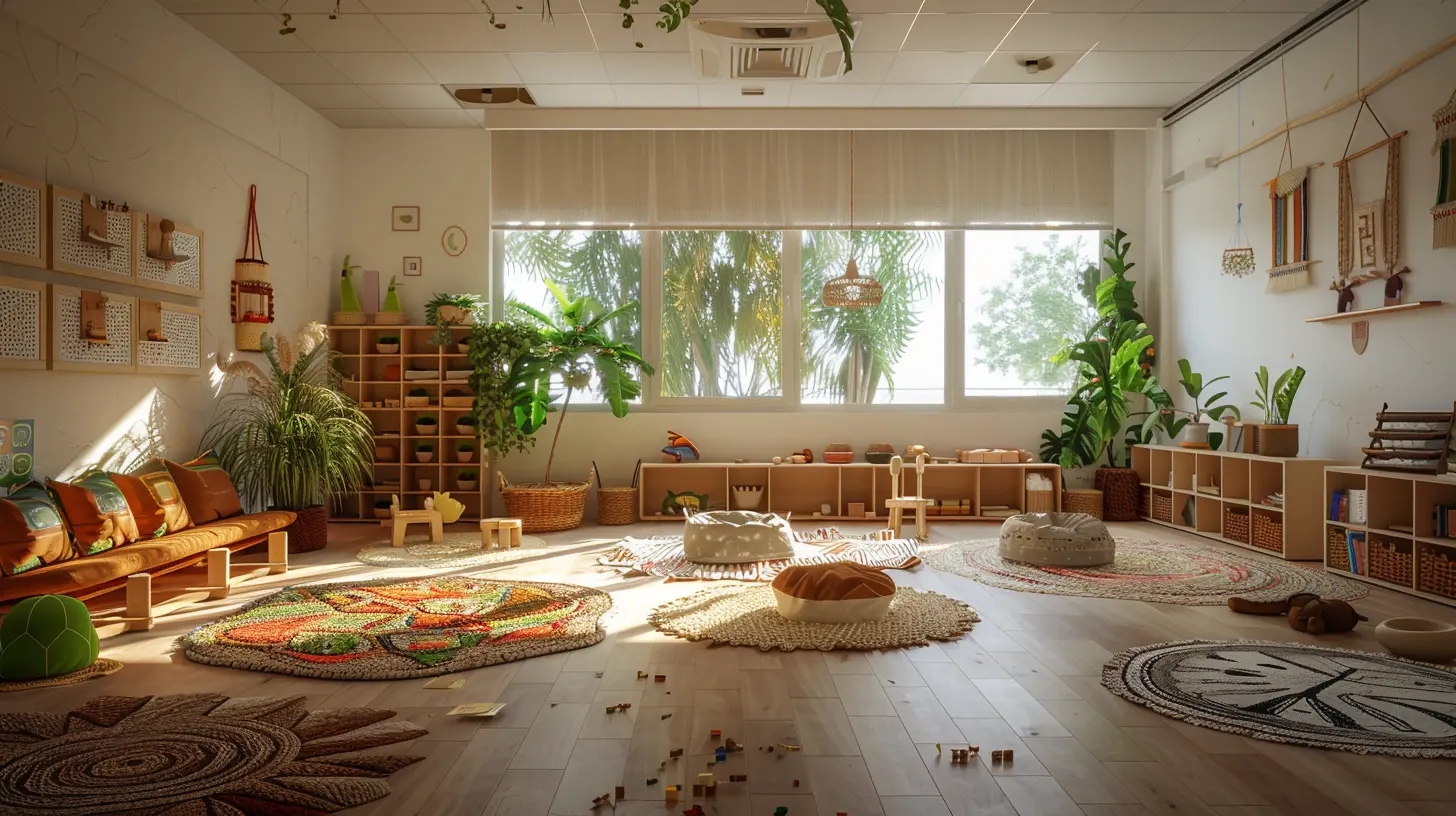
Who Thrives in Montessori?
Your child might shine in a Montessori setting if:- They’re naturally independent.
- They’re curious and love exploring on their own terms.
- They get easily overwhelmed in loud, busy environments.
- They enjoy focusing deeply on one task.
Montessori preschools allow your child to grow like a plant—gently supported with room to reach for the sun.
Who Thrives in a Traditional Preschool?
A traditional preschool might be the best fit if your child:- Likes structure and knowing what to expect.
- Enjoys group play and peer interaction.
- Needs more guidance when learning new things.
- Is preparing for a conventional school system.
Traditional preschools are great for giving kids a sneak peek into the structured school life ahead.
Montessori Myths (Busted!)
Let’s be real—Montessori has its fair share of myths. So let’s clear some things up.“Montessori is too loosey-goosey.”
Not true. Montessori classrooms are highly structured—just in a different way. The structure is in the environment and routines, not in everyone doing the same thing at the same time.“Kids do whatever they want.”
They have choices, yes—but within limits. A child chooses from developmentally appropriate activities, not just random play. There's freedom, but it’s guided freedom.“Montessori kids don’t learn math or reading.”
False again. Math, reading, and science are all covered, just in hands-on ways that make sense to young kids. Montessori students often learn basic math and reading earlier than their peers.What About Costs?
Let’s talk numbers.Montessori schools—especially authentic ones—can be pricier. That’s because they require trained staff, special materials, and lower student-teacher ratios. Traditional preschools vary widely in cost but are often more affordable, particularly if subsidized or part of a public program.
But don’t forget—education is an investment, not just another monthly bill.
What Do Parents Say?
Anecdotally, Montessori parents rave about their child’s independence, focus, and calm demeanor. They notice their kids are more self-motivated and confident.Traditional preschool parents appreciate the clear structure and group focus. They like that their kids are learning academic skills and getting used to routines.
Bottom line? Both types of preschool have passionate supporters—and with good reason.
How to Choose the Right One for Your Child
Choosing between Montessori and traditional preschool isn’t about which is “better.” It’s about which fits your child—and your family—best.Here’s a quick checklist:
- 🧒 Does your child crave independence?
- 🎨 Are they hands-on learners?
- ⏱️ Do they thrive in flexible vs. fixed routines?
- 👥 Do they do better with older/younger peers or same-age friends?
- 💰 What are your financial options?
- 🎯 What are your long-term educational goals?
Trust your instincts. Visit the schools. Watch how your child responds to each setting. Your gut often knows what’s best, long before your brain catches up.
Final Thoughts
At the end of the day, kids are resilient, curious, and incredibly adaptable. Whether you choose a Montessori preschool or a traditional one, what matters most is the love and support they get—from you, from their teachers, and from their environment.It’s not about finding the perfect school. It’s about finding the right fit for your child’s unique little personality.
So, take a deep breath. You’re doing great.
all images in this post were generated using AI tools
Category:
Early Childhood EducationAuthor:

Charlotte Rogers
Discussion
rate this article
12 comments
Mika McQuillan
Ah yes, because who wouldn’t want to choose between child-led exploration and nap time on tiny cots? Tough decision, folks – let the games begin!
February 8, 2026 at 8:54 PM
Charlotte Rogers
I appreciate your humor! Both approaches have unique benefits, and it's all about finding what works best for each child.
Niva Benton
This article succinctly highlights key differences between Montessori and traditional preschool approaches. It's essential for parents to understand these methods to choose the best fit for their child's development.
December 25, 2025 at 9:39 PM
Charlotte Rogers
Thank you for your insightful comment! Understanding these differences is indeed crucial for parents to make informed choices about their child's education.
Lisette Bennett
Great insights! Understanding these differences aids informed preschool choices for families.
November 22, 2025 at 1:16 PM
Charlotte Rogers
Thank you! I'm glad you found the insights valuable for making informed preschool choices.
Annette Torres
Choosing between Montessori and Traditional? It's like picking between ice cream flavors—both are deliciously unique!
October 23, 2025 at 2:45 AM
Charlotte Rogers
Great analogy! Each approach offers unique benefits that cater to different learning styles.
Laila Reilly
Montessori: Where kids play with blocks while traditional preschool counts crayons—both end with finger paint!
September 23, 2025 at 11:34 AM
Charlotte Rogers
While both Montessori and traditional preschools incorporate playful learning, Montessori emphasizes self-directed exploration and practical life skills, fostering independence in ways that differ from the more structured activities of traditional settings.
Amy Sweeney
In exploring Montessori versus traditional preschool, we uncover not just educational styles, but philosophies of childhood itself—shaping how we view learning, autonomy, and the essence of nurturing curious minds in a complex world.
August 19, 2025 at 7:13 PM
Charlotte Rogers
Thank you for highlighting the deeper implications of educational philosophies! Understanding these differences truly shapes our approach to fostering curiosity and autonomy in early childhood education.
Galina McIntosh
Great insights on Montessori and traditional preschool! Understanding the differences helps parents make informed choices. Both approaches have unique benefits—it's all about finding the right fit for each child.
July 26, 2025 at 8:50 PM
Charlotte Rogers
Thank you! I'm glad you found the insights helpful. Choosing the right preschool is crucial, and understanding these differences is a key step for parents.
Jade McTiernan
Embrace the joy of discovery! Montessori fosters creativity, making learning a delightful adventure for kids!
July 13, 2025 at 10:32 AM
Charlotte Rogers
Thank you! Montessori truly transforms learning into an exciting journey that inspires creativity and exploration in children.
Lily Hall
This article provides a clear comparison between Montessori and traditional preschool approaches. It highlights the key differences in teaching methods and learning environments, helping parents make informed choices for their children's early education. A valuable read for anyone navigating preschool options!
July 12, 2025 at 4:58 AM
Charlotte Rogers
Thank you for your feedback! I'm glad you found the article helpful in understanding the differences between Montessori and traditional preschool approaches.
Charlotte Montgomery
Thank you for this insightful exploration of Montessori and traditional preschool approaches. It's intriguing to see how each method caters to different learning styles and developmental needs. This article will surely help parents make informed decisions about their children's early education.
July 11, 2025 at 8:28 PM
Charlotte Rogers
Thank you for your thoughtful comment! I'm glad you found the article helpful in understanding the differences between Montessori and traditional preschool approaches.
Faelan O'Brien
Why did the Montessori kid bring a ladder to preschool? To reach new heights of learning! Whether stacking blocks or crayons, both styles sure know how to play!
July 10, 2025 at 7:40 PM
Charlotte Rogers
That's a clever way to highlight the Montessori approach! It emphasizes self-directed learning and creativity, which can truly help children reach new heights. Thanks for sharing!
Dakota McCarthy
Choosing between Montessori and traditional preschool feels like picking between pizza toppings—both are great, but one might give you extra toppings!
June 30, 2025 at 8:44 PM
Charlotte Rogers
Great analogy! Each approach offers unique benefits, so it really depends on what you value most for your child's early learning experience.
MORE POSTS
Mindfulness and Play: Learning Through Calm and Focused Fun

The Power of Questions: Engaging Your Child During Storytime
Encouraging Mindfulness During Recess and Breaks

Empowering Girls in Tech: Coding Initiatives for Young Women in Schools
Continuing Education: A Path to Personal Growth

The Science of Early Brain Development: Key Insights for Parents
Supporting Emotional Regulation Through Montessori Practices

How to Design Effective Lesson Plans for Formative Assessment