Learning Beyond the Classroom: The Importance of Experiential Education
17 August 2025
Education isn’t just about textbooks, lectures, and exams. While traditional learning has its place, real-world experiences often teach us the most valuable lessons. That’s where experiential education comes in. It bridges the gap between theory and practice, transforming knowledge into something tangible and meaningful.
Think back to your most memorable learning experiences. Chances are, they didn’t come from sitting in a classroom staring at a whiteboard. Maybe it was a school trip, a hands-on project, or even a personal challenge that pushed you beyond your comfort zone. That’s the power of experiential education—it engages, excites, and empowers. But why is it so important, and how can we integrate it more effectively into learning? Let’s dive in.

What is Experiential Education?
Experiential education isn’t a new concept. At its core, it means learning through direct experience. Instead of passively absorbing information, students participate in activities that require critical thinking, problem-solving, and real-world application.This can take many forms, such as:
- Internships & Apprenticeships – Learning skills in a real job setting.
- Service Learning – Applying classroom knowledge through community service.
- Outdoor Education – Using nature as a classroom to teach leadership and teamwork.
- Project-Based Learning – Tackling real-world problems with hands-on solutions.
- Study Abroad Programs – Exploring different cultures to gain global perspectives.
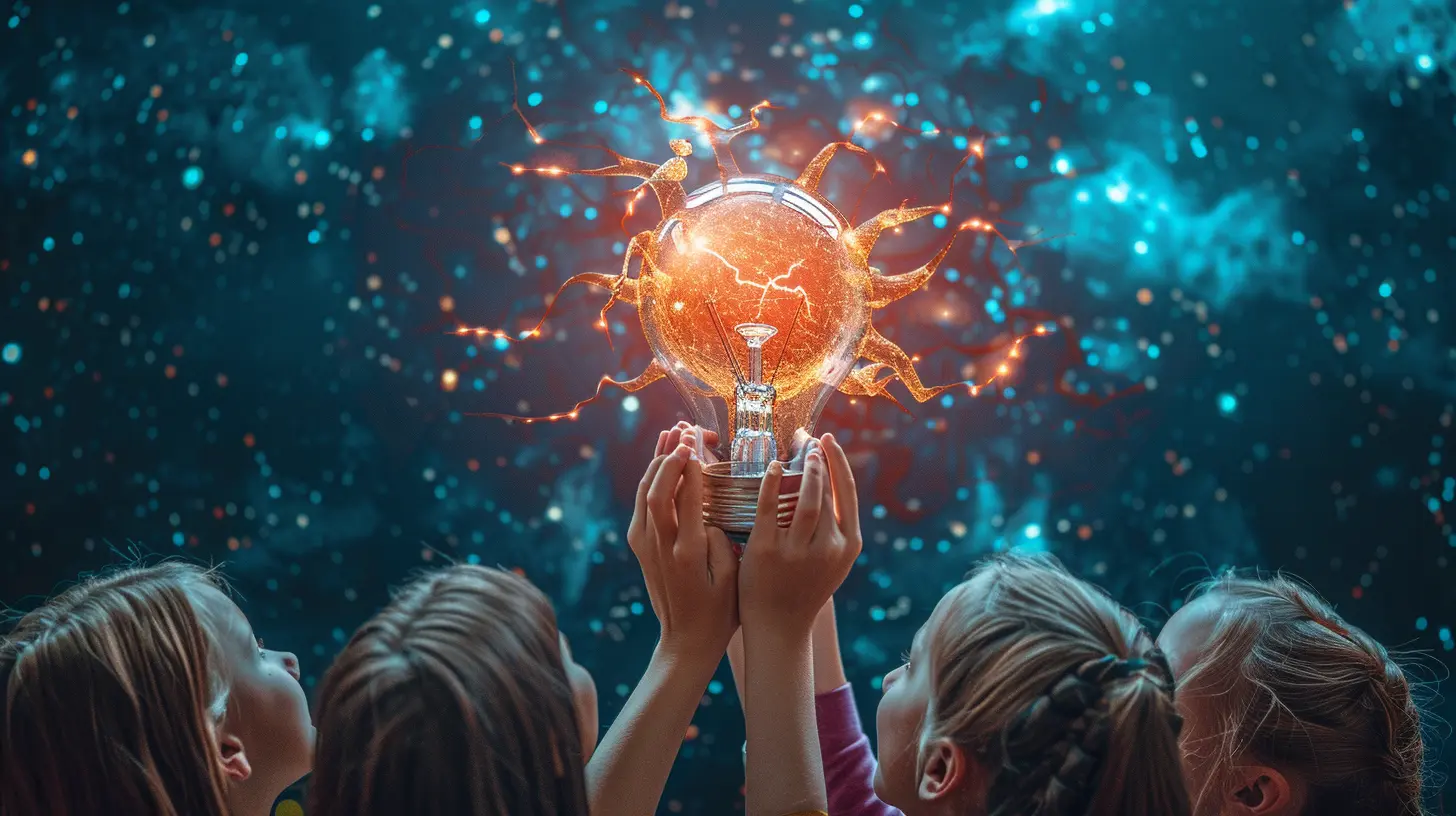
At its heart, experiential learning follows a simple but effective cycle: Experience → Reflect → Learn → Apply. This cycle ensures that students don’t just go through the motions—they actually absorb and internalize what they’ve learned.
Why Traditional Learning Falls Short
Let’s be honest—memorizing facts for a test doesn’t guarantee true understanding. Many students forget information soon after the exam because they never really connected with it. Traditional education often prioritizes rote learning, meaning students may know "what" but struggle with "how" and "why."Imagine trying to learn how to swim by reading about it. You could study every stroke, breathing technique, and safety rule, but the moment you hit the water, you’d be lost without practice. That’s exactly what happens when education leans too much on theory and too little on experience.

The Benefits of Experiential Education
1. Boosts Engagement and Motivation
Let’s face it—learning by doing is just more fun. When students actively participate, they’re more likely to stay focused and motivated. Whether it’s conducting a science experiment or working on a real-world business project, hands-on experiences spark curiosity and make learning exciting.2. Develops Critical Thinking and Problem-Solving Skills
Experiential education forces students to think on their feet. Real-world scenarios don’t come with answer keys, which means students have to analyze situations, weigh their options, and make decisions—just like they would in real life. This builds decision-making skills and the ability to adapt, which are crucial for success.3. Encourages Collaboration and Communication
Many experiential learning activities involve teamwork. Whether working on a project, engaging in group discussions, or navigating challenges together, students learn valuable communication and collaboration skills that will serve them well in any career.4. Bridges the Gap Between Theory and Practice
There’s a huge difference between knowing something and actually applying it. Experiential education makes learning relevant by showing students how their knowledge fits into the real world. This deepens understanding and makes information stick.5. Builds Confidence and Independence
Nothing boosts confidence like successfully completing a real-world challenge. Experiential learning pushes students to step outside their comfort zones and take responsibility for their own learning. This fosters independence, resilience, and self-reliance.6. Enhances Retention and Long-Term Learning
Research shows that people remember 90% of what they do, compared to just 10% of what they read. Hands-on experiences create emotional and sensory connections to learning, making it stick for the long haul.
The Role of Technology in Experiential Learning
With advancements in technology, experiential education is more accessible than ever. Virtual reality (VR), simulations, and online collaborative tools allow students to engage in immersive experiences without leaving the classroom.- Virtual Labs let students conduct experiments without expensive equipment.
- VR Field Trips transport learners to historical sites, museums, or even space.
- Augmented Reality (AR) enhances understanding by adding interactive digital elements to learning materials.
Technology doesn’t replace real-world experiences, but it enhances them, making learning more engaging and dynamic.
How Schools and Universities Can Implement Experiential Education
1. Encourage Project-Based Learning
Instead of just assigning papers and tests, educators can integrate real-world projects that challenge students to apply their knowledge. This could include designing marketing campaigns, launching community initiatives, or even developing apps and products.2. Partner with Local Businesses and Organizations
Internships, mentorship programs, and apprenticeships allow students to gain hands-on experience in their chosen fields. Schools should collaborate with businesses to provide opportunities for real-world learning.3. Incorporate Field Trips and Outdoor Learning
Learning shouldn’t be confined to four walls. Taking students outside the classroom—whether to a science lab, historical site, or natural setting—makes lessons more interactive and memorable.4. Use Role-Playing and Simulations
Mock trials, business simulations, and role-playing exercises help students develop real-world skills in a controlled environment. This way, they can practice decision-making and problem-solving without fearing failure.5. Integrate Reflection and Discussion
Experience alone isn’t enough—students need to reflect on what they’ve learned. Journaling, group discussions, and presentations help them connect their experiences to their academic knowledge.
The Future of Learning: A Shift Towards Experience
The world is changing, and education needs to keep up. Employers no longer just look for people who can recite facts—they want critical thinkers, problem solvers, and innovators. Experiential education equips students with the skills they need to navigate an unpredictable future.It’s time to rethink how we approach learning. More hands-on experiences, fewer memorization drills. More real-world applications, fewer outdated methods. When students engage with knowledge in a meaningful way, they don’t just learn—they thrive.
So, whether you’re an educator, student, or parent, ask yourself: How can we make learning more experiential? Because the best lessons aren’t found in textbooks—they’re lived.
all images in this post were generated using AI tools
Category:
Adult EducationAuthor:

Charlotte Rogers
Discussion
rate this article
12 comments
Ember Fields
Experiential education unlocks the world beyond textbooks, fostering curiosity and real-life skills. Embrace every opportunity to learn through experience, as it cultivates resilience, creativity, and a lifelong love for knowledge. Let your journey of discovery begin!
February 17, 2026 at 8:36 PM
Charlotte Rogers
Thank you for highlighting the transformative power of experiential education! It truly enriches learning and equips students with essential skills for life.
Sarina Wilcox
What a refreshing perspective! Experiential education truly enriches learning by connecting theory with real-world experiences. It’s all about those moments outside the classroom that spark curiosity and creativity. We need more opportunities that encourage students to explore, engage, and apply their knowledge in meaningful ways. Here’s to learning beyond four walls!
January 8, 2026 at 5:15 AM
Charlotte Rogers
Thank you for your insightful comment! I completely agree—experiential education is essential for fostering curiosity and creativity in meaningful ways. Here’s to expanding learning opportunities beyond the classroom!
Luma Harris
Why let classrooms have all the fun? Experiential education is like adding sprinkles to a cupcake! It transforms boring lessons into tasty adventures, where learning has no bounds. Let’s trade textbooks for nature hikes and science experiments in our kitchens—who’s ready to mix it up?!" 🍰🌍✨
November 27, 2025 at 7:35 PM
Charlotte Rogers
Absolutely! Experiential education ignites curiosity and makes learning memorable. Let’s embrace those adventures! 🍃🔬
Joanna McGeehan
Experiential education enriches learning by bridging theory and practice, fostering critical thinking and real-world skills. It empowers students to engage actively, promoting deeper understanding and personal growth.
October 30, 2025 at 3:57 AM
Charlotte Rogers
Thank you for your insightful comment! I completely agree that experiential education is essential for deepening understanding and fostering essential skills in students. It truly transforms learning into a more engaging and impactful experience.
Stella Parker
This article beautifully highlights the value of experiential education. It’s inspiring to see how learning beyond traditional settings can foster deeper understanding and personal growth. I wholeheartedly believe that real-world experiences are essential for developing critical skills and nurturing a lifelong love for learning. Thank you for sharing!
October 4, 2025 at 7:29 PM
Charlotte Rogers
Thank you for your insightful comment! I'm glad you found the article inspiring and agree on the importance of real-world experiences in education.
Thalia Middleton
Experiential education truly enriches learning by bridging theory and practice. It fosters critical thinking and real-world skills that traditional classrooms often overlook. By engaging students in hands-on experiences, we empower them to apply knowledge creatively and collaboratively. This approach not only enhances understanding but also cultivates lifelong learners.
August 31, 2025 at 11:52 AM
Charlotte Rogers
Thank you for your insightful comment! I completely agree that experiential education is key to empowering students and fostering a deeper understanding of their knowledge through practical application.
Edward Heath
Experiential education bridges theory and practice, fostering deeper understanding and critical thinking. Engaging with real-world experiences enriches learning and personal growth immensely.
August 24, 2025 at 3:59 AM
Charlotte Rogers
Thank you for your thoughtful comment! I completely agree that experiential education plays a crucial role in deepening understanding and enhancing personal growth through real-world engagement.
Aurelia Dorsey
Experiential education transforms learning into adventure, empowering students to explore, innovate, and grow. Let's ignite curiosity beyond classroom walls and unlock their full potential!
August 22, 2025 at 10:44 AM
Charlotte Rogers
Thank you for your insightful comment! I completely agree—experiential education not only engages students but also fosters a deeper understanding of the world around them. Let's continue to champion these transformative experiences!
Eden Gilbert
Great insights on fostering real-world learning experiences!
August 21, 2025 at 4:54 AM
Charlotte Rogers
Thank you! I'm glad you found the insights valuable. Engaging with real-world experiences is essential for true learning!
Bailey McGuire
Experiential education enhances real-world understanding significantly.
August 20, 2025 at 2:36 AM
Charlotte Rogers
Absolutely! Experiential education bridges theory and practice, allowing students to apply knowledge in real-world contexts, which deepens understanding and fosters critical skills.
Shiloh Kim
Experiential education transforms theory into practice, igniting curiosity and fostering real-world skills. It’s not just about what students learn, but how they engage with the world outside classroom walls. Let's champion hands-on experiences that empower critical thinking and creativity, shaping well-rounded individuals ready to tackle life's challenges.
August 19, 2025 at 7:13 PM
Charlotte Rogers
Thank you for your insightful comment! I completely agree that experiential education is essential for developing practical skills and fostering creativity in students, preparing them for real-world challenges.
Fatima Snow
This article effectively highlights the value of experiential education in enriching learning. Hands-on experiences can deepen understanding and engagement, preparing students for real-world challenges beyond traditional classroom settings.
August 18, 2025 at 4:18 AM
Charlotte Rogers
Thank you for your insightful comment! I’m glad to hear that the article resonated with you and highlighted the significance of experiential education in enhancing learning and real-world preparedness.
MORE POSTS
Exploring the World of Nonfiction: Introducing Early Readers to Informational Texts

How Montessori Education Fosters Creativity and Critical Thinking

Building a Growth Mindset in Your Students: Practical Techniques

How to Use Music to Teach Critical Thinking Skills

Leveraging Past Mistakes to Improve Future Study Sessions

The Intersection of Math and Coding: How These Skills Complement Each Other

The Role of Self-Assessment in Improving Study Habits

The Benefits of Reading Together: Strengthening Bonds and Literacy