How Project-Based Learning Prepares Students for the Workforce
19 April 2026
Have you ever wondered why so many students graduate from school only to feel completely unprepared for the real world? Traditional education systems often focus on memorization, standardized testing, and theoretical knowledge rather than practical skills. But what if education could be different—more hands-on, engaging, and aligned with real-world challenges? That’s where Project-Based Learning (PBL) comes in.
PBL isn’t just another teaching method; it’s a game-changer. It transforms students into critical thinkers, problem solvers, and real-world professionals before they even step into the workforce. Sounds promising, right? Let’s dive into how PBL equips students with the skills and experience needed to thrive in today’s workplace.
What is Project-Based Learning (PBL)?
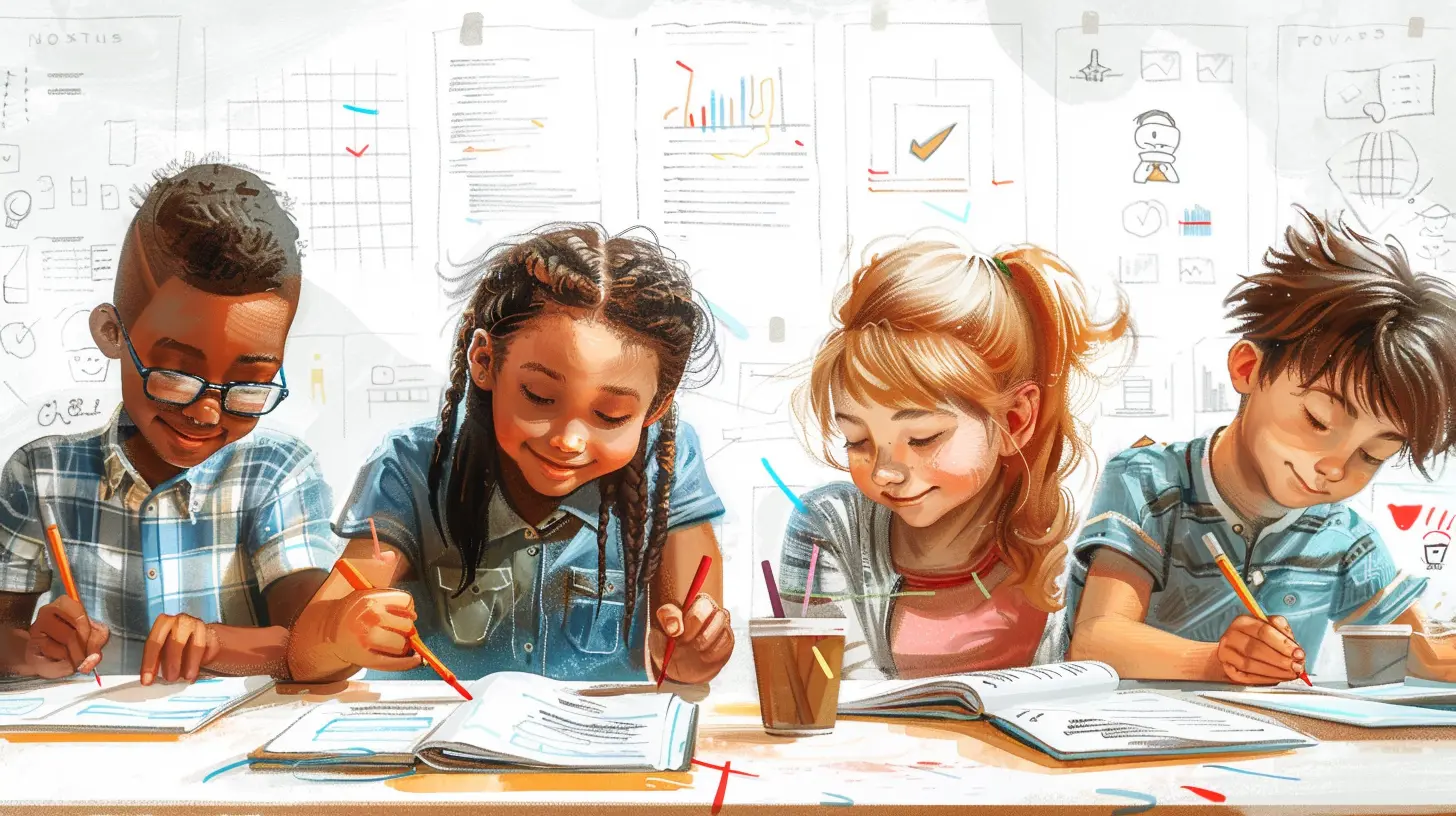
At its core, Project-Based Learning is a student-centered teaching approach where learners actively explore real-world problems and challenges over an extended period. Instead of passively absorbing information, students work on meaningful projects that encourage collaboration, creativity, and critical thinking.Think of it this way: Instead of students reading about bridges in a textbook, they actually design, build, and test a bridge, applying concepts from physics, geometry, and engineering. The result? A deeper understanding of the subject and practical skills they can use in the workforce.
How PBL Mirrors the Real-World Workplace
One of the biggest criticisms of traditional education is that it doesn’t mimic real-world work environments. But PBL does. Here’s how:1. Encourages Teamwork and Collaboration
In almost any career, working with others is essential. In PBL, students work in teams to solve problems, just like they would in a professional setting. They learn to divide tasks, resolve conflicts, communicate effectively, and rely on each other’s strengths.Imagine a software development team creating an app. The coders write the code, the designers focus on the user interface, and the project manager ensures deadlines are met. PBL instills these fundamental teamwork skills long before students enter the workforce.
2. Develops Critical Thinking and Problem-Solving Skills
Companies thrive on employees who can think critically and solve complex problems without needing step-by-step instructions. PBL challenges students to analyze situations, think outside the box, and develop innovative solutions.For example, a PBL project might require students to propose a sustainable solution for reducing plastic waste in their community. They must research, brainstorm, develop a plan, and implement it—all key skills needed in any industry.
3. Enhances Communication and Presentation Skills
In a professional setting, being able to clearly express ideas is crucial. Whether it’s pitching a project, leading a meeting, or writing a proposal, strong communication skills are a must-have.PBL requires students to regularly present their findings, explain their reasoning, and defend their ideas—all while engaging their audience. This mirrors workplace interactions where professionals communicate with colleagues, supervisors, and clients daily.
4. Teaches Time Management and Responsibility
Unlike traditional classrooms where teachers set rigid deadlines and schedules, PBL gives students more autonomy over their projects. This means students must plan their work, set priorities, and meet deadlines without constant supervision.This kind of self-regulation closely resembles professional environments where employees must manage multiple tasks, balance deadlines, and take responsibility for their success. Learning these skills early gives students a significant advantage in the workforce.
5. Creates a Growth Mindset and Resilience
In the workforce, failure is inevitable at some point. What matters is how individuals learn from mistakes and improve. PBL fosters a growth mindset, encouraging students to see failures as learning opportunities rather than setbacks.Let’s say a student group fails to design a working wind turbine. Instead of giving up, they analyze what went wrong, make adjustments, and try again. This resilience is exactly what employers look for—employees who adapt, learn, and improve over time.

PBL and Career Readiness: The Perfect Match
Employers today aren’t just looking for candidates with degrees; they want practical skills, adaptability, and problem-solving abilities. PBL equips students with these attributes, making them more attractive to potential employers. But how does it specifically prepare students for different career paths?1. STEM Careers (Science, Technology, Engineering, and Math)
PBL is especially effective in STEM education, where problem-solving and hands-on learning are vital. Students engage in projects like:- Building robots that solve real-world problems
- Developing mobile apps to address community needs
- Conducting real scientific research rather than just reading about experiments
These hands-on experiences prepare students for careers in engineering, computer science, biotechnology, and more.
2. Business and Entrepreneurship
In business and entrepreneurship, innovation and strategic thinking are key. PBL helps students develop these skills through activities like:- Creating business plans and pitching ideas to investors
- Managing budgets for real-world projects
- Working on marketing campaigns for actual products
This gives students real-world experience in business strategy, finance, and leadership, preparing them for careers in marketing, management, and entrepreneurship.
3. Healthcare and Medical Fields
The healthcare industry values professionals who can think critically, work under pressure, and solve problems on the spot. PBL helps students learn through:- Medical case studies that require diagnosis and problem-solving
- Simulated patient interactions to develop bedside manner and communication
- Hands-on lab experiments that mirror laboratory research in the medical field
These experiences give students a significant edge when pursuing careers in nursing, medicine, and biomedical research.
4. Creative Industries (Design, Media, and Arts)
Creativity thrives in hands-on environments. PBL allows students to sharpen their creativity through projects such as:- Filming and editing short films to tell compelling stories
- Designing marketing campaigns for local businesses
- Developing video games from scratch
This kind of work prepares students for careers in graphic design, filmmaking, animation, and content creation—fields where hands-on experience is invaluable.

The Future of Education: More PBL, Less Memorization
The traditional education system is slowly shifting towards more project-based learning—and for good reason. The modern workforce demands employees who can think independently, collaborate, and innovate. Memorizing facts and passing standardized tests just isn’t enough anymore.By integrating real-world challenges into the classroom, PBL ensures students graduate with not only theoretical knowledge but also practical skills, confidence, and adaptability—qualities every employer values.
So, the next time you hear about a school adopting Project-Based Learning, know that it’s not just a trendy buzzword—it’s a revolutionary approach to preparing students for the workforce.
all images in this post were generated using AI tools
Category:
Project Based LearningAuthor:

Charlotte Rogers
Discussion
rate this article
4 comments
Raina Smith
This article effectively highlights the vital role of project-based learning in equipping students with practical skills needed in today’s workforce. By fostering collaboration, critical thinking, and real-world problem-solving, PBL enhances student readiness for future careers and promotes lifelong learning.
July 26, 2026 at 2:34 AM
Charlotte Rogers
Thank you for your feedback! I'm glad you found the article highlights the importance of project-based learning in preparing students for the workforce. Your insights on collaboration and real-world problem-solving are spot on!
Rory Harper
Project-based learning empowers students with practical skills, fostering collaboration and critical thinking for future success!
May 11, 2026 at 10:35 AM
Charlotte Rogers
Absolutely! Project-based learning equips students with essential skills like collaboration and critical thinking, which are vital for success in the workforce.
Ember McVaney
Essential skills for real-world success.
April 27, 2026 at 3:31 AM
Charlotte Rogers
Absolutely! Project-based learning equips students with critical skills like teamwork, problem-solving, and adaptability, all of which are essential for success in the workforce.
Runeveil Frank
Empowering students for real-world success—great insights!
April 19, 2026 at 3:01 AM
Charlotte Rogers
Thank you! I'm glad you found the insights valuable. Project-based learning truly equips students with essential skills for real-world success!