How Mindfulness Helps Students Manage Anxiety and Stress
2 October 2025
Okay, let’s be real for a second. Between waking up at an ungodly hour, surviving never-ending Zoom calls (or actual classes for that matter), pulling all-nighters, and trying to look socially alive on Instagram—students have it rough. Like seriously, when did school become a full-time job with overtime and no paycheck?
Welcome to the 21st-century academic circus, where anxiety and stress have taken center stage and everyone's trying to juggle mental health like it's an elective. But hang on—what if I told you there’s a secret weapon? Nope, not caffeine (though that’s a close second). It's called mindfulness, and it's not just for Buddhist monks or yoga influencers with avocado smoothies.
Let’s dive into how mindfulness helps students manage anxiety and stress without falling asleep halfway through the explanation (you’re welcome).
Wait, What Even Is Mindfulness?
Alright, before we go preaching how mindfulness is the cure to all student problems (spoiler alert: it's not, but it's close), let’s define it.Mindfulness is basically paying attention… on purpose. Sounds strange? It’s like being the nosy neighbor of your own brain—observing every little thought, feeling, and sensation without being super annoying about it.
Imagine your mind is a browser with 34 tabs open. Mindfulness helps you close the junk and focus on the important one—like the tab you need to finish that essay you’ve been ignoring for three days.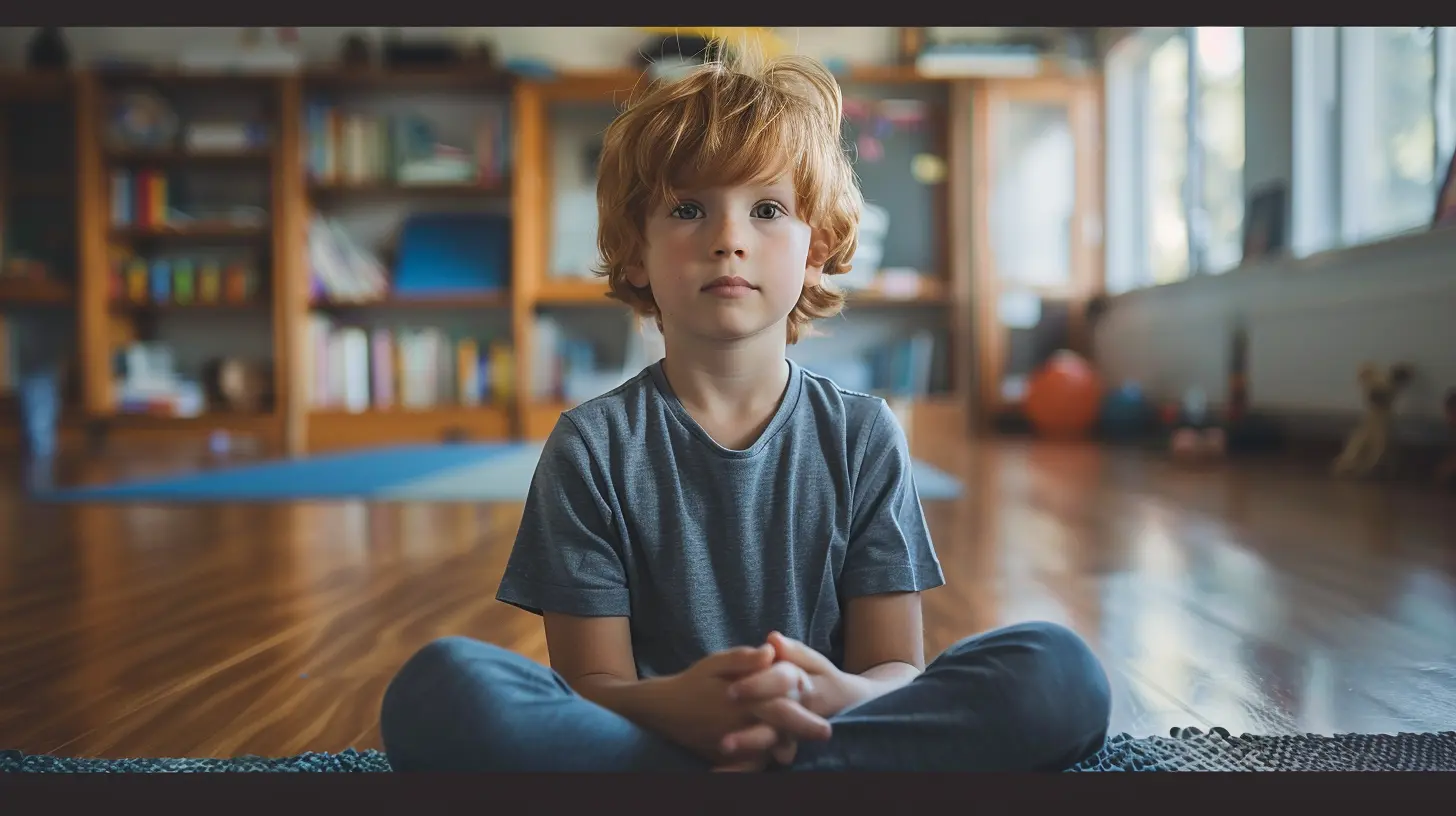
The Glorious Trainwreck Called Student Life
Let’s break it down: Exams, deadlines, lectures, presentations, group projects with that one slacker who disappears for weeks—yep, student life is a whole buffet of stress.And just when you think you’re done, BOOM—add family drama, financial stress, poor sleep habits, and the pressure to keep your story “aesthetic” on social media. It’s like life handed students a stress starter pack and said, “Have fun!”
Here’s where anxiety and stress sneak in like uninvited guests at a party. You feel overwhelmed, your brain goes into overdrive, and suddenly binge-watching three seasons of a show in one night seems more doable than your actual to-do list.
But here comes mindfulness, trotting along like a wise, unbothered llama ready to spit in stress’s face.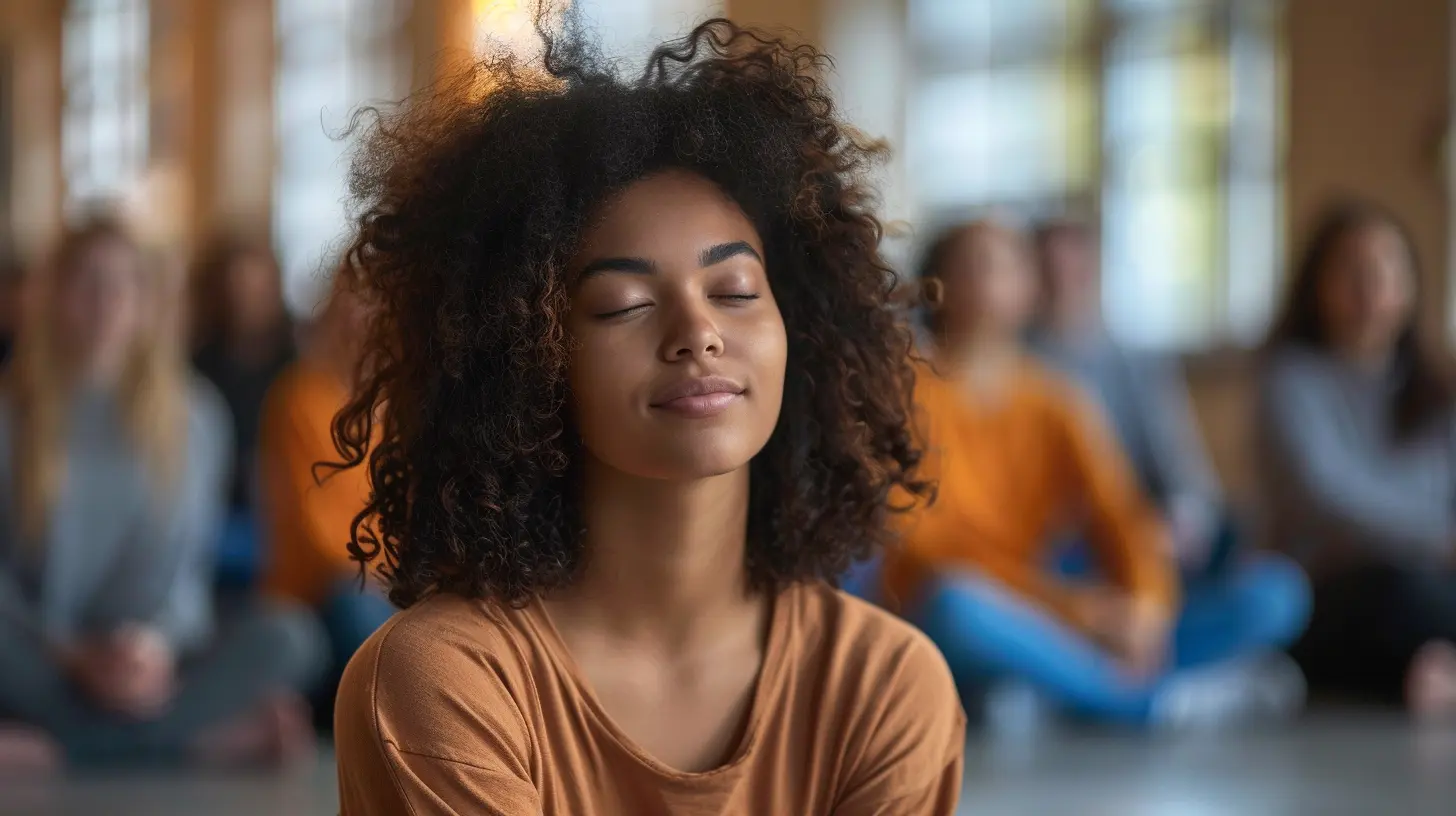
The Science-y Stuff (Don’t Worry, We’ll Keep It Fun)
Believe it or not, mindfulness isn’t just some woo-woo nonsense. Scientists are actually obsessed with it—there are more studies on mindfulness these days than there are flavors of chips.✅ Reduces Cortisol Levels: Cortisol is the stress hormone, the villain in this story. Mindfulness helps lower it like a good plot twist.
✅ Improves Brain Function: Regular practice thickens the prefrontal cortex (the smarty-pants part of your brain) and chills out the amygdala (your panic button). Translation: better focus, less freakout.
✅ Enhances Emotional Regulation: You won’t turn into a robot, but suddenly that annoying classmate doesn’t make you want to scream into your pillow. As often.
So yeah, your brain loves mindfulness. It’s like mental yoga. No downward dog required.
How Mindfulness Actually Helps Students (Without Magic Wands)
1. Calms Down the Mental Earthquakes
Ever felt so anxious it felt like your brain was tap-dancing in steel-toe boots? Mindfulness helps you notice these feelings early. Instead of spiraling into “I’m a failure and everything is doomed,” you go, “Hmm, I’m anxious. Let’s breathe.”It’s like installing an emotional fire alarm—catch the sparks before your mind becomes a four-alarm blaze.
2. Improves Focus (So You Might Actually Finish That Essay)
You know when you read the same sentence in a textbook 12 times and still have no clue what it says? Been there. Mindfulness trains your brain to stay focused on the task at hand.Mindful breathing, body scans, or even five-minutes-a-day meditations increase your attention span. And no, it doesn’t require sitting cross-legged by a waterfall chanting “om.”
3. Boosts Self-Awareness (A.K.A. Catching Yourself Before You Spiral)
Mindfulness helps you recognize when you’re starting to panic about that exam three weeks away. You learn to say, “Brain, we are NOT doing this doom-scroll again,” and instead, redirect your thoughts.It’s basically an internal life coach who doesn’t demand $200 per session.
4. Sleep Like a Normal Human Being (Finally!)
College students and high schoolers have the worst sleep cycles known to mankind. Mindfulness, especially before bed, helps reduce rumination (a fancy word for overthinking everything ever).Many apps now have guided meditations to help you sleep. So next time you’re tossing and turning at 2 a.m., try that instead of scrolling TikTok for the 57th time.
Practical Ways to Practice Mindfulness (Without Selling Your Soul)
Okay, okay, so now you’re sold on mindfulness. But how do you do it without going full Zen master? Glad you asked.🎧 Mindful Breathing
This is the gateway drug. All you do is breathe. Yeah, that thing you’ve been doing your whole life.Try inhaling for 4 seconds, holding for 7, and exhaling for 8. Repeat. Congrats, you’re now meditating.
🧘 Body Scan Meditation
No, you don’t need a fancy mat or incense. Just lie down, close your eyes, and move your focus from your toes all the way to your head. Notice the tension. Let it go. Like Elsa.✍️ Journaling (Mindful Style)
Spend five minutes a day writing what you’re feeling—without editing or judging. It’s like venting to your diary who won’t ghost you.🧼 Mindful Showering (Yes, Seriously)
Instead of planning your entire week in the shower, focus on the water’s temperature, the smell of the soap, the sensation—be IN the shower. Weird? Maybe. Effective? Totally.🍽️ Mindful Eating
Put down the phone during lunch. Focus on the taste, texture, and aroma of your food. You’ll probably enjoy your burrito a lot more and stop zombie-eating half a pizza without realizing it.“But I Don’t Have Time For This” – Every Student Ever
If you’re thinking, “I barely have time to shower, how can I meditate?”—relax. Mindfulness isn’t about meditating for hours in a cave. It’s about fitting tiny moments of awareness into your day.Brushing your teeth? Mindfulness. Walking to class? Mindfulness. Drinking coffee? Yep, mindfulness again.
Start with two minutes a day. If you can spend 3 hours scrolling Reddit, you can spare 120 seconds for your mental health.
Mindfulness Isn’t a Cure-All (Let’s Be Real)
Let’s not pretend that mindfulness is some magical unicorn that’ll fix every student problem overnight. It’s not going to write your term paper or make your emails disappear.But it's a serious game-changer when it comes to managing how you deal with stress. It helps you step off the mental hamster wheel and breathe. It’s not about becoming a chill guru who never gets stressed—it's about noticing stress when it shows up and saying, “Hey, I see you. But you don’t get to ruin my day.”
Apps That Don’t Suck: Your Mindfulness Sidekicks
If you need help getting started (because we all do), here are some apps that even the most tech-resistant among us can vibe with:- Headspace – Friendly animations and guided meditations
- Calm – Soothing backgrounds and bedtime stories (yes for adults too)
- Insight Timer – A huge library and it’s free
Bonus: Using these apps can feel productive, so you get to procrastinate and improve your mental health. Win-win.
Real Talk: What Students Are Saying
- “Mindfulness literally stopped me from having a full-blown panic attack before my finals. Not even kidding.” — Sarah, College Junior- “I thought meditation was dumb, but taking 5 minutes a day helped me focus more than three cups of coffee.” — Jamal, High School Senior
- “I started journaling about my stress and suddenly, it didn’t seem that scary. Mindfulness is like making friends with your own brain.” — Priya, Freshman
Final Thoughts (You Made It, You Mindful Legend!)
Here’s the deal: Mindfulness won’t fix your group project partner, pay your tuition, or make ramen a food group. But it can help you navigate the chaos of student life with a little more sanity and a lot less screaming-into-the-void energy.It’s free, takes practically zero equipment, and anyone can do it—including you. So whether you’re drowning in assignments or just trying to catch your breath between classes, maybe it’s time to give mindfulness a shot.
Because hey, your brain deserves a break—and no, eight hours of Netflix doesn’t count.
all images in this post were generated using AI tools
Category:
Mindfulness In EducationAuthor:

Charlotte Rogers
Discussion
rate this article
12 comments
Otto McLain
This article highlights the vital role mindfulness plays in reducing student anxiety, providing practical strategies for enhancing well-being and focus.
February 23, 2026 at 5:21 AM
Charlotte Rogers
Thank you for your feedback! I'm glad you found the article helpful in highlighting mindfulness strategies for student well-being.
Selina Luna
This article beautifully highlights the power of mindfulness in supporting students through their anxiety and stress. It's wonderful to see how these techniques can transform their daily lives, fostering resilience and inner peace. Thank you for sharing such valuable insights that can truly make a difference in students' well-being!
January 17, 2026 at 1:56 PM
Charlotte Rogers
Thank you for your kind words! I'm glad you found the article meaningful and that mindfulness can make a positive impact on students' well-being.
Edward Benson
Mindfulness: because sometimes the only thing that should be racing is your heart during a pop quiz! Let’s trade panic for peace and rock those exams with zen!
December 6, 2025 at 5:52 AM
Charlotte Rogers
Absolutely! Embracing mindfulness can transform anxiety into calm, empowering students to approach exams with clarity and confidence. Let's keep that zen mindset!
Audra Mitchell
Mindfulness for students: the ultimate chill pill! 🎈 It’s like giving your brain a cozy blanket and a cup of hot cocoa—stress be gone!
November 5, 2025 at 11:57 AM
Charlotte Rogers
Absolutely! Mindfulness offers a comforting refuge for students, helping to melt away stress and promote a sense of calm. 🧘♀️✨
Nora Nguyen
This article brilliantly highlights the profound impact mindfulness can have on students. Embracing these practices not only alleviates anxiety but also fosters resilience, promoting a healthier, more focused learning environment. Highly recommended!
October 22, 2025 at 11:21 AM
Charlotte Rogers
Thank you for your kind words! I'm glad you found the article impactful and appreciate your endorsement of mindfulness in education.
Ian Erickson
Essential tool for student well-being!
October 19, 2025 at 2:57 AM
Charlotte Rogers
Thank you! I'm glad you found it helpful for student well-being. Mindfulness truly plays a vital role in managing anxiety and stress.
Maddox Tucker
Mindfulness cultivates self-awareness, enhancing emotional regulation in students’ daily lives.
October 16, 2025 at 2:48 AM
Charlotte Rogers
Thank you for your insightful comment! Mindfulness indeed plays a crucial role in fostering self-awareness, which is essential for effective emotional regulation and stress management in students.
Tabitha Myers
This article beautifully highlights the power of mindfulness in alleviating anxiety and stress for students. By incorporating these practices into daily routines, students can cultivate resilience and focus. Remember, taking a moment to breathe can create a world of difference in your academic journey!
October 15, 2025 at 7:36 PM
Charlotte Rogers
Thank you for your thoughtful comment! I’m glad you found the article helpful—mindfulness truly can make a significant impact on students' well-being.
Daria McWilliams
Mindfulness empowers students to navigate anxiety and stress by fostering self-awareness and resilience. By cultivating present-moment focus, they develop healthier coping strategies, enhancing both academic performance and overall well-being.
October 13, 2025 at 2:47 AM
Charlotte Rogers
Thank you for your insightful comment! I completely agree that mindfulness significantly enhances students' self-awareness and resilience, leading to improved coping strategies and overall well-being.
Zaylee Gilbert
Unlock the secret: Mindfulness may hold the key to transforming anxiety into calm, revealing strengths hidden within students.
October 10, 2025 at 8:10 PM
Charlotte Rogers
Absolutely! Mindfulness empowers students by fostering self-awareness and resilience, helping them harness their inner strengths to manage anxiety effectively.
Lisa Smith
Mindfulness: A delightful path to calm!
October 8, 2025 at 6:41 PM
Charlotte Rogers
Thank you! I'm glad you found the article helpful. Mindfulness truly can be a powerful tool for students in managing anxiety and stress.
Izaak Jordan
In stillness, minds awaken, fears dissolve like morning mist. Through mindful breaths, students find their peace, a tranquil embrace amidst the storm. With each moment savored, anxiety wanes, and in calm, they rise—ready to learn, grow, and shine.
October 2, 2025 at 11:57 AM
Charlotte Rogers
Thank you for capturing the essence of mindfulness beautifully! It truly highlights how stillness can transform students' experiences and support their journey toward resilience and growth.
MORE POSTS

Nurturing Empathy and Kindness in Preschoolers

The Growing Importance of Digital Literacy for Adult Learners

Montessori and the Science of Child Brain Development

Inquiry-Based Learning: Creating Curious and Independent Learners

Utilizing Peer Teaching to Boost Student Understanding

The Connection Between Critical Thinking and Lifelong Learning

The Role of Performance in Music Education

How Montessori Education Empowers the Development of Leadership Skills