Fostering Global Citizenship Through Montessori Education
9 May 2026
In a world that's more connected than ever, helping kids grow into curious, compassionate, and globally-aware individuals is kind of a big deal, right? We all want our children to thrive—not just in their hometowns or one country—but as citizens of the world.
And guess what? Montessori education might just be the golden ticket to making that happen.
Let’s dive into how fostering global citizenship through Montessori education isn't just possible—it's built into its very foundation. If you're a parent, teacher, or just someone who cares about creating a better tomorrow, this one’s definitely for you.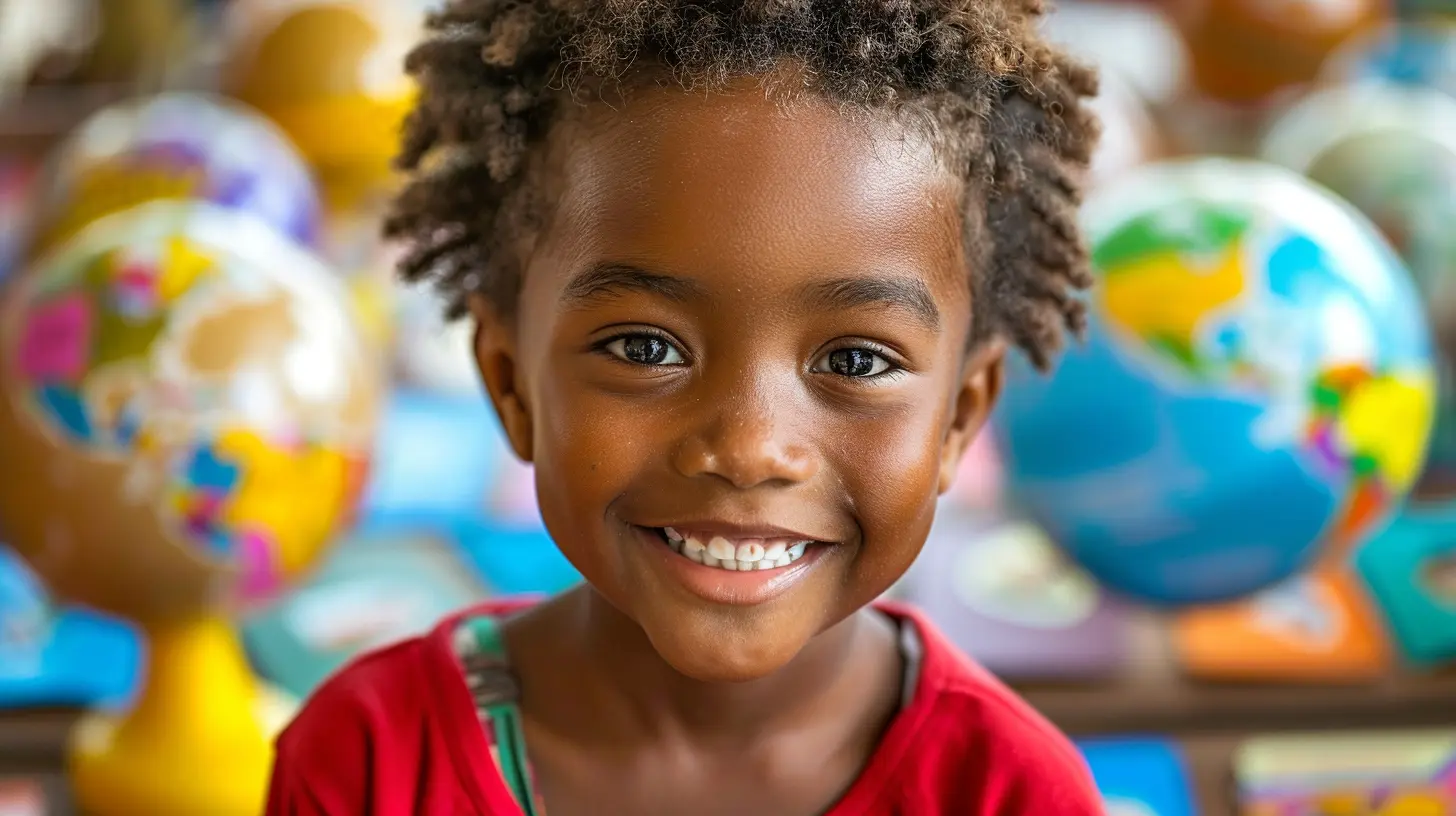
What Is Global Citizenship Anyway?
Before we jump into the Montessori magic, let’s simplify what global citizenship actually means.Being a global citizen isn’t just about having a passport and traveling the world. It’s about recognizing that we’re all connected. It means caring about people from different cultures, respecting diversity, and being mindful of how our actions affect others—whether they live next door or across the ocean.
Global citizens are the kind of people who recycle not just because it’s a rule, but because they care. They speak up against injustice and get involved in real-world issues like climate change, poverty, and human rights. Basically, they’re world-changers.
Now the million-dollar question: how do we raise kids like that?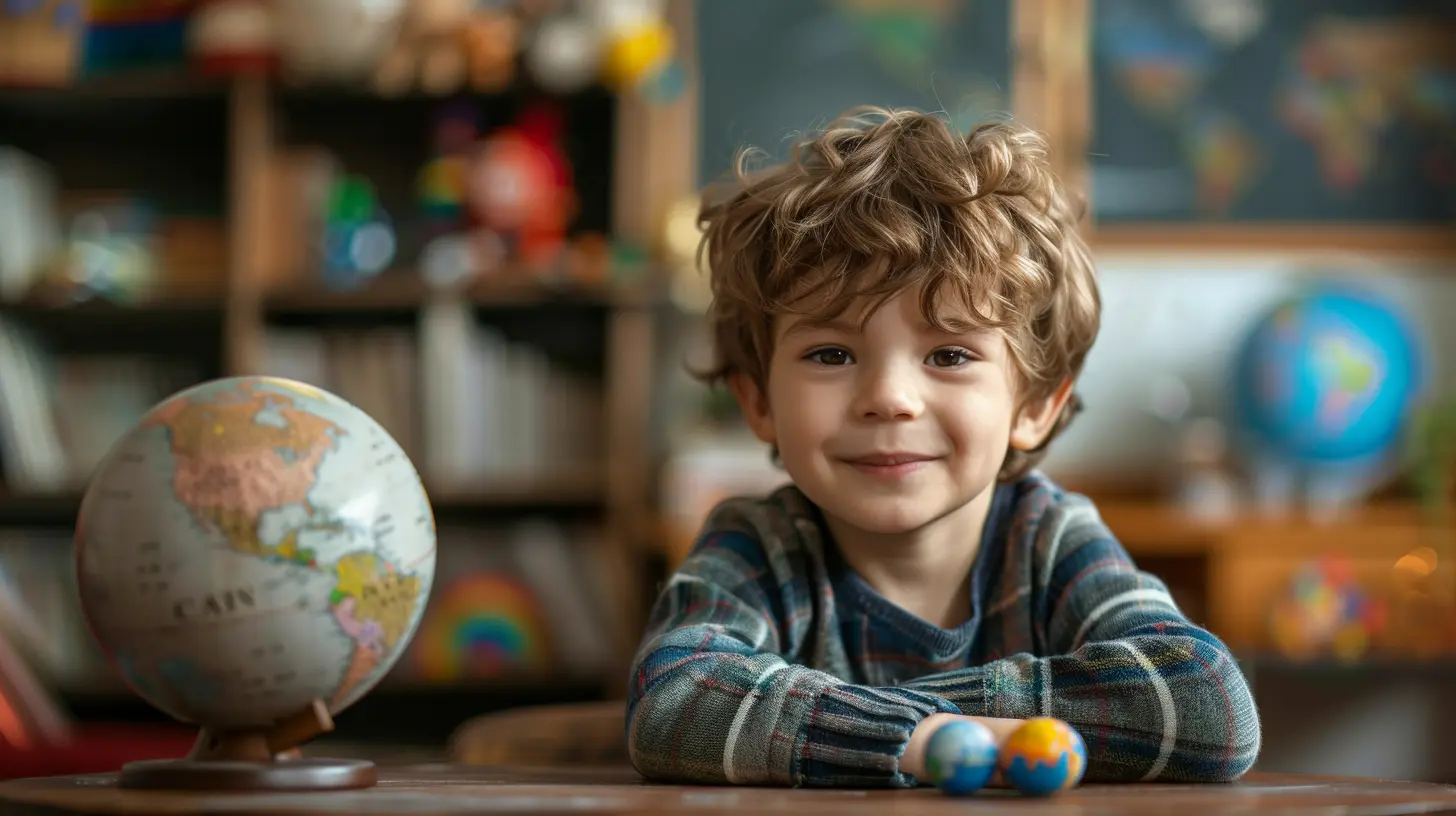
Montessori Education: More Than Just Beads and Wooden Toys
When people hear “Montessori,” they usually think of peaceful classrooms, tiny furniture, and hands-on learning. And sure, all of that is part of it. But Montessori education is much deeper than beautiful classrooms—it’s a philosophy designed to develop the whole child.At its core, Montessori empowers kids to be independent thinkers, problem solvers, and responsible citizens. Dr. Maria Montessori wasn’t just an educator; she was a visionary who believed that education could change the world.
Sounds like a perfect match for nurturing global citizens, right?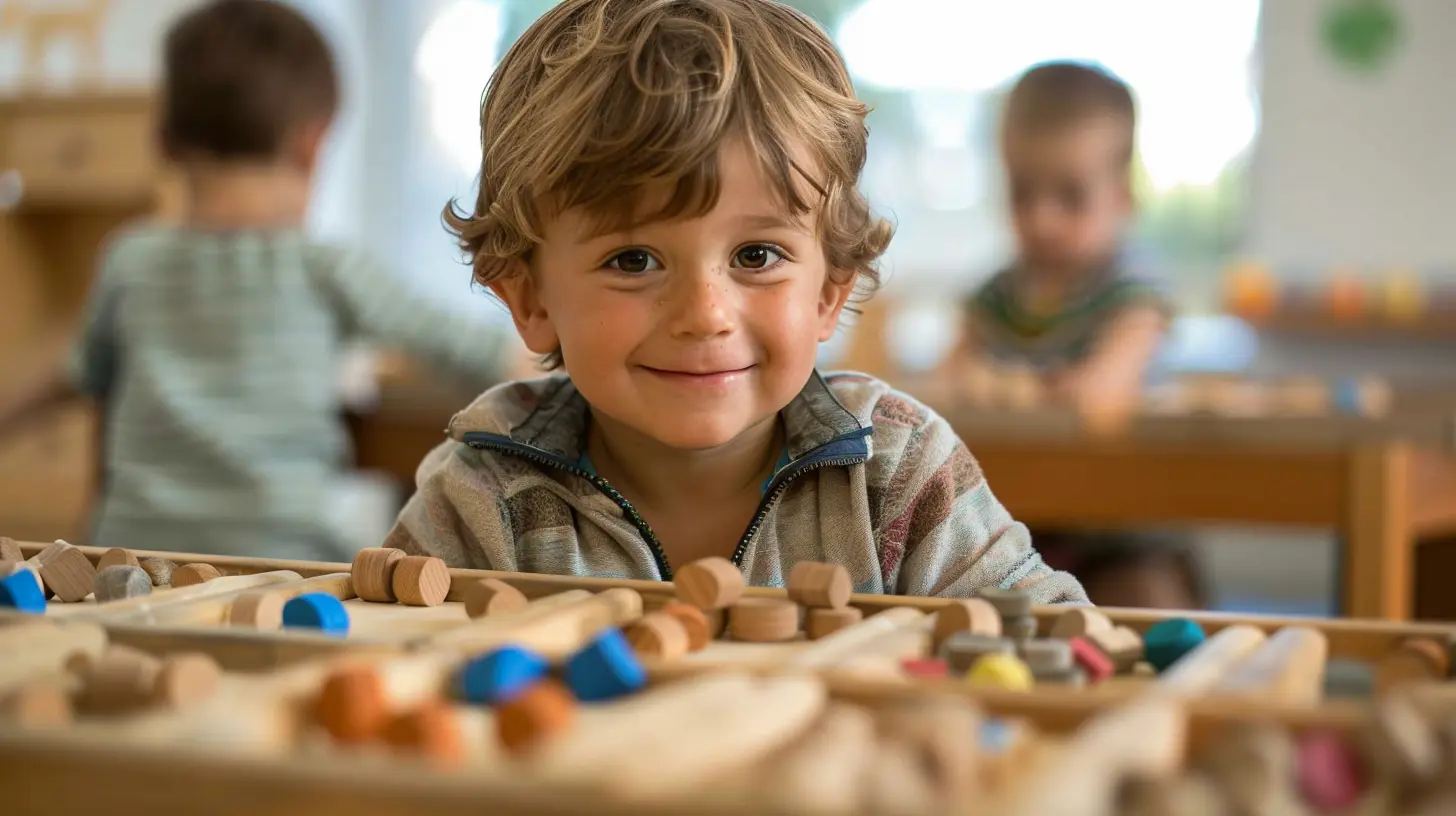
How Montessori Cultivates Global Citizenship
So how exactly does Montessori education foster global citizenship? Let’s break it down into the key components that make it all click.1. Respect Is the Root of It All
From the moment you walk into a Montessori classroom, one thing is clear: respect is everywhere. Kids show respect not just for each other, but for their environment, their materials, and their community.This respect spills over into a natural appreciation for others—regardless of their culture, background, or beliefs. Children learn early on that differences aren’t scary—they’re beautiful. That mindset is the bedrock of being a global citizen.
2. Mixed-Age Classrooms = Real-Life Social Skills
In traditional classrooms, everyone’s the same age. In Montessori, not so much. Kids are grouped across three-year age spans, which means older students mentor younger ones, and the little ones learn by watching their peers.This dynamic builds empathy, patience, and leadership skills. It gives children a sense of community and cooperation instead of competition—skills that come in handy in a diverse world.
3. Cosmic Education: Big Picture Thinking
One of the coolest things about Montessori is something called "Cosmic Education." No, we’re not sending toddlers to space (though that would be pretty fun). It’s about helping kids understand how everything in the universe is connected—from the tiniest leaf to the vastness of the galaxy.In Montessori elementary classrooms, children explore where they fit into the world—and how their actions can make it a better place. They learn about history, geography, ecology, and diverse cultures as interconnected pieces of one grand puzzle.
It’s not just about memorizing facts; it’s about seeing the world as one big, interwoven story. And that’s about as globally-minded as it gets.
4. Real-World Activities (A.K.A. Practical Life Skills)
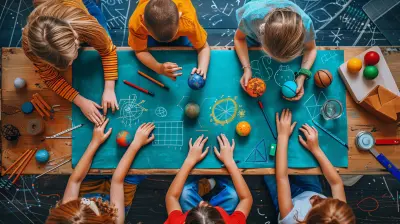
Montessori isn’t just academics. Kids also spend time on practical life activities—things like cooking, cleaning, gardening, sewing, and community service. These tasks may seem simple, but they teach responsibility, care for others, and a strong work ethic.When children help clean up after lunch or take care of a class pet, they begin to understand service and contribution. They practice being responsible members of a community—skills that grow into responsible world citizens.
5. Peace Education Is Front and Center
Yep, Montessori schools actually teach peace. It’s not tacked on as a side lesson—it’s woven into everything. Children learn conflict resolution, communication skills, and mindfulness.Some classrooms even have a “peace table” where kids can go to resolve disagreements calmly.
Can you imagine if every adult had learned how to resolve conflict like that when they were five? The world would be a very different place.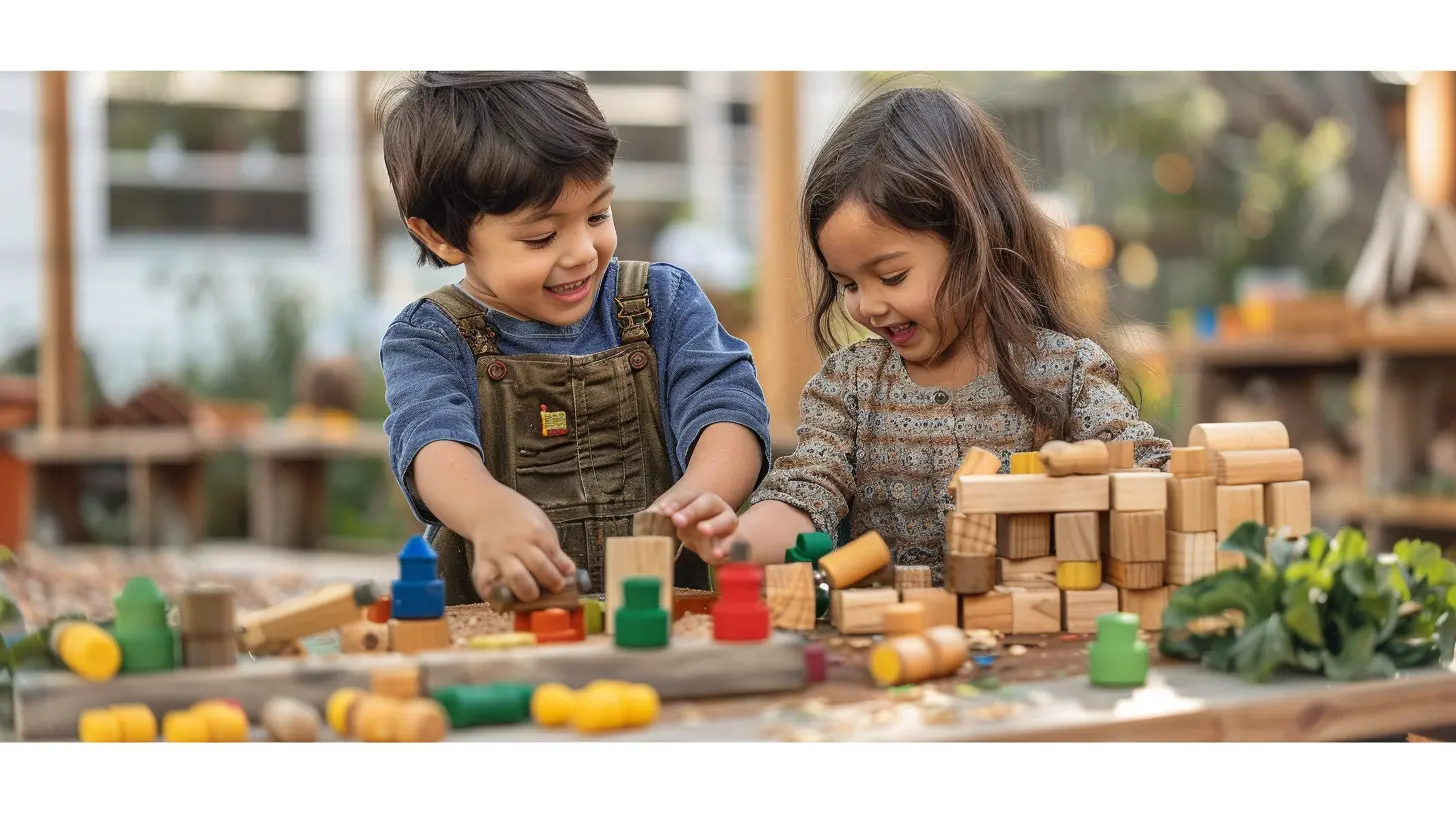
A Culturally-Rich Curriculum
Let’s not forget content. Montessori students don’t just learn about their own country—they study cultures, languages, traditions, and celebrations from all around the globe.They explore maps, flags, foods, and festivals from every continent. They listen to music from Africa, make sushi for Asia week, or write pen pal letters to kids in other countries.
By the time they’ve gone through a few Montessori years, they haven’t just celebrated diversity—they’ve lived it.
Raising Children to Lead With Heart and Mind
The ultimate goal of Montessori education is to cultivate independent, curious, and kind human beings. Someone who asks, “How can I help?” or “What would it be like to walk in their shoes?”And honestly, isn’t that what we all want for our kids?
Global citizens aren’t born—they’re raised. And Montessori provides the perfect environment to nurture that kind of growth, starting from toddlerhood all the way through adolescence.
How Parents Can Support Global Citizenship at Home
Even if your child isn't in a Montessori school, you can still encourage global citizenship right at home. Here are a few simple but powerful ways to do that:1. Talk About the World (A Lot)
Watch global news together, talk about current events, or read books about different cultures. Don’t shy away from big topics—kids are more capable of understanding than we sometimes give them credit for.2. Model Empathy
Empathy is like a muscle—it gets stronger the more you use it. Show it in your daily interactions with others and talk about feelings openly. Kids learn kindness by watching it.3. Embrace Diversity
Celebrate holidays from around the globe, try foods from different countries, and expose your kids to a variety of music, art, and languages. Make diversity a way of life, not just a one-time lesson.4. Encourage Service and Giving Back
Even little kids can volunteer in age-appropriate ways. Help them donate toys, participate in local drives, or write cards for someone in need. These simple acts sow the seeds for lifelong compassion.Montessori Alumni: Proof That It Works
Still skeptical? Let’s take a quick look at some folks who’ve been through Montessori education. Ever heard of Jeff Bezos? Beyoncé? Gabriel Garcia Marquez? All of them have Montessori roots.While success looks different for everyone, these individuals show that Montessori alumni often grow up to be innovative, empathetic, and globally influential.
So yeah, Montessori doesn’t just build learners—it builds leaders.
In a Nutshell: Montessori Makes World-Changers
If we truly want the next generation to solve big problems—climate change, social injustice, poverty—we need to raise big thinkers. And not just thinkers, but doers. People who care and act.Montessori education gives kids that foundation. It nurtures not just academic excellence but also emotional intelligence, cultural awareness, and social responsibility.
Fostering global citizenship isn’t about adding one more thing to the curriculum. It’s about shaping the entire learning experience around the values that matter most.
And with Montessori? That’s already built in.
Final Thoughts
In a time where the world feels both smaller and more complex, raising global citizens isn't just a “nice idea”—it’s essential.Montessori education offers a blueprint for doing just that. With its emphasis on respect, global awareness, critical thinking, and community, it gives children the tools they need to be thoughtful, compassionate, and action-oriented individuals.
Whether you’re a parent, educator, or just someone who loves kids, investing in this kind of education is one of the most powerful ways to invest in the future of our world.
all images in this post were generated using AI tools
Category:
Montessori EducationAuthor:

Charlotte Rogers
Discussion
rate this article
4 comments
Pia McKee
Montessori education cultivates empathy and critical thinking, empowering students to embrace diversity and foster global harmony.
July 31, 2026 at 7:14 PM
Clarissa Baker
This article compellingly highlights how Montessori education nurtures global citizenship by promoting empathy, cultural awareness, and collaborative skills. By integrating diverse perspectives and real-world problem-solving, Montessori prepares students to engage thoughtfully with global issues, fostering a sense of responsibility and interconnectedness in an increasingly globalized world.
May 28, 2026 at 11:11 AM
Charlotte Rogers
Thank you for your thoughtful comment! I'm glad you found the article highlights the important role Montessori education plays in nurturing global citizenship.
Georgia Thomas
Global citizenship? Montessori’s got it covered—nurturing open minds and world changers, one child at a time!
May 10, 2026 at 12:18 PM
Charlotte Rogers
Thank you! Montessori education truly empowers children to become thoughtful global citizens by fostering open-mindedness and a sense of responsibility towards the world.
Karen McElveen
This article brilliantly highlights how Montessori education cultivates global citizenship by nurturing empathy, cultural awareness, and critical thinking in children. By fostering a sense of community and responsibility towards the world, Montessori prepares students to become compassionate and engaged global citizens. A truly inspiring approach to education!
May 10, 2026 at 4:04 AM
Charlotte Rogers
Thank you for your thoughtful comment! I'm glad the article resonated with you and highlighted the powerful impact of Montessori education on developing compassionate global citizens.