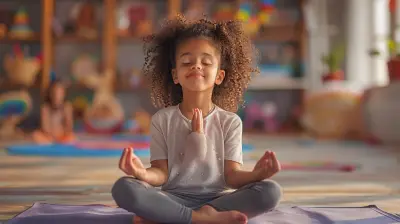
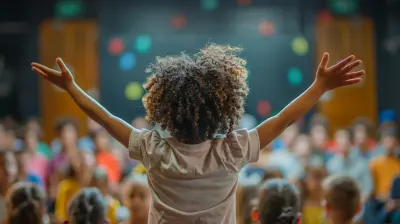
Encouraging Artistic Expression: Lesson Plans for Creative Arts
23 February 2026
Creativity is the heartbeat of artistic expression, and fostering it in students can make learning more engaging and exciting. Whether it's painting, music, drama, or dance, creative arts provide an outlet for students to express themselves, build confidence, and think outside the box. But how do we encourage artistic expression in the classroom?
If you're a teacher or educator looking for creative lesson plans that nurture artistic talents, you're in the right place. This article will break down practical lesson ideas that will inspire students to embrace their artistic side. 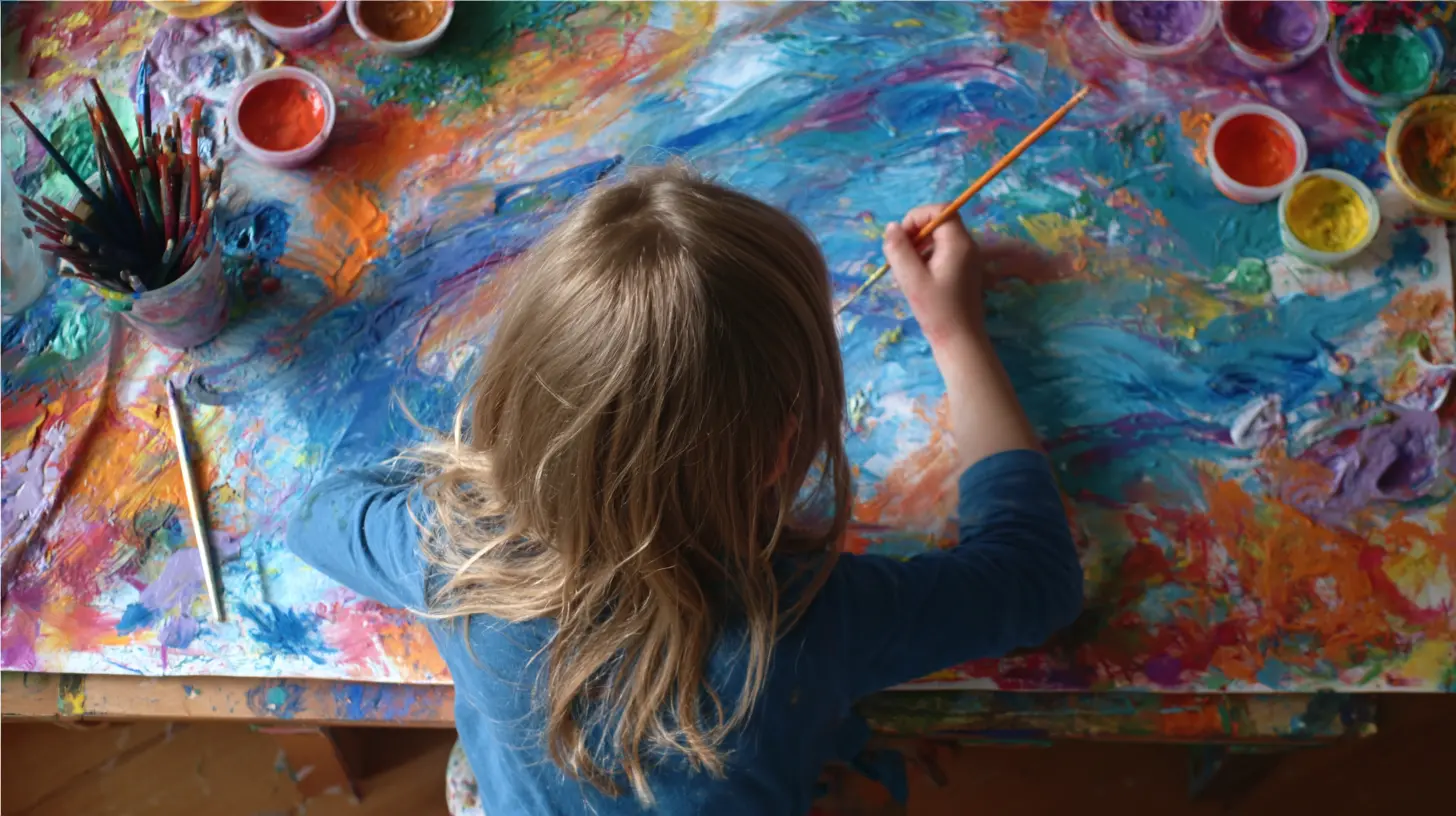
Why Encourage Artistic Expression in the Classroom?
Before diving into the lesson plans, let's talk about why artistic expression is essential in education.1. Boosts Confidence – Creative arts allow students to showcase their talents and express their emotions, making them feel more confident in their abilities.
2. Develops Critical Thinking – Art encourages students to think differently, solve problems creatively, and approach challenges with an open mind.
3. Encourages Emotional Expression – Artistic activities provide a safe space for students to communicate emotions they might not express verbally.
4. Enhances Motor Skills – Activities like painting, sculpting, or playing instruments help fine-tune hand-eye coordination and motor skills.
Now, let's get into some exciting lesson plans to bring creativity to life in your classroom! 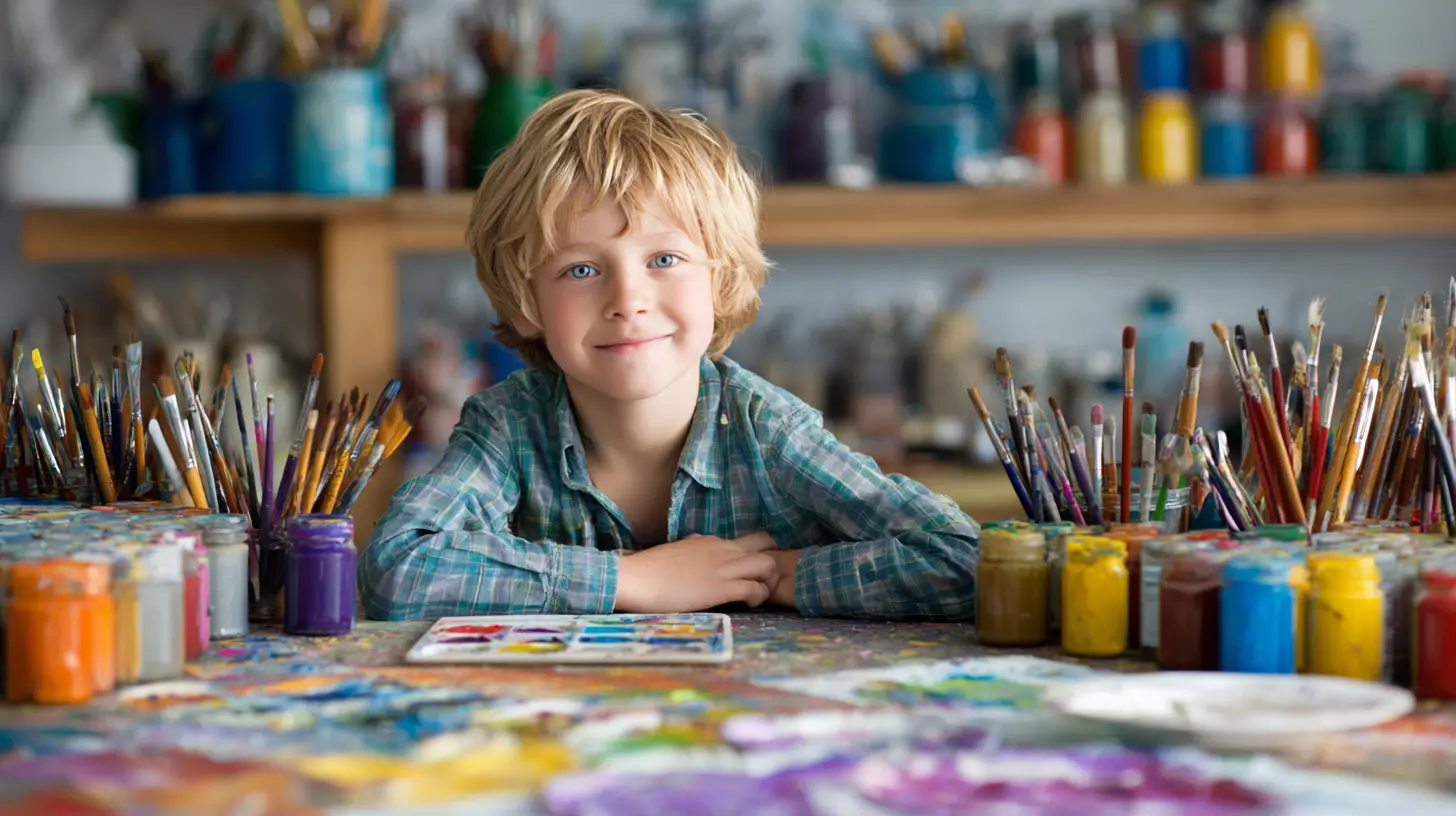
Lesson Plans for Creative Arts
We've put together a mix of engaging lesson plans for different forms of creative arts. Each plan is designed to meet various student skill levels and promote artistic freedom.1. Visual Arts: “Express Yourself” Painting Activity
Objective:
Encourage students to use colors, shapes, and patterns to express their emotions and thoughts.Materials Needed:
- Canvas or drawing paper- Paints, brushes, and sponges
- Markers and colored pencils
- Music playlist (optional)
Instructions:
1. Ask students to think about a mood or emotion they want to represent.2. Play different types of music and encourage them to paint or draw based on how the sounds make them feel.
3. Reinforce that there’s no “right” or “wrong” way to express their emotions through art.
4. Once completed, have students explain their artwork to the class.
> Pro Tip: Let them experiment with different colors and textures! Sometimes, a splash of unexpected color adds a whole new meaning.
2. Drama: “Story in Motion” Improvisation Game
Objective:
Enhance students’ storytelling and acting skills through spontaneous role-playing.Materials Needed:
- A box with random objects (hat, scarf, toy, book, etc.)- A list of character prompts (pirate, astronaut, teacher, etc.)
- A list of setting prompts (jungle, school, outer space, etc.)
Instructions:
1. Divide students into small groups.2. Each group picks a random object, character, and setting.
3. They have 10 minutes to create a short skit based on what they picked.
4. Encourage creativity—there’s no “wrong” way to tell their story!
5. Perform for the class and have a quick discussion on what they liked about each performance.
> Pro Tip: If students are shy, allow them to start with non-verbal performances like mime or storytelling through dance.
3. Music: “Create Your Own Song” Challenge
Objective:
Encourage students to explore melody, rhythm, and lyrics while creating an original song.Materials Needed:
- Musical instruments (or digital music apps)- Rhyming dictionary (optional)
- Paper and pencils
Instructions:
1. Have students choose a theme for their song (friendship, nature, happiness, etc.).2. Encourage them to write lyrics first, then create a tune using instruments or their voices.
3. If they work in groups, assign parts (e.g., one student writes lyrics, another creates the beat).
4. Let them perform their song to the class!
> Pro Tip: If instruments aren’t available, try free music apps like GarageBand or Soundtrap for digital compositions.
4. Dance: “Choreograph Your Story” Activity
Objective:
Encourage students to express a story through body movements and dance.Materials Needed:
- Open space- Background music (optional)
Instructions:
1. Ask students to pick a short story or personal experience they want to express.2. Guide them to break their story into segments (beginning, middle, and end).
3. Encourage them to use dance movements to represent each part of the story.
4. Pair students up to perform and provide feedback.
> Pro Tip: Let students choose their own music—it makes the process more personal and engaging!
5. Mixed Media: “Scrapbook of Dreams”
Objective:
Encourage students to use a combination of materials to create a visual representation of their dreams, ambitions, and emotions.Materials Needed:
- Magazines and newspapers- Glue and scissors
- Colored paper and stickers
- Markers and crayons
Instructions:
1. Have students cut out images, words, or colors that represent their dreams and glue them onto a scrapbook page.2. Encourage them to add personal drawings or written reflections.
3. Allow them to present their scrapbook pages, explaining the choices they made.
> Pro Tip: This activity works great as a "vision board" exercise for goal setting! 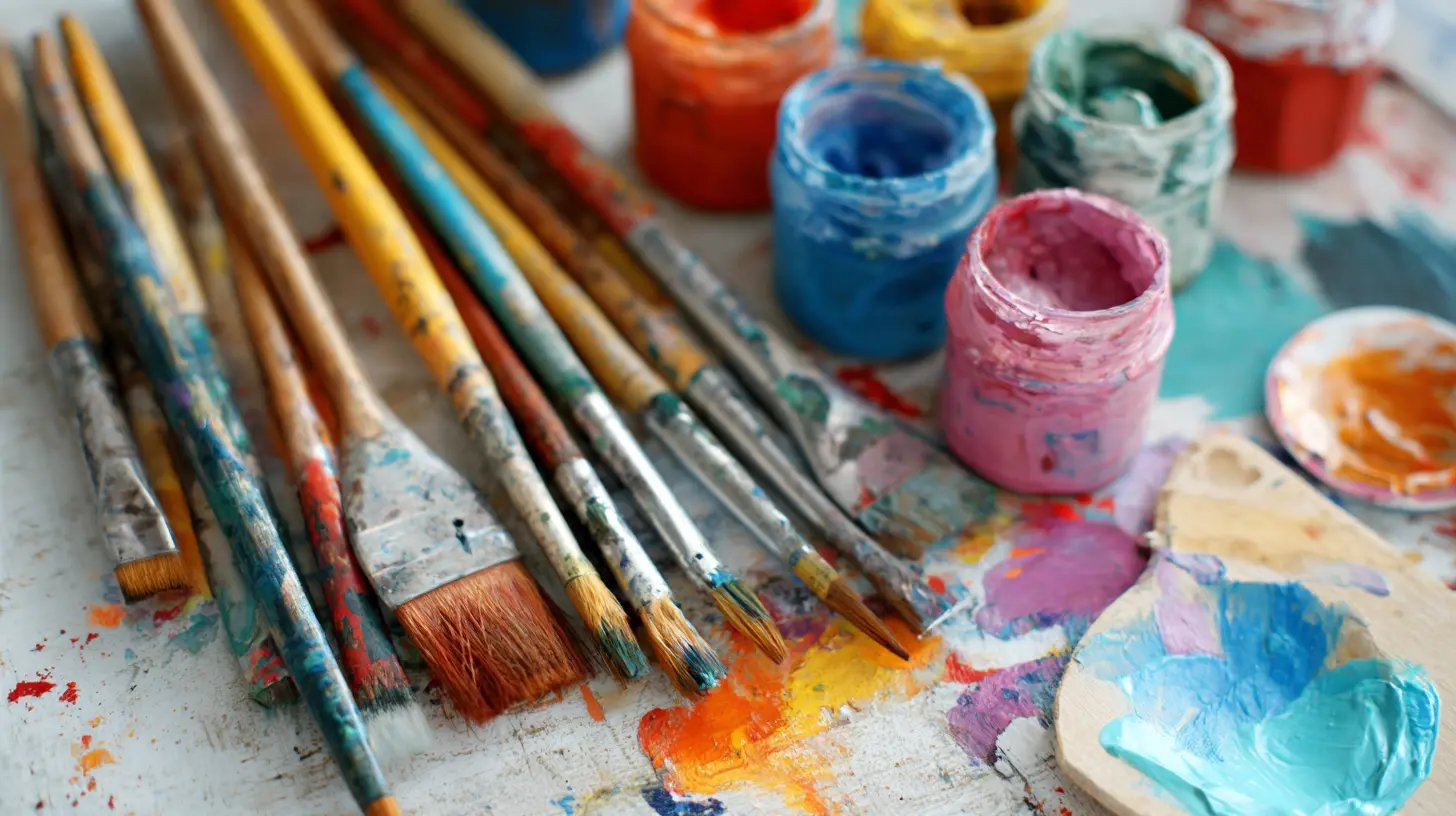
Tips for Encouraging Continued Artistic Expression
Want to make sure creativity doesn’t stop after class? Here are some great ways to keep artistic expression alive:1. Celebrate Student Art
Put up a “Wall of Creativity” to display students' artwork or performances. It fosters a sense of pride and accomplishment.2. Give Students Artistic Freedom
Allow room for self-expression. Don’t over-criticize; instead, encourage exploration and risk-taking.3. Incorporate Art into Other Subjects
Math, history, and science lessons can all benefit from a creative twist. How about illustrating historical events or writing a rap about fractions?4. Encourage Collaboration
Art thrives when students work together. Group projects like murals, dance routines, or choir performances help build teamwork and leadership skills.5. Make Time for Art
Even in packed schedules, allocate some time for creative activities. It enhances student engagement in other subjects too!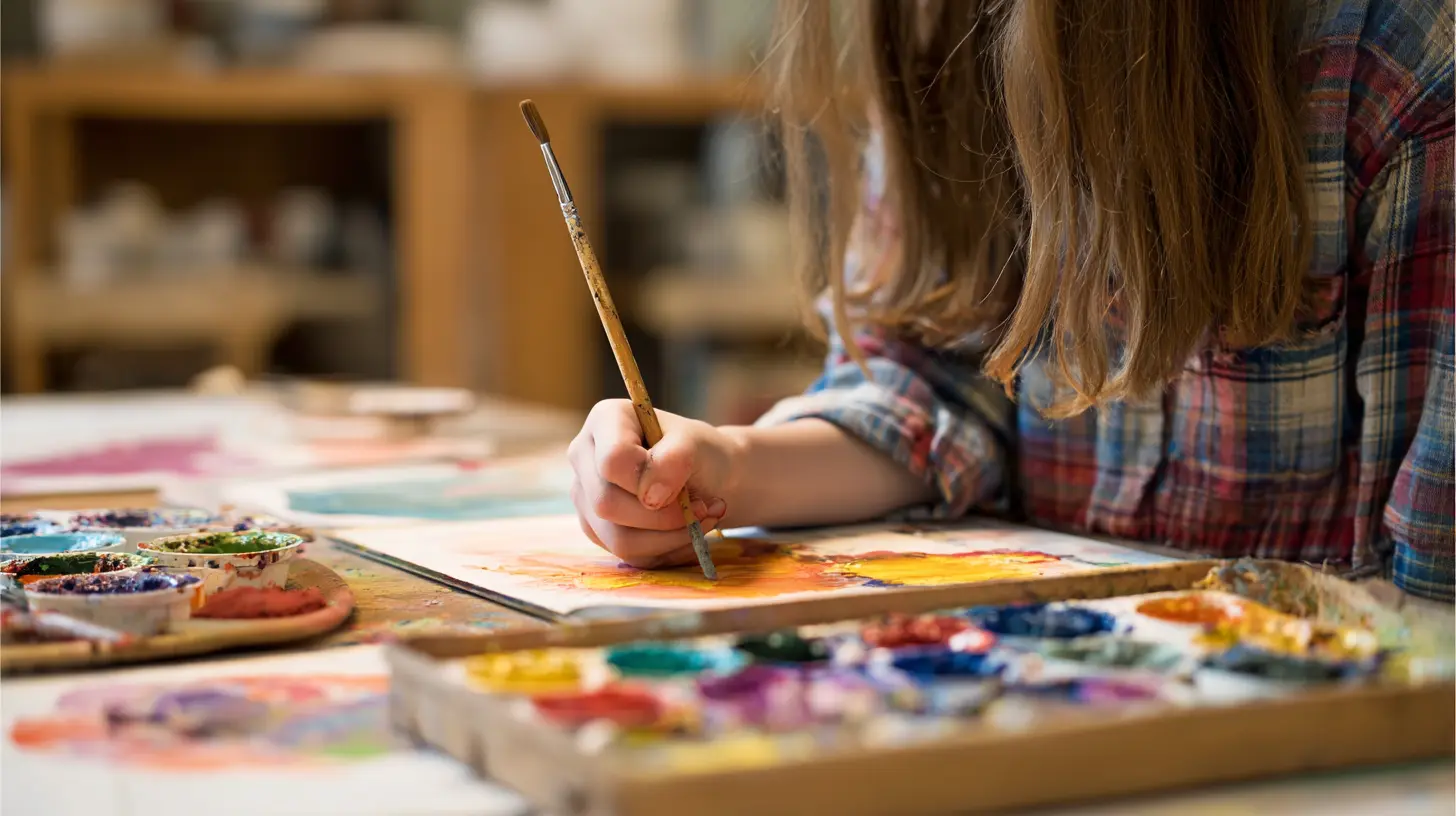
Final Thoughts
Encouraging artistic expression in the classroom isn’t just about making students paint or sing—it’s about helping them find their voice. Art allows students to communicate emotions, develop confidence, and build vital life skills. Whether through music, dance, drama, or painting, fostering creativity leads to happier and more well-rounded learners.So, teachers, let’s hand our students those paintbrushes, instruments, or scripts and let them shine!
all images in this post were generated using AI tools
Category:
Lesson PlansAuthor:

Charlotte Rogers
Discussion
rate this article
5 comments
Zeno Ramos
Absolutely loved this article! It's so important to nurture creativity in the classroom. These lesson plans are a fantastic way to inspire students and help them express themselves. Can't wait to try some of these ideas in my own teaching!
March 25, 2026 at 4:15 AM
Charlotte Rogers
Thank you so much for your enthusiastic response! I’m glad you found the lesson plans inspiring—can’t wait to hear how they work in your classroom!
Bellamy McClellan
Artistic expression isn't just an option; it's essential. These lesson plans empower students to explore their creativity fearlessly. Let's dismantle the barriers and embrace the transformative power of the arts in education—no excuses!
February 28, 2026 at 4:06 AM
Charlotte Rogers
Thank you for your passion! I wholeheartedly agree—artistic expression is vital for fostering creativity and empowerment in students. Let's continue to champion the arts in education!
Thomas McIntire
This article effectively highlights the importance of integrating creative arts into education. By offering structured lesson plans, it empowers educators to nurture students' artistic expression. Emphasizing creativity not only enhances cognitive skills but also fosters emotional development, making it a crucial aspect of holistic education. Great resource!
February 24, 2026 at 8:19 PM
Charlotte Rogers
Thank you for your thoughtful feedback! I'm glad you found the article valuable for promoting creativity in education.
Thor Snyder
Fostering creativity enriches learning; these lesson plans empower students to explore self-expression, nurturing both their artistic and emotional development.
February 24, 2026 at 12:58 PM
Charlotte Rogers
Thank you! I'm glad you see the value in fostering creativity—it truly enhances both learning and personal growth.
Daria McEvoy
Empowering students through artistic expression fosters critical thinking and emotional intelligence, essential skills for navigating today's complex world. Great insights!
February 24, 2026 at 4:13 AM
Charlotte Rogers
Thank you! I'm glad you found the insights valuable. Empowering students through art truly enriches their learning experience.